Standing water, soggy spots, and a yard that never fully dries — here's what's actually going on beneath the surface, and what to do about it.
Share:
Summary:
You’ve watched it happen enough times to know the pattern. The rain comes, the yard floods, and three days later there’s still a soggy patch where your kids used to play. Maybe you’ve tried digging a trench. Maybe you’ve called someone who told you it was someone else’s problem. Either way, you’re still dealing with it.
Yard drainage problems are one of the most frustrating issues a Suffolk County homeowner can face — partly because the cause isn’t always obvious, and partly because finding someone who will actually own the fix can feel like a full-time job. Here’s what’s really going on, and what a real solution looks like.
Most people assume standing water means their yard just needs better drainage installed somewhere. But that’s the solution, not the diagnosis. Before you can fix a drainage problem, you have to understand what’s causing the water to pool in the first place — and in Suffolk County, the answer is almost never simple.
Suffolk County’s soil conditions are genuinely unusual. Mid-island areas like Smithtown, Hauppauge, and Commack sit on heavy clay-loam soils left behind by glacial till. Clay holds water instead of absorbing it, so after a hard rain, the ground reaches its saturation point quickly and the water has nowhere to go. Meanwhile, properties closer to the South Shore — Babylon, Islip, Bay Shore — are built on sandy glacial outwash soils that drain fast on the surface but can channel water laterally straight toward a foundation. Different soil, different problem, same soggy outcome.

Beyond soil type, several other factors show up again and again in Suffolk County yards. Poor grading is one of the biggest. Most homes in this area were built in the 1950s, ’60s, and ’70s, and the original grading — the slope of the land around the house — was designed to direct water away from the foundation. Decades of settling, landscaping additions, patio installations, and fence posts have disrupted those slopes. Water that used to run toward the street now runs toward the house, or collects in a low spot in the middle of the yard.
Downspout placement is another culprit that gets overlooked constantly. If your gutters are dumping water directly against the foundation or into an area with no natural drainage path, you’re essentially watering the problem every time it rains. A single downspout can discharge hundreds of gallons during a nor’easter — and if that water has nowhere to go, it stays.
Compacted soil is the third issue that trips people up. Heavily trafficked areas of the yard — the path from the back door to the garage, the spot where the kids always play — can become so compacted over time that water can’t penetrate the surface at all. It pools on top and just sits there.
Then there’s the water table. Long Island sits on a sole-source aquifer system that supplies drinking water to more than 2.8 million people across Nassau and Suffolk Counties. In wet years, that aquifer fills quickly, and the water table rises into residential yards. When the ground is already saturated from below, even a moderate rainstorm can create significant flooding — and no amount of surface grading will fully fix a water table problem. That’s when you need a properly designed subsurface drainage system.
Finally, impermeable surfaces — concrete driveways, asphalt, patios — redirect water that used to absorb into the ground. If your neighbor recently added a patio or a new driveway, you may be seeing more water in your yard than you used to, and that’s exactly why.
A lot of homeowners who call us have already tried something on their own. They dug a trench, filled it with gravel, maybe laid some perforated pipe. And it helped — for about one season. Then the gravel shifted, the pipe clogged with roots or sediment, and the water came back, sometimes worse than before.
The problem with DIY drainage work isn’t effort. It’s that you can’t solve a drainage problem without diagnosing its actual cause first. If your yard floods because the grade slopes toward the house, a French drain won’t fix it — you need regrading. If the problem is a high water table, surface grading won’t fix it either. Installing the wrong system doesn’t just waste money; it can create new low spots, redirect water toward a neighbor’s property, or give you a false sense of security while the underlying issue quietly damages your foundation.
There’s also the question of what’s underground. New York State requires utility marking through Dig Safe (811) before any ground disturbance. That’s the law, and it exists because buried gas lines, water mains, and electrical conduits are real hazards. A DIY trench dug without proper marking puts you and your property at risk in ways that go well beyond a soggy lawn.
The other thing DIY work rarely accounts for is what happens after. A drainage trench cuts through your lawn, disrupts root systems, and leaves the yard looking worse than when you started. Professional drainage work — done right — includes restoring the disturbed area so the yard recovers properly. Many homeowners are genuinely surprised by how much better their yards look once the soggy, muddy areas are eliminated and the lawn has a chance to grow back in.
Want live answers?
Connect with a Rolling Hills Property Services Inc expert for fast, friendly support.
This is one of the most common questions we hear, and it’s completely understandable. Yard drainage problems sit in an awkward middle ground — they’re not plumbing, they’re not purely landscaping, and they often involve excavation. So homeowners end up calling a plumber who says it’s not their problem, a landscaper who says they don’t do drainage, and an excavator who says they only handle the digging.
For yard flooding caused by grading issues, soil conditions, or the need for a drainage system — French drains, catch basins, dry wells, or surface drains — you need a landscaping contractor with dedicated drainage experience and the equipment to handle excavation and restoration in one scope of work.

A real drainage solution starts with a diagnosis, not a quote. Before we recommend a French drain or a catch basin, we walk your property, look at how the land slopes, check where the downspouts discharge, and ask questions about when and where the flooding occurs. That information determines what system — or combination of systems — will actually solve the problem.
French drains are the most commonly installed solution, and for good reason. They’re a perforated pipe buried in a gravel-filled trench that intercepts groundwater or surface runoff and redirects it away from the problem area. They work well for yards with clay soil, high water tables, or areas where water consistently collects in the same spot. But they need to be sized correctly, sloped properly, and discharged to a location where the water won’t just create a new problem.
Catch basins are surface-level drains that collect water from a specific low point and channel it underground. They’re particularly useful in areas with a defined low spot — the corner of a yard that always floods, or the base of a slope where water accumulates. Surface drains and downspout extensions serve similar purposes in specific contexts.
Regrading is sometimes the right first step before any drainage system is installed. If the slope of the land is directing water toward the house rather than away from it, fixing the grade addresses the root cause. In many cases, regrading and drainage installation are done together — the grade is corrected, and a drainage system handles any remaining subsurface water.
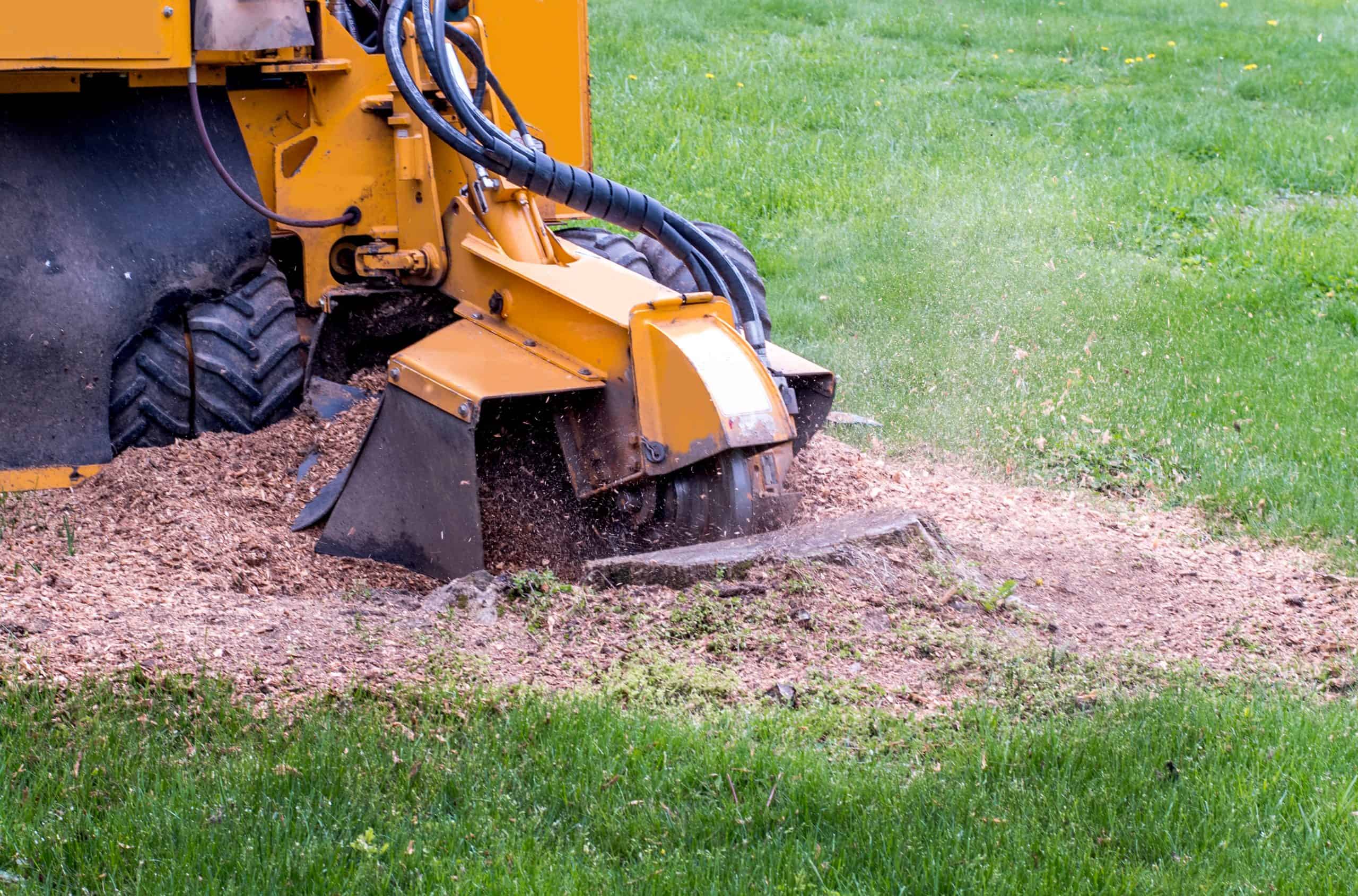
After installation, we restore the disturbed areas of the yard. That means topsoil, seed or sod, and cleanup — so the project ends with a yard that looks better than it did before, not a construction site you have to deal with on your own.
Generic drainage advice from national websites doesn’t translate well to Long Island, and it’s not just about soil type. Suffolk County has environmental and regulatory layers that affect how drainage work gets done.
Properties near the South Shore — Great South Bay, tidal creeks, barrier beaches — and along the North Shore near Long Island Sound often sit in or adjacent to NYSDEC-regulated wetland areas. Any excavation or drainage work near those areas carries permit requirements that a contractor unfamiliar with local regulations simply won’t know how to navigate. Getting drainage work done without the right permits can create legal complications and cause real problems when it comes time to sell the property.
There are also Town-level building permits to consider for significant grading work, and depending on the project, the Suffolk County Health Department may be involved if the work is near a septic system. These aren’t obstacles — they’re protections — but they require a contractor who knows the local process.
The seasonal rhythm here matters too. Long Island winters bring heavy snowfall events, and when temperatures climb in late February and March, snowmelt combines with spring rainfall to create the most intense drainage stress of the year. Nor’easters can deliver three to six inches of rain over 24 to 48 hours — far more than most yards are designed to handle, especially when the ground is already saturated from a high water table. Homeowners in Huntington, Brookhaven, Riverhead, and across mid-Suffolk see this pattern every single year.
Standard homeowner’s insurance policies do not cover yard drainage problems or damage caused by exterior groundwater. That means every season you wait on a drainage problem, the eventual repair bill lands entirely on you. Minor drainage improvements are a fraction of the cost of foundation structural repair, and the gap between those two numbers grows the longer the underlying problem is left unaddressed.
If your yard has been flooding season after season, you already know the problem isn’t going away on its own. The good news is that most drainage problems in Suffolk County are solvable — once you know what’s actually causing them.
The key is working with someone who will diagnose before they prescribe, handle the full scope of work without handing you off to three other contractors, and leave the yard in better shape than they found it. That’s exactly what we do at Rolling Hills Property Services Inc. — drainage inspection, system installation, grading, and landscape restoration, all under one company, with local knowledge of the soils, water table, and regulatory environment that make Long Island different from everywhere else.
If you’re ready to stop watching your yard flood, reach out to Rolling Hills Property Services Inc. for a free consultation. Text us at 631-652-8035 for fast pricing and availability.
Article details:
Share:
Continue learning: