The fall aeration window in Suffolk County is about six weeks long. Here's what you need to know before it closes.
Share:
Summary:
If you’ve been meaning to get your lawn aerated this fall, you’re not imagining the urgency. The window for fall lawn aeration in Suffolk County runs from early September through mid-October — roughly six weeks. After that, soil temperatures drop, seed won’t germinate reliably, and the county’s November 1 fertilizer blackout closes the door on the most effective post-aeration treatment sequence. Every professional crew with a hydraulic aerator is working the same calendar. Slots go fast. This post explains what fall aeration actually does, why the timing matters so specifically here on Long Island, and what to look for when you’re ready to book.
For most of Suffolk County, the best time to aerate your lawn is early September through mid-October. That window isn’t arbitrary — it’s tied directly to the grass types that dominate Long Island lawns and the way they grow.
Cool-season grasses like tall fescue, Kentucky bluegrass, and perennial ryegrass do their most active growing in fall. Soil is still warm enough to support root development and seed germination, but the air is cooler, which reduces stress on the grass during recovery. That combination makes fall aeration dramatically more effective than spring aeration for most Suffolk County lawns.
There’s also a hard regulatory deadline to factor in. Suffolk County law prohibits fertilizer applications from November 1 through April 1. Aeration opens up the soil profile and makes fertilizer significantly more effective — but only if you can apply it. Aerating in late October and then hitting the fertilizer blackout means you’ve done the prep work without capturing the full benefit. Early fall is the window where everything lines up.
The reason aeration works isn’t complicated, but it’s worth understanding — especially if you’ve been fertilizing and watering faithfully and your lawn still looks like it’s struggling.
Compaction is the most common culprit. When soil gets packed down over time — from foot traffic, summer heat, kids, pets, or just the weight of regular mowing — it squeezes out the air pockets that roots depend on. Water starts sheeting off the surface instead of soaking in. Fertilizer sits on top instead of reaching the root zone. The grass thins out, bare patches appear, and no amount of watering seems to fix it. That’s not a watering problem. That’s a compaction problem.
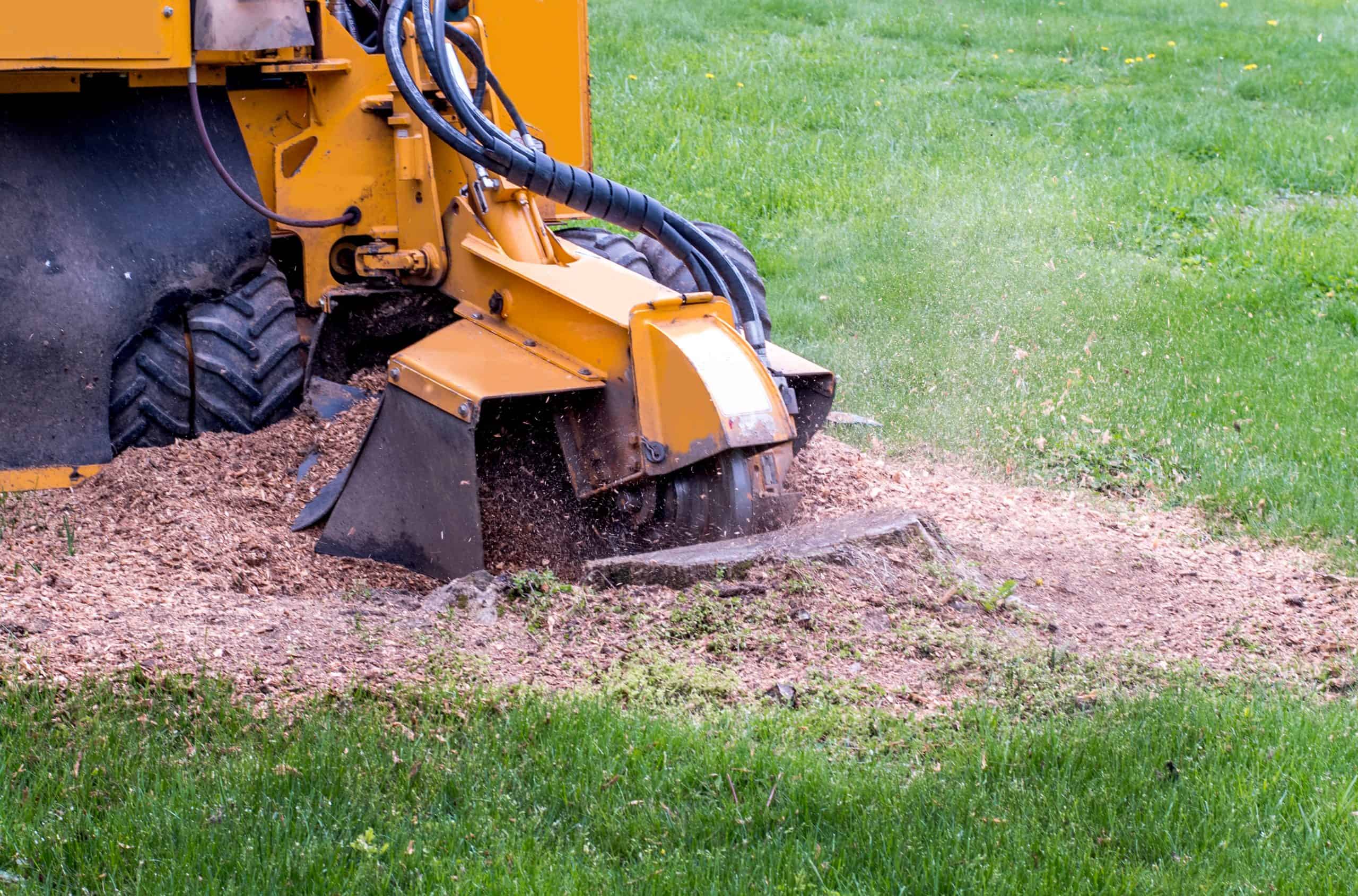
Core aeration addresses it directly. A hydraulic aerator pulls small plugs of soil out of the ground — typically about three-quarters of an inch wide and three inches deep — at a density of 20 to 40 holes per square foot across the entire lawn. Those channels let oxygen, water, and nutrients reach the root zone in a way they simply can’t when the soil is compacted.
Roots grow deeper. The lawn becomes more drought-resistant. Fertilizer actually does what it’s supposed to do.
It’s also worth noting what core aeration is not. Spike aeration — which pokes holes rather than removing material — doesn’t provide the same benefit and can actually worsen compaction by pushing soil aside rather than extracting it. If a company isn’t specifying core aeration, it’s worth asking exactly what equipment they’re using and how many passes they plan to make.
The plugs pulled from the ground get left on the surface. They look a little rough for two to four weeks, then break down and return organic matter and microbes to the soil. The lawn comes back looking and performing noticeably better — especially when aeration is paired with overseeding and followed up with fertilization before the November 1 deadline.
When you’re looking for lawn aeration in Suffolk County, the difference between a good result and a disappointing one usually comes down to a few specific things — most of which aren’t obvious from a website.
Equipment matters more than most people realize. Professional hydraulic aerators pull cleaner, deeper cores than the drum aerators available at hardware store rental counters. Rental machines are typically lower-weight and less powerful, which means shallower cores, fewer holes per square foot, and a result that looks similar on the surface but doesn’t deliver the same soil-level benefit. A single pass with a rental machine won’t get you to the 20 to 40 holes per square foot that actually moves the needle on compaction.
Local knowledge matters too. Suffolk County’s soils vary more than people expect. The Haven Loam that covers much of the county’s interior is a moderately well-drained sandy loam — generally good for lawn growth, but prone to compaction in high-traffic areas, especially where clay subsoil underlies the sandy topsoil. That’s common in parts of central Suffolk, including areas around Commack and Smithtown. On the East End — Southampton, East Hampton — the soils are sandier and coastal humidity accelerates thatch buildup, which aeration also helps address.
You also want a provider who is fully licensed and insured, marks irrigation systems before aerating, and is clear about what they charge before they show up. Aeration involves equipment moving across your entire lawn — sprinkler heads, invisible irrigation lines, and low-profile landscape lighting are all at risk with a careless crew. Knowing that any accidental damage is covered by liability insurance isn’t a luxury; it’s a reasonable baseline expectation.
If you want a fast price without a lengthy back-and-forth, text us at 631-652-8035. We give pricing quickly because we know you’re not trying to schedule a consultation — you’re trying to figure out if the timing works before the fall window closes.
Want live answers?
Connect with a Rolling Hills Property Services Inc expert for fast, friendly support.
Aeration and overseeding are almost always done together in fall, and the reason is straightforward. The holes created by core aeration give grass seed direct contact with soil — which is the single biggest factor in germination success. Seed scattered across a compacted, unbroken lawn surface has to fight for contact. Seed dropped into fresh aeration channels has everything it needs: moisture, warmth, and soil contact.
For Suffolk County lawns, the timing of this combination is tight. Overseeding needs roughly four to six weeks of soil warmth above 50°F to germinate before the ground hardens. That means the mid-October cutoff isn’t soft — wait past it and you’re gambling on germination that may not happen until spring, if at all.
Doing aeration and overseeding together in one visit also means you’re working with the same favorable soil conditions for both. It’s not just convenient — it’s the most effective sequence available to a cool-season lawn on Long Island.
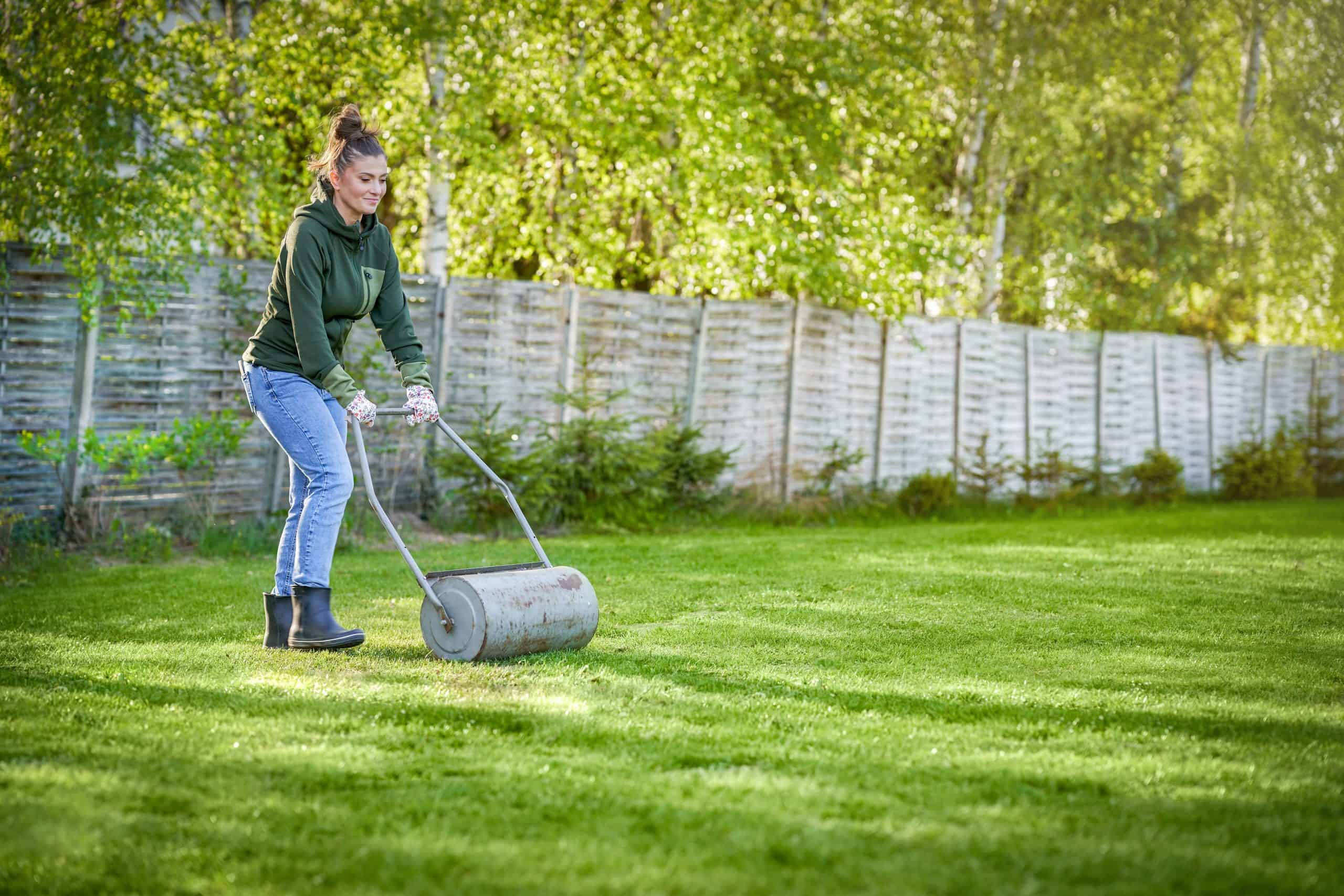
Pricing for fall lawn aeration in Suffolk County depends on the size of your lawn, the method used, and whether overseeding is included. Combined aeration and overseeding typically costs $160 to $425 for a 10,000 square foot lawn.
Spike aeration, where it’s offered, runs roughly 20 to 30 percent less than core aeration — but as noted above, core aeration is the method that actually solves compaction, so the cost difference is worth understanding before you make a decision based on price alone. A lawn that gets spike-aerated may look like it received treatment, but compaction won’t be meaningfully reduced — and you’ll be back in the same position next fall.
The other cost consideration is the timing of the full treatment sequence. Aeration followed by overseeding followed by fertilization — all completed before November 1 — is the sequence that delivers the most visible improvement heading into the following spring. If aeration happens too late to legally fertilize before the blackout, you’re leaving part of the benefit on the table. Booking early in the fall window isn’t just about availability; it’s about getting the full value out of the service.
If you want a straightforward number for your specific lawn, text 631-652-8035. We respond fast and we don’t make you sit through a sales call to find out what something costs.
The most common reason homeowners miss the fall aeration window isn’t that they don’t care about their lawn. It’s that compaction doesn’t announce itself. A lawn that’s been compacted all summer by foot traffic, drought stress, and heat can still look reasonably okay in August. The symptoms — thinning, slow drainage, bare patches that won’t fill in — tend to become obvious in September, right when the window is already narrowing.
By the time a homeowner notices the problem, does a quick search, and tries to book a crew, it’s often late September or early October. Reputable local providers are already booked out. The homeowner either settles for whoever has availability — which usually means a company with lower standards or a spike aerator — or waits until spring, which means the lawn goes into winter in its current compacted state and comes out of winter the same way.
There’s also the fertilizer angle. A lawn aerated in early September can be fertilized before the November 1 blackout, giving the grass a strong nutritional boost right as it’s heading into its most active fall growth period. A lawn aerated in late October misses that window entirely. The same service, done four weeks later, produces a noticeably different result.
Suffolk County’s Healthy Lawns Clean Water program is worth mentioning here too. Aeration improves soil absorption, which means fertilizers and water are taken up more efficiently rather than running off into groundwater and surface water. That matters in a county where nitrogen runoff into the Peconic Estuary and Long Island Sound is a documented concern. Aerating isn’t just good for your lawn — it’s the kind of practice the county’s own environmental guidance supports.
If your lawn has been looking rough after this past summer, the problem is almost certainly fixable. But the fix has a deadline, and that deadline is coming up faster than it feels like it is right now.
The fall aeration window in Suffolk County is real, it’s short, and it fills up. Early September through mid-October is the range that works — for the grass, for the overseeding, and for the fertilization sequence that has to wrap up before November 1. After that, the best you can do is wait until spring and start over with a lawn that spent the whole winter compacted.
If your lawn came through summer looking thin, patchy, or unresponsive to watering and fertilizing, core aeration is almost certainly part of the answer. The process is straightforward, the results are visible, and the timing is the one thing you actually have to get right.
Rolling Hills Property Services Inc. is based in Smithtown and serves all of Suffolk County. We’re fully licensed and insured, we use core aeration — not spike aeration — and we pair it with overseeding and fertilization so the whole sequence gets done in the right order before the deadlines hit. Text us at 631-652-8035 for fast pricing, or call during business hours at 631-302-9511. Don’t wait until October to find out we’re booked.
Article details:
Share:
Continue learning: