Timing mistakes in tree and shrub care are more costly than most homeowners realize. Here's what Suffolk County's climate means for your plants.
Share:
Summary:
You did everything right. You grabbed the pruning shears, made clean cuts, cleaned up the debris. And then your azaleas didn’t bloom. Or your oak started looking thin and stressed a few months later. Or a branch came down in the first big storm of the season.
The problem usually isn’t how you pruned. It’s when.
Timing is the most common and most costly mistake in tree and shrub care — and in Suffolk County, the windows are more specific than most people realize. Long Island’s climate, soil, and native species all factor in. This guide breaks down what actually goes wrong and when you should be doing what.
Generic gardening calendars are written for a broad national audience. They don’t account for Long Island’s sandy, fast-draining glacial soil, the salt spray that rolls in off both the Long Island Sound and the Atlantic, or the irregular freeze-thaw cycles that can fool plants into breaking dormancy too early.
Suffolk County sits in USDA Hardiness Zone 7a–7b, which is milder than upstate New York — but that mildness comes with its own complications. Late-winter temperature swings, coastal wind exposure, and a growing season that doesn’t always behave predictably mean that the “right time” here isn’t always what the internet says it is.
When you add in confirmed local threats like Oak Wilt in Islip, Riverhead, and Southold, the stakes get even higher. Timing isn’t just about aesthetics. It’s about whether your trees survive the year.

Fall feels like the natural time to cut things back. The growing season is winding down, the leaves are dropping, and everything looks like it’s going dormant. It makes intuitive sense to prune now — but for most trees and shrubs, it’s one of the worst times to do it.
Here’s why: pruning stimulates new growth. Cut a branch in October and the plant responds by pushing out fresh growth that it doesn’t have time to harden before temperatures drop. That tender new growth gets hit by the first hard freeze, and now you’ve got frost damage on top of whatever you were trying to fix in the first place.
There’s also the disease angle. Fresh pruning wounds are entry points. During the warmer months — and even into early fall — the insects and fungal spores that spread tree diseases are still active. You’re essentially opening a door right as the traffic is heaviest.
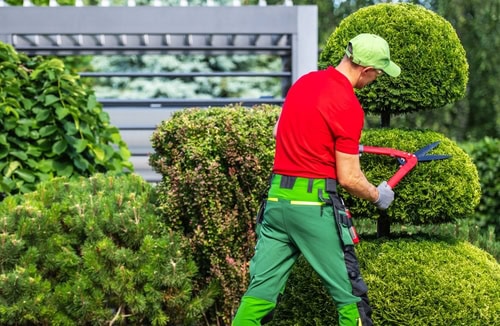
The right window for most dormant pruning in Suffolk County is late winter, roughly after the hardest freezes have passed but before spring growth begins. The tree is fully dormant, the branch structure is visible without foliage, and the wounds have the best chance of sealing before pest season ramps up. It’s also when scheduling tends to be easier and, practically speaking, frozen ground supports equipment without tearing up your lawn.
For shrubs, the timing depends entirely on whether they bloom on old wood or new wood — a distinction that trips up a lot of homeowners and leads to the next common mistake.
This one costs homeowners a full year of flowers, and it happens constantly.
Forsythia, azaleas, rhododendrons, and lilacs all bloom on old wood — meaning the flower buds for next spring are set during the previous summer. If you prune them in late winter or early spring before they flower, you’re cutting off the buds that were already formed. The plant looks fine. It leafs out normally. It just doesn’t bloom. And you won’t know you made the mistake until the following spring when the flowers don’t show up.
The fix is simple once you know it: prune spring bloomers immediately after they finish flowering, not before. That gives the plant the rest of the growing season to set new buds for next year. Miss that window and you’re waiting another twelve months.
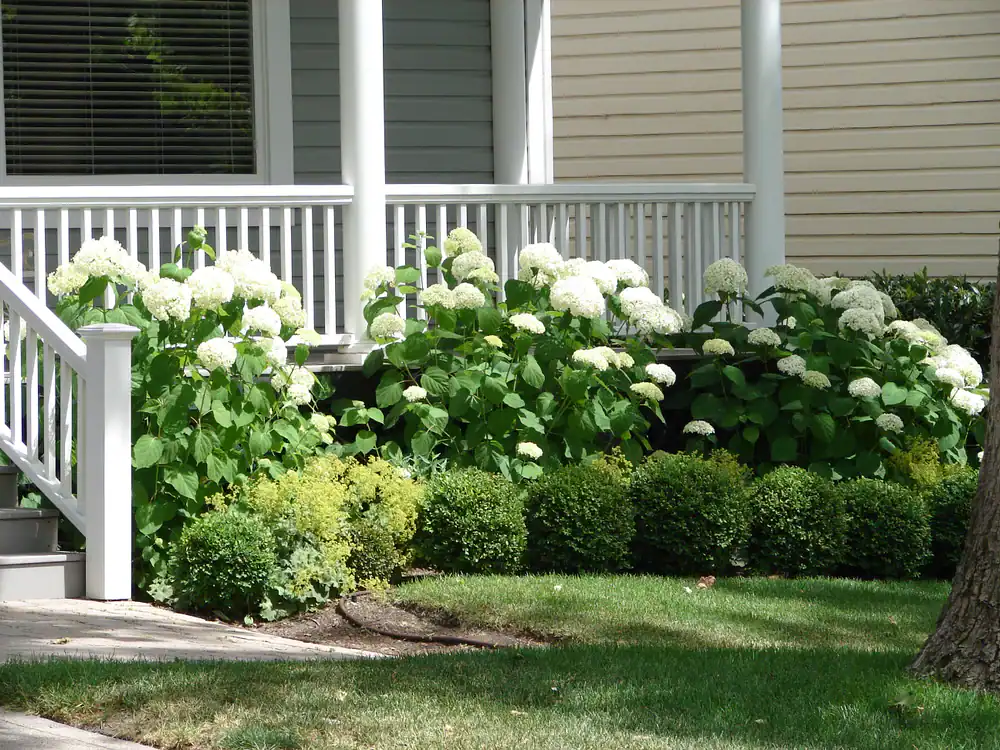
Summer bloomers — hydrangeas that flower on new wood, for example — work differently. They can be pruned in late winter or early spring because their buds haven’t formed yet. But even here, the specific variety matters. Some hydrangea types bloom on old wood, some on new, and some on both. Pruning the wrong one at the wrong time produces the same result: a healthy-looking shrub that doesn’t bloom.
This is the kind of species-specific knowledge that separates a careful approach from a generic one. On Long Island, where ornamental shrubs are a major part of most residential landscapes, getting this wrong is an expensive and frustrating mistake that’s entirely avoidable.
Want live answers?
Connect with a Rolling Hills Property Services Inc expert for fast, friendly support.
Oak Wilt is a fungal disease that has been confirmed in Islip, Riverhead, and Southold. Red Oaks — one of the most common trees on Long Island residential properties — are particularly vulnerable, and the disease can kill a tree within weeks of infection.
It spreads through sap-feeding beetles that are attracted to fresh pruning wounds. Those beetles are active roughly from April through October. Which means if you prune your oaks during that window, you’re creating an open invitation at exactly the wrong time.
The safe pruning window for oaks in Suffolk County is November through February. That’s not a general guideline — it’s a hard boundary if you want to protect your trees.
Most homeowners who prune their oaks in summer or early fall aren’t aware of Oak Wilt at all. They’re not being careless — they just don’t know the risk exists in their area. The problem is that by the time the disease shows up visibly, significant damage has already been done.
Red Oaks infected with Oak Wilt can go from apparently healthy to dead in a single growing season. The fungus spreads through the tree’s vascular system, cutting off water and nutrient flow. By the time you notice the leaves wilting and browning from the top down, the tree is often already beyond saving.
What makes this especially relevant for Suffolk County is that the disease is already here. It’s not a theoretical threat from somewhere else in the country. It’s been confirmed in specific towns within the county, and the beetle populations that spread it are active throughout the warmer months.
Replacing a mature oak — or any mature tree — costs $2,000 to $5,000 or more, plus years of waiting for a new tree to reach meaningful size. That’s the financial reality behind a timing mistake that feels minor in the moment. A pruning session scheduled in June instead of January can set that chain of events in motion.
If you have oaks on your property and you’re not sure when they were last pruned or whether the timing was right, it’s worth getting a professional set of eyes on them before the next warm season. The cost of a consultation is a fraction of what emergency removal runs.
Tree and shrub fertilization gets less attention than pruning, but the timing mistakes here are just as consequential — and Long Island’s soil makes them more likely than in most other parts of New York.
Suffolk County soil is largely sandy and acidic, left behind by glacial deposits. It drains fast. That’s good for avoiding waterlogged roots, but it means nutrients move through the soil quickly. Fertilize too early in the season and the nutrients wash away before roots can absorb them. Fertilize too late and the plants miss the growth window they needed that support for.
The other common mistake is over-fertilization — applying more product on the assumption that more is better. It isn’t. Excess nitrogen pushes rapid, weak growth that’s more susceptible to pests and disease. On shrubs like burning bush, over-fertilization combined with summer heat stress creates ideal conditions for mite infestations. You end up adding a pest problem on top of the nutrient imbalance.
Coastal properties in Suffolk County face an additional layer of complexity. Salt spray from both the North Shore and South Shore deposits sodium on foliage and in the soil, which affects how plants absorb nutrients and how much stress they’re already under going into a fertilization program. A one-size-fits-all approach doesn’t account for any of this.
The general recommendation for healthy trees is deep-root fertilization every two to three years, with adjustments for trees that are already under stress. But the timing, product selection, and application method should reflect the actual soil conditions on your property — not a generic schedule pulled from a national gardening site.
The through-line in all of these mistakes is the same: timing decisions that seem small in the moment can have consequences that take months or years to show up — and by then, the options are more expensive and more limited.
Late-winter dormant pruning, species-specific shrub timing, oak-safe windows, and fertilization calibrated to Long Island’s sandy soil aren’t complicated concepts. But they do require knowing what you’re working with, and that knowledge is genuinely local. What works in Westchester or Connecticut doesn’t automatically apply here.
If you’re not sure where your property stands — whether your oaks were pruned at the right time, whether your shrubs are on the right schedule, or whether your soil is getting what it actually needs — we’re happy to take a look. Rolling Hills Property Services Inc works with Suffolk County homeowners year-round, and we know this area’s specific conditions well enough to give you a straight answer. Reach out and we’ll start there.
Article details:
Share:
Continue learning: