Suffolk County homeowners juggle a lot. This guide breaks down what real property maintenance looks like on Long Island — and how to find someone you can actually trust.
Share:

Summary:
If you own a home in Smithtown or anywhere in Suffolk County, you already know the list never really ends. There’s the lawn, the trees overhanging the roof, the driveway that took another beating this winter, the beds that got away from you in October and never recovered. And somewhere between your commute and the rest of your life, it all just sits there waiting.
Most homeowners don’t need a lecture on what needs doing. They need someone who shows up, does it right, and doesn’t make them chase down a callback for three weeks. That’s what this guide is about — what property maintenance actually covers on Long Island, what to look for in a contractor, and how to stop juggling five different vendors for one property.
A home maintenance checklist for a Suffolk County property looks a lot different than one written for somewhere with milder seasons. Long Island’s climate hits from every direction — hard winters with freeze-thaw cycles that crack driveways and stress root systems, humid summers, and coastal salt air that accelerates wear on everything from gutters to siding to hardscaping.
April is the most critical window, sitting right between winter damage and storm season. This is when most deferred problems become expensive ones.
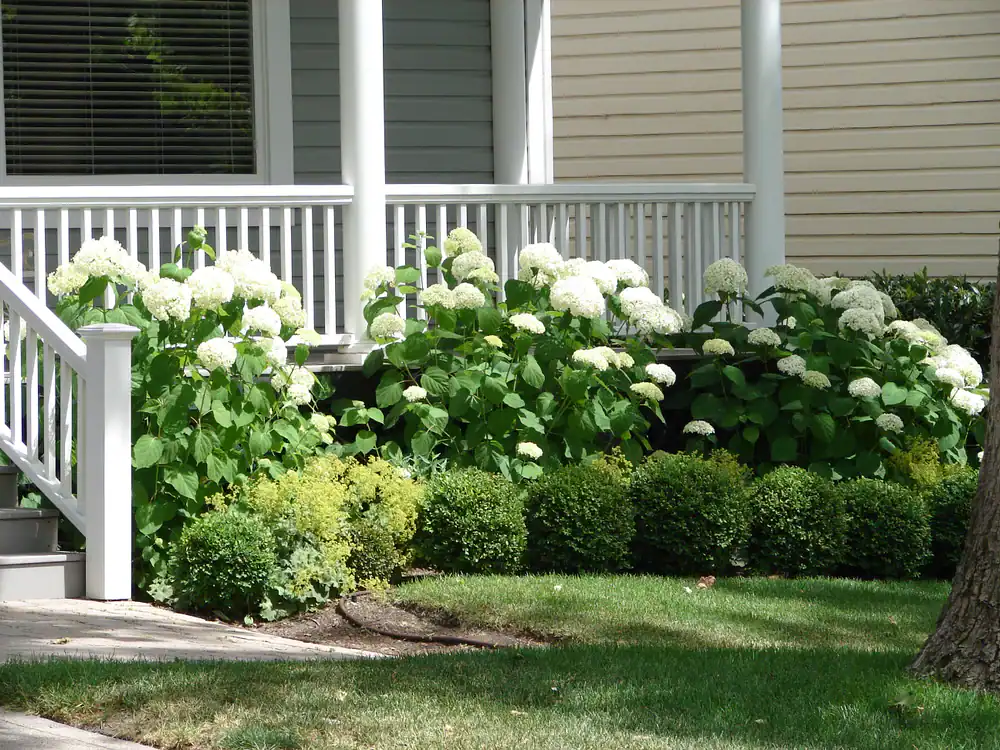
The basics — lawn care, tree trimming, mulch installation, spring and fall cleanups — are just the starting point. A complete checklist for a Suffolk County home also includes drainage assessment, driveway condition, tree health after storm season, and bed maintenance before the growing season takes off. Miss one category and it tends to compound into the next.

When you’re searching for a landscaping company in Suffolk County, you’re not looking for a brochure. You want to know: will this company actually show up, will they do the job properly, and will I have to babysit the whole thing? Those are fair questions, because the local contractor market here has enough horror stories to make anyone cautious.
The first thing worth verifying is licensing. In Suffolk County, home improvement contractors — including landscaping companies — are required to be licensed through the Office of Consumer Affairs and must carry liability insurance and workers’ compensation. This isn’t a formality. Working with an unlicensed contractor means you have no legal recourse if something goes wrong, and the contractor has no legal right to payment. You can verify any contractor’s license directly through the county. If a company won’t give you their license number, that tells you something.
Beyond licensing, the practical things matter just as much. Does the company respond quickly, or do you leave a voicemail and wait? Do they give you a clear scope of work before anything starts, or do you find out the price at the end? Do they send the same crew consistently, or is it a different group every time? These aren’t small details — they’re the difference between a contractor you’ll call again and one you’ll warn your neighbors about.
Local knowledge also matters more than most people realize. Smithtown’s pitch pines, white oaks, and scarlet oaks require specific pruning approaches and timing. Long Island’s sandy, acidic soil affects how lawns respond to fertilization and how trees anchor in high winds. A company that works exclusively in Suffolk County will know these things without you having to explain them. A company that covers half the Northeast may not.
We’re based in Smithtown and serve communities throughout Suffolk County — Kings Park, St. James, Hauppauge, Commack, Nesconset, Stony Brook, and beyond. We know the soil, the trees, the seasonal patterns, and the specific kind of wear this climate puts on residential properties. That’s not a marketing line — it’s just the reality of doing this work here for years.
Here’s a situation most Smithtown homeowners have been in at least once: you call one company for the lawn, another for the trees, a third for the driveway, and then realize the excavation work you need done requires yet another contractor. Each one has their own schedule, their own communication style, and their own definition of “we’ll be there Tuesday.” Coordinating all of it becomes a part-time job.
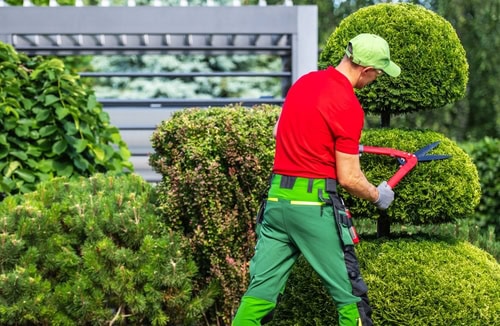
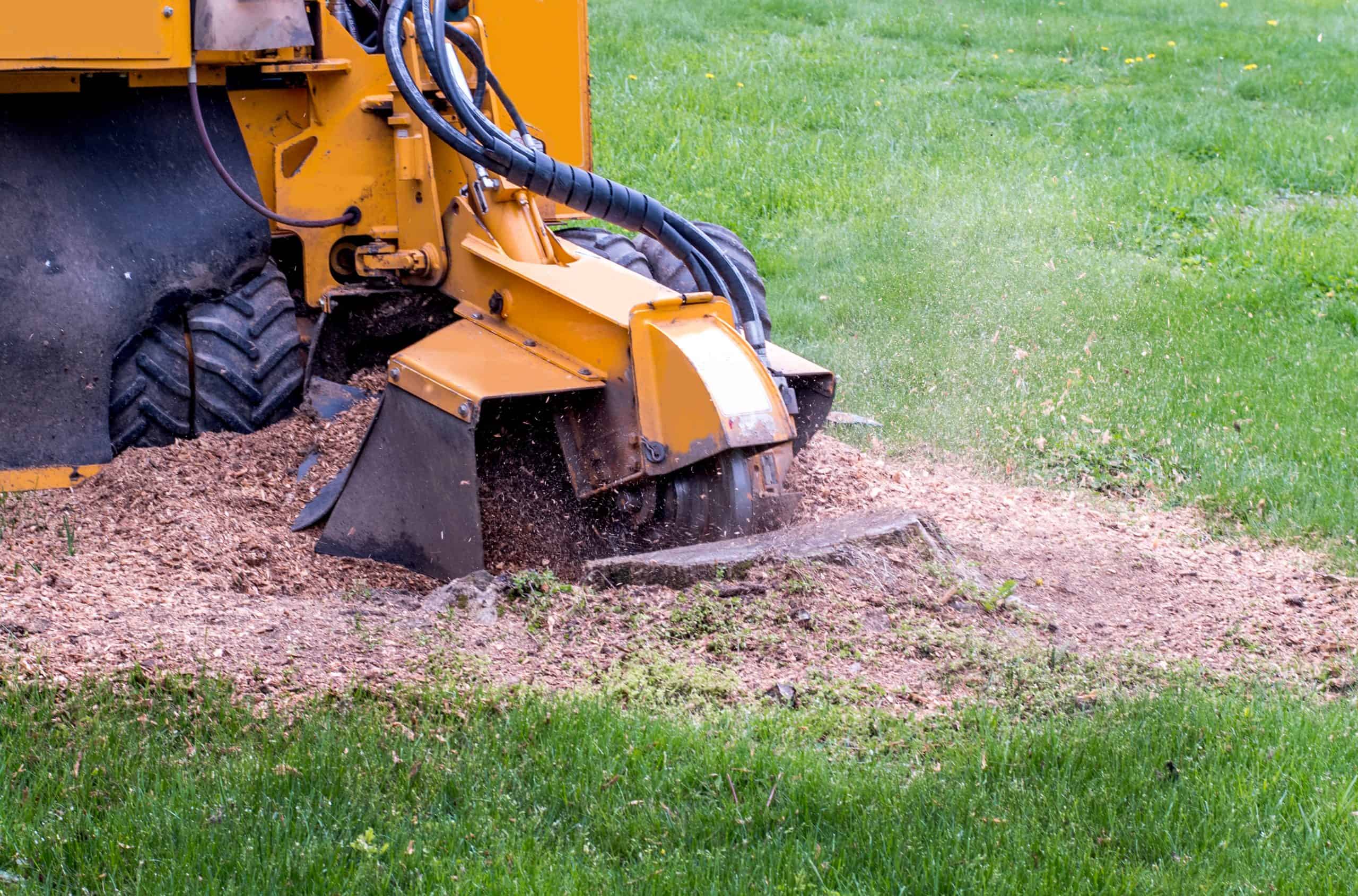
The alternative is working with a company that handles all of it. Not every landscaping company can honestly say that — most specialize in one or two categories. But we cover the full range: lawn maintenance, tree trimming and removal, stump grinding, mulch installation, spring and fall cleanups, brush removal, land clearing, grading, excavation, sod installation, flower bed creation, privacy tree installation, driveway sealing, and commercial snow removal.
This matters because your property doesn’t separate itself into neat categories. When the same company knows your property across all those services, we also notice things. We see the drainage issue forming near the foundation before it becomes a repair. We know which trees took damage in last February’s nor’easter. We understand the full picture because we’ve been working on it consistently — not showing up once a year for a single job and leaving.
For homeowners in Suffolk County who are managing properties worth $500,000 or more — and Smithtown’s median home value sits around $704,700 — deferred maintenance isn’t just an inconvenience. It’s a financial risk. Protecting that investment means staying ahead of the seasonal calendar, not catching up to it in a panic every spring.
Want live answers?
Connect with a Rolling Hills Property Services Inc expert for fast, friendly support.
These are the questions we hear most often from homeowners across Smithtown, Kings Park, Hauppauge, and the surrounding towns. Some have short answers. Some deserve more explanation. All of them are worth knowing before you hire anyone.

Yes — and this is one of the most important things to understand before signing anything. Suffolk County requires home improvement contractors to be licensed through the Office of Consumer Affairs. The definition of “home improvement” is broad and explicitly covers landscaping, along with fencing, masonry, driveways, roofing, and more. Contractors must also carry proof of liability insurance and workers’ compensation — not just claim to have it, but furnish actual certificates on request.
There’s a real consequence to skipping this step. If a contractor performs work without the proper license in Suffolk County, they forfeit their legal right to collect payment — but more importantly, you as the homeowner are left exposed if something goes wrong on your property. An injury on an uninsured job site can become your liability. Damage to a neighbor’s property with no coverage behind it becomes your problem to resolve.
Some towns within Suffolk County — East Hampton, Southampton, and Shelter Island among them — require separate local licenses in addition to the county license. If your property is in one of those areas, it’s worth asking specifically about local licensing before any work begins.
We’re fully licensed and insured. We carry the documentation, and we’re happy to provide it. That’s not an unusual request — it’s a reasonable one, and any legitimate contractor should expect it.
The honest answer is that Long Island’s four distinct seasons essentially answer this question for you. There’s no single annual visit that covers everything — the climate is too variable and the maintenance calendar too specific for that approach to work.
Spring is the most urgent window. After a Suffolk County winter, properties typically need cleanup from storm debris, assessment of any tree damage, lawn aeration and fertilization to recover from freeze-thaw stress, and driveway inspection for cracking. This is also when homeowners who skipped fall cleanup are dealing with the compounded consequences — matted leaves, stressed turf, and overgrown beds that are now competing with spring growth.
Summer shifts toward active maintenance: regular mowing and edging, bed weeding, mulch refresh, and monitoring for pest or disease pressure on trees and shrubs. Long Island’s humidity creates conditions that can accelerate certain tree diseases, and catching problems early is far less expensive than addressing them after they’ve progressed.
Fall is preparation season. Cleanups, overseeding, fertilization before dormancy, and getting trees assessed before winter storms arrive. Driveway sealing — which we recommend every two to three years in Suffolk County’s conditions — is best completed before temperatures drop, typically late spring through early fall.
Winter doesn’t mean nothing happens. Commercial snow removal is its own category, and pre-storm preparation — making sure trees aren’t positioned to cause damage in a nor’easter — is something worth addressing in late fall rather than after the fact.
If you’re a property manager overseeing multiple properties in Suffolk County, a consistent year-round schedule with one company is almost always more efficient than coordinating seasonal contractors separately. The continuity alone tends to catch problems earlier.
Most of the frustration homeowners feel with contractors comes down to one thing: the company didn’t do what they said they would, when they said they’d do it. That’s a low bar, but it’s the one that matters most.
If you’re looking for property maintenance help in Smithtown or anywhere in Suffolk County, start with the basics — licensed, insured, responsive, and local enough to actually know what they’re dealing with. Then look at whether they can handle more than one category of work, because your property will eventually need more than one thing at a time.
We handle the full range — from routine lawn care to tree removal, excavation, hardscaping, and seasonal cleanup — all out of Smithtown, for homeowners and property managers across Suffolk County. If you want to talk through what your property needs, you can text us at 631-652-8035 for fast pricing and availability, or reach us Monday through Friday, 9am to 5pm. Free quotes, no pressure.
Article details:
Share:
Continue learning: