Suffolk County's fall cleanup window is shorter than most homeowners realize — and the best companies fill up fast. Here's what you need to know before the first freeze hits.
Share:
Summary:
Most Suffolk County homeowners think about fall cleanup when they see leaves piling up on the lawn. By that point, the calendar is already working against you. The best lawn care companies in Suffolk County fill their fall schedules weeks before the first hard freeze — and the homeowners who wait until late October are usually the ones left scrambling.
This guide breaks down what a real fall cleanup involves, what your lawn actually needs before winter, and why the timing matters more than most people think. Whether you’re doing it yourself or looking for someone to handle it, here’s what you need to know before the season closes.
Fall lawn care looks different on Long Island than it does almost anywhere else in the Northeast. Suffolk County properties deal with a multi-wave leaf drop that runs from mid-October through late November, driven by a mix of oaks, maples, and sweet gum trees — many of them fully mature and dropping serious volume.
One cleanup visit in October doesn’t cut it. By the time you’ve cleared the yard, another layer has come down. This isn’t a problem you can solve with a single appointment.
Beyond the leaves, there’s the soil to think about. Inland areas like Smithtown, Centereach, and Commack sit on heavier, clay-influenced soils that compact over time and quietly cut off oxygen to the root zone. Down toward the south shore — Bay Shore, Patchogue, Babylon — the soils shift to sandy loam that drains fast and leaches nutrients before the grass can use them.
Both soil types create problems heading into winter, and both require fall intervention. Just different kinds.
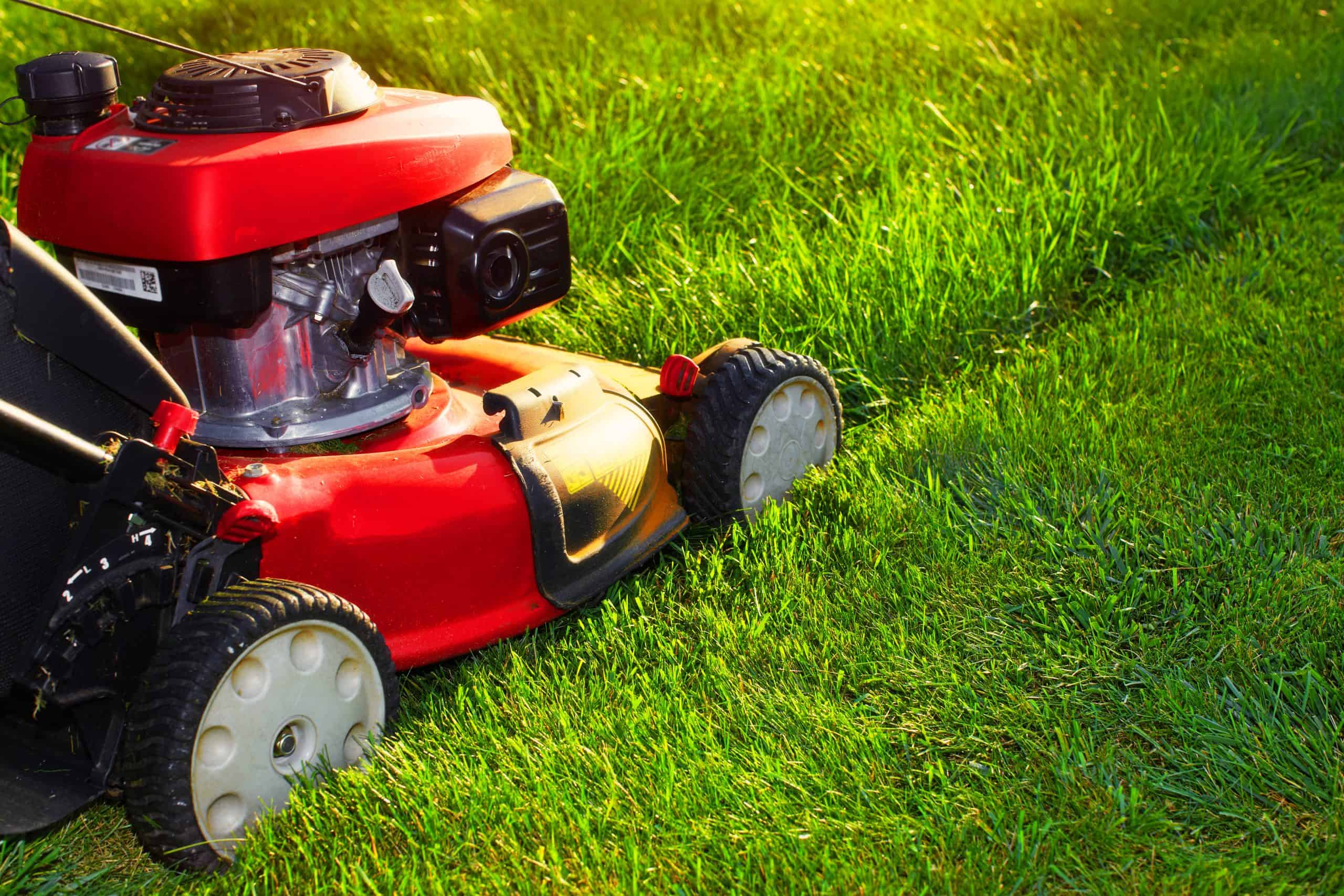
Here’s where most homeowners get it wrong. They think fall cleanup means raking leaves and calling it done. But the debris removal is really just the starting point. What happens underneath — and in what order — is what determines how your lawn comes back in spring.
The sequence matters. You want to aerate before you overseed, because the core aeration opens up the soil and gives new seed direct contact with the ground. You want to overseed before you fertilize, so the fertilizer feeds the new growth rather than just the existing turf.
You also want to time the fertilizer application correctly. New York State restricts applications near water bodies, and with Suffolk County’s proximity to the Great South Bay and Long Island Sound, those rules apply to more properties than most homeowners realize. A licensed professional knows where the lines are. A crew without proper credentials often doesn’t.
Soil testing fits in here too, and fall is actually the best time to do it — ideally before you aerate and overseed. A soil test tells you whether you’re dealing with pH imbalance, nutrient deficiency, or compaction that goes deeper than surface-level. It’s not mandatory, but if your lawn has disappointed you for more than one season, it’s worth doing before you spend money on seed and fertilizer that won’t perform the way you’re expecting.
Weed control is another piece that gets skipped in a basic cleanup. Fall is when cool-season weeds are actively establishing themselves, and treating them in October is far more effective than trying to knock them back in spring when they’re already entrenched. Getting ahead of it now saves you a harder fight later.
The point is that fall lawn treatment is a sequence, not a single task. When you skip steps or do them out of order, you’re not just leaving work undone — you’re undermining the steps you did complete.
This is the part most homeowners don’t find out until they’ve already made the mistake. Suffolk County’s tree canopy doesn’t drop all at once. Maples tend to go early, in waves through October. Oaks — especially pin oaks, which are common throughout Smithtown, Kings Park, and Huntington — hold their leaves well into November. Sweet gums keep shedding into December.
If you clear the yard in mid-October, you’re looking at three or four more weeks of accumulation before the season is actually over.
That matters because wet leaves left on a lawn for more than a few days start doing real damage. They block sunlight, trap moisture, and create the kind of humid, airless environment where fungal disease takes hold. A thick enough layer of matted leaves will suffocate a section of grass entirely, leaving you with dead patches that don’t recover until late spring — if they recover at all.
Most Suffolk County properties with significant tree coverage need at least two to three cleanup visits between late September and mid-November, spaced out to stay ahead of the drop rather than react to it. That’s not an upsell — it’s just the reality of the leaf cycle here. A single appointment might look thorough the day it happens, but two weeks later the lawn tells a different story.
This is also why the scheduling urgency is real, not manufactured. When you’re trying to fit in multiple visits across a six-to-eight-week window, and every other homeowner in the county is trying to do the same thing, the companies with capacity fill up fast. Calling in late October is often too late to get on the calendar for the full sequence of visits your lawn actually needs.
Want live answers?
Connect with a Rolling Hills Property Services Inc expert for fast, friendly support.
If your lawn keeps coming back thin and patchy despite regular fertilizing, compaction is likely the reason — and aeration is the fix. Core aeration pulls small plugs of soil out of the ground, opening up channels for air, water, and nutrients to reach the root zone. It’s not dramatic to look at, but the effect on a compacted lawn is significant.
On Long Island, the case for fall aeration is especially strong. The freeze-thaw cycles that run through November, December, and February put compacted soil under repeated stress, and a root system that can’t access water and nutrients before dormancy is far more vulnerable to winter kill. Aeration before the first freeze gives the lawn a better shot at coming through winter in solid condition.

The honest answer is that it depends on your soil type — and in Suffolk County, that varies more than most people expect across relatively short distances.
Clay-influenced soils, which are common in inland areas like Smithtown and Centereach, compact easily and tend to need annual aeration. The density of clay particles means the soil closes back up over the course of a season, and without regular aeration, compaction becomes a chronic problem rather than an occasional one. If you’re in one of these areas and your lawn has felt spongy in wet weather but hard and dry in summer, compaction is almost certainly part of what’s going on.
Sandy loam soils, more common toward the south shore in Bay Shore and Patchogue, are less prone to compaction but come with their own challenge: they drain and leach nutrients so fast that the grass struggles to absorb what it needs. Aeration on sandy soils isn’t about breaking up compaction — it’s about creating better root-zone access so nutrients have a chance to be absorbed before they wash through. For these soils, aeration every two to three years is typically sufficient, though properties with heavy foot traffic may need it more often.
Loam soils fall somewhere in the middle — generally every one to three years, depending on how the lawn is used and how it responds season to season.
The practical takeaway: if you don’t know your soil type and your lawn has been underperforming, a soil test in early fall will tell you more than any general guideline can. If you’re in Smithtown or anywhere in the inland areas of Suffolk County, annual aeration is probably not overkill — it’s just good maintenance.
Searching for a yard service near you in Suffolk County will return a long list of options. The harder question is which ones are worth calling. After a season or two of dealing with companies that showed up once and disappeared, or gave you a quote and handed you a bigger bill, most homeowners get pretty specific about what they’re looking for.
A few things are worth confirming before you book anyone. First, make sure they’re fully licensed and insured. In New York State, companies applying pesticides — including fertilizers and weed control products — are required to hold a commercial pesticide applicator license from the NYS Department of Environmental Conservation. If a company is applying product to your lawn without that license, you’re taking on risk you don’t know about. And if a crew member is injured on your property and the company isn’t properly insured, the liability conversation gets complicated fast.
Second, ask what the cleanup actually includes. There’s a wide gap between a company that blows leaves to the curb and a company that removes debris entirely, aerates, overseeds bare spots, and sequences the whole thing correctly. The scope of work matters, and a reputable provider should be able to walk you through exactly what’s happening on each visit.
Third, ask about debris removal. Suffolk County has specific disposal regulations, and not every company has established disposal partnerships that handle it properly. The last thing you want is a pile of leaf bags sitting on your property because the crew didn’t have a disposal plan.
We’re based in Smithtown and serve all of Suffolk County — from Huntington and Kings Park out to Babylon, Bay Shore, Patchogue, and beyond. We offer free estimates with a clear pricing breakdown before any work starts, so you know exactly what you’re getting into. Text us at 631-652-8035 if you want a fast answer on availability and pricing.
The short answer: earlier than you think. The fall treatment window on Long Island runs roughly from late September through mid-November. That’s six to eight weeks to get aeration, overseeding, fertilization, and multiple cleanup visits done before the first hard freeze complicates everything.
Companies with strong reputations fill their calendars during that window, and homeowners who call in late October often find they’ve already missed the best slots.
The debris you remove, the soil you open up, the timing you get right — all of it adds up to a lawn that can handle Suffolk County’s temperature extremes and come back healthy in spring. Skip the sequence or compress it into one rushed visit, and you’re dealing with the consequences from April onward.
If you’re ready to get on the calendar before the rush, Rolling Hills Property Services Inc is taking fall cleanup bookings for Suffolk County now. Reach out for a free estimate and we’ll walk you through exactly what your property needs before the season closes.
Article details:
Share:
Continue learning: