A tree comes down and suddenly everything stops. Here's what Suffolk County homeowners need to know before making that first call.
Share:
Summary:
It’s midnight. The wind is howling, something hits the roof, and when you look outside, a tree is down. Maybe it’s blocking the driveway. Maybe it landed on your fence. Maybe it’s worse than that. Whatever the situation, your first instinct is to find someone who can help — fast.
This page is for that moment. We’re going to walk you through what to do immediately after a tree comes down, what emergency tree cutting actually costs here in Suffolk County, how your homeowners insurance might factor in, and how to tell a trustworthy local company from someone just chasing storm work. By the end, you’ll know exactly what to do next.
Before you call anyone, take a breath and assess the situation from a safe distance. If the tree has come down on your house, a vehicle, or near any power lines, do not approach it. Downed lines are not always visibly sparking — they can be energized and deadly. If you suspect a line is involved, call PSEG Long Island and keep everyone away from the area until they confirm it’s safe.
Once you’ve established that it’s safe to be outside, document everything. Take photos and video of the tree, the damage, and the surrounding area before any cleanup begins. If the tree has fallen on a structure — your roof, a shed, a fence — contact your homeowners insurance company before the tree is removed. Insurers often need to send an adjuster to assess the damage first, and removing the tree prematurely can complicate your claim.

Not every emergency starts with a crash in the night. Some of the most dangerous situations on Suffolk County properties are the ones that haven’t happened yet — the tree that’s leaning a little more than it used to, the major branch that cracked in last month’s storm and never came all the way down, the old oak whose roots are visibly lifting out of the ground after a week of heavy rain.
Suffolk County’s sandy soil is part of why this happens here more than people expect. Sandy soil doesn’t grip root systems the way denser soils do. When the ground gets saturated — which happens quickly during nor’easters and summer downpours — even a tree that looks perfectly healthy can uproot without much warning. That’s not a rare edge case on Long Island. It’s a known local risk.
There are specific warning signs worth knowing. A sudden lean that wasn’t there before is a red flag, especially after a storm. Cracks or splits in the main trunk or at major branch unions are serious. Mushroom growth around the base of the tree often signals internal decay that isn’t visible from the outside. Bark that’s peeling away in large sections, dead branches concentrated at the top of the canopy, and roots that appear damaged or severed are all reasons to get a professional assessment sooner rather than later.
The reason it matters to call before a tree falls — not just after — is practical. When a storm is on the way and everyone in Suffolk County is calling at once, response times stretch and availability tightens. If you’ve already had a certified arborist assess a tree and flag it as a hazard, you’re ahead of the situation instead of reacting to it. That’s a much better place to be.
After a significant storm hits Suffolk County, the calls and door knocks start almost immediately. Some of those companies are legitimate local crews who’ve been doing this work for years. Others are out-of-area contractors who follow storm damage the way some people follow concerts — they show up, take the money, and move on.
The difference matters more than most homeowners realize. An unlicensed, uninsured crew working on your property creates liability exposure for you. If a worker is injured on your property and the company doesn’t carry workers’ compensation insurance, you could be on the hook. If the work is done incorrectly and a tree falls a second time, you have no recourse against a company that’s already left the area.
A few things that should give you pause: any company that demands full cash payment before work begins is a red flag. Legitimate tree services will provide a written estimate before touching anything, and they won’t pressure you to sign on the spot. If someone can’t give you a verifiable local address, a license number, or proof of insurance on request, that’s a problem. The same goes for a company that quotes a price verbally and then presents a higher number when the job is done.
In New York, the word “arborist” is not a protected title. Any company can use it without holding any formal certification. An ISA Certified Arborist has completed a minimum of three years of professional tree care experience and passed a comprehensive exam — that credential means something. A business license tells you a company is legally operating. It doesn’t tell you whether the person climbing your tree knows what they’re doing. Asking for both — proof of insurance and a verifiable credential — takes about two minutes and can save you a significant amount of trouble.
Want live answers?
Connect with a Rolling Hills Property Services Inc expert for fast, friendly support.
Once you’ve made the call and a crew is on the way, here’s what a professional emergency fallen tree removal should look like from start to finish. The first step is always a damage assessment — a thorough look at the tree, the surrounding structures, and any hazards like power lines or compromised soil before any cutting begins. Skipping this step is how secondary damage happens.
From there, the crew uses rigging, ropes, and controlled felling techniques to remove the tree in sections — particularly important when the tree is near a structure, a vehicle, or a confined space. Once the tree is down and sectioned, debris cleanup and hauling should be part of the job, not an add-on you negotiate separately at the end.
Cost is the question almost everyone has and almost no one gets a straight answer on. So here’s what the data actually shows for this area.
Emergency tree removal costs more than standard tree removal — typically two to three times more, depending on the complexity of the job, the size of the tree, and when you need the work done. According to industry data, emergency tree removal ranges from $879 to $6,150. Jobs performed at night, on weekends, or during holidays carry an additional premium of 30% to 100% over standard daytime rates.
For context, homeowners in Kings Park, Suffolk County, pay an average of $1,106 for emergency tree removal specifically, compared to a standard average of $738 for routine removal. Several factors drive the cost up or down. Tree height and trunk diameter are the biggest variables. A small ornamental tree that comes down in a storm is a very different job than a mature white oak with a trunk three feet across.
Proximity to structures matters — removing a tree that’s leaning against a house requires a level of precision and rigging that adds time and complexity. Whether the tree has already fallen or is still standing and hazardous also affects the price; a tree that’s already on the ground is generally simpler to remove than one that needs to be taken down in a controlled sequence.
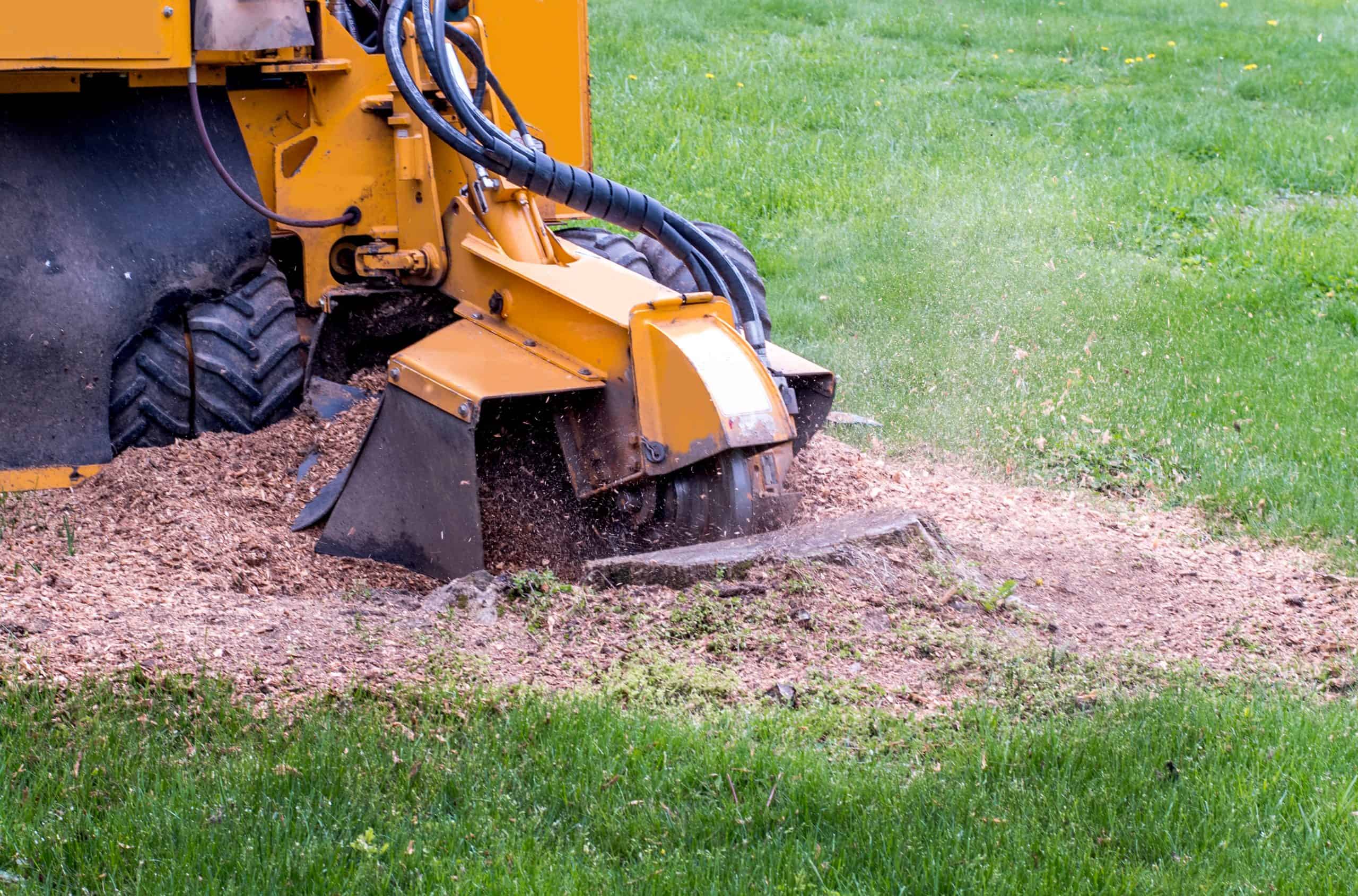
Stump removal is rarely included in a base quote. If you want the stump ground down, that’s typically a separate line item — plan for it and ask upfront so there are no surprises at the end.
One more thing worth knowing: homeowners insurance frequently covers emergency tree removal when the cause is a covered storm event. The coverage often depends on whether the tree caused damage to a structure. If it did, document everything before removal begins and contact your insurer before the crew starts cutting. If the tree fell in your yard without hitting anything, coverage is less common — but it’s still worth a call to your insurer to confirm.
When you call for emergency tree cutting service after a storm, the most important thing you want to know is simple: can someone actually come? And if so, when?
The honest answer is that response time depends on the severity of what just hit Suffolk County. After a major nor’easter or a named storm, every tree service in the area is fielding calls simultaneously. That’s just the reality of living in a storm corridor. What separates a company that’s actually equipped for 24-hour response from one that just says it is comes down to crew availability, equipment on hand, and how they prioritize genuinely urgent situations — a tree on a roof versus a tree in an open yard are not the same level of emergency, and a good company will be upfront about that.
What you should expect from a legitimate 24-hour tree service: a real person answering when you call, not a voicemail. A clear conversation about what’s happening on your property, what the crew will assess when they arrive, and an honest timeline. A written estimate before work begins — not a verbal number that changes when the job is done. And complete cleanup when the work is finished, not a pile of debris left at the curb for you to deal with later.
Here in Suffolk County, there’s an added layer of complexity that out-of-area crews often aren’t prepared for. The sandy soil means that even trees adjacent to the one that fell can have compromised root systems — a professional crew will check for secondary hazards before calling the job complete. Salt air along the South Shore and Long Island Sound communities can accelerate internal decay in ways that aren’t obvious from the outside.
Mature trees in communities like Smithtown, Commack, Stony Brook, and Kings Park — many of them 50 to 80 years old — often have structural histories that require more than a chainsaw and a truck to handle safely. When you’re evaluating who to call, local experience with Suffolk County’s specific conditions isn’t a marketing line. It’s a practical consideration that affects how the job gets done.
When a tree comes down, you don’t have time to overthink it — but you do have time to make one smart decision before you call. Ask for a written estimate. Confirm they’re licensed and insured. Make sure they’re actually local, not just claiming to be. And if a tree has landed on your house, call your insurer before anyone starts cutting.
Emergency tree situations in Suffolk County are stressful, expensive, and time-sensitive. The best outcome is a crew that shows up when they say they will, does the work safely, explains the cost clearly before they start, and leaves your property clean when they’re done.
If you’re dealing with a tree emergency in Suffolk County right now, or you want an honest assessment of a tree you’ve been watching with concern, we at Rolling Hills Property Services Inc are available to help. Call or text 631-652-8035 for fast pricing and availability.
Article details:
Share:
Continue learning: