
Hear from Our Customers

You’re not spending Saturday mornings bent over pulling weeds that come back two weeks later. Your garden beds stay clean because the roots actually get removed, not just snapped off at soil level.
Dense suburban neighborhoods like yours have established plantings that need careful attention. When weeds take hold in mulched beds, they compete with your perennials and shrubs for water and nutrients. That’s especially true in Medford’s sandy soil, where roots spread fast once they establish.
Professional manual weed removal means someone who knows the difference between a weed seedling and your emerging hostas is doing the work. Your landscape investment stays protected. Your curb appeal stays consistent. And you get your weekends back for things that actually matter to you.
We’re based right here in Smithtown, serving Suffolk County homeowners who want reliable residential weed control without the runaround. We’re licensed, insured, and we’ve been handling Long Island’s specific landscape challenges long enough to know what works and what’s a waste of your money.
Medford properties have their own quirks. The sandy soil drains fast, which means weeds can establish quickly between spring rains and summer dry spells. Your dense suburban garden beds need someone who understands how to work around mature plantings without damaging root systems.
We show up when we say we will. We communicate clearly about what needs doing and why. And we don’t leave until your property looks the way it should.

First, we walk your property with you or assess it on our own if you’re not around. We’re looking at what’s growing where, what’s weed pressure versus what’s intentional groundcover, and where the problem areas are concentrated.
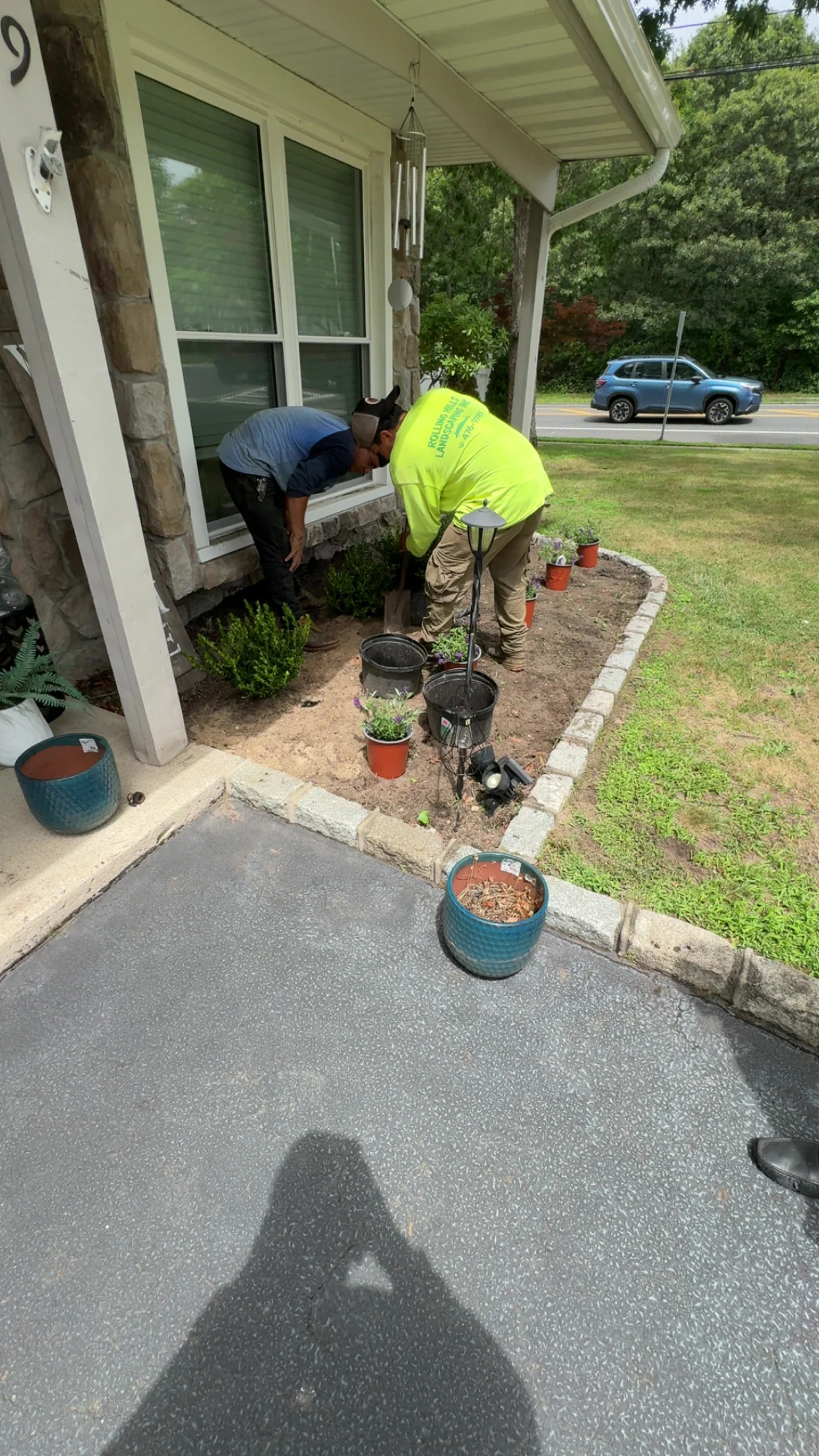
Then we get to work with hand tools, not chemicals. We’re pulling from the base, getting the root crown and as much of the root system as possible. That’s what stops regrowth. If we just rip the top off, you’ll see the same weed in two weeks. We pull it right, which takes longer but actually solves the problem.
We work around your perennials, shrubs, and decorative plantings carefully. If something’s questionable, we ask or leave it alone. Once we’re done, we haul away all the debris. You’re not left with piles of pulled weeds sitting in your driveway or by the curb.
Depending on your property and the season, we can set up a maintenance schedule that keeps things under control. Most Medford properties benefit from monthly visits during the growing season, with seasonal cleanups in spring and fall when weed pressure spikes.

Ready to get started?
You get thorough hand-weeding of all garden beds, mulched areas, and landscape borders. We’re not doing a quick pass and calling it done. We’re working methodically through each bed, removing everything that doesn’t belong there.
In Medford’s established neighborhoods, that often means working around mature hostas, daylilies, ornamental grasses, and shrub plantings that have been there for years. We know what those look like at different growth stages, so we’re not accidentally pulling your expensive perennials thinking they’re weeds.
Seasonal weeding and mulching go hand in hand here. Spring cleanup addresses winter debris and early weed emergence before things get out of control. Summer maintenance keeps beds looking sharp when growth is most aggressive. Fall cleanup prepares beds for winter and removes seed heads before they spread next year’s problem.
Suffolk County’s sandy soil and maritime climate create specific challenges. Weeds establish quickly when conditions are right, but they also pull easier when the ground has some moisture. We time our visits based on what’s actually happening with your landscape, not just a random calendar schedule.

Most properties benefit from monthly visits during the growing season, roughly April through October. That keeps weed pressure manageable before things get out of hand.
If your beds are heavily mulched and you’ve had consistent maintenance, you might stretch that to every six weeks. If your beds have been neglected or you’re dealing with perennial weeds that spread aggressively, you might need more frequent attention initially to get things under control.
Spring and fall are when weed pressure spikes in Medford. Spring brings a flush of annual weeds from seeds that overwintered, and fall brings another wave as temperatures cool and we get more rain. Those are the times when skipping a visit can set you back significantly. Once weeds go to seed, you’re dealing with exponentially more plants the following season.
Hand-pulling removes the entire plant including the root system, which stops regrowth. Chemical weed killers kill what’s above ground, but many perennial weeds will resprout from roots left in the soil.
There’s also the issue of what’s growing nearby. In dense garden beds with perennials, shrubs, and groundcovers all close together, herbicides can drift or leach into root zones of plants you want to keep. Hand-pulling lets us work precisely around valuable plantings without risking damage.
For properties with pets, kids, or concerns about chemical use, manual removal eliminates that variable entirely. You’re not waiting for re-entry periods or worrying about what’s being absorbed into your soil. The tradeoff is that hand-pulling takes more time and labor, which is why it costs more than a spray application. But for established landscape beds where you’ve invested in quality plantings, it’s the smarter approach.
Not when it’s done correctly by someone who knows what they’re looking at. The risk comes from inexperienced weeding where people grab everything green and yank without checking what it is first.
We work carefully around root zones of established plants. If a weed is growing right up against a perennial crown or within a shrub’s root system, we remove it without disturbing the plant you want to keep. That sometimes means using smaller hand tools or working more slowly, but it prevents damage that takes months to recover from.
Early spring is when mistakes happen most often because many perennials emerge looking similar to weed seedlings. Hostas, daylilies, and other common Medford landscape plants can get pulled accidentally if you’re not paying attention. We know what we’re looking at in different seasons, which is half the value of hiring someone with local experience versus trying to DIY it or hiring the cheapest crew you can find.
It depends on property size, how neglected the beds are, and how often you want service. For an average Medford property with established garden beds, expect monthly maintenance to run a few hundred dollars per visit.
Initial cleanups cost more because there’s more work involved. If your beds haven’t been maintained and weeds have established deep root systems, that first visit takes significantly longer. Once we get things under control, maintenance visits are faster and less expensive.
We price based on actual conditions, not just square footage. A heavily weeded bed with perennial weeds that require careful removal takes longer than a lightly weeded bed with just surface annuals. We’ll give you a clear estimate after seeing your property so you know what you’re paying for. No surprise charges, no vague “depends on what we find” pricing that changes after we start.
You’re dealing with a mix of annual and perennial weeds that thrive in Long Island’s sandy soil and maritime climate. Crabgrass, chickweed, and purslane are common annuals that spread quickly in mulched beds during summer.
Perennial weeds are the bigger problem because they come back year after year if you don’t remove the root system. Dandelions, plantain, clover, and ground ivy establish deep roots that survive winter. Japanese knotweed and mugwort can take over entire beds if left unchecked, and they’re extremely difficult to remove once established.
Medford’s dense suburban neighborhoods also deal with tree seedlings, especially maple and oak, that sprout in garden beds from nearby mature trees. Those need to be pulled when they’re small because once they establish a taproot, removal becomes much harder. We catch those early during regular maintenance visits, which saves you from dealing with woody stems and deep roots later.
Complete prevention isn’t realistic because weed seeds blow in from neighboring properties, get dropped by birds, and lie dormant in soil for years. But you can dramatically reduce weed pressure with proper maintenance and mulching.
After we remove existing weeds, a fresh layer of mulch suppresses new seed germination by blocking light. We typically recommend 2-3 inches of mulch in garden beds, refreshed annually. That creates a barrier that makes it harder for weeds to establish, though some aggressive species will still push through.
Regular maintenance visits catch new weeds while they’re small and easy to remove. A weed that’s been growing for two weeks pulls out in seconds. That same weed after two months has a developed root system that takes significant effort to extract. Consistent attention is what keeps your beds looking clean without the constant battle of letting things get out of control and then spending hours trying to catch up.
Other Services we provide in Medford