
Hear from Our Customers

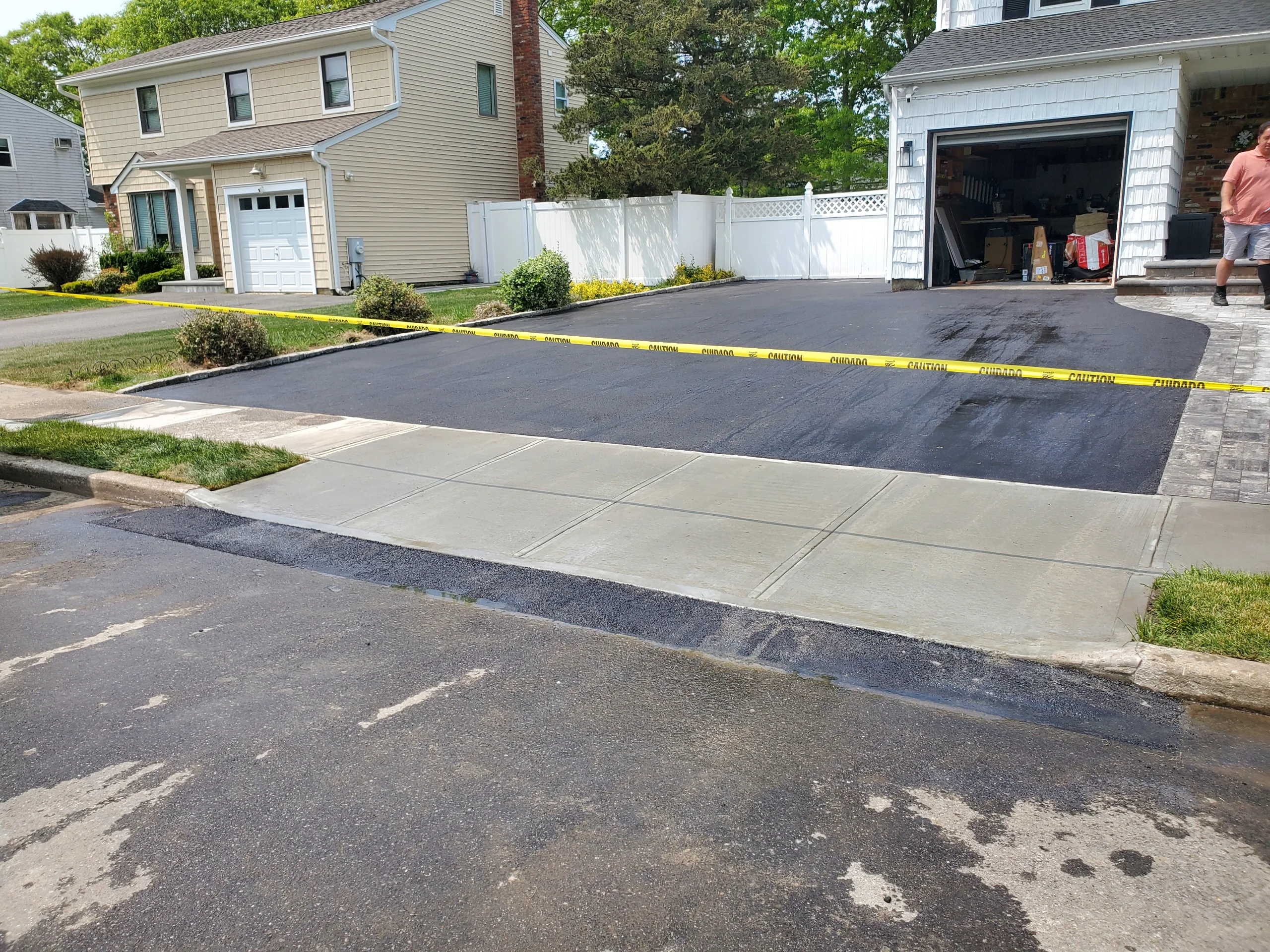
Your driveway apron stops getting destroyed by plows every season. Water drains where it’s supposed to instead of pooling under your walkway and cracking it from below when winter hits.
The concrete work looks clean, the edges hold up, and the grading keeps water moving away from your foundation. That’s what matters when you’re looking at a $30,000+ driveway or dealing with sunken sections that make buyers nervous during a showing.
In Medford, where the median home value sits above $600,000, cracked concrete isn’t just ugly—it signals neglect. Proper masonry flatwork and curb installation done with the right equipment means your property shows well and the work lasts through Long Island winters without constant repairs.
We operate throughout Suffolk County with the heavy machinery needed for proper concrete grading and prep. We’re not a crew with shovels—we use excavators and grading lasers because that’s what it takes to handle Medford’s specific drainage challenges.
When you’re dealing with Long Island’s freeze-thaw cycles and the way plows tear up unprotected driveway edges, the installation has to account for local conditions. We’ve worked enough properties in Medford to know where water goes, how soil settles, and what actually holds up.
We’re fully licensed and insured for masonry and concrete work in New York, with the equipment and experience to do sidewalk repair, Belgian block driveway aprons, and curb installation that doesn’t need a redo in three years.

First, we assess the existing grade and drainage. If water’s been pooling or you’ve got settling issues, we identify why before pouring anything. Most concrete problems in Medford start with poor prep work or ignoring how water moves across your property.
Next comes excavation and grading using actual equipment—not hand tools. For Belgian block aprons or new curbing, we excavate to proper depth, compact the base, and use laser levels to ensure water drains correctly. This is where most contractors cut corners, and it’s why you see failed installations within a few seasons.
Then we install the concrete, masonry, or Belgian block with the right materials for Long Island’s climate. That means mortar mixes that resist salt and freeze-thaw damage, proper joint spacing, and installation techniques that account for ground movement. Once it’s cured, you’ve got concrete work that protects your driveway edge from plow damage and keeps water away from your foundation.

Ready to get started?
Concrete curb installation that actually defines your driveway edge and directs water where it needs to go. Belgian block driveway aprons that stop plow damage and give your property that estate-quality appearance buyers expect in Medford’s higher-end neighborhoods.
Sidewalk repair that addresses the underlying settling issues, not just surface cracks. When sections sink or heave, we fix the base and regrade so the problem doesn’t come back next spring. Masonry flatwork for patios, walkways, and other hardscape features built to handle Long Island weather.
Local concrete grading and prep using excavators and modern equipment because proper drainage matters in Medford. With home values over $600,000 in most neighborhoods here, your concrete work needs to match the property standard. Buyers notice cracked walkways and damaged aprons—they see maintenance issues and start negotiating price down.
We handle projects where the grading matters, where you need equipment to do it right, and where cutting corners means expensive failures. Clear quotes, scheduled around your timeline, and work that’s built to last more than a few seasons.
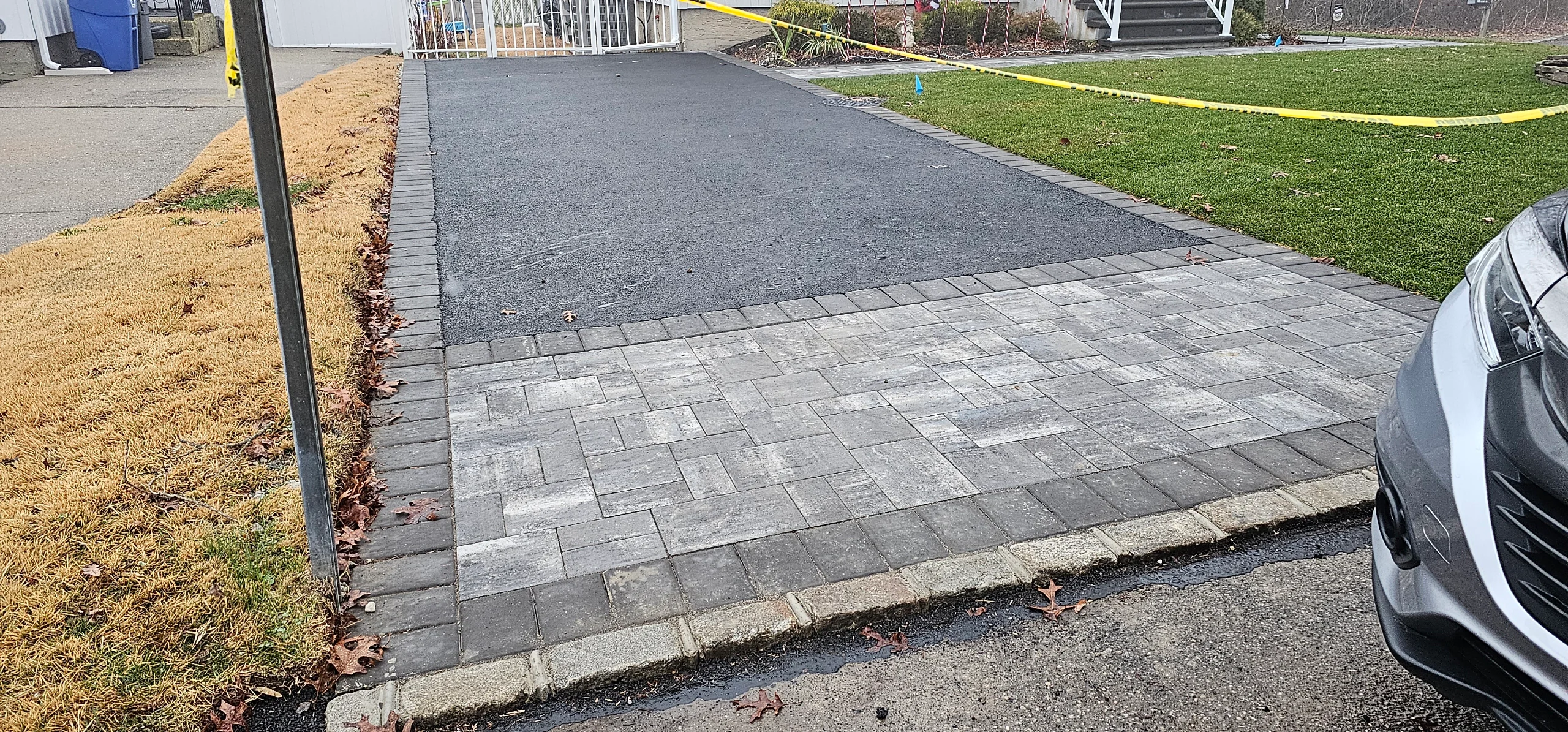
A properly installed Belgian block apron lasts decades—often outliving the driveway itself. Unlike concrete or asphalt edges that crack from plow impact and freeze-thaw cycles, Belgian block is individual stone units that flex with ground movement without breaking.
The key is installation. If the base isn’t excavated deep enough or properly compacted, even Belgian block will settle and shift within a few years. In Medford’s soil conditions, that means going down at least 8-10 inches, using crushed stone base, and setting the blocks with the right mortar mix that resists salt and moisture.
Belgian block also protects your driveway investment. Plows moving fast in winter throw heavy snow and ice that shreds unprotected asphalt edges. A Belgian block apron takes that impact without damage, which is why you see them on higher-end properties throughout Suffolk County. The upfront cost runs $30-70 per square foot installed, but you’re looking at a permanent solution that adds curb appeal and protects your driveway from the damage that requires expensive repairs.
Water and poor base preparation cause most sidewalk failures here. When water collects underneath concrete slabs, it erodes the soil supporting them. Then winter comes, that water freezes and expands, and you get heaving or cracking that spreads across multiple sections.
Medford’s soil doesn’t drain uniformly, so if the original installation didn’t account for water movement, you’ll see settling within 5-10 years. Slabs sink where soil washes out, creating trip hazards and letting more water collect in the low spots. It’s a cycle that gets worse every season until you’re looking at liability issues and property value concerns.
Fixing it properly means addressing the drainage, not just patching cracks or mud-jacking sunken sections. We excavate problem areas, regrade for proper water flow, compact a new base, and pour new concrete with control joints placed correctly. A well-installed concrete sidewalk lasts 30+ years in Long Island’s climate, but only if the prep work handles water correctly from the start. Most sidewalk repairs fail because they treat symptoms instead of fixing why water’s collecting there in the first place.
Yes, but only if it’s done right. Cracked driveways, sunken walkways, and damaged curbing signal deferred maintenance to buyers. In Medford’s competitive market where homes sell in around 41 days, properties show better and appraise higher when the concrete work is clean and functional.
A Belgian block apron or properly installed curbing adds that estate-quality appearance buyers expect in neighborhoods where home values exceed $600,000. It’s not just aesthetics—it demonstrates that the property has been maintained and that major systems like drainage are handled correctly. Buyers and appraisers both notice these details.
The return isn’t always dollar-for-dollar, but quality concrete work prevents value loss and makes your property more competitive. Homes with cracked concrete often face negotiated price reductions or inspection concerns about underlying drainage issues. Investing in proper installation—with correct grading, professional equipment, and materials suited for Long Island’s climate—protects your property value and eliminates a common buyer objection. In Medford’s market with strong appreciation rates, maintaining curb appeal and structural integrity matters for resale.
Drainage design comes first, before any concrete gets poured. We assess how water currently moves across your property, where it pools, and what happens during heavy rain. Medford’s soil conditions and water table mean you can’t just assume water will drain—you have to grade for it specifically.
For driveways and walkways, that means sloping away from your foundation and directing water toward appropriate drainage points. We use grading lasers to ensure consistent slope, typically 2% minimum for concrete surfaces. If there are low spots or areas where water has nowhere to go, we address those during excavation before the base goes in.
Sometimes proper drainage requires more than just surface grading. We might need to install drainage solutions like French drains or adjust the base depth in areas with poor soil. The goal is keeping water from collecting under your concrete, because that’s what causes the settling, cracking, and frost heaving that destroys installations within a few years. In Long Island’s climate with freeze-thaw cycles and significant rainfall, drainage isn’t optional—it’s the difference between concrete work that lasts decades and work that fails within five years.
Equipment and preparation. Cheaper concrete contractors skip proper excavation, use inadequate base material, and don’t grade correctly for drainage. They might hand-dig instead of using excavators, eyeball the slope instead of using laser levels, and pour concrete over poorly compacted fill.
That approach saves money upfront but creates problems within a few seasons. You’ll see settling where the base wasn’t compacted, cracking from poor drainage, and edge damage because the installation wasn’t built to handle plow impact or freeze-thaw cycles. Then you’re paying again to fix or replace work that should have lasted decades.
We use excavators, grading lasers, and proper compaction equipment because that’s what it takes to install concrete correctly in Medford’s conditions. The base gets excavated to proper depth, compacted in lifts, and graded with precision. We use mortar mixes and materials designed for Long Island’s salt exposure and winter weather. The work costs more initially because it’s done right—with equipment, expertise, and materials that account for local soil and climate. But you’re not redoing it in five years, dealing with drainage problems, or watching your property value drop because the concrete work looks neglected.
For foot traffic, typically 24-48 hours depending on weather conditions. For vehicle traffic on driveways or heavier use, you’re looking at 7 days minimum. Concrete reaches about 70% of its full strength in the first week, but full curing takes 28 days.
Temperature and humidity affect curing time significantly. In cooler weather or high humidity, concrete takes longer to cure properly. We’ll give you specific timelines based on the project and current conditions, but rushing it causes surface damage and weakening that shortens the lifespan of your installation.
For Belgian block installations, the timeline depends on the mortar cure. You can usually walk on it within a day or two, but vehicle traffic should wait at least a week to let the mortar fully set. We schedule projects to minimize disruption, but proper curing isn’t negotiable—it’s what determines whether your concrete work lasts 30+ years or starts showing problems within a few seasons. In Medford’s climate with temperature swings and moisture, following cure times matters for long-term durability.
Other Services we provide in Medford