
Hear from Our Customers

Your driveway takes a beating in Holtsville. Twenty-inch frost lines. Freeze-thaw cycles that crack asphalt every few years. Sandy soil that shifts and settles if the base isn’t done right. Most driveways fail because the prep work was rushed or skipped entirely.
When we install a new driveway, you’re getting 8 to 12 inches of excavation, multiple layers of compacted gravel, proper drainage grading, and materials rated to handle over 12,000 pounds per square inch. That’s not overkill for Long Island—it’s what actually works here.
You won’t see cracking in the first winter. You won’t deal with sinking sections or water pooling at the base of your garage. The driveway stays level, drains properly, and holds up under snow plows, salt, and the coastal moisture that destroys cheaper installations. That’s the difference between doing it right once and paying to fix it twice.
Rolling Hills Property Services Inc has been handling property work across Suffolk County for years. We’re based in Smithtown, licensed and insured, and we’ve done enough driveway excavation and grading in Holtsville to know exactly what the soil does when temperatures drop.
We handle the permits with local townships. We mark utilities before we dig. We manage the entire site prep so you’re not coordinating between three different contractors hoping they all show up on time.
Holtsville homeowners deal with sandy soil that doesn’t compact like clay, coastal moisture that weakens subgrade, and frost heave that shifts pavement if the base isn’t deep enough. We account for all of it. You get a driveway built for the conditions you actually have, not a generic install that works somewhere else.

First, we handle the permit paperwork with your township. Most people don’t realize Suffolk County requires permits for driveway work, and skipping that step creates problems later. We take care of it upfront.
Next comes excavation. We dig down 8 to 12 inches depending on your soil conditions and what’s underneath. Holtsville’s sandy soil needs deeper prep than other areas. We remove the existing surface, grade for proper drainage away from your foundation, and make sure the pitch is right so water doesn’t pool.
Then we build the base in layers. First layer is compacted gravel, then a sand leveling layer, then your surface material—asphalt, pavers, or concrete depending on what you chose. Each layer gets compacted properly because that’s what prevents sinking and shifting. We’re not rushing through to get to the next job. The base is what makes or breaks a driveway in Long Island’s climate.
After installation, you’ll see proper drainage, a level surface, and a driveway that can handle freeze-thaw cycles without cracking in the first season. The whole process takes a few days depending on size, and we keep you updated at every stage.

Ready to get started?
You’re getting complete site preparation from excavation to final grading. That includes utility marking, township permit handling, removal of your old driveway, and proper disposal of materials. We’re not leaving debris piled in your yard.
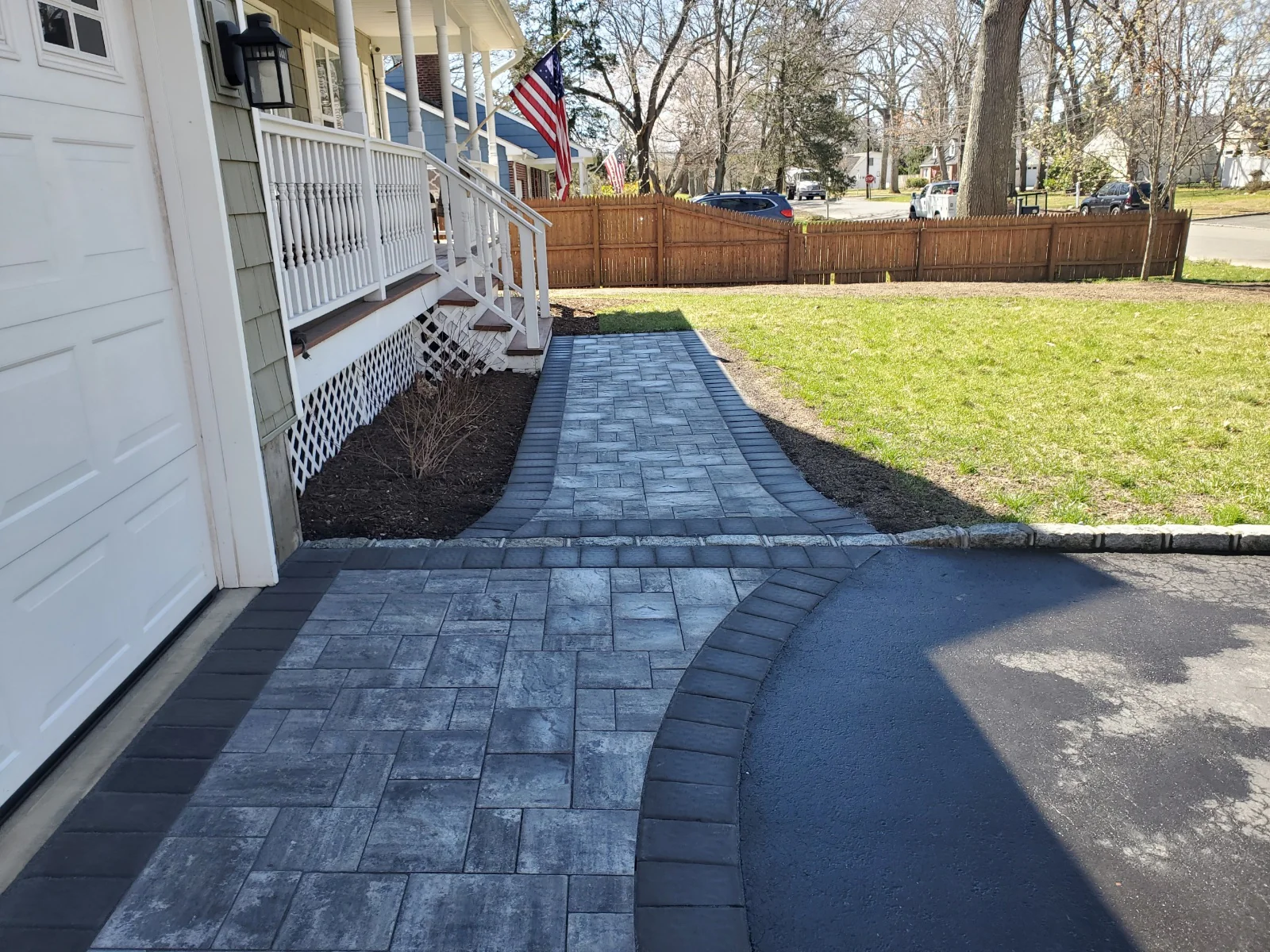
The installation itself includes heavy-duty base layers designed specifically for Holtsville’s 20-inch frost line and sandy soil conditions. We use compacted stone base, sand leveling layers, and drainage systems that account for Long Island’s coastal moisture. Your surface material—whether asphalt, pavers, or concrete—gets installed on a foundation that won’t shift or settle.
Holtsville’s freeze-thaw cycles are brutal. Temperatures drop, moisture in the ground freezes and expands, then thaws and weakens the subgrade. Most driveways crack because the base wasn’t deep enough or the drainage wasn’t planned for these conditions. We build for the worst weather you’ll see, not average conditions.
You also get a driveway that adds real value to your property. Exterior upgrades like driveway paving consistently outperform interior renovations in ROI, especially in Suffolk County where curb appeal and functionality matter to buyers. A properly installed asphalt driveway runs $7 to $15 per square foot depending on prep work and materials. That investment lasts 25 to 50 years with basic maintenance, compared to cheap installs that need repairs within five years.

You need 8 to 12 inches of excavation minimum for Holtsville’s soil and climate conditions. Long Island has a 20-inch frost line, which means the ground freezes deep enough to cause heaving and shifting if your base isn’t properly prepared. Sandy soil—common throughout Holtsville—doesn’t compact the same way clay does, so you need extra depth and multiple compacted layers to prevent settling.
Most driveway failures start with shallow excavation. Contractors who skip proper depth or rush through base prep leave you with cracking, sinking, and drainage problems within a few years. We dig down to stable soil, remove anything that won’t compact properly, and build the base in layers with proper compaction at each stage.
That depth also allows for proper drainage grading. Water needs to flow away from your foundation and off the driveway surface. Coastal moisture in Suffolk County accelerates erosion and weakens subgrade if drainage isn’t planned correctly. The excavation depth gives us room to pitch the surface, install drainage solutions where needed, and make sure your driveway isn’t holding water after storms.
Asphalt is more affordable upfront and handles freeze-thaw cycles well if installed correctly. It costs $7 to $15 per square foot depending on prep work and thickness. Asphalt flexes slightly with temperature changes, which helps in Long Island’s climate. You’ll need to seal it every few years to maintain durability, but it’s a solid choice for most residential driveways in Holtsville.
Pavers cost more—typically $15 to $30 per square foot—but they’re rated to withstand over 12,000 pounds per square inch compared to asphalt’s flexibility or concrete’s 3,000 to 4,000 PSI. Pavers don’t crack the same way solid surfaces do. If one shifts or gets damaged, you replace that paver instead of repaving an entire section. They also handle salt and snow plows better, and they’re available in designs that add more curb appeal than standard asphalt.
Both options work in Holtsville if the base is done right. The real difference is budget, maintenance preference, and how long you plan to stay in the house. Asphalt gives you a clean, functional driveway at a lower cost. Pavers give you durability and design options that increase property value. Either way, the base prep matters more than the surface material when it comes to Long Island’s freeze-thaw cycles and sandy soil.
Yes, most townships in Suffolk County require permits for new driveway construction or replacement work. Holtsville falls under the Town of Brookhaven, which has specific requirements for driveway width, setbacks, drainage, and materials. Skipping the permit process can result in fines, delays, or having to tear out work that doesn’t meet code.
We handle the permit paperwork as part of the installation process. That includes submitting plans, coordinating inspections, and making sure the work meets local building codes. You’re not dealing with township offices or waiting on approvals—we manage that so the project stays on schedule.
Permits also protect you if there’s ever a question about property lines, drainage impact on neighboring properties, or utility locations. The approval process requires utility marking, which prevents accidental damage to underground lines during excavation. It’s not just bureaucracy—it’s documentation that the work was done correctly and legally. When you sell the house, buyers and inspectors won’t flag unpermitted driveway work as a liability.
Most residential driveway installations take three to five days depending on size, excavation complexity, and weather. Day one is excavation and base prep—removing the old surface, digging to proper depth, and grading for drainage. Day two is base layer installation and compaction. Day three is the asphalt pour and final grading. Larger driveways or properties with drainage challenges may take longer.
Weather affects the timeline more than people expect. Asphalt needs temperatures above 50 degrees to cure properly, and rain delays excavation work because wet soil doesn’t compact correctly. We schedule installations during optimal conditions and keep you updated if weather pushes the timeline back. Rushing through wet conditions just creates problems later.
You’ll need to stay off the new asphalt for 24 to 48 hours after installation to let it set. Full curing takes a few weeks, so avoid parking heavy vehicles or making sharp turns on the surface during that time. After that, your driveway is ready for normal use including snow plows, salt, and Long Island’s freeze-thaw cycles. We’ll walk you through the timeline and what to expect at each stage so there are no surprises.
Most cracking and sinking comes from improper base preparation or shallow excavation. Holtsville’s sandy soil shifts and settles if it’s not compacted in layers with proper depth. Contractors who rush through base work or skip steps leave you with a driveway that looks fine initially but fails within a few years when freeze-thaw cycles expose the weak foundation.
Frost heave is another major cause. When temperatures drop below freezing, moisture in the ground expands and pushes pavement upward. When it thaws, the subgrade weakens and the surface sinks or cracks. Long Island’s 20-inch frost line means this cycle happens every winter. If your base isn’t deep enough to get below the frost line, you’re dealing with movement every season.
Drainage problems accelerate the damage. Water pooling under the driveway saturates the subgrade, which weakens compaction and creates voids where the surface can sink. Coastal moisture in Suffolk County makes this worse. Proper drainage grading, deep excavation, and compacted base layers prevent these issues. That’s why we don’t cut corners on prep work—it’s the only way to build a driveway that lasts in Holtsville’s conditions.
Proper drainage starts with grading the driveway surface so water flows away from your foundation and off the pavement. We pitch the surface at a slight angle—usually 1 to 2 percent grade—so water doesn’t pool after rain or snowmelt. That pitch needs to direct water toward the street, yard, or a drainage system, not toward your garage or house.
Holtsville’s sandy soil drains better than clay, but coastal moisture and heavy storms still create problems if the base isn’t designed for water management. We use a sand and gravel base that allows water to percolate through instead of sitting on top of the subgrade. In areas with poor natural drainage, we install catch basins or French drains to move water away from the driveway entirely.
Without proper drainage, water infiltrates the base layers, weakens compaction, and creates voids where the driveway can sink or crack. Freeze-thaw cycles make it worse—water trapped in the base freezes, expands, and damages the structure from underneath. You won’t see the problem until the surface starts cracking or settling. We plan drainage during excavation so your driveway stays stable and functional through Long Island’s wet seasons and winter freeze cycles.
Other Services we provide in Holtsville