
Hear from Our Customers

A cracked sidewalk or settling driveway apron doesn’t just look bad. It tells buyers your property hasn’t been maintained. It creates liability every time someone walks up to your door. And in Amityville’s established neighborhoods, it’s costing you more than you think.
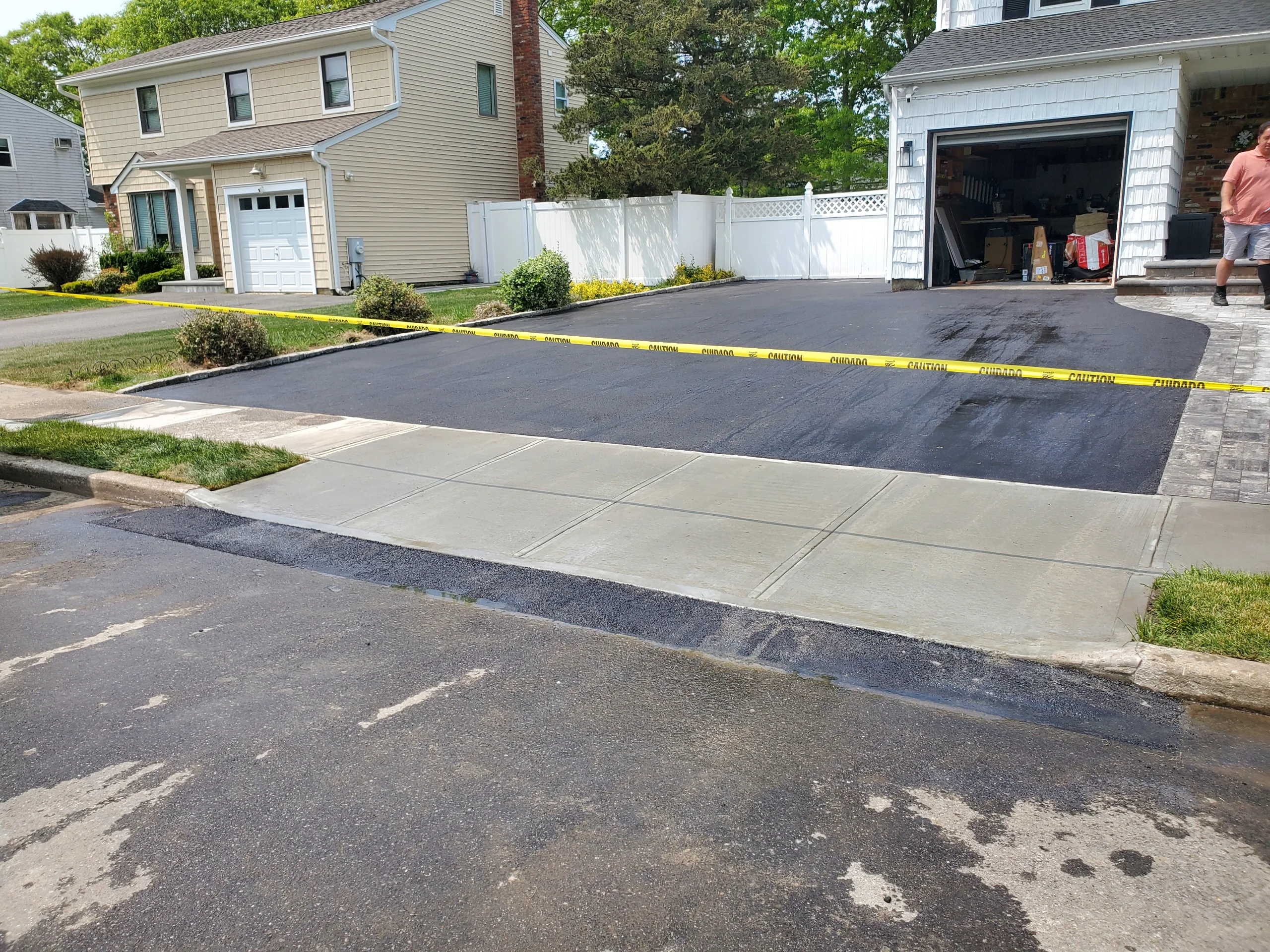
New concrete work changes that immediately. A properly installed Belgian block apron or concrete curb adds definition and polish that buyers notice. More importantly, it’s engineered to handle what Long Island throws at it—freeze-thaw cycles, summer heat, and drainage issues that come with our soil conditions.
The difference between concrete that lasts 5 years and concrete that lasts 25 years comes down to what happens before the pour. Grading has to account for water flow specific to your property. The base needs proper compaction. And the installation needs to meet the reality of Amityville’s weather patterns, not some generic standard.
You’re not just fixing a cosmetic problem. You’re eliminating trip hazards, improving drainage, and making an investment that increases your property value more than what you’ll spend.
We’ve been handling property maintenance across Suffolk County long enough to see what holds up and what doesn’t. We’re based in Smithtown, we work throughout Amityville, and we’ve learned how to build concrete structures that survive Long Island’s conditions.
That means understanding drainage patterns in your specific neighborhood. Knowing how frost heave affects different soil types. Using the right mix and reinforcement for masonry flatwork that won’t crack in three years.
We’re licensed, insured, and we use the heavy equipment needed to do grading correctly the first time. Most concrete problems start with poor prep work—improper slope, inadequate base, or rushing through compaction. We don’t cut those corners because we know you’ll be looking at this work for decades.

First, we assess your existing concrete and the grading around it. Water has to go somewhere, and if your current setup isn’t directing it away from your foundation, that’s the first thing we fix. We’ll identify any settling, drainage issues, or structural concerns before we talk about new installation.
Next comes excavation and base prep. This is where most contractors cut corners and where most concrete fails. We use heavy machinery to remove old material, grade the soil to the correct slope, and compact the base properly. For Belgian block driveway aprons or concrete curbs, this step determines whether your installation lasts 5 years or 30.
Then we install forms, pour, and finish the concrete to the specifications your property needs. For Belgian block work, we set each piece in concrete to create raised curbs that define borders and withstand plow traffic. The curing process matters too—rushing this creates weak concrete that won’t hold up.
You’ll see the equipment, the process, and the precision that goes into permanent work. We keep you updated throughout, finish on schedule, and leave your property clean when we’re done.

Ready to get started?
Sidewalk repair in Amityville isn’t just about pouring new concrete over old problems. We handle DOT violations, ADA compliance issues, and structural repairs that address why the damage happened in the first place. That includes fixing the grading, improving drainage, and rebuilding the base so the new sidewalk doesn’t fail in the same spot.
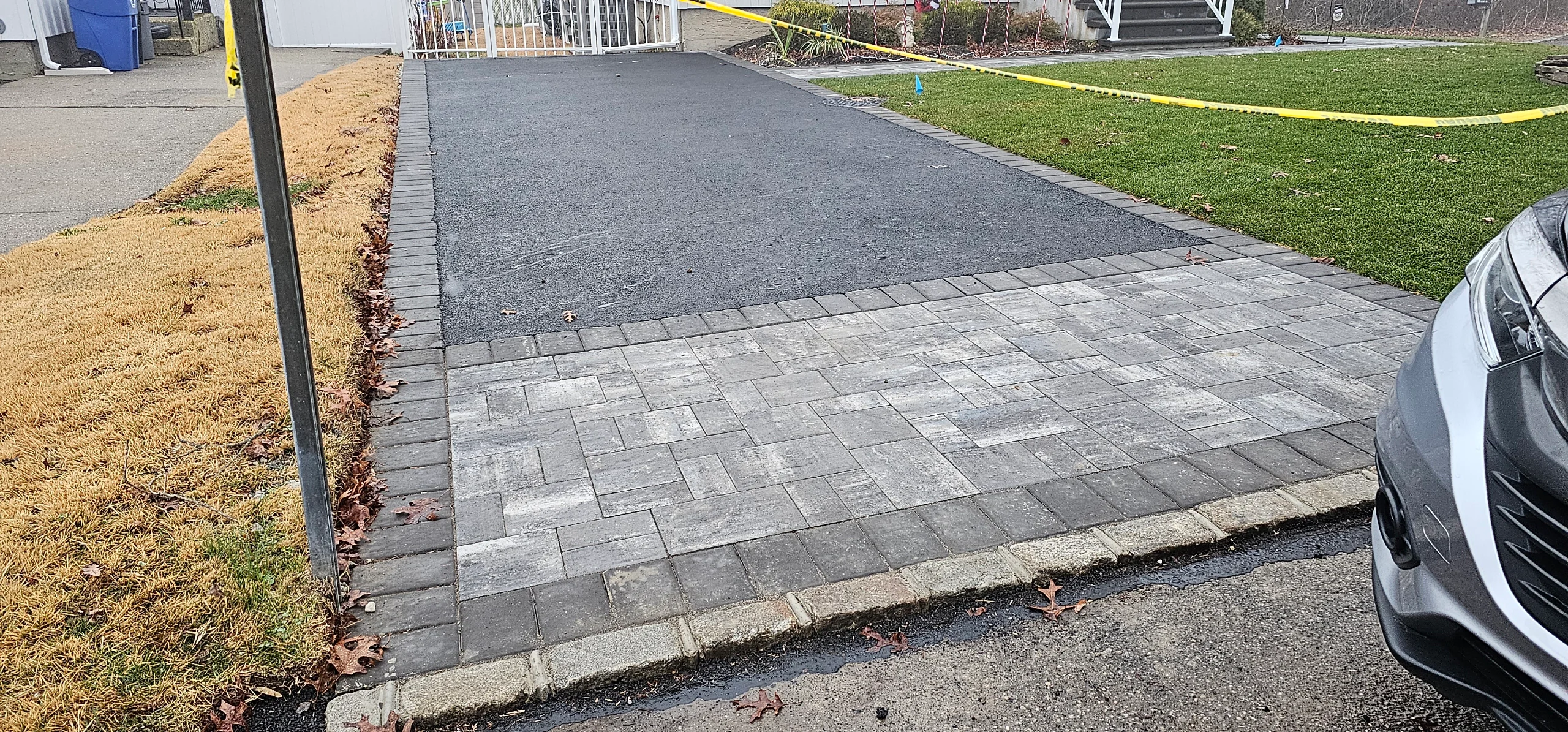
Belgian block driveway aprons are one of the best investments for curb appeal in established Amityville neighborhoods. We install them set in concrete, creating clean borders that contain gravel, define your driveway entrance, and add instant polish. They’re low maintenance, they don’t shift, and they hold up to snow removal equipment year after year.
Concrete curb installation gives you defined edges for landscaping beds, driveways, or property lines. Properly installed curbs improve drainage, prevent erosion, and create the finished look that increases property value. In higher-end areas around Amityville, this kind of detail matters to buyers.
Local concrete grading and prep is the foundation of everything else. Amityville’s soil conditions and drainage patterns require specific attention—water management isn’t forgiving, and improper grading leads to structural problems that cost far more to fix later. We handle this with the equipment and expertise needed to get it right.
Properly installed concrete should last 20 to 30 years in Amityville, even with our freeze-thaw cycles and temperature swings. The key word is “properly installed.” Most concrete that fails early does so because of poor base preparation, inadequate drainage, or using the wrong mix for Long Island conditions.
Long Island’s weather is tough on concrete. Summer heat expands it, winter freezing contracts it, and water infiltration during freeze-thaw cycles causes cracking and heaving. The concrete mix needs to be engineered for these conditions, the base needs proper compaction and drainage, and the installation needs to account for seasonal movement.
Belgian block set in concrete tends to outlast poured concrete in high-traffic areas because the individual pieces can shift slightly without cracking. For sidewalks and driveways, proper reinforcement and control joints allow for expansion and contraction without structural failure. When you see concrete failing after just a few years, it’s almost always a prep or installation issue, not a material problem.
A concrete apron is a poured slab that transitions from your driveway to the street or garage. A Belgian block apron uses individual rectangular stones set in concrete to create the same transition with more visual appeal and durability. Both serve the same functional purpose, but Belgian block adds significant curb appeal and tends to hold up better over time.
Belgian block requires minimal maintenance and doesn’t show wear the way poured concrete does. When a plow hits it or a car tire drags across it repeatedly, the stone doesn’t crack or chip like concrete can. It also defines your driveway entrance with a finished, high-end look that’s immediately noticeable from the street.
In Amityville’s established neighborhoods, Belgian block aprons are common in higher-value properties because they signal quality and permanence. The installation cost is higher than basic concrete, but the longevity and property value increase make it a smart investment. You’re looking at a feature that will still look sharp 30 years from now with almost no upkeep.
It depends on why the damage happened and whether the surrounding sections are structurally sound. If one section settled because of a tree root or drainage issue, we can often remove and replace just that section after addressing the underlying cause. But if multiple sections are cracking or the entire sidewalk is showing age, partial repairs usually just delay the inevitable.
The bigger question is what caused the damage. If your sidewalk is settling because of poor base prep or ongoing drainage problems, replacing one section won’t fix anything—the new concrete will fail too. We assess the grading, check for water issues, and look at the condition of adjacent sections before recommending repair versus full replacement.
For DOT violations or liability concerns, sometimes a partial repair is enough to bring the sidewalk into compliance and eliminate trip hazards. Other times, the most cost-effective approach is replacing the entire run so you’re not dealing with recurring problems. We’ll walk you through what makes sense for your specific situation and budget, but we won’t patch something that’s going to fail again in two years.
Drainage is the most important part of any concrete installation, and it’s where most contractors fail. Water has to move away from your foundation, away from the concrete itself, and toward appropriate drainage points. If the grading doesn’t account for this, you’ll have standing water, erosion, foundation issues, and concrete that heaves or cracks prematurely.
We start by assessing the existing drainage patterns on your property. Where does water go when it rains? Are there low spots where it pools? Is water running toward your foundation or into areas where it causes problems? Then we design the grading to direct water appropriately—usually toward the street, a drainage system, or a designated runoff area.
For concrete installations, this means setting the proper slope before we pour. Even a small grade—typically a quarter inch per foot—makes the difference between water sheeting off your sidewalk or pooling on it. For larger projects like driveways or patios, we may need to install drainage solutions like French drains or catch basins. Amityville’s soil conditions and water table make this especially important. Skipping proper drainage to save money up front costs far more when you’re replacing failed concrete five years later.
If you received a DOT sidewalk violation, you’re required to bring the sidewalk into compliance within a specific timeframe or face fines. The violation usually cites trip hazards, cracking, settling, or ADA accessibility issues. Fixing it means repairing or replacing the damaged sections to meet municipal standards and having the work inspected.
We handle DOT violations regularly in Suffolk County. The process involves pulling the necessary permits, removing and replacing the non-compliant sections, ensuring the new work meets code requirements for slope and accessibility, and scheduling the required inspections. The municipality needs to verify the work was done correctly before they’ll close out the violation.
The key is addressing the violation quickly and doing the work right the first time. If the repair doesn’t pass inspection, you’re looking at additional costs and delays. We know what inspectors are looking for, we understand the local codes, and we make sure the installation meets all requirements. Most violations can be resolved within a few weeks once work begins, and we handle the paperwork and coordination so you don’t have to chase down inspectors or worry about compliance issues.
Absolutely. Damaged concrete is one of the first things buyers notice and one of the easiest reasons for them to negotiate your price down. A cracked sidewalk or deteriorating driveway apron signals deferred maintenance, creates liability concerns, and makes your property look tired compared to others on the market. Fixing it removes a negotiating point and often increases your sale price more than the repair cost.
In Amityville’s competitive real estate market, curb appeal drives first impressions. Buyers touring multiple properties will remember the one with the polished Belgian block apron and clean concrete walkways. They’ll also remember the one where they had to watch their step on the way to the front door. New concrete work signals that the property has been maintained and cared for.
The return on investment for concrete and masonry work is strong, especially in established neighborhoods where buyers expect a certain level of finish. You’re not just avoiding a price reduction—you’re often adding value that exceeds the installation cost. Even if you’re only planning to stay a few more years, the improved safety, drainage, and appearance benefit you now, and the increased property value benefits you when you sell.
Other Services we provide in Amityville