
Hear from Our Customers

You’re not dealing with another patch job that fails in three winters. When your driveway is installed correctly for Copiague’s conditions, you stop worrying about cracks spreading every spring. You stop watching water pool near your foundation. You stop getting embarrassed when neighbors drive by.
Here’s what changes. Your driveway handles Long Island’s freeze-thaw cycles without turning into a minefield of potholes. Water drains where it should instead of undermining your base. And when you look at your property, you see an investment that’s going to last decades, not years.
The difference isn’t the material—it’s understanding that Copiague’s sandy soil and coastal humidity destroy standard installations. We excavate deeper. We compact properly. We handle drainage before it becomes your problem. That’s why our driveways don’t settle, crack, or need replacement when everyone else’s do.
Rolling Hills Property Services has been handling property maintenance across Suffolk County long enough to see which shortcuts lead to callbacks. We’re based in Smithtown, fully licensed and insured, and we’ve watched too many Copiague driveways fail because someone skipped proper excavation or didn’t account for our water table.
When you’re dealing with Long Island’s sandy soil, you can’t just lay asphalt and hope. You need contractors who understand that our coastal conditions—the salt air, the moisture, the constant temperature swings—require a different approach. We handle everything from permit applications with the Town of Babylon to final grading, which means you’re not coordinating between three different companies who all blame each other when something goes wrong.
You’ll work with us directly—people who return calls within 48 hours and explain what’s happening at every stage. No surprises on the bill. No disappearing after the deposit clears.

First, we evaluate your property and handle the permit paperwork with Copiague’s local requirements. You don’t chase down forms or wonder if you’re compliant. While that’s processing, we’re planning excavation depth based on your soil conditions and drainage patterns.
When we start, we excavate 8-10 inches deep—not the 4-6 inches some crews get away with in other regions. Copiague’s sandy soil needs that depth to prevent settling. We remove unstable material and replace it with compacted gravel base layers. This is where most installations fail, so we don’t rush it. Proper compaction takes time, but it’s the difference between a driveway that lasts 15 years and one that cracks in three.
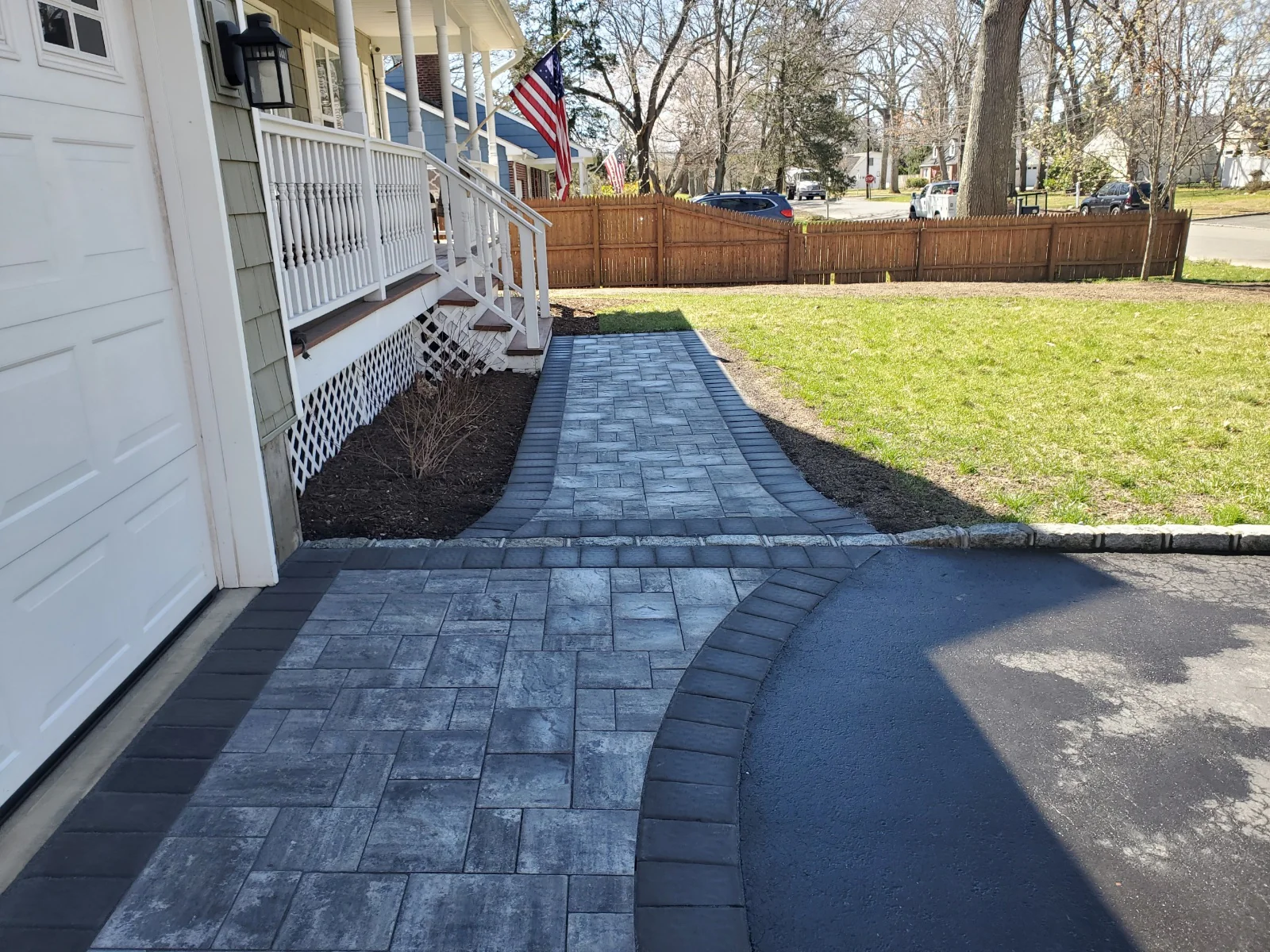
Then we address drainage. Water sitting under your driveway will cause settling and cracking, so we grade everything to move moisture away from your foundation and the driveway base. Finally, we install your surface—whether that’s asphalt or pavers—and make sure it’s cured properly before you drive on it.
You’ll know the timeline before we start, and we’ll update you if weather delays anything. Most residential driveway installations take 3-5 days depending on size and complexity.

Ready to get started?
You get complete site preparation—the excavation, base installation, and compaction that determine whether your driveway survives Long Island winters. We’re not subcontracting the foundation work and hoping it’s done right. Our crews handle excavation in-house with equipment designed for Suffolk County’s terrain.
Permit coordination is included. Copiague falls under Town of Babylon jurisdiction, and we manage that paperwork as part of your project. You won’t get surprised by compliance issues when you try to sell your home later.
Drainage solutions are built into every installation. We evaluate your property’s grade and water flow patterns, then design the driveway to move water away from your foundation. This isn’t optional in Copiague—our water table and coastal rainfall make drainage the difference between a driveway that lasts and one that fails.
You also get material selection guidance based on your specific conditions. Asphalt costs less upfront but needs resealing every 2-3 years. Pavers cost more initially but last 25-75 years with minimal maintenance. We’ll explain what works for your budget and usage patterns without pushing you toward the most expensive option.

Most residential driveway installations take 3-5 days from excavation to final surface, but that timeline depends on your property’s current condition and size. If we’re removing an old driveway or dealing with drainage issues, add another day or two.
Weather matters more than most homeowners realize. We can’t install asphalt when temperatures drop below 50°F or during rain, because the material won’t cure properly. That’s why we schedule most Copiague installations between May and September when conditions are stable. If you’re planning work for spring, book early—everyone wants their driveway done before summer.
You’ll need to stay off the new surface for 24-48 hours after installation. Asphalt needs time to cure, and driving on it too soon can leave permanent tire marks or create depressions. We’ll give you a specific timeline based on temperature and humidity when we finish your installation.
Copiague’s combination of sandy soil, coastal humidity, and freeze-thaw cycles destroys driveways that aren’t installed correctly. Water is the main culprit. It seeps into small cracks during the day, then freezes overnight when temperatures drop. Ice expands with serious force, turning hairline cracks into potholes by spring.
Suffolk County’s sandy soil makes this worse because it doesn’t provide stable support like clay-heavy soils do. If your contractor didn’t excavate deep enough or skipped proper base compaction, your driveway will settle unevenly. That settling creates low spots where water pools, which accelerates cracking.
The coastal humidity adds another layer of problems. Salt air corrodes materials faster, and our high water table means moisture is always present underneath your driveway. If drainage wasn’t designed into your installation, water undermines the base and causes the surface to fail. Most driveways that crack within 5-10 years failed because of inadequate preparation, not because the asphalt itself was defective.
Yes, most driveway installations and replacements in Copiague require permits from the Town of Babylon. You’ll need approval before starting excavation or changing your driveway’s footprint. Skipping permits creates problems when you sell your home—buyers’ attorneys will ask for proof that work was done legally.
The permit process typically takes 2-3 weeks, and requirements include site plans showing drainage, setbacks from property lines, and confirmation that your driveway meets local codes. If you’re connecting to a town road, you may need additional approvals from the highway department.
We handle permit applications as part of our service because we know what Babylon’s building department requires. You don’t need to figure out which forms to file or make multiple trips to the town office. We submit everything, track the approval, and make sure your installation meets code. That documentation protects you later and ensures your driveway is legal.
Asphalt costs less upfront—usually $7-15 per square foot installed—but requires maintenance every 2-3 years. You’ll need to reseal it to prevent cracking, which runs $300-600 per application. It also softens in summer heat and can develop permanent tire marks. When you patch asphalt, those repairs stay visible forever.
Pavers cost more initially but last 25-75 years with minimal maintenance. They handle freeze-thaw cycles better because individual pavers can shift slightly without cracking the entire surface. If one paver gets damaged, you replace just that piece instead of repaving a whole section. They also don’t soften in heat or show tire marks.
For Copiague’s conditions, both work if installed correctly—and that’s the key point. A cheap asphalt job without proper base preparation will fail faster than quality pavers installed right. The material matters less than the excavation depth, base compaction, and drainage design. We’ll walk you through costs and maintenance requirements for your specific property so you can make an informed decision based on your budget and how long you plan to stay in your home.
We excavate 8-10 inches deep for most Copiague driveways, which is deeper than standard installations in other regions. Suffolk County’s sandy soil doesn’t provide the stable support that clay-heavy soils do, so you need more base material to prevent settling.
That excavation gets filled with compacted gravel layers—usually 6-8 inches of base stone that we compact in stages. Proper compaction is critical and can’t be rushed. Each layer needs to be compressed to at least 95% density before we add the next one. Skipping this step or compacting too quickly is why driveways develop dips and cracks within a few years.
If your property has drainage issues or very poor soil conditions, we may excavate deeper and add geotextile fabric to stabilize the base. This prevents the gravel from mixing with sandy soil underneath, which would compromise the entire installation. The extra depth costs more upfront but prevents expensive repairs later. We’ll evaluate your specific site conditions and explain what’s needed before we start digging.
Late spring through early fall—roughly May through September—gives you the best conditions for driveway installation in Copiague. Asphalt needs ambient temperatures between 65-75°F to cure properly and maintain structural integrity. Too cold, and it won’t bond correctly. Too hot, and it can become soft and prone to damage.
Weather delays are common in spring because of rain, and fall installations need to be completed before temperatures drop consistently below 50°F at night. That’s why summer is ideal, but it’s also when everyone wants their driveway done. If you’re planning work for peak season, book 4-6 weeks ahead.
Winter installations are possible with hot mix asphalt in temperatures above 50°F, but conditions are less predictable and curing takes longer. We don’t recommend winter work unless you’re dealing with an emergency situation. For planned replacements, waiting until May gives you better weather, faster curing times, and more scheduling flexibility.
Other Services we provide in Copiague