
Hear from Our Customers

You’ve got better things to do than spend Saturday mornings bent over garden beds pulling dandelions. And even when you do, they’re back two weeks later because the roots are still there.
That’s the problem with weeds in Copiague. Between the humid Long Island summers and the salt exposure from being this close to the water, aggressive stuff like crabgrass doesn’t just show up—it takes over. One plant produces hundreds of seeds. Miss the window in late spring, and your beds are competing for water and nutrients all season.
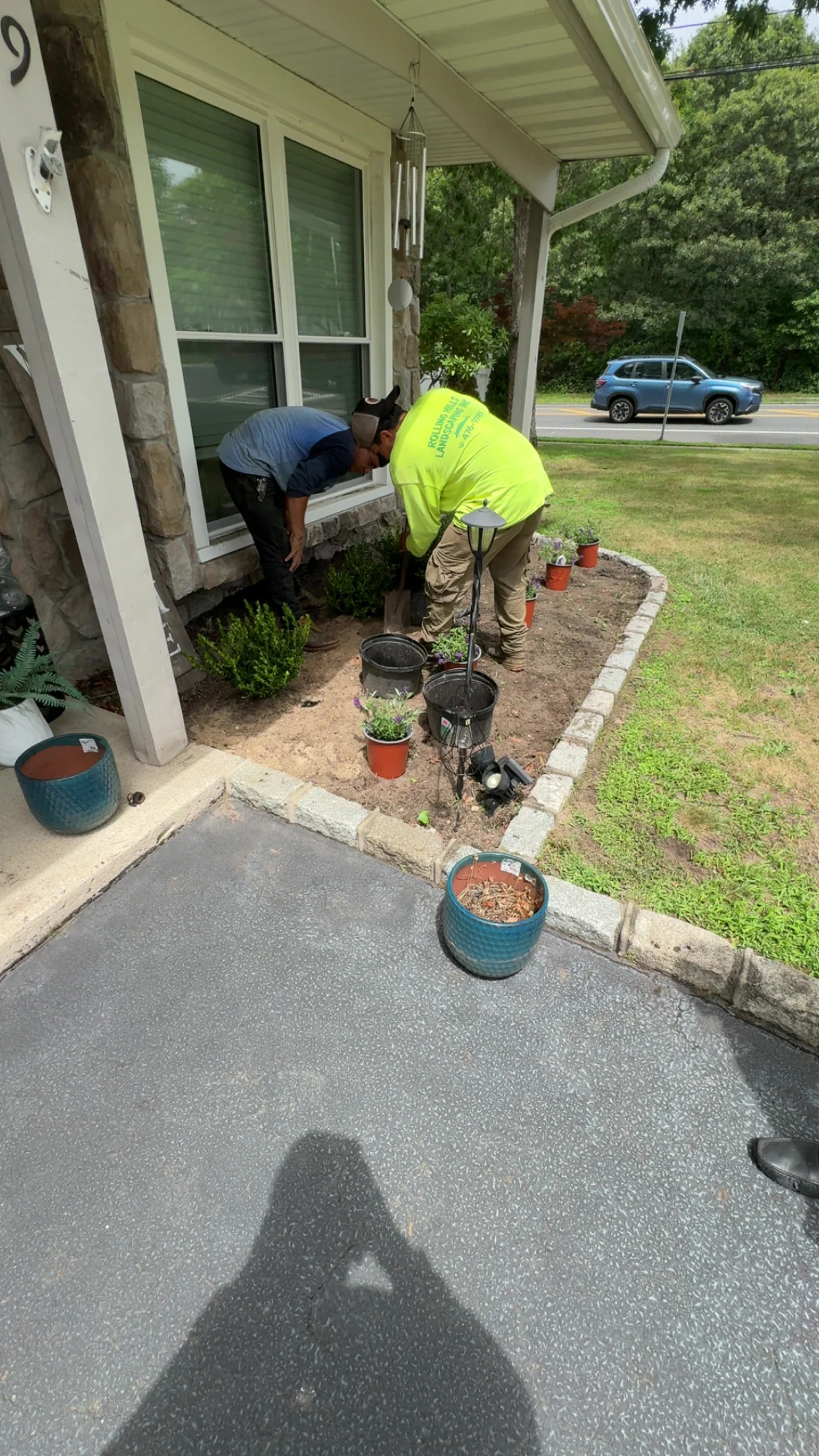
Professional weeding services handle this the right way. We pull weeds by hand, getting the entire root system out without damaging the perennials and shrubs you’ve invested in. Your beds stay clean longer. Your property looks maintained, not neglected. And you get your weekends back.
This isn’t about making things pretty for a week. It’s about controlling what grows in your garden beds so the plants you actually want have room to thrive.
We’re based in Smithtown, and we’ve been maintaining properties across Suffolk County for years. That means we understand what you’re dealing with in Copiague—the salt-tolerant plants that do well near the water, the mature landscaping in neighborhoods built in the ’40s through ’60s, and the specific weeds that thrive in your soil.
We’re fully licensed and insured. We show up when we say we will. And we don’t treat your property like a checklist—we treat it like the investment it is.
Most of our clients are homeowners who’d rather spend time with their families than fight crabgrass. They want their properties to look good, and they want someone who knows the difference between a weed and a perennial. That’s what we do.

We start with a walkthrough of your property. That lets us see what’s growing, what shouldn’t be there, and what needs protection. Every property in Copiague is different—some have dense garden beds packed with hostas and daylilies, others have newer plantings that need careful handling.
From there, we hand-pull every weed. Not surface-level tugging—we remove the entire root system so it doesn’t come back in two weeks. This protects your established plants and keeps your beds intact. If you’ve got mulch that’s broken down or thin, we’ll let you know. Mulch suppresses new weed growth, and it’s one of the most effective tools for long-term control.
Once the beds are clean, we haul everything away. You’re not left with piles of pulled weeds sitting by the curb. The job’s done, and your property looks the way it should—maintained and intentional, not overgrown.
If you want seasonal maintenance, we can set up a schedule. Spring cleanups, summer touch-ups, fall prep—it keeps weeds from getting ahead of you and saves you from spending every weekend outside.

Ready to get started?
You’re hiring us to remove weeds, but what you’re really getting is time back and a property that doesn’t look like it’s been neglected. Our manual weed removal protects the plants you’ve invested in—perennials, shrubs, ornamental grasses—while eliminating the stuff that’s choking them out.
In Copiague, that usually means crabgrass, dandelions, clover, and other aggressive species that love Long Island’s late-summer humidity. These aren’t weeds you can ignore. They spread fast, they compete for water, and they make your property look unfinished even if everything else is dialed in.
We also handle seasonal weeding and mulching, which is critical if you want results that last. Mulch keeps new seeds from germinating, holds moisture where your plants need it, and gives your beds a clean, finished look. Pair that with regular hand-pulling, and you’re not fighting the same battle every month.
Properties near the water deal with salt exposure, which limits what grows well and makes maintenance trickier. We work with that—not against it. If your beds need adjustments or your plantings aren’t holding up, we’ll tell you. This is about keeping your property looking sharp without constant intervention.

It depends on your property and how aggressive the weeds are. Most homeowners in Copiague benefit from service every 4-6 weeks during the growing season—roughly April through October. That keeps weeds from getting established and prevents them from going to seed, which is when the problem multiplies.
If your beds are heavily planted or you’ve got mature landscaping, you might need more frequent visits in late spring and summer when growth is most aggressive. Properties closer to the water sometimes deal with different weed pressure depending on salt exposure and soil conditions.
A one-time cleanup works if you’re trying to get things under control before selling or hosting an event. But if you want beds that stay clean without you spending every weekend pulling weeds, a seasonal schedule makes more sense. We can walk your property and give you a realistic recommendation based on what’s actually growing there.
Hand-pulling removes the entire root system, which means the weed is gone—not just knocked back for a few weeks. It’s more labor-intensive, but it’s also more effective for garden beds where you’ve got perennials, shrubs, and ornamental plants you want to protect.
Herbicides can work for large lawn areas, but they’re risky in garden beds. Overspray or drift can damage the plants you’re trying to keep, and some weeds develop resistance over time. Hand-pulling doesn’t have that problem. It’s precise, it’s immediate, and it doesn’t leave chemicals in your soil.
The other advantage is that we’re physically removing the weed before it drops seeds. That matters in Copiague, where one crabgrass plant can produce hundreds of seeds in a single season. If you spray it, it might die—but if it already seeded, you’re dealing with the next generation in a few weeks. Hand-pulling stops that cycle.
Not if it’s done correctly. That’s the whole point of hiring someone who knows what they’re doing. We hand-pull weeds carefully, working around your perennials and shrubs without disturbing root systems or damaging stems.
The risk with DIY weeding—or hiring someone who’s rushing—is that you end up pulling out plants you wanted to keep, compacting soil, or tearing through shallow root zones. We’ve seen it plenty of times: homeowners trying to clear a bed quickly and accidentally yanking out hostas or groundcover along with the weeds.
We take the time to identify what’s growing, what should stay, and what needs to go. If something’s questionable, we ask. Your beds don’t get torn up, your plants don’t get damaged, and the work actually lasts because we’re removing weeds at the root—not just snapping them off at soil level.
Pricing depends on the size of your property, how overgrown the beds are, and how often you need service. A typical residential property with standard garden beds usually runs between $150-$400 for a one-time cleanup. Seasonal maintenance packages cost less per visit because we’re keeping up with growth instead of starting from scratch every time.
If your beds haven’t been touched in a year or two, expect the first visit to cost more. There’s more labor involved in clearing heavy growth and removing established root systems. After that, regular maintenance is faster and more affordable.
We’ll give you a clear estimate after seeing your property. No surprises, no upselling. You’ll know what the job costs before we start, and you’ll know what’s included. Most homeowners in Copiague find that professional weeding saves them money in the long run—fewer plant replacements, less mulch waste, and no need to buy equipment you’ll use twice a year.
Yes. Coastal properties come with specific challenges—salt exposure, wind, sandy soil, and plants that need to tolerate those conditions. We work with that environment, not against it.
Weeding near the water means understanding which plants are supposed to be there and which ones are invasive or poorly suited to the location. Some weeds thrive in salt-affected soil, and they’ll outcompete your intentional plantings if they’re not controlled. We remove those while protecting the salt-tolerant species that actually belong in your beds.
We also pay attention to erosion and soil stability, especially if your property is right on the water. Pulling weeds incorrectly can disturb soil structure and make erosion worse. We work carefully to keep your beds intact while removing unwanted growth. If your plantings aren’t holding up to coastal conditions, we’ll let you know what might work better.
Early spring—late March through April—is ideal. That’s when weeds start growing, but before they’ve gone to seed or developed deep root systems. Catching them early makes removal easier and prevents them from spreading.
If you miss that window, don’t wait until next year. Starting in summer or fall still makes sense, especially if your beds are overgrown. Summer weeding prevents seed production, which controls next year’s growth. Fall weeding cleans up your property before winter and reduces the number of seeds sitting in your soil waiting to germinate in spring.
The worst time to start is after weeds have already seeded. At that point, you’re playing catch-up for the next season. But even then, clearing what’s there and setting up a maintenance schedule puts you in a better position moving forward. We can start whenever you’re ready—just know that earlier is always easier than later.
Other Services we provide in Copiague