
Hear from Our Customers

You know the cycle. Spend Saturday morning bent over pulling weeds, and by the following weekend they’re back—sometimes worse than before. That’s because most weeds have root systems that go deeper than you think, and leaving even a small piece behind means you’re starting over in a week.
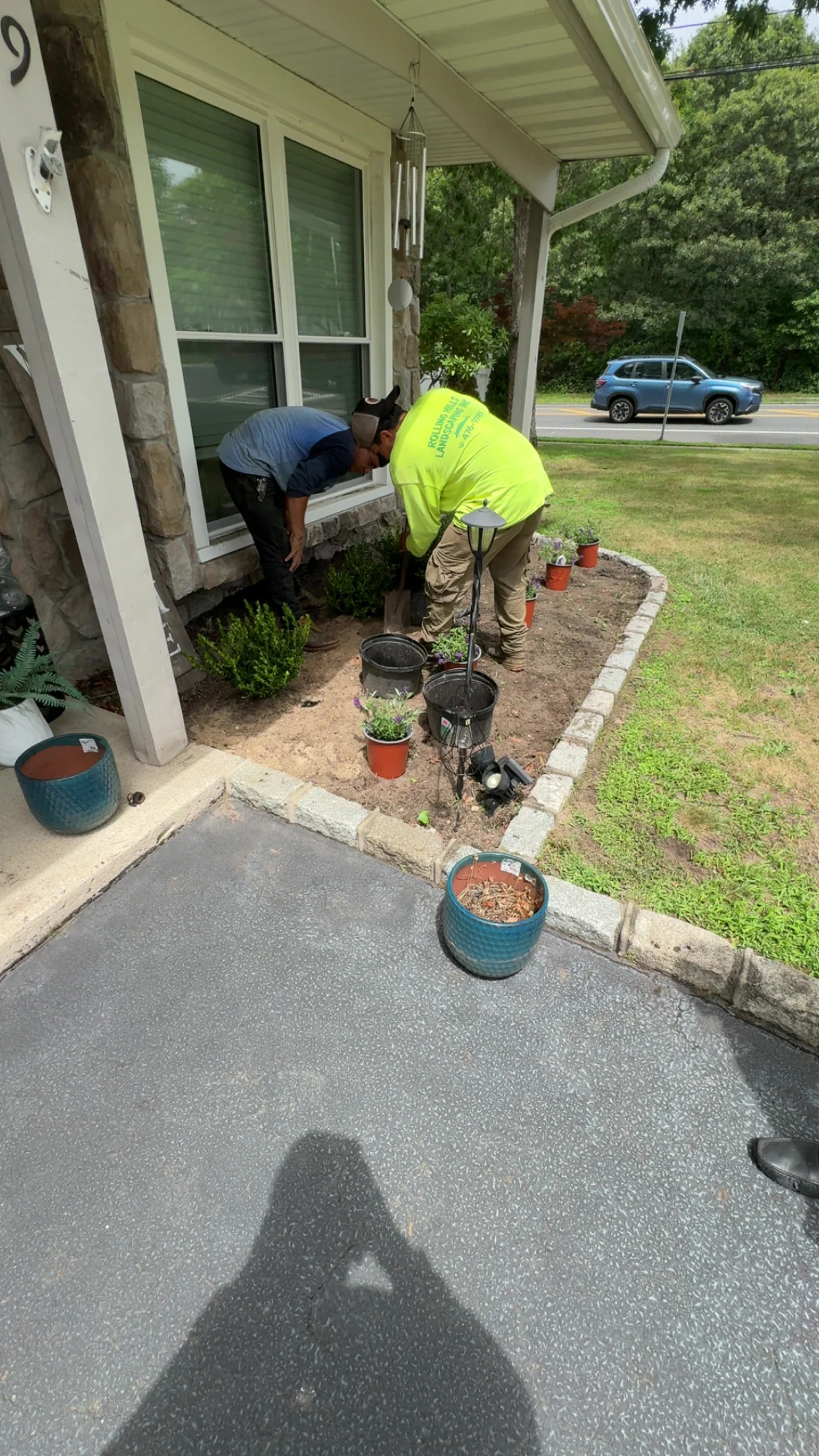
Professional manual weed removal changes that. We pull weeds at the root level, working carefully around your perennials and established plants so nothing gets damaged in the process. Your garden beds stay cleaner longer, and you’re not spending every free weekend doing the same job over and over.
In Islip Terrace’s dense suburban landscape, garden beds are everywhere. They’re part of what makes the neighborhood look good. But they also need consistent attention, especially during spring when weeds compete aggressively for the same water and nutrients your plants need. Regular maintenance means your landscaping investment actually pays off instead of getting choked out by crabgrass and dandelions.
We’re based in Smithtown, and we’ve spent years learning how Long Island’s climate affects lawns and gardens. We’re fully licensed and insured, and we work with homeowners and property managers who want their properties maintained correctly without having to do it themselves.
Islip Terrace has a specific look—well-kept homes with layered garden beds and mature landscaping. That means weeding here isn’t just about pulling whatever’s green and unwanted. It’s about knowing which plants belong, understanding how local soil drains, and timing the work so you’re not fighting the same weeds every week.
We’re not the cheapest option, and that’s intentional. You’re paying for people who show up on time, do the work carefully, and don’t leave root systems behind to regrow. That’s what keeps your property looking good and saves you from hiring someone twice.

We start with a walkthrough of your property to see what’s growing, where the problem areas are, and what needs protection. Not every property is the same, and we’re not treating yours like it is.
From there, we hand-pull weeds at the root. No spraying, no shortcuts. We work around your perennials, shrubs, and anything else that’s supposed to be there. If mulch needs refreshing or garden bed edges need redefining, we handle that too. The goal is to leave your beds cleaner than we found them without damaging what you’ve invested in.
Timing matters. The stretch from March through June is when weeds are most aggressive on Long Island, and that’s when consistent attention makes the biggest difference. We can set up seasonal weeding schedules so you’re not dealing with overgrowth during the worst months, or we can come out for one-time cleanups if that’s what your property needs right now.

Ready to get started?
You get manual weed removal from all garden beds, around trees, along walkways, and anywhere else weeds are taking over. We pull them by hand to get the entire root system, which is the only way to actually stop them from coming back immediately.
We also clean up the debris. Everything we pull gets bagged and removed from your property, so you’re not left with piles of dead weeds sitting in your driveway. If your beds need mulch or edging work, we can handle that as part of the same visit.
In Islip Terrace, most properties have dense garden beds with a mix of perennials, shrubs, and ornamental grasses. That setup looks great, but it also creates tight spaces where weeds hide and grow unnoticed. We work carefully in those areas to protect what’s planted while removing what shouldn’t be there. Your landscaping stays intact, and your curb appeal stays strong.
Suffolk County’s climate means you’re dealing with tall fescue, Kentucky bluegrass, and perennial ryegrass in most lawns, and each one has different maintenance needs. We understand how those grass types respond to local soil and weather, and we adjust our approach accordingly so your lawn and garden beds work together instead of competing.

Most properties in Islip Terrace benefit from weeding every two to three weeks during the growing season, which runs from March through June. This is what Long Island gardeners call the “100 Days of Hell” for weeds—when they grow fastest and compete most aggressively with your plants.
If your garden beds are already well-maintained, you might only need monthly visits. If they’ve been neglected for a season or two, you’ll probably need more frequent attention at first to get things back under control. After that, you can scale back to a maintenance schedule.
The key is consistency. Weeds reproduce quickly, and if you wait too long between visits, you’re essentially starting over each time. Regular weeding keeps root systems from establishing deeply, which makes each visit faster and more effective than the last.
Hand-pulling removes the entire root system, which means the weed is actually gone instead of just knocked back temporarily. Herbicides can work, but they also affect soil health, and in dense garden beds with perennials and shrubs, it’s easy to damage plants you want to keep.
Manual weed removal is also safer if you have pets, kids, or vegetable gardens nearby. You’re not introducing chemicals into your soil or runoff, and you don’t have to worry about what’s getting absorbed by plants you’re trying to protect.
The other advantage is precision. In Islip Terrace’s suburban landscape, garden beds are often tightly planted with a mix of desirable plants and weeds growing right next to each other. Hand-pulling lets us remove what shouldn’t be there without harming what should. Spraying doesn’t give you that control.
Early spring is ideal, right when weeds start growing but before they’ve had a chance to establish deep root systems or go to seed. In Suffolk County, that usually means late March or early April.
Starting early gives you a head start on the growing season. Weeds that get pulled before they mature won’t spread seeds across your garden beds, which means fewer weeds overall as the season progresses. It’s easier to stay ahead of the problem than to catch up once weeds have taken over.
That said, it’s never too late to start. If your garden beds are overgrown in June or July, we can still clean them up and get you on a maintenance schedule. You’ll see improvement quickly, and consistent weeding from that point forward will keep things manageable.
We hand-pull weeds carefully, working around the root systems of your established plants. That means no aggressive pulling that disturbs soil or damages nearby roots, and no tools that cut through everything indiscriminately.
Before we start, we identify what’s planted in your beds so we know what to protect. In Islip Terrace, most properties have a mix of perennials, ornamental grasses, and shrubs that have been there for years. Those plants are valuable, and replacing them is expensive. We treat them that way.
If a weed is growing extremely close to a plant’s root system, we remove it carefully by loosening the soil first rather than yanking it out. The goal is always to leave your garden beds cleaner without causing collateral damage to what you’ve invested in.
We offer both. If you want consistent maintenance throughout the growing season, we can set up a schedule that works for your property—usually every two to four weeks depending on how quickly weeds grow in your beds.
If you’re looking for a one-time cleanup, we can handle that too. Maybe you’re getting ready to sell, or you’ve let things go for a season and need a reset. We’ll come out, clear everything, and leave your garden beds looking sharp.
Seasonal packages make the most sense for properties that need regular attention during spring and early summer. One-time cleanups work better if your beds are generally under control and you just need help catching up. Either way, we’re flexible and can adjust based on what your property actually needs rather than locking you into something that doesn’t fit.
We bag everything and remove it from your property. You won’t have piles of dead weeds sitting in your driveway or along the curb.
This matters more than it sounds like it does. Weeds that are pulled but left on-site can still drop seeds, especially if they were close to flowering when we removed them. Removing them completely eliminates that risk and keeps your property looking clean.
We also don’t compost weeds on-site unless you specifically ask us to and we’re certain they haven’t gone to seed. Most weeds are too aggressive to compost safely, and the last thing you want is to spread seeds back into your garden beds through mulch or soil amendments.
Other Services we provide in Islip Terrace