
Hear from Our Customers

Your driveway shouldn’t pool water after every storm. Your walkway shouldn’t crack within three years. And your patio shouldn’t settle unevenly because the base wasn’t compacted right.
Islip Terrace sits on sandy South Shore soil that shifts. Most concrete fails here because contractors treat it like any other job—pour it, smooth it, move on. But Long Island’s freeze-thaw cycles and drainage patterns demand precision grading and a properly built aggregate base, or you’re looking at premature replacement.
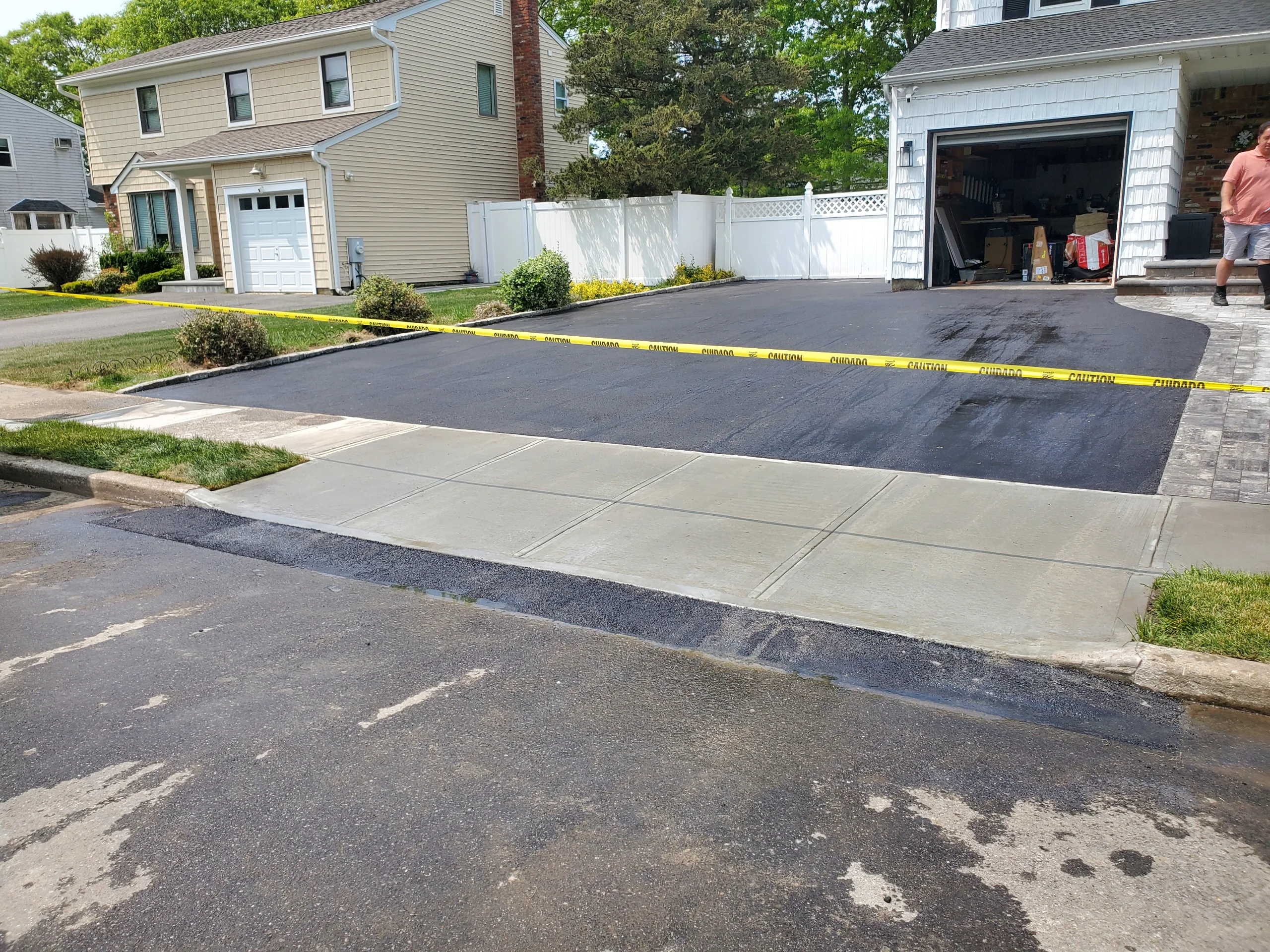
When we handle concrete curb installation, sidewalk repair, or belgian block driveway aprons, we use heavy machinery to establish the right slope—typically 2-5% away from your foundation. That’s not guesswork. It’s laser levels and transit equipment ensuring water moves where it should, not into your basement or pooling on your property.
You get concrete that drains properly, holds up through winter, and actually increases your property value. Research shows quality driveways can boost home values 5-10% in Suffolk County. That’s not just curb appeal—it’s a financial decision that pays back.
We’ve been handling property maintenance across Suffolk County from our Smithtown base for years. We’re not a franchise or a crew that works everywhere—we work here, in Islip Terrace, Bohemia, Central Islip, and the surrounding South Shore communities where soil conditions and drainage matter.
We know that Islip Terrace’s postwar housing stock comes with aging concrete that’s reached the end of its lifespan. We also know that your compact residential lots don’t have room for drainage mistakes. Every inch of grading counts when properties are this close together.
We’re fully licensed and insured for Suffolk County work. We show up when we say we will, keep you updated through the project, and don’t disappear after the pour. You’re hiring local concrete and masonry contractors who understand what works here—and what doesn’t.

First, we excavate to the right depth and assess your soil conditions. Islip Terrace’s sandy base is easy to dig, but it requires a well-constructed aggregate foundation to prevent settlement. We’re not skipping that step.
Next comes grading and compaction. This is where most contractors cut corners, and it’s why you see driveways that sink or crack within a few years. We use professional equipment to compact the base in layers, then establish precise grades using laser levels. Water needs to move away from your home at the right slope—not too steep, not too shallow.
Then we build the forms, install steel reinforcement for crack control, and pour. The concrete mix matters here too—Long Island’s climate demands the right blend to handle freeze-thaw cycles. After the pour, we finish it properly and control the curing process so it sets strong.
Finally, we handle cleanup and sealing if needed. You’re left with a driveway, patio, walkway, or curb that’s built on a solid foundation—literally. It’s not the fastest way to do concrete work, but it’s the way that lasts 20-30 years instead of needing replacement in five.

Ready to get started?
We handle driveways, walkways, patios, steps, porches, pool surrounds, and driveway aprons. If it’s concrete or masonry flatwork on your Islip Terrace property, we can build it or repair it.
Belgian block aprons are popular in higher-end neighborhoods here, and we install them with the precision they require. These aren’t just decorative—they’re structural elements that define your driveway edge and prevent asphalt or concrete from crumbling at the street connection. Done right, they’re a permanent upgrade that distinguishes your property.
Sidewalk repair is another common need in Islip Terrace. Aging concrete walkways crack, heave from tree roots, or settle unevenly. We don’t just patch problem areas—we assess whether the base is still sound or if you need full replacement. Sometimes a repair works. Sometimes it’s throwing money at a temporary fix when replacement makes more sense long-term.
For drainage-related concrete work, we’re addressing the root cause. If water pools in your driveway or yard, we’re regrading to redirect flow, not just resurfacing over a bad foundation. Suffolk County’s clay-heavy soil in some areas and sandy soil in others means drainage solutions need to be tailored to your specific lot. We’ve worked enough properties here to know what each soil type requires.
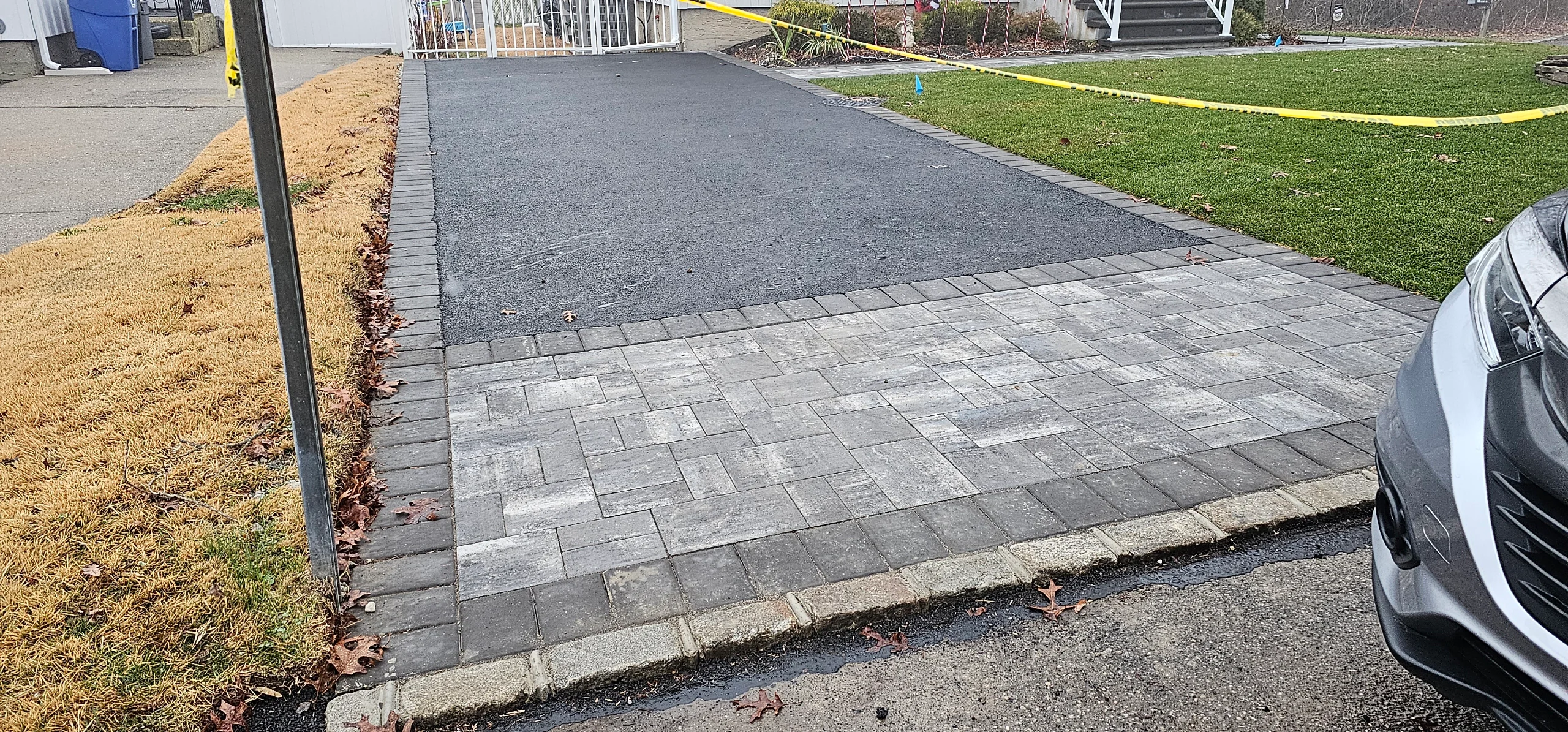
With proper installation and minimal maintenance, you’re looking at 20-30 years or longer. That assumes the base was built correctly, the concrete was mixed and poured right, and the grading directs water away from the surface.
Most concrete fails early because of poor prep work—not because the concrete itself is bad. Islip Terrace’s sandy soil shifts and settles if the aggregate base isn’t compacted in layers. Freeze-thaw cycles crack concrete that wasn’t reinforced or that’s sitting on an unstable foundation.
If your current driveway is cracking or settling after just a few years, it’s a base problem. Resurfacing won’t fix that. You need proper excavation, compaction, and grading to get a driveway that actually lasts decades in Long Island’s climate.
Because the grading is wrong. Driveways need a 2-5% slope away from your home and toward the street or a drainage area. If the slope is too flat, water sits. If it’s graded toward your foundation, you’ve got bigger problems.
This happens a lot in Islip Terrace because contractors don’t use proper leveling equipment. They eyeball it, pour it, and move on. A few years later, you’ve got standing water, algae growth, and ice patches in winter that make your driveway dangerous.
Fixing this requires regrading the base before pouring new concrete. You can’t just add a layer on top and hope it drains better. We use laser levels and transit equipment to establish the correct slope so water moves where it should—off your property and away from your foundation.
Concrete lasts longer—20-30 years vs 15-20 for asphalt—and requires less maintenance. Asphalt needs resealing every few years and cracks more easily in Long Island’s freeze-thaw cycles. Concrete handles temperature swings better and holds up to heavy vehicles without rutting.
The upfront cost is higher for concrete, but the long-term value is better. You’re not resealing, patching, or replacing as often. And concrete offers more design flexibility—you can add borders, stamping, or belgian block aprons that elevate the look of your property.
For Islip Terrace homes where curb appeal and property value matter, concrete is the smarter investment. It’s permanent, it’s durable, and it actually increases resale value more than asphalt does.
It depends on the scope of work. Suffolk County and the Town of Islip have specific requirements for driveways, walkways, and other concrete installations. Larger projects, anything affecting drainage patterns, or work near property lines usually requires a permit.
We handle the permitting process as part of the job. We know what the Town of Islip requires, how to submit plans, and how to ensure the work meets code. You don’t need to figure that out yourself or risk doing unpermitted work that causes problems when you sell.
Licensed contractors in Suffolk County should be pulling permits when required. If someone tells you “we don’t need a permit for this,” that’s a red flag. It means they’re either cutting corners or they don’t know local regulations—and both are problems you’ll inherit.
It varies based on square footage, site conditions, and what you’re building. A standard driveway replacement runs differently than a decorative patio with belgian block borders. Excavation depth, soil stability, and drainage complexity all affect the price.
What matters more than the cheapest quote is whether the contractor is doing the work right. Proper base preparation, reinforcement, and grading cost more upfront—but they save you from replacing failed concrete in five years. We’ve seen plenty of “cheap” driveways that needed full replacement because the base wasn’t built correctly.
We provide transparent pricing after assessing your property. You’ll know what’s included, why certain steps matter, and what you’re actually paying for. No surprises, no change orders for “unexpected” issues that should’ve been caught during the estimate.
It depends on why it cracked and how bad the base is. Surface cracks from normal settling can sometimes be repaired. Deep cracks, widespread damage, or areas where the concrete has sunk usually mean the base has failed—and repairs won’t last.
We’ll assess the foundation under your concrete. If the aggregate base is still solid and compacted, and the cracking is isolated, repair might make sense. But if the base has shifted, settled, or wasn’t built right in the first place, you’re better off replacing that section.
Honest answer: most concrete in Islip Terrace that’s cracking badly needs replacement, not repair. The soil here doesn’t forgive poor base work. We’d rather tell you that upfront than sell you a repair that fails in two years and costs you more in the long run.
Other Services we provide in Islip Terrace