
Hear from Our Customers

You’ve spent thousands on landscaping. The hostas, the hydrangeas, the carefully chosen perennials that thrive in Sayville’s coastal climate. Then the weeds show up, stealing water and nutrients, making your beds look neglected no matter how much time you spend out there.
Here’s what changes with regular garden bed maintenance: your plants actually get the resources they need. The mulch stays visible. Your property looks intentional, not overgrown. And you’re not spending every Saturday morning bent over a garden bed with sore knees and a growing pile of pulled weeds.
Manual weed removal means we’re pulling from the root, not just cutting what’s visible. That matters in Suffolk County, where our soil conditions and coastal weather create the perfect environment for aggressive weed growth. You get beds that stay cleaner longer, plants that grow healthier, and a property that stands out on your street for the right reasons.
We’re based in Smithtown, and we’ve been maintaining properties across Suffolk County long enough to know that Sayville presents its own challenges. Your proximity to the Great South Bay means salt air, temperature swings, and soil that behaves differently than properties just a few miles inland.
We’re licensed and insured to work in Suffolk County, which means we’ve completed the county-approved turf management courses and carry the liability coverage that protects your property. That’s not just paperwork—it’s proof that we understand local regulations and take this work seriously.
You’re not getting a crew that shows up with a weed whacker and calls it done. You’re getting people who can identify the difference between a weed and a volunteer perennial, who know when to pull and when to leave something alone, and who understand that your $615,000 property deserves more than generic maintenance.

First visit, we walk your property with you. We’re looking at what’s planted, what’s problematic, and what your specific goals are. Some homeowners want pristine beds for curb appeal. Others are protecting specific plants or dealing with invasive species that keep coming back.
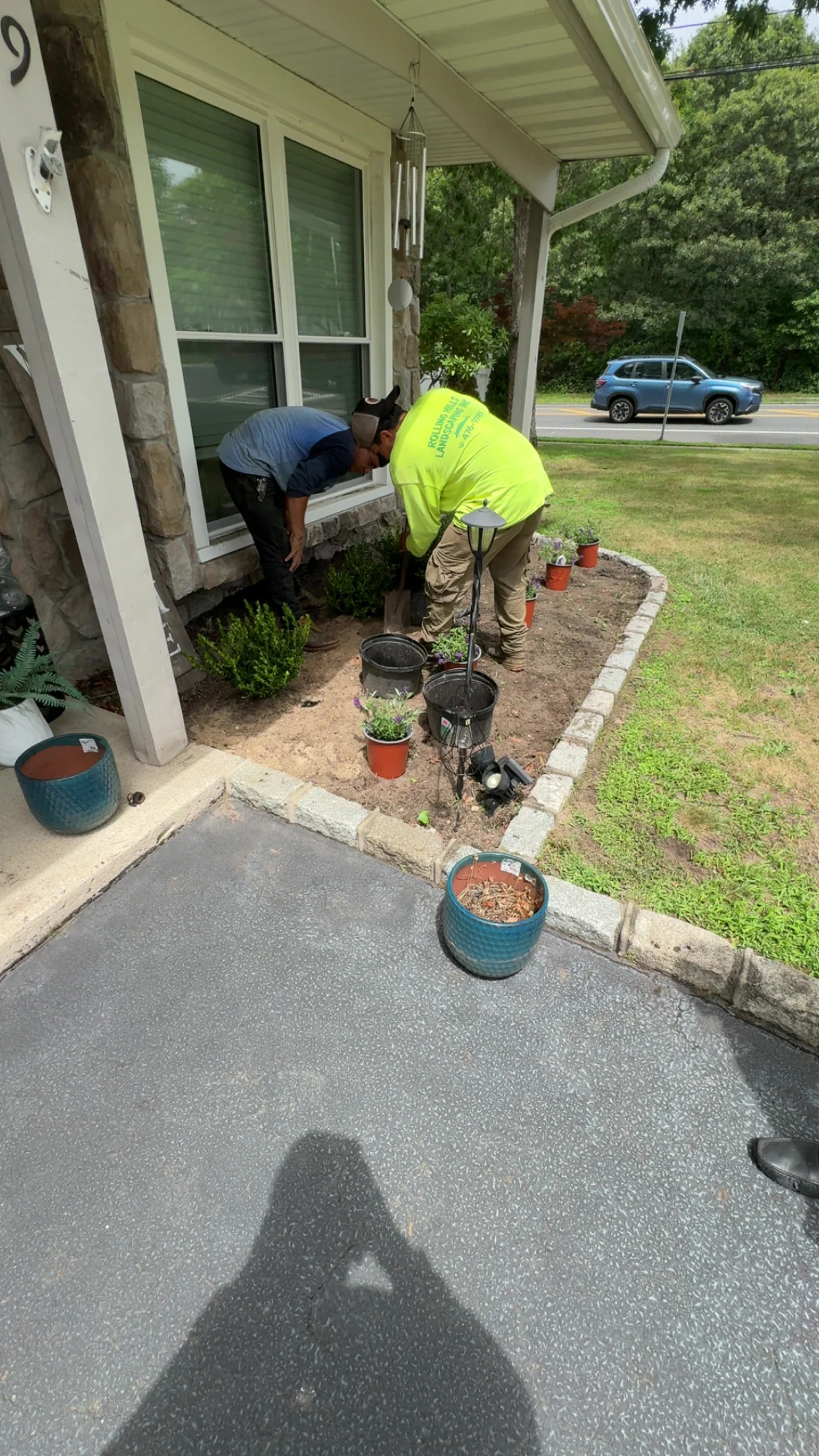
Then we get to work with hand-pulling. We’re removing weeds at the root level, which takes longer but actually solves the problem instead of just hiding it for a week. We’re careful around your established plants—those expensive perennials and shrubs that can’t handle aggressive pulling or chemical treatments.
After the initial cleanup, we recommend a maintenance schedule based on what we saw. Most Sayville properties do well with bi-weekly visits during growing season and monthly maintenance in fall. We’re also checking your plants while we’re there—catching pest problems, disease issues, or drainage concerns before they become expensive fixes.
You get a text when we’re on our way, and we clean up completely before we leave. No piles of pulled weeds sitting in your driveway, no mess left behind.

Ready to get started?
Every visit includes complete hand-pulling of visible weeds in all designated garden beds, careful removal that protects root systems of your desirable plants, and disposal of all pulled material. We’re not leaving bags of weeds for you to deal with.
We also edge your beds during each visit, which keeps mulch in place and creates that clean line that makes properties look maintained. If we spot issues—a plant that’s struggling, early signs of pests, drainage problems developing—we let you know before it becomes a bigger problem.
Sayville’s dense suburban layout means your property is always visible to neighbors. Professional garden bed maintenance keeps your landscaping looking intentional and well-cared-for, which matters in a community where median property values exceed $615,000. Regular seasonal weeding and mulching prevent the expensive cycle of replacing plants and mulch every year because weeds have taken over.
For properties with specific challenges—invasive species like Japanese knotweed, beds near salt-spray areas, or high-traffic zones where weeds return quickly—we adjust our approach. Suffolk County’s coastal conditions require local knowledge, not generic solutions.

Most Sayville properties need attention every two weeks during active growing season, which runs roughly April through October here. That’s when weeds are germinating constantly and can overtake a bed in less than a week if conditions are right.
During spring, you might need weekly visits because everything is growing aggressively. Summer can sometimes stretch to every three weeks if we’ve had dry weather. Fall tapers off to monthly maintenance as growth slows.
The real answer depends on your specific property. Beds in full sun with fresh mulch stay cleaner longer. Shaded areas near trees or beds that don’t get much attention tend to need more frequent work. After the first visit, we can give you an honest assessment of what your property actually needs—not just sell you the most expensive package.
Hand-pulling takes significantly more time and labor, but it’s the only method that doesn’t risk damaging your expensive perennials and shrubs. Herbicides don’t discriminate—they can drift onto desirable plants, accumulate in soil, or create dead zones where nothing grows well.
In Sayville’s established neighborhoods, most properties have mature landscaping worth protecting. You’ve got hostas that have been growing for years, ornamental grasses that cost $40-60 each, shrubs that would cost hundreds to replace. Manual weed removal means we’re working carefully around those investments.
There’s also the Suffolk County regulatory environment to consider. There are specific restrictions on fertilizer and chemical applications here, and homeowners are increasingly concerned about what’s going into their soil and potentially affecting the Great South Bay watershed. Hand-pulling eliminates those concerns entirely while delivering results that last longer than surface treatments.
Salt air changes everything. You’re dealing with different weed species that tolerate saline conditions, soil that behaves differently because of salt accumulation, and plants that are already stressed from coastal exposure. That means weeds can actually outcompete your desirable plants more easily here than they would a few miles inland.
Temperature swings are also more dramatic near the water. A warm spell in March can trigger early weed germination, then a late frost doesn’t kill the weeds but does damage your perennials. Knowing when to start seasonal maintenance matters more in Sayville than it does in, say, Smithtown or Hauppauge.
Your proximity to the Great South Bay also means you’re likely more conscious of runoff and water quality. Manual removal means nothing is washing into storm drains or eventually making its way to the bay. For homeowners who care about environmental impact—and many Sayville residents do—that’s not a small consideration.
Yes, but it requires knowing what you’re looking at. The biggest risk isn’t the physical act of pulling—it’s misidentifying plants and removing something valuable, or pulling too aggressively near shallow-rooted perennials.
We’re identifying plants before we pull anything on the first visit. If there’s any question about whether something is a weed or a volunteer perennial, we ask. Some homeowners have self-seeding flowers they want to keep, or they’re letting certain plants naturalize in specific areas.
The actual removal technique matters too. We’re loosening soil around the weed first if needed, pulling steadily rather than yanking, and making sure we’re getting the root system without disturbing everything around it. For weeds growing directly against hostas or other delicate plants, we’re using hand tools to work carefully rather than just grabbing and pulling. It takes longer, but your plants stay healthy and undamaged.
They will—that’s normal and expected. Weed seeds are constantly present in soil, and new ones blow in regularly. A single weed can produce thousands of seeds, and some weed seeds remain viable in soil for years waiting for the right conditions to germinate.
Regular maintenance keeps the population manageable rather than letting it explode. When we’re removing weeds every two weeks, we’re catching them before they flower and set seed, which means fewer weeds in future visits. Over time, your beds actually get easier to maintain because we’re reducing the seed bank in your soil.
If you’re seeing significant regrowth between visits—like beds that look weedy again within a few days—that usually indicates either an invasive species that needs more aggressive management, or an underlying issue like poor mulch coverage or soil conditions that favor weed growth. We’d rather adjust the maintenance plan or address the root cause than just keep pulling the same weeds every week without solving the actual problem.
That depends entirely on what your time is worth and whether you actually enjoy the work. If you find weeding meditative and you’ve got the time, there’s nothing wrong with maintaining your own beds.
Most Sayville homeowners we work with have realized they’re spending 4-6 hours every weekend on garden maintenance during growing season. That’s 150+ hours annually that could go toward literally anything else. When you factor in the physical strain—the knee pain, the back soreness, the repetitive motion issues—it becomes less about cost and more about quality of life.
There’s also the expertise factor. We’re catching problems you might miss until they’re serious. We know which weeds indicate drainage issues, which ones suggest your soil pH is off, and which ones are invasive species that need immediate attention. That knowledge can save you money on plant replacement and prevent small problems from becoming expensive fixes. You’re not just paying for weeding—you’re paying for someone who knows what they’re looking at and can maintain your landscaping investment properly.
Other Services we provide in Sayville