
24/7 Emergency Storm ResponseServing all of Long IslandStorm services →Call 631-302-9511
Hear from Our Customers

You know what weeds do in East Hampton. They show up fast, they spread faster, and they make your entire landscape look neglected no matter how much you spent on the original plantings.
Here’s what changes when someone’s actually pulling them by hand on a regular schedule. Your garden beds stay defined. Your mulch stays visible. Your perennials get room to breathe instead of competing with crabgrass and dandelions for nutrients.
The bigger shift is what doesn’t happen. No brown spots on your hostas from overspray. No dead patches in your lawn from chemicals drifting during application. No complaints from neighbors about runoff or smell. Just cleaner beds and healthier plants that actually thrive in the coastal conditions we deal with here.
We’ve been handling residential weed control across Long Island for over four decades. We’re based in Smithtown, fully licensed and insured, and we’ve seen what works in coastal properties and what doesn’t.
East Hampton isn’t like inland Long Island. You’re dealing with salt spray, sandy soil, coastal winds, and plants that need protection, not chemicals. We get that because we’ve been maintaining properties here long enough to know which perennials survive and which weeds come back hardest after a storm.
You’re not getting a crew that shows up with a backpack sprayer and calls it done. You’re getting manual weed removal from people who know the difference between invasive species and native ground cover.

We start with a walkthrough of your garden beds to identify what stays and what goes. That matters more than you’d think, especially if you’ve got native plants or salt-tolerant species that some crews mistake for weeds.
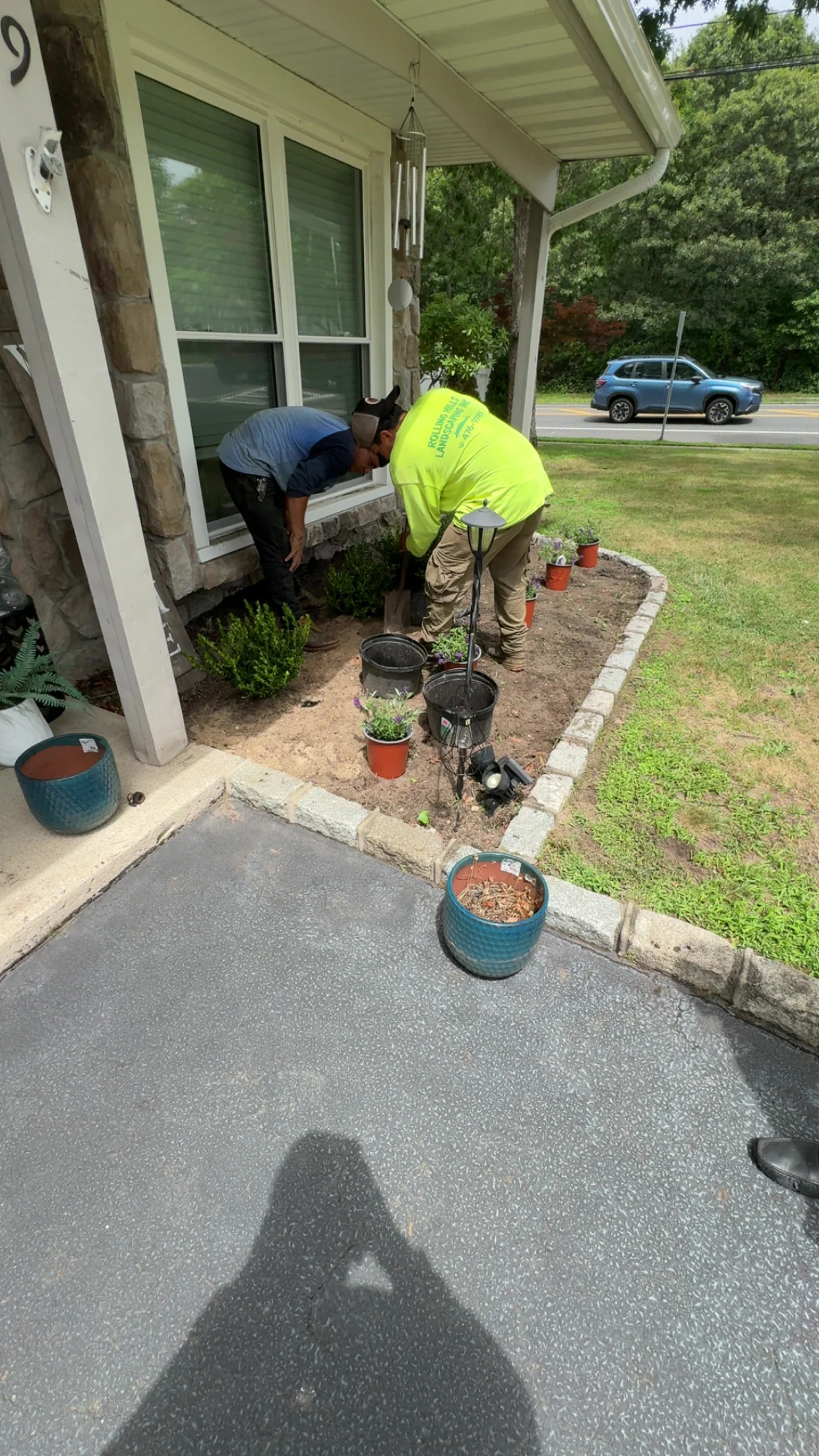
Then we hand-pull everything at the root level. No spraying, no tilling, no shortcuts that damage your established perennials. We’re pulling from the base so it doesn’t just snap off and regrow in two weeks.
After the beds are cleared, we haul everything off your property. You don’t get stuck with piles of pulled weeds sitting in your driveway or decomposing in your yard waste bins. We also take notes on problem areas so we can hit them harder on the next visit.
If you’re on a seasonal weeding and mulching schedule, we’ll coordinate timing based on what’s actually happening in your beds, not some arbitrary calendar. Early spring and fall are usually ideal here, but coastal properties sometimes need adjustments depending on storm damage or erosion.

Ready to get started?
Every visit includes full garden bed cleanup with meticulous hand-pulling of all visible weeds. We’re not just hitting the obvious stuff and calling it done. We’re working around your perennials, pulling invasives at the root, and making sure your beds look finished when we leave.
You also get protection for salt-tolerant plants that are expensive to replace. Bayberry, beach plum, switchgrass—these aren’t plants you want someone dousing with chemicals. We know what thrives in East Hampton’s coastal conditions and we treat those plantings accordingly.
Here’s what else matters in this area: East Hampton has strict regulations on gas-powered equipment during peak season. From May 20 to September 20, you can’t run certain blowers or tools. That makes manual services even more valuable when other companies are limited in what they can do. We’re already set up for hand work, so seasonal bans don’t slow us down.
We’re also pulling invasives that the Village has been actively fighting, like the stuff that’s taken over areas near Town Pond. If it’s on your property, it’s spreading. If we’re there regularly, it’s not.

Most East Hampton properties need weeding every four to six weeks during the growing season. That’s April through October when weeds are actively sprouting and spreading.
If your property is directly on the coast or you’ve got sandy soil with a lot of sun exposure, you might need more frequent visits. Weeds grow faster in disturbed soil, and coastal erosion or storm damage can create ideal conditions for invasives to move in.
The other factor is what you’ve got planted. If your beds are mostly native perennials or salt-tolerant species, they’ll naturally crowd out some weeds once they’re established. But if you’ve got newer plantings or a lot of mulched areas, those are prime real estate for crabgrass and dandelions. We can assess your property and give you a realistic schedule based on what we’re actually seeing, not some generic recommendation.
For East Hampton properties, yes. Here’s why that matters more here than inland.
Salt spray and coastal winds already stress your plants. Adding chemical herbicides on top of that can push salt-sensitive species over the edge. Even salt-tolerant plants can take damage if chemicals drift during application or if you get runoff during a storm.
Hand-pulling removes the entire root system, which means you’re not just killing the top growth and hoping the roots die off. You’re physically removing the plant so it can’t regrow. That’s especially important with invasives that have deep taproots or spreading root systems.
The other issue is regulatory. East Hampton has been moving toward stricter environmental protections, and chemical applications near water or wetlands are increasingly restricted. If your property is anywhere near a pond, creek, or coastal buffer zone, manual removal is often the only compliant option. You’re also not dealing with neighbor complaints about drift or smell, which matters when houses are close together.
Crabgrass is the big one. It loves sandy soil and full sun, which means it’s everywhere in coastal properties. It spreads fast and it chokes out ground cover if you don’t stay on top of it.
Dandelions and clover show up in lawns and garden beds, especially in areas with compacted soil or poor drainage. They’re perennials, so they come back every year unless you pull the entire taproot.
Invasive species are the real problem in East Hampton. Japanese knotweed, mugwort, and phragmites are aggressive spreaders that the Village has been actively fighting. If they’re on your property, they’re moving into your beds and crowding out everything else. These need consistent removal because they regrow from tiny root fragments.
You’ll also see chickweed, purslane, and spurge in mulched beds, especially after rain. These are annuals, but they seed prolifically, so one plant turns into dozens if you wait too long between weeding sessions.
Not if it’s done right. That’s the entire point of hand-pulling instead of spraying or tilling.
When we’re working in your beds, we’re pulling weeds at the base without disturbing the root systems of your perennials. That means your hostas, daylilies, ornamental grasses, and shrubs stay intact. We’re not yanking on plants or digging around roots in a way that destabilizes them.
The risk with chemical applications is drift and overspray. Even targeted herbicides can damage nearby plants if wind conditions aren’t ideal or if the applicator isn’t careful. In East Hampton, where you’ve likely got salt-tolerant coastal species that are already stressed, that chemical damage can kill plants outright.
Tilling is even worse. It cuts through root systems, brings up weed seeds that were dormant in the soil, and creates erosion problems in sandy coastal soil. Hand-pulling avoids all of that. You get clean beds without collateral damage to the plants you actually want to keep.
We haul everything off your property. You don’t get stuck with piles of pulled weeds sitting in your driveway or taking up space in your yard waste bins.
This matters more than it sounds like. Pulled weeds can reseed if they’re left sitting in a pile, especially if they’ve already flowered. Dandelions, crabgrass, and clover will all drop seeds even after they’ve been pulled. If those seeds blow back into your beds, you’re right back where you started.
We also remove any debris we pull up with the weeds—dead leaves, old mulch, sticks, whatever comes out during the process. That keeps your beds looking clean and prevents decomposing plant matter from creating fungal problems or attracting pests.
If you’re on a regular service schedule, we’ll coordinate removal timing so you’re never stuck with debris between visits. Everything gets cleared the same day we do the work.
Yes. Most of our East Hampton clients aren’t on-site when we’re working, especially if they’re seasonal residents or property managers handling multiple locations.
We can work with lockbox access, gate codes, or just show up during your specified time windows. We don’t need you home to get the work done, and we’ll leave service notes so you know exactly what we did and what we’re seeing in your beds.
If you’ve got specific plants you want us to avoid or areas that need extra attention, just let us know up front. We’ll make notes in your service file so every crew member who works on your property knows what to watch for.
Scheduling flexibility matters in East Hampton because of seasonal equipment restrictions and weather conditions. We’ll work around those limitations and adjust timing based on what’s actually happening with your landscape, not some rigid calendar. If a storm tears up your beds or you’ve got an event coming up and need service moved up, we’ll make it happen.
Other Services we provide in East Hampton