
Hear from Our Customers

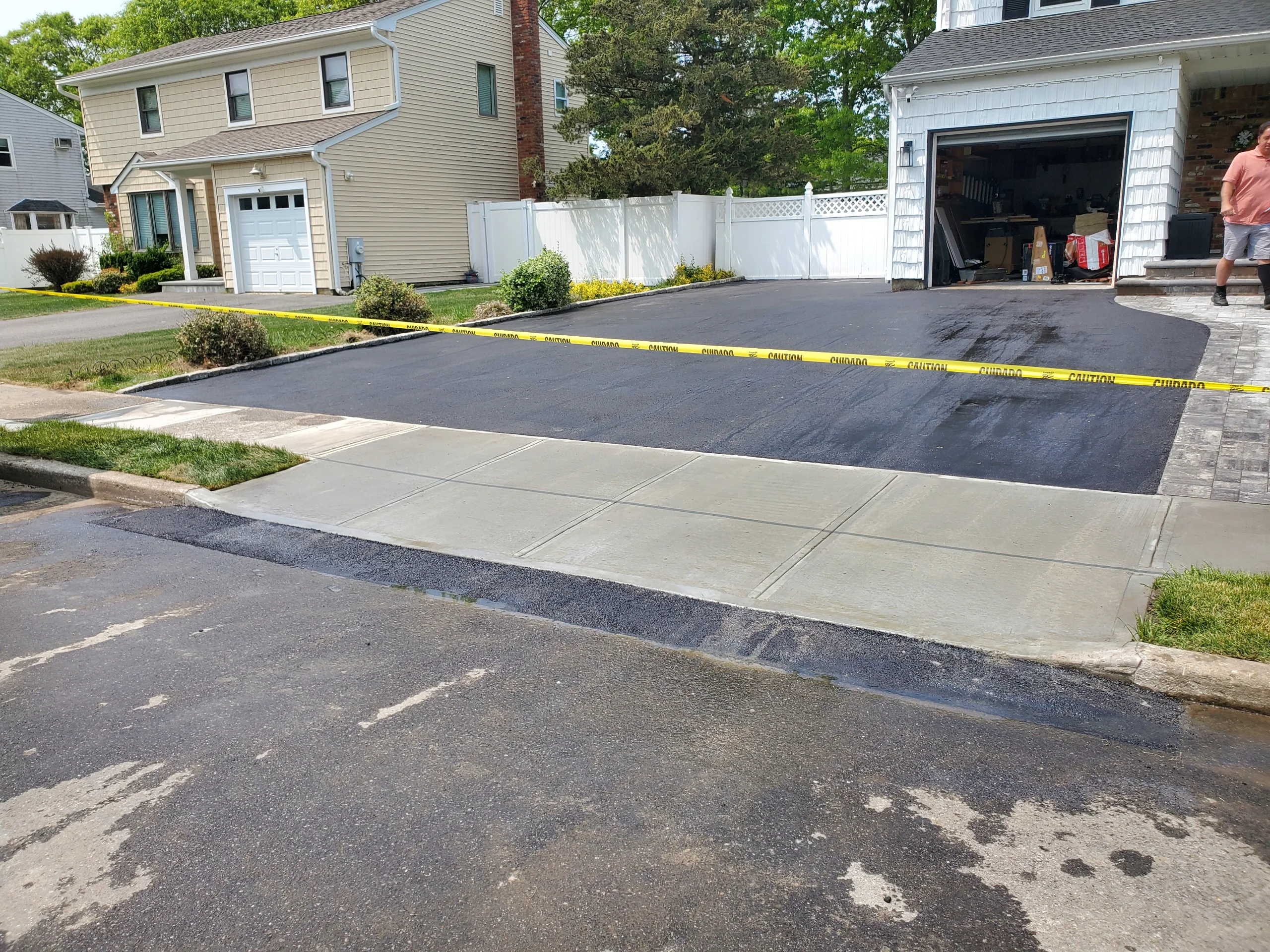
You’re looking at water that flows away from your foundation instead of pooling near it. That’s what happens when concrete grading is done right for East Islip’s clay soil and drainage realities.
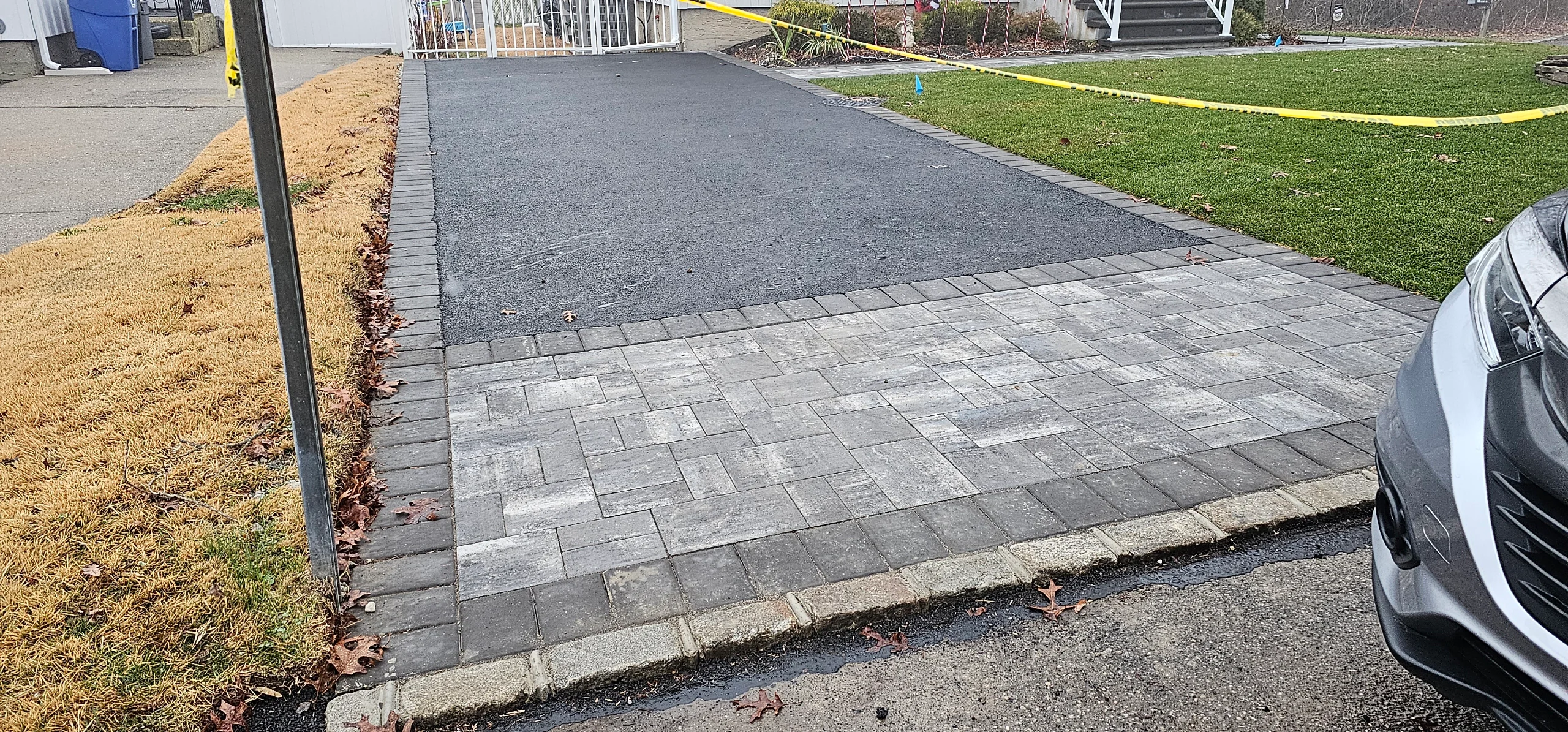
A new driveway apron with Belgian block isn’t just about looking sharp in front of the neighbors. It’s about protecting the edge of your driveway from erosion and freeze-thaw damage that cracks cheaper materials within a few seasons. In neighborhoods where homes are pushing $700K and higher, that kind of detail matters.
Concrete curb installation and sidewalk repair done with laser-guided equipment means every fraction of an inch counts. On Long Island’s flat terrain, proper slope makes the difference between a dry yard and standing water that never goes away. You get structural work that holds up to Suffolk County’s wet springs and brutal winters, not just something that looks good for six months.
We operate out of Smithtown and work throughout Suffolk County. We’ve been handling concrete and masonry projects for East Islip homeowners who need more than surface-level fixes.
The difference is equipment and local knowledge. We use excavators and laser grading tools because eyeballing drainage on Long Island doesn’t work. Clay soil, high water tables near the coast, compacted dirt inland—every property has its own challenge. You need someone who’s seen it before and knows how to address it.
Licensed, insured, and focused on getting the grade right the first time. That’s what keeps water away from your foundation and prevents the kind of expensive repairs that come from shortcuts.

It starts with a site assessment. We look at your existing grade, drainage patterns, and soil conditions. On Long Island, this step determines everything—you can’t pour concrete over inadequate base prep and expect it to last through freeze-thaw cycles.
Next is excavation and base preparation. We remove unsuitable material, compact the subgrade, and install proper stone base. For Belgian block driveway aprons or curb installation, this is where precision matters most. A 5% slope away from your foundation—six inches per ten feet—is the standard for keeping water moving in the right direction.
Then comes the pour or installation. For concrete work, we use professional grading equipment to ensure consistent thickness and slope. For Belgian block, each stone is set individually with attention to alignment and stability. You’re not getting a rushed job that settles unevenly in a year.
Final grading and cleanup happen once everything cures. You get clear communication throughout, and we don’t leave until the site is clean and the work meets the standard you’re paying for.

Ready to get started?
You’re getting concrete driveways, aprons, curbs, and sidewalk repair that address East Islip’s specific conditions. That means proper base preparation for soil that shifts, drainage solutions for areas that stay wet, and materials that handle coastal moisture without breaking down.
Belgian block installation for driveway aprons and borders adds the kind of permanent curb appeal that increases property values in neighborhoods where details matter. Natural stone doesn’t crack like poured edges. It withstands heavy traffic and weather without the maintenance headaches of cheaper alternatives.
Masonry flatwork includes patios, walkways, and retaining walls built to last. In Suffolk County, where freeze-thaw cycles are harsh and drainage is always a concern, the difference between adequate and professional shows up fast. You’re investing in work that protects your foundation, prevents erosion, and holds up to Long Island’s climate year after year.
For properties with standing water issues or poor existing grading, we bring in excavation equipment to regrade entire areas. Sometimes fixing a drainage problem means going deeper than just resurfacing. You need someone with the machinery and experience to do it right.
Properly installed concrete with correct base preparation lasts 25 to 30 years in Suffolk County. The key is base depth and drainage—those are what fail first when concrete cracks prematurely.
East Islip’s clay soil and freeze-thaw cycles mean you need at least four to six inches of compacted stone base under any concrete pour. Without it, the ground shifts, water gets trapped underneath, and you’re looking at cracks within five years. That’s not a concrete problem—that’s a preparation problem.
Belgian block and natural stone last even longer because they’re not monolithic. Individual stones can shift slightly with ground movement without cracking. That’s why you see Belgian block aprons on older homes still looking solid while poured edges have failed. For Long Island conditions, it’s one of the smartest investments you can make.
You’re looking at 50% to 80% return on investment, which translates to $3,000 to $10,000 in added home value for a typical driveway replacement. In East Islip, where median home prices are around $724K, curb appeal upgrades carry more weight than in average markets.
A cracked, stained driveway is one of the first things buyers notice. It signals deferred maintenance and raises questions about what else hasn’t been taken care of. A clean concrete driveway with a Belgian block apron tells a different story—it says the property has been maintained to a higher standard.
Beyond resale value, you’re eliminating ongoing repair costs. Patching and sealing a failing driveway every few years adds up. Doing it right once means you’re done dealing with it for decades. That’s the real return—time and money you’re not spending on repeated fixes.
Long Island’s flat terrain means water doesn’t naturally run off—it sits. Without proper grading, you get pooling near foundations, soggy areas that never dry, and erosion that washes away landscaping. That’s not just annoying—it’s a foundation threat.
The standard is a 5% slope away from your home, which is six inches of drop over ten feet. On flat properties, achieving that requires laser-guided equipment and professional excavation. Eyeballing it doesn’t work. Even a quarter-inch error over distance means water flows the wrong direction.
Suffolk County’s clay soil makes this worse because it doesn’t drain well naturally. Water sits on top instead of percolating down. Combine that with coastal moisture and high water tables near the shore, and you understand why so many East Islip properties deal with drainage issues. Fixing it requires regrading with proper equipment—there’s no shortcut that actually works.
Belgian block doesn’t crack. That’s the main advantage. Poured concrete edges are monolithic—when the ground shifts or frost heaves, they crack as one piece. Belgian block is individual stones that can move slightly without failing.
For driveway aprons in East Islip, this matters because of freeze-thaw cycles. Water gets into small cracks, freezes, expands, and breaks concrete apart. Natural stone doesn’t have that vulnerability. Each block is solid granite or similar material that’s been handling weather for centuries in some cases.
The other advantage is curb appeal that actually increases property value. In neighborhoods where homes are $700K and up, details like Belgian block signal quality. It’s a quiet upgrade that doesn’t scream for attention but definitely gets noticed. And because it requires minimal maintenance, you’re not resealing or patching it every few years like you would with poured edges.
We address drainage before any concrete gets poured. That means identifying where water is coming from, where it’s going, and what’s causing it to pool. On Long Island properties, it’s usually a combination of flat terrain, clay soil, and inadequate grading from previous work.
The fix often involves regrading the area with excavation equipment to create proper slope. Sometimes that means bringing in additional fill material and compacting it in layers. For areas with serious water issues, we install drainage solutions like French drains or catch basins before the concrete work begins.
Once the base is properly graded and compacted, the concrete itself is poured with built-in slope to keep water moving. For driveways and aprons, that means water flows to the street or designated drainage areas—not toward your foundation or into low spots where it sits. This is where laser-guided equipment makes the difference. You can’t achieve consistent slope across a large area without it.
Concrete work runs $8 to $15 per square foot depending on site conditions, access, and prep requirements. Belgian block installation is higher—typically $25 to $40 per linear foot for driveway aprons because of the labor and material cost. These aren’t budget numbers, but they reflect what it takes to do the work correctly for Long Island conditions.
The variables are base preparation and drainage fixes. If your property needs significant regrading or excavation to address water issues, that adds to the cost. But skipping that step to save money up front means you’re paying for repairs within a few years. It’s not actually cheaper—it just delays the real expense.
For East Islip properties where home values are well above county averages, the investment makes sense. You’re protecting a $700K+ asset and adding permanent curb appeal that increases resale value. The ROI on quality concrete and masonry work is measurable—both in property value and in repairs you’re not making down the road.
Other Services we provide in East Islip