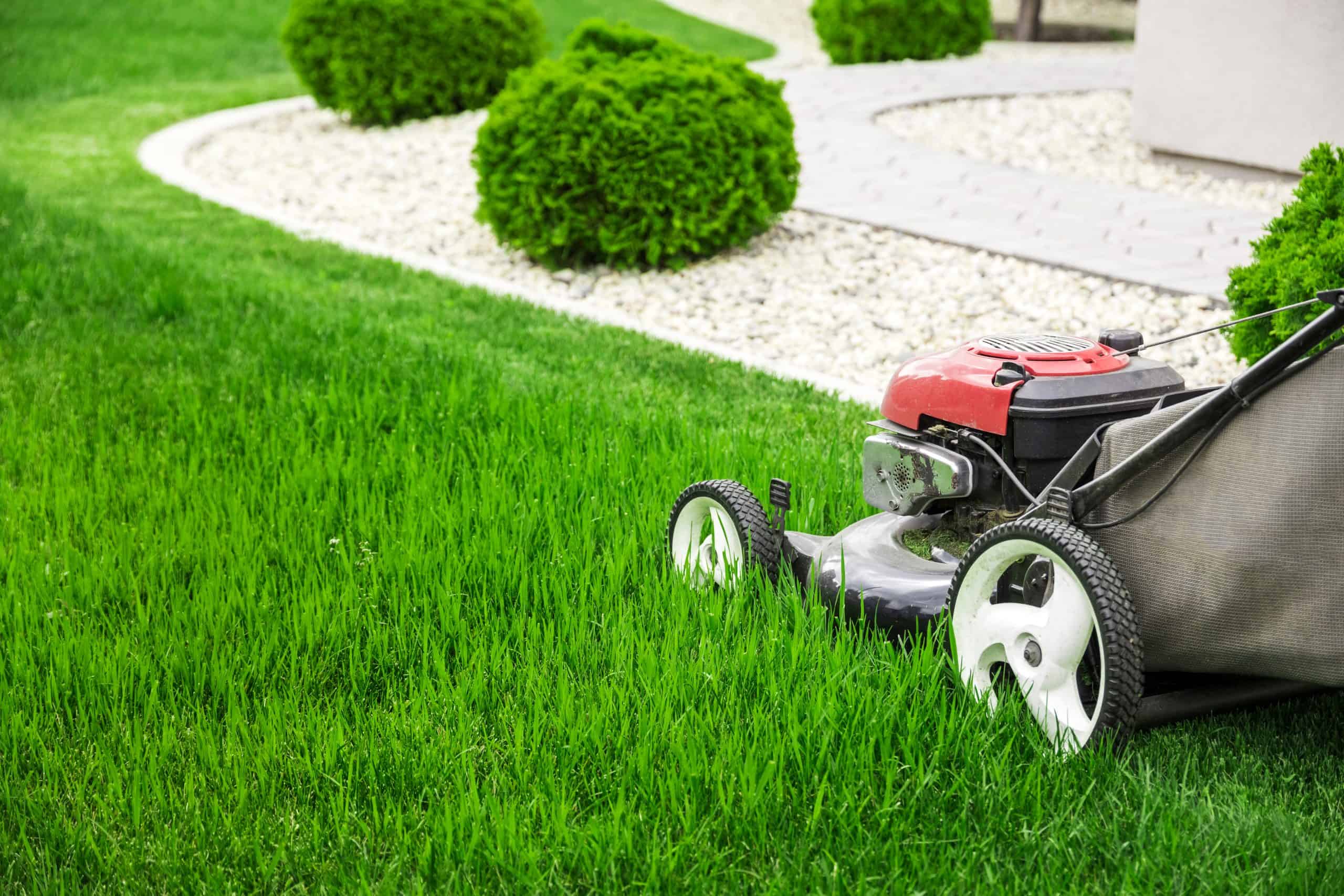
Wondering what brush removal actually costs on Long Island? Here's what Suffolk County homeowners are paying in 2026 — and what drives the price up or down.
Share:
Summary:
You’ve got overgrown brush taking over part of your property — maybe the back corner, maybe the whole side yard — and you want to know what it’s going to cost to deal with it. That’s a reasonable question, and it deserves a straight answer.
The problem is most of the cost guides you’ll find online quote national averages that have nothing to do with what you’ll actually pay in Suffolk County. Long Island has its own cost reality: higher labor rates, tighter disposal options, and vegetation that grows fast and comes back faster if it’s not handled correctly. We’ve been clearing overgrown properties across Suffolk County for years, and this guide gives you the clearer picture of what brush removal actually costs here, and what’s worth knowing before you hire anyone.
For a standard residential property on Long Island, brush removal typically runs $145 to $595 for lighter work — think overgrown shrubs along a fence line or a manageable pile of storm debris. For denser vegetation, invasive plant growth, or larger wooded areas, the cost climbs to $800 to $3,000 per acre or more.
Overgrown yard cleanup — which usually includes mowing, trimming, debris removal, and basic clearing — averages $400 to $800, or $50 to $100 per hour depending on the crew and scope. These aren’t national numbers pulled from a pricing database, but they’re the closest real-world benchmarks available. Local rates across Suffolk County tend to run at the higher end of those ranges given Long Island’s cost of labor and disposal.
If you’ve seen guides quoting $20 to $200 per acre for brush removal, those figures are technically accurate — for light brush in low-cost rural markets. They are not accurate for Suffolk County, and treating them as a benchmark will lead to sticker shock when real quotes come in.
Labor rates in Suffolk County are significantly above the national average. Disposal is more expensive here because you’re on an island — debris can’t just be hauled to the nearest regional landfill the way it can in central Pennsylvania. And the vegetation itself tends to be denser and more complex than what those national averages assume.
Suffolk County also has a specific invasive plant problem that adds to the complexity of many clearing jobs. Japanese knotweed, phragmites, Oriental bittersweet, and multiflora rose are all common throughout the county. These species don’t just grow fast — they’re legally restricted from being sold or propagated under a Nassau and Suffolk County ordinance that went into effect in 2009, covering 63 invasive plant species. Removing them properly takes more than a quick cut-and-chip. If the root system isn’t addressed, they come back, and the job becomes a recurring cost rather than a one-time fix.
Long Island’s humid summers accelerate vegetation growth in ways that catch homeowners off guard. A property that looks fine in May can be visibly overgrown by late July. That growth cycle means that waiting — even a single season — can turn a $600 cleanup into a $2,000+ clearing project. It’s not a sales pitch; it’s just how fast things move here when the heat and humidity kick in.
The other factor worth knowing is that brush removal rarely stands alone as a single-line item. Most projects involve some combination of cutting, chipping, debris hauling, stump grinding, and potentially grading or lawn restoration afterward. When you’re comparing quotes, make sure you’re comparing the same scope — not just the brush cutting number.
Understanding what goes into a brush removal job helps you evaluate quotes more accurately and set realistic expectations for timeline and cost.
The process starts with a site assessment. We look at what’s there — the density of the vegetation, the types of plants, the terrain, and any access limitations. A flat, open lot in Smithtown is a very different job from a steep, wooded slope in Huntington or a wetland-adjacent property in Brookhaven. Terrain matters because it affects what equipment can be used and how long the job takes.
Once the scope is clear, the actual clearing begins. Depending on the size and density of the vegetation, this might involve hand tools for tight spaces, a brush cutter or chipper for mid-size shrubs and saplings, or heavier equipment for larger clearing projects. Forestry mulching — where a machine grinds vegetation directly into mulch on-site — is increasingly common for larger properties. It typically costs $150 to $250 per hour or around $400 per acre and eliminates the need to haul debris off-site, which can offset some of the equipment cost.
After the clearing is done, debris needs to go somewhere. This is where a lot of homeowners get caught off guard. Some contractors cut and leave — the brush is cleared, but you’re left with a pile of chips and branches that you now have to deal with yourself. A complete job includes hauling all debris off the property. On Long Island, that hauling cost is real, and it should be in your quote upfront, not added afterward.
Open burning is not a practical alternative here. Suffolk County has burn restrictions, and Governor Hochul issued a burn ban specifically for Long Island in response to brush fires in Suffolk County — particularly given the fire risk near the Pine Barrens in areas like Ridge, Manorville, and Rocky Point. If a contractor or neighbor suggests just burning the pile, that’s not a viable option for most properties in this county.
Want live answers?
Connect with a Rolling Hills Property Services Inc expert for fast, friendly support.
Two properties of the same size can have very different cleanup costs depending on what’s actually growing there and how long it’s been left alone. The density and type of vegetation is the single biggest cost driver — light weeds and thin shrubs clear quickly, while thick woody growth, invasive vines, or established saplings take significantly more time and equipment.
Accessibility matters too. A crew can move efficiently on flat, open ground. Add slopes, fencing, structures, or a property that backs up to a nature preserve or wetland area, and the job gets slower and more complicated. Stump grinding — if small trees are being removed — typically runs $100 to $400 per stump and is often a separate line item from the brush clearing itself.
There’s a meaningful difference between pulling weeds from a garden bed and dealing with a property that’s been overtaken by invasive vegetation. The former is a maintenance task. The latter is a clearing project, and the cost reflects that.
For standard weed removal from a manageable area — beds, borders, smaller sections of a yard — you’re typically looking at $50 to $100 per hour for professional service. For a yard or lot that’s been taken over by invasive species, the cost scales quickly because the work is more intensive and requires follow-up to prevent regrowth.
In Suffolk County, phragmites are a particularly common problem. They grow in dense stands, spread aggressively through root systems, and are especially prevalent near wetlands and drainage areas — which describes a significant portion of property in this county. Cutting phragmites without treating the root system is essentially a temporary fix. It looks cleared, but it comes back the following season with the same density. A proper removal approach accounts for this, which is why weed removal service cost for invasive species often runs higher than homeowners initially expect.
The same logic applies to Japanese knotweed, which is one of the more aggressive invasive plants in the northeast. It spreads through underground rhizomes and can re-establish from a small fragment of root left in the soil. Removing it correctly — not just cutting it back — is a more involved process, and any contractor who quotes it the same as basic brush clearing either doesn’t know what they’re dealing with or isn’t planning to address it properly.
For properties with significant invasive plant growth, the honest answer is that cost is tied directly to the approach. A cheap quote for invasive species removal often means a surface-level job that will need to be done again. A thorough job — one that addresses root systems and removes debris properly — costs more upfront but doesn’t turn into a recurring expense.
It’s a fair question. Renting a chipper and clearing the brush yourself sounds like a way to save money. For a small, manageable pile — a few shrubs after a storm, some overgrown hedges along a fence — DIY can make sense. But the math changes quickly once the job gets bigger.
A wood chipper rental runs $200 to $400 per day before you factor in fuel, the time it takes to load and run the machine, and what you do with the chips afterward. If you need to haul debris off-site, that’s a separate trip — or several — with a truck and trailer. For anything larger than a modest cleanup, the equipment rental cost alone starts to close the gap with professional pricing, and you’re also doing the physical labor yourself.
There’s also the question of what you’re dealing with. If the overgrowth includes invasive species, clearing it without the right knowledge can actually make things worse — spreading root fragments, chipping seed-bearing material, or leaving enough of the plant behind to re-establish quickly. A professional crew that knows Suffolk County’s specific plant problems can identify what’s there and handle it accordingly.
Beyond the practical side, there’s a liability consideration. If a neighbor’s property is involved, if you’re working near a fence or structure, or if the job involves removing anything that could fall unpredictably, a licensed and insured contractor protects you in a way that a rented chipper doesn’t. Workers’ compensation coverage matters if someone gets hurt on your property. That’s not a theoretical risk — it’s a real one, and it’s worth factoring into the DIY calculation.
For most Suffolk County homeowners dealing with anything beyond a minor cleanup, professional brush removal ends up being the more practical choice when you account for the full cost of doing it yourself.
The most important thing to take away from this guide is that brush removal cost in Suffolk County is shaped by local factors — the vegetation, the terrain, the disposal logistics, and the specific invasive plants that are common to this area. National averages are a starting point, not a budget.
We’re Rolling Hills Property Services Inc, and we’re based in Smithtown serving homeowners across Suffolk County, from Huntington and Islip to Brookhaven, Riverhead, and Southampton. We offer free consultations and free quotes, and you can get a fast response by texting 631-652-8035 for pricing and availability. No vague estimates, no waiting days for a callback — just a straight answer from a local crew that knows what they’re looking at.
Article details:
Share:
Continue learning: