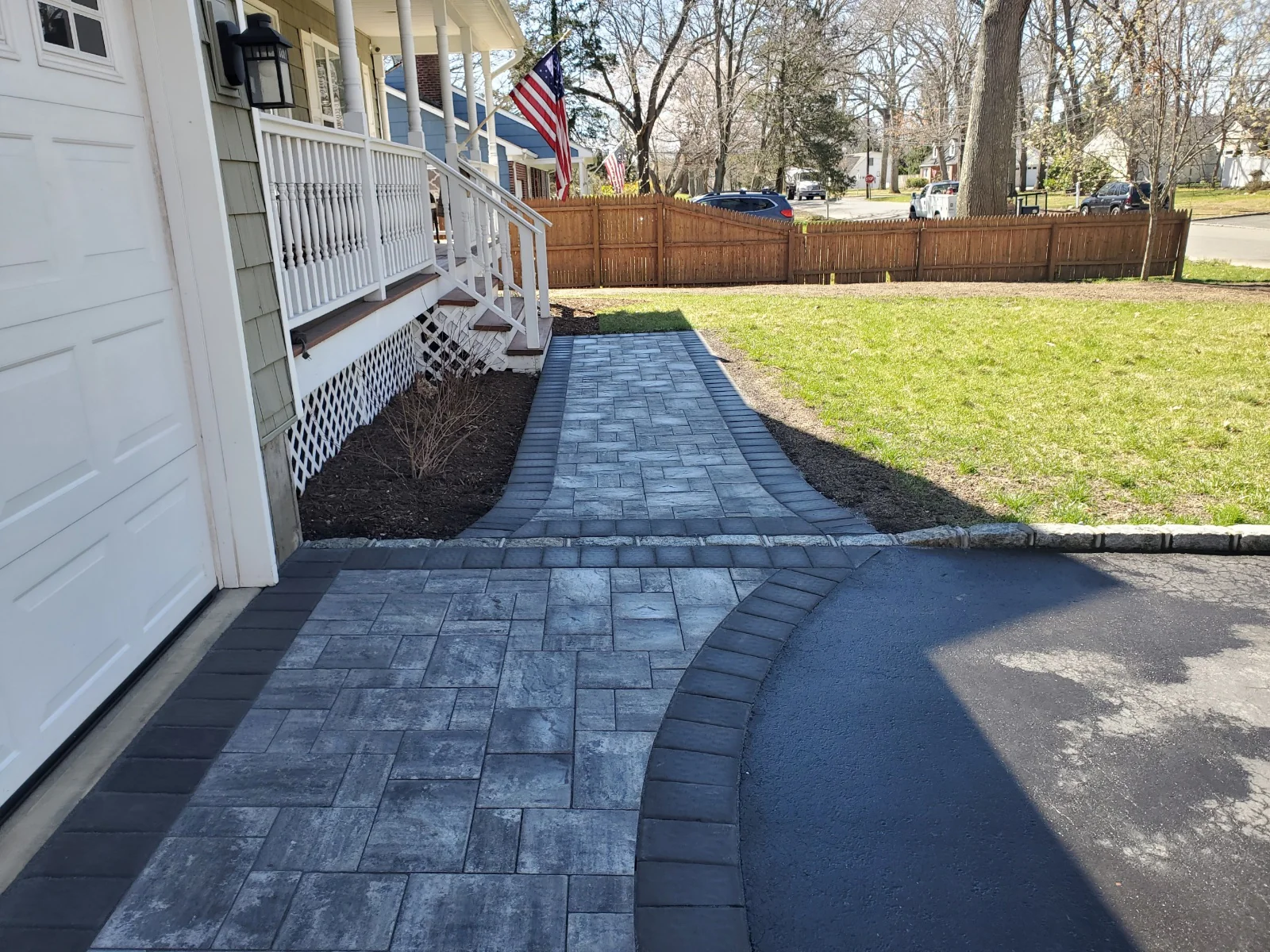
Choosing the right concrete contractor means understanding the installation process and what separates quality work from shortcuts that show up later as cracks and settling.
Share:
Summary:
You’re planning a concrete project for your Suffolk County property, and you’ve probably gotten a few quotes that vary wildly in price. Some contractors promise quick turnarounds, others talk about soil testing and base preparation, and you’re left wondering what actually matters. The truth is, concrete installation done right involves specific steps that protect your investment from Long Island’s sandy soil and freeze-thaw cycles. This guide walks you through what professional residential concrete installation looks like, how to evaluate contractors who understand local conditions, and what timeline to expect from site prep to final curing. Let’s start with what makes residential concrete work different from commercial projects.
Residential concrete installation covers everything from driveways and patios to walkways and foundation work. The process involves more than just pouring concrete into forms and walking away.
Professional installation starts with site evaluation. We assess soil conditions, drainage patterns, and grade requirements before any digging begins. This matters especially in Suffolk County, where sandy and loamy soils drain well but shift easily when disturbed.
The installation itself follows a sequence: site preparation, excavation, base material installation, forming, pouring, finishing, and curing. Each step affects how your concrete performs over decades. Skip proper base preparation, and you’ll see settling within a few years. Rush the curing process, and the concrete won’t reach its full strength.
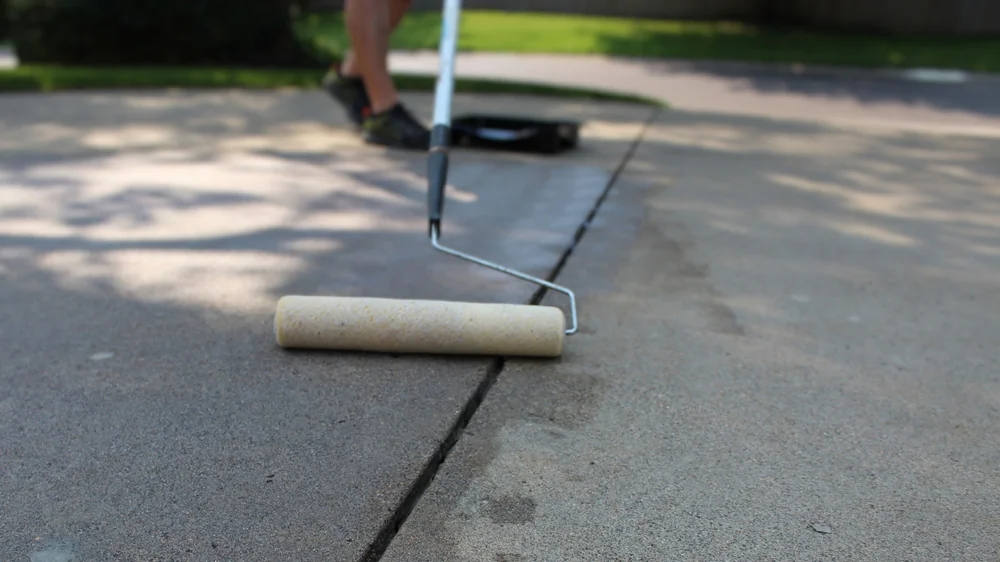
Residential concrete contractors focus on different priorities than commercial crews. You’re not pouring massive parking lots or industrial slabs. You’re creating outdoor living spaces, functional driveways, and pathways that need to look good while handling daily use.
Residential work requires attention to aesthetics. Your patio or driveway is visible every time you come home. Contractors working on homes should offer finish options beyond basic broom texture, understanding that you might want stamped patterns, exposed aggregate, or stained concrete that complements your property.
The scale differs too. Residential projects typically range from 200 to 1,000 square feet, while commercial work measures in thousands. This means residential contractors can dedicate more time to details like clean edges, proper slope for drainage, and matching existing concrete if you’re adding an extension.
Licensing and insurance matter for both, but residential contractors should carry coverage that protects your property specifically. Ask about general liability and workers’ compensation. If someone gets hurt on your property during installation, you want confirmation that their insurance handles it, not yours.
Long Island residential contractors should also understand local building codes and permit requirements. Suffolk County has specific regulations about setbacks, drainage, and concrete thickness for different applications. A contractor familiar with residential work in your area knows these requirements and factors them into project planning.
The timeline for residential concrete installation typically runs shorter than commercial projects. Most driveways, patios, or walkways can be completed in two to four days for the actual pour and finishing, though you’ll need to factor in site prep time before that and curing time after.
Concrete pouring companies handle the most critical phase of installation, but the pour itself represents just one step in a longer process. Understanding what happens before, during, and after the pour helps you evaluate whether a contractor is doing the work properly.
Before any concrete arrives, the site needs proper preparation. This starts with clearing vegetation, removing old concrete if you’re replacing an existing surface, and excavating to the correct depth. For Long Island properties with sandy soil, excavation typically goes 8 to 10 inches deep to allow for adequate base material.
The base layer comes next. We install crushed stone or gravel in layers, compacting each layer before adding the next. This creates a stable platform that resists the shifting and settling that plague poorly prepared installations. In coastal areas with high moisture, proper base preparation also aids drainage, preventing water from pooling under your concrete.
Forms are set along the edges of your project area, held in place with stakes. These forms define the shape and contain the concrete during pouring. For curved designs or custom shapes, we use flexible forming materials that can be bent to match your layout.
The concrete pour itself requires coordination. Ready-mix trucks deliver concrete mixed to specific strength requirements. For residential driveways, patios, and walkways, we typically use concrete with a compressive strength of 2,500 to 4,000 psi. The concrete needs to be placed quickly once it arrives, as it begins setting within a couple of hours.
During the pour, workers spread the concrete evenly, using vibrators to remove air pockets and ensure the mix fills all spaces completely. This prevents weak spots that could crack later. Once placed, the concrete is screeded, which means dragging a straight board across the surface to bring it to the proper grade and create uniform thickness.
Finishing follows screeding. Workers use floats to smooth the surface, then apply the final finish based on your preferences. A broom finish adds texture for traction. Stamping creates patterns that mimic stone or brick. Exposed aggregate reveals decorative stones in the mix. Each finish requires specific timing and technique.
Control joints are cut into the concrete while it’s still workable. These joints don’t prevent cracking entirely, but they control where cracks appear, keeping them in planned locations rather than random patterns across your surface.
After finishing, the curing process begins. Concrete doesn’t dry, it cures through a chemical reaction between cement and water. Proper curing requires keeping the concrete moist for several days and protecting it from temperature extremes. Your new concrete surface will take 7 to 10 days before you can use it for light traffic, and reaches about 70% of its full strength in seven days. Full strength comes at 28 days.
Want live answers?
Connect with a Rolling Hills Property Services Inc expert for fast, friendly support.
Choosing a concrete contractor determines whether your installation lasts decades or needs repairs within a few years. The lowest bid rarely delivers the best value, especially when you factor in Long Island’s specific challenges.
Start by verifying licensing and insurance. Licensed contractors have met requirements for safety, building codes, and professional standards. Insurance protects you from financial responsibility if accidents occur during your project. Ask for proof of both general liability and workers’ compensation coverage.
Experience with residential work matters. A contractor who primarily handles commercial projects may not give your patio or driveway the attention to detail it deserves. Look for contractors with portfolios showing residential projects similar to yours.
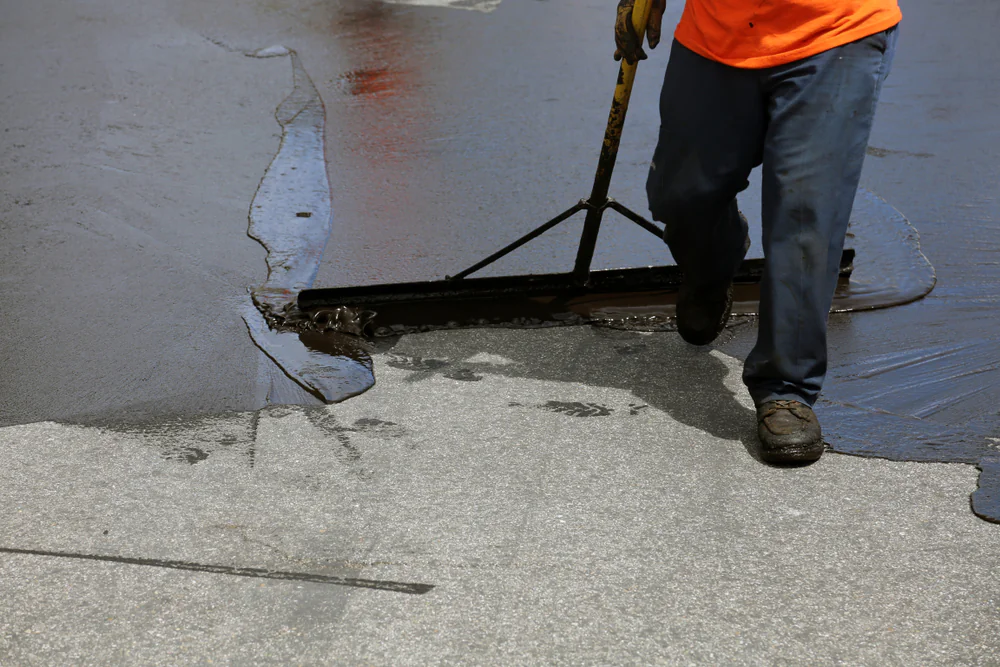
Long Island’s soil composition creates specific challenges that separate contractors who understand local conditions from those who don’t. Sandy and loamy soils dominate Suffolk County, and while these soils drain well, they shift easily when disturbed, making proper site preparation critical for residential concrete installation.
Professional contractors should conduct soil analysis before installation. This doesn’t mean expensive lab testing for most residential projects, but it does mean evaluating soil type, compaction, and moisture conditions. Sandy soil requires different base preparation than clay-heavy soil.
The excavation depth depends on your soil conditions and the project type. Standard preparation includes excavating 8 to 10 inches, though some situations require going deeper. The removed soil gets replaced with compacted gravel or crushed stone in layers. Each layer needs proper compaction before the next goes down, creating a stable platform that resists settling.
Drainage planning separates installations that last from those that fail prematurely. Water is concrete’s enemy. It weakens the base, accelerates freeze-thaw damage, and creates conditions for cracking and potholes. We grade the site to direct water away from your home and prevent pooling. In areas with poor natural drainage, French drains or other solutions may be necessary.
Long Island’s coastal location adds moisture considerations. High humidity and exposure to salty air can affect concrete over time. We discuss sealing options that protect against moisture penetration and salt damage when working with clients in coastal areas.
The water table matters too. In some Suffolk County areas, particularly near the coast, the water table sits high enough to affect excavation and base preparation. We evaluate whether your location requires special considerations for high groundwater.
Freeze-thaw cycles present another challenge. Long Island winters bring frequent temperature swings above and below freezing, sometimes multiple times per week. When water in concrete freezes, it expands, creating internal pressure. Proper air entrainment in the concrete mix creates tiny air pockets that give freezing water room to expand without damaging the concrete. Ask contractors whether they’re specifying air-entrained concrete for your project.
When you schedule concrete installation affects both the installation process and long-term performance. Long Island’s seasonal conditions create windows when concrete work proceeds smoothly and periods when it becomes more complicated. Understanding the concrete installation timeline helps you plan appropriately.
The ideal temperature range for concrete installation falls between 50°F and 90°F for both air and ground temperatures. Within this range, concrete cures at the intended rate, reaching proper strength without complications from extreme heat or cold.
Spring and fall offer the most favorable conditions in Suffolk County. Temperatures stay moderate, humidity levels remain reasonable, and you avoid both summer heat and winter freezing. Contractors typically stay busiest during these seasons, so booking early helps secure your preferred timeline.
Summer installation is possible but requires extra precautions. High temperatures cause concrete to set faster, which can make finishing more difficult and potentially compromise strength if the concrete dries too quickly. We use techniques like shading the concrete, adding ice to the mix, or scheduling pours for early morning when temperatures are cooler.
Winter installation presents the biggest challenges. Concrete that freezes before it cures can suffer permanent damage. If you must install concrete during cold months, we take special measures like heating the ground before pouring, using insulating blankets to protect the fresh concrete, and potentially adding accelerators to the mix to speed initial setting.
Weather forecasting matters. We monitor conditions for several days before and after your scheduled pour. Rain during or immediately after pouring can damage the surface and dilute the concrete mix. High winds can dry the surface too quickly. We’re willing to reschedule if conditions aren’t favorable.
The curing period requires patience. You’ll need to stay off your new concrete for at least 24 to 48 hours for foot traffic, though light use should wait 7 to 10 days. For driveways that will support vehicles, waiting the full 28 days before parking cars ensures the concrete reaches full strength.
During curing, the concrete needs protection. This might mean keeping it moist through periodic watering or covering it with plastic sheeting to retain moisture. We explain what curing method we’ll use and what role you’ll play in maintaining proper conditions.
Seasonal considerations extend beyond just temperature. Suffolk County’s coastal storms can dump significant rain with little warning. Spring nor’easters and summer thunderstorms can disrupt project timelines. Build some flexibility into your schedule to account for weather delays.
Quality concrete installation protects your investment through proper site preparation, appropriate materials for Long Island conditions, and contractors who understand Suffolk County’s unique challenges. The process takes time, from initial evaluation through the 28-day curing period, but rushing any step compromises long-term performance.
Focus on contractors who demonstrate local expertise, carry proper licensing and insurance, and explain their process clearly. Ask about soil preparation, base depth, concrete mix specifications, and curing procedures. Contractors who understand these details and can explain them in straightforward terms are more likely to deliver results that last. While concrete installation cost varies based on project size and complexity, investing in proper installation saves money over the long term by avoiding premature repairs.
When you’re ready to move forward with concrete installation for your Suffolk County property, we bring local Long Island expertise and comprehensive property maintenance services to residential projects throughout the area.
Article details:
Share:
Continue learning: