
Hear from Our Customers

You’re looking at crabgrass creeping through the mulch again. Mugwort spreading along the fence line. Garlic mustard choking out the hostas you planted three years ago.
It’s not neglect. It’s Long Island. Oakdale’s dense suburban garden beds are prime real estate for invasive species that don’t belong here but thrive anyway. Your property value sits at nearly $600,000, and the landscaping should reflect that.
Professional weeding services give you clean garden beds without spending your Saturday bent over pulling roots. You get hand-pulling precision that removes the entire weed system, not just what’s visible. Your perennials stay intact. Your mulch stays fresh. Your property looks maintained, not managed in desperation between other obligations.
The difference shows up when neighbors ask how you keep everything looking so sharp. It shows up when you’re not buying herbicides every month. It shows up in curb appeal that actually matches what you paid for the house.
We’ve been handling residential weed control across Suffolk County for years. We’re based in Smithtown, licensed and insured, and we’ve seen every invasive species Long Island throws at a property.
Oakdale’s established neighborhoods mean mature landscaping with dense plantings. That’s beautiful until nutsedge finds its way into the pachysandra or chickweed takes over the flower beds. We’ve worked these properties enough to know which weeds come back if you don’t get the root system, which ones spread through mulch, and which ones need seasonal attention before they become a bigger problem.
You’re not getting a crew that treats every property the same. You’re getting people who understand that your 1970s-era home has different landscaping challenges than new construction, and that Oakdale’s soil composition affects what grows and how aggressively it spreads.

We start with a property assessment. That means walking your garden beds, identifying what’s actually a weed versus what’s supposed to be there, and figuring out which invasive species are causing the most trouble. Not every property has the same problem, so we don’t use the same approach everywhere.
Manual weed removal comes next. We hand-pull weeds to get the entire root system out, which matters more than people realize. Cutting at soil level leaves roots that regrow. Pulling without technique breaks stems and leaves roots behind. We’re removing the whole plant so it doesn’t come back in two weeks.
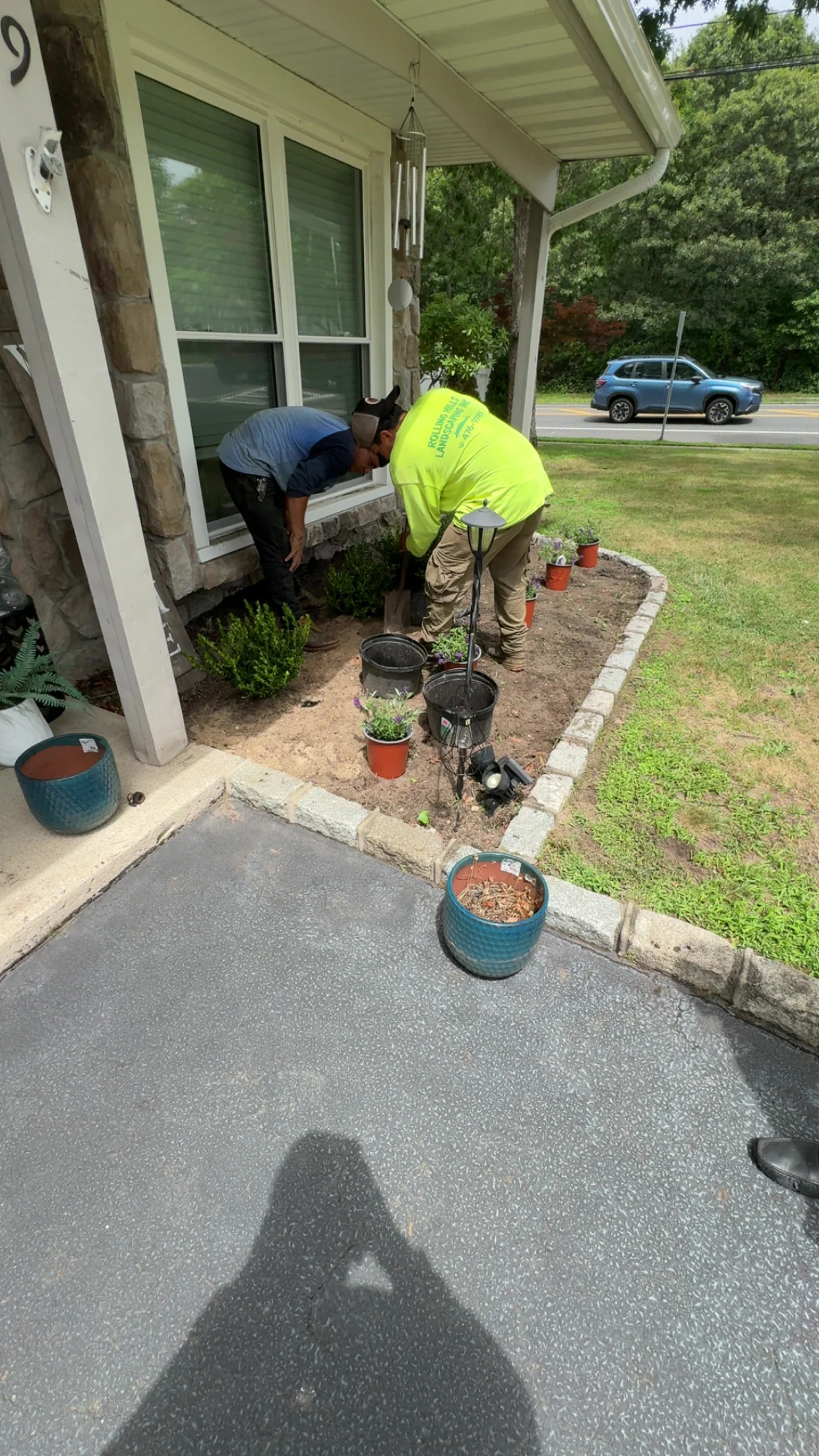
For dense suburban garden beds, we work carefully around existing perennials and shrubs. Your hostas, daylilies, and ornamental grasses stay undisturbed. We’re targeting the invasives, not everything green.
Seasonal weeding and mulching keep beds clean long-term. Spring addresses early growth before it spreads. Summer tackles heat-loving weeds like crabgrass. Fall removes anything trying to establish before winter. We also refresh mulch to suppress new growth and keep beds looking maintained between visits.
You get transparent pricing based on actual property assessment, not generic estimates. No hidden fees. No surprise charges. You know what it costs before we start.

Ready to get started?
You’re getting hand-pulling of all visible weeds, root systems included. That covers the usual suspects: crabgrass, chickweed, nutsedge, garlic mustard, mugwort, and whatever else decided your garden beds looked inviting.
We also handle invasive species management specific to Long Island. Oakdale properties deal with non-native plants that outcompete everything else if left unchecked. We identify and remove these aggressively because they don’t just look bad—they damage the ecosystem your property sits in.
Mulch refreshing comes standard when beds need it. Old mulch breaks down, loses color, and stops suppressing weeds effectively. We add fresh mulch to restore the barrier and improve appearance.
For properties with particularly dense plantings, we take extra care around root zones and ground covers. Your established landscaping represents years of growth and investment. We’re not tearing through beds to get weeds out faster. We’re working methodically to protect what’s supposed to stay while removing what shouldn’t be there.
Seasonal maintenance plans are available if you want consistent care without scheduling each visit. Spring, summer, and fall cleanups keep beds ahead of weed growth instead of constantly reacting to it. Most Oakdale homeowners with mature landscaping find this approach saves time and money compared to emergency cleanups when things get out of hand.

Most Oakdale properties need attention three to four times per year—early spring, late spring or early summer, mid-summer, and fall. That timing matches when weeds grow most aggressively and when intervention actually prevents spread instead of just reacting to it.
Spring weeding addresses early growth before root systems establish deeply. Garlic mustard, chickweed, and hairy bittercress start early and spread fast if not removed before they seed. By late spring, warm-season weeds like crabgrass begin appearing, and a second pass keeps them from taking over mulched areas.
Mid-summer targets heat-loving invasives that thrive in July and August. This is when nutsedge, purslane, and spurge become problems. Fall cleanup removes anything trying to establish before winter and prevents seeds from sitting in beds until spring.
Properties with particularly dense plantings or persistent invasive species might need more frequent visits. If you’re seeing the same weeds return within a few weeks, it usually means root systems weren’t fully removed or seeds are germinating from old growth. Either way, more frequent hand-pulling early on reduces how often you need service long-term.
Hand-pulling removes the entire plant, root system included, without chemicals. Herbicides kill what’s visible but often leave roots behind, especially with perennial weeds that regrow from underground structures. For residential weed control in garden beds with perennials, hand-pulling is more precise.
Herbicides don’t discriminate well in dense plantings. Spray drift affects nearby plants you want to keep. Granular herbicides can leach into root zones of shrubs and flowers. If your garden beds have hostas, daylilies, ornamental grasses, or ground covers, chemical treatments risk damaging them along with the weeds.
Manual weed removal also addresses invasive species more effectively. Mugwort, garlic mustard, and Japanese knotweed have extensive root systems that survive most herbicide applications. Pulling them repeatedly weakens the plant over time and eventually exhausts the root reserves.
That said, some situations benefit from targeted herbicide use—large infestations of aggressive spreaders, pre-emergent applications to prevent seed germination, or post-emergent treatments for specific weeds in turf areas. We assess each property individually and recommend the approach that makes sense for your landscaping, not a one-size-fits-all method.
Not if it’s done correctly. We’re trained to identify what belongs in your garden beds versus what’s invasive. That matters more than it sounds like it should, because some weeds look similar to ornamental plants early in growth, and some ground covers spread aggressively enough that they’re mistaken for weeds.
Hand-pulling technique protects surrounding plants. We’re not yanking weeds out with force that disturbs nearby root systems. We’re loosening soil around the weed, removing the entire plant carefully, and minimizing disruption to everything else in the bed.
For densely planted areas, we work around root zones and avoid pulling anything that might destabilize perennials or shrubs. Oakdale properties often have mature landscaping with established plants that have significant root structures. Damaging those creates bigger problems than the weeds we’re removing.
If we’re unsure whether something is a weed or an intentional plant, we ask before removing it. You know what you planted. We know what’s invasive to Long Island. Between both perspectives, nothing gets pulled that shouldn’t be.
Crabgrass, mugwort, garlic mustard, chickweed, and nutsedge top the list. Crabgrass thrives in mulched beds during summer and spreads quickly if not removed before it seeds. Mugwort has deep rhizomes that spread underground, making it one of the most persistent invasives in Suffolk County.
Garlic mustard is particularly problematic in Oakdale’s established neighborhoods. It spreads aggressively, outcompetes native plants, and releases chemicals that inhibit growth of other species. If you’ve noticed fewer wildflowers or ground covers in shaded garden beds, garlic mustard is often the reason.
Nutsedge looks like grass but grows faster and develops underground tubers that survive most removal attempts. It shows up in areas with poor drainage or compacted soil, which is common in older properties where soil hasn’t been amended in decades.
Chickweed, hairy bittercress, and purslane are annuals that spread through seeds. They germinate quickly, produce thousands of seeds per plant, and create ongoing problems if not removed before they flower. Lamb’s quarters and pigweed also fall into this category and become especially aggressive in disturbed soil or freshly mulched beds.
Japanese knotweed and phragmites appear less frequently in residential garden beds but are worth mentioning because they’re nearly impossible to control once established. If you see either on your property, professional removal is necessary before they spread further.
Pricing depends on property size, bed density, and how overgrown things are when we start. A typical Oakdale property with standard garden beds runs between $200 and $500 per visit for comprehensive hand-pulling and cleanup. Larger properties or heavily infested beds cost more.
We provide estimates after assessing your property in person. That means looking at total bed square footage, identifying which invasive species are present, and determining how much time the work will realistically take. We don’t quote over the phone based on lot size alone, because two half-acre properties can have completely different landscaping and completely different weeding needs.
Seasonal maintenance plans reduce per-visit costs if you’re scheduling multiple cleanups throughout the year. Most homeowners find that three or four visits annually cost less than waiting until beds are overrun and need intensive restoration work.
You’re also avoiding the cost of replacing plants that get choked out by invasives, the cost of herbicides that don’t work as well as hand-pulling, and the cost of your own time spent pulling weeds every weekend. For properties in Oakdale where median home values approach $600,000, maintaining curb appeal through professional garden bed maintenance protects your investment more effectively than DIY efforts that never quite keep up with growth.
Yes. If weeds return within a reasonable timeframe after service, we come back and address them at no additional charge. That guarantee assumes normal conditions—we can’t control seed spread from neighboring properties or new infestations from mulch that contained weed seeds.
What we can control is thoroughness. Our crews remove entire root systems, not just visible growth. We identify and target invasive species that require more aggressive removal. We work carefully to avoid damaging your existing plants while eliminating what shouldn’t be there.
If something was missed or a root system wasn’t fully removed, we fix it. You’re not paying twice for the same work. That’s part of being locally owned and operating in Suffolk County long-term. Our reputation depends on doing the job right, and we’re not interested in shortcuts that create callbacks.
The satisfaction guarantee also means clear communication throughout the process. You get updates on what was done, what we found, and what might need attention during the next visit. No surprises. No vague explanations. Just straightforward information about your property and what it needs to stay clean.
Other Services we provide in Oakdale