
Hear from Our Customers

Lake Grove’s established neighborhoods mean densely planted garden beds with mature perennials, ornamental grasses, and layered plantings. That density looks great until weeds move in and turn your investment into a mess that takes hours to fix every weekend.
Manual weed removal done right means pulling weeds when they’re small, getting the entire root system, and protecting the plants you actually want. Your beds stay cleaner between visits because we’re not just trimming tops or spraying chemicals that damage nearby plants.
The difference shows up fast. Your property looks intentional instead of overgrown. Your perennials have room to thrive instead of competing with dandelions and nutsedge. And you’re not spending Saturday mornings bent over a garden bed wondering why the same weeds keep coming back.
We’ve been maintaining properties across Suffolk County long enough to know what works in Lake Grove’s inland suburban environment. Dense garden beds, established perennials, and Long Island’s specific weed problems require a different approach than coastal properties or newer developments.
We’re licensed, insured, and trained in Suffolk County’s turf management regulations. That means we know exactly when treatments are legal, which methods protect your plants, and how to handle yellow nutsedge, crabgrass, and the other aggressive species that thrive in this area.
You’re working with a local team that understands your property’s specific challenges because we’ve been handling them for years across Lake Grove and surrounding communities.

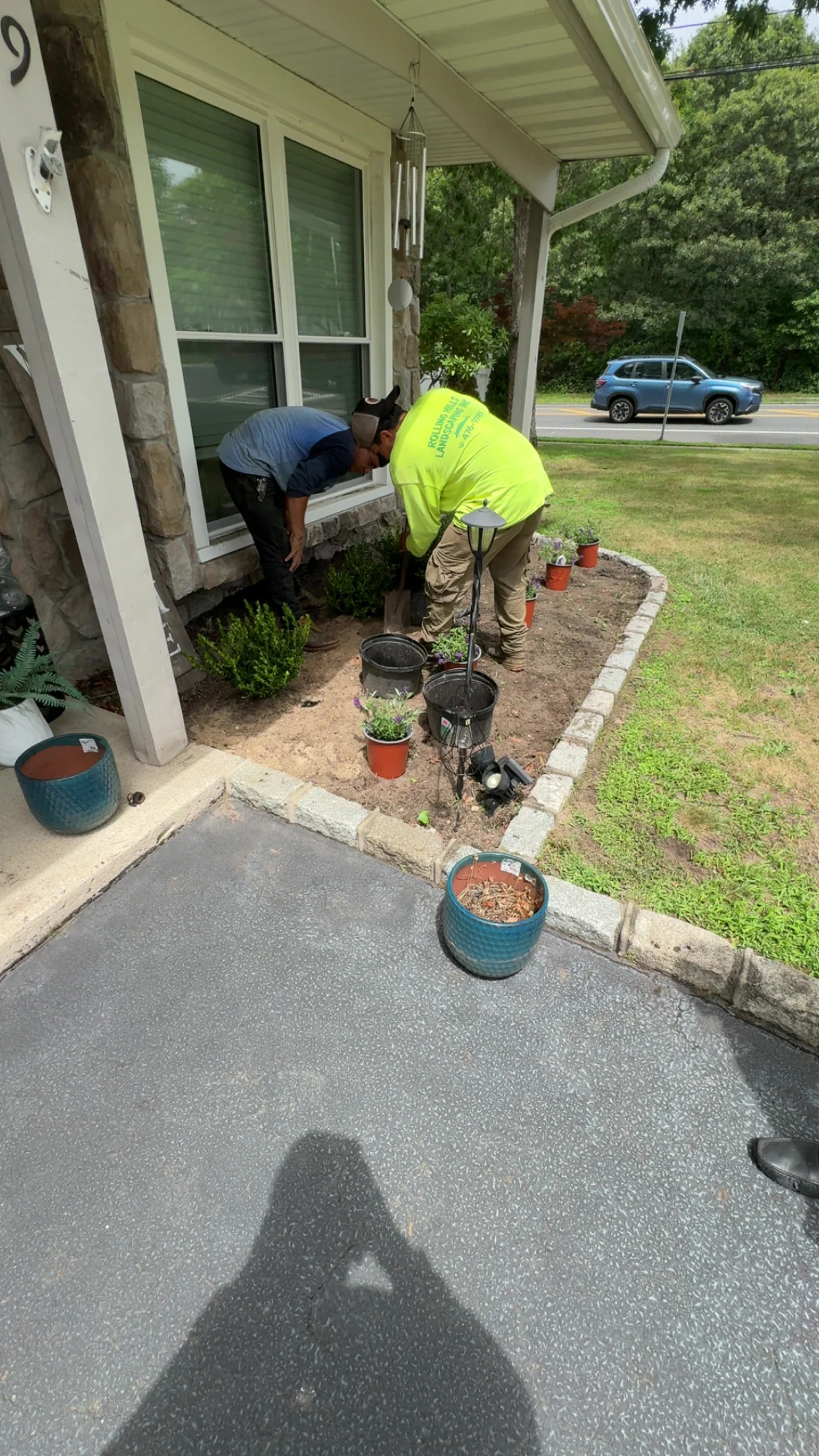
We start by walking your property to identify weed types, assess soil conditions, and note any areas where perennials need extra protection. This isn’t a rush job with a string trimmer—we’re looking at what’s actually growing and what needs to happen.
Hand-pulling comes next, focusing on getting the entire root system out while protecting surrounding plants. We work when soil moisture is right because timing matters. Wet soil makes deep-rooted weeds like dandelions easier to extract completely. Dry soil means we’re breaking roots and guaranteeing regrowth.
After weeding, we edge beds to create clean lines, remove all debris, and assess whether mulch needs refreshing. You get a quick walkthrough of what we found, what we addressed, and what to watch for before the next visit. No surprises, no vague updates—just clear communication about your property.

Ready to get started?
Residential weed control in Lake Grove means more than pulling visible weeds. It’s understanding that the first six weeks of spring and summer determine how your beds look all season. Miss that window and you’re fighting established weeds instead of preventing them.
Our service includes meticulous hand-pulling, bed edging to prevent grass encroachment, debris removal, and mulch assessment. We identify problem areas where drainage issues are causing yellow nutsedge or where soil compaction is encouraging weed growth. You’re not just getting weeding—you’re getting insight into why weeds keep appearing and what actually fixes it.
Lake Grove’s inland location means you’re dealing with dense suburban plantings that need careful attention. We work around hostas, daylilies, ornamental grasses, and the layered perennial beds common in established neighborhoods here. Your plants stay protected while weeds get eliminated at the root level, not just trimmed back to reappear in two weeks.

Most Lake Grove properties need weeding every three to four weeks during the growing season to stay ahead of weed growth. That frequency catches weeds while they’re small and easy to remove completely, before they set seed or develop root systems that require multiple visits to eliminate.
Spring is critical. Getting beds cleaned in early April and maintaining that through June prevents the majority of seasonal weed problems. Once you’re behind, you’re spending the rest of summer catching up instead of maintaining.
Fall weeding matters too. Removing weeds before they go dormant means fewer problems next spring. We typically recommend monthly service from April through October, with spring and fall cleanup visits that address seasonal debris and prepare beds for the next growing period.
Hand-pulling done correctly protects your plants better than any other method. The key is technique and timing. We pull weeds when soil moisture allows complete root removal without disturbing surrounding plants. That means your perennials stay undisturbed while weeds come out entirely.
Chemical treatments can’t differentiate between weeds and the plants you want to keep. Spray drift damages hostas, discolors ornamental grasses, and creates dead spots in densely planted beds. Aggressive hoeing or cultivation breaks perennial roots and creates more problems than it solves.
Our approach focuses on precision. We work around your valuable plants, remove weeds at the root level, and leave your beds looking intentional instead of disturbed. You’re protecting your landscaping investment, not risking it.
Dandelions are everywhere in Lake Grove—they’re the most common weed across Long Island. Their deep taproots make complete removal difficult, especially in dry soil. Yellow nutsedge shows up in areas with drainage issues or overwatering, and it spreads aggressively through underground tubers that survive most treatments.
Crabgrass invades bed edges where mulch has thinned. Clover appears in compacted soil with low nitrogen. Bindweed and ground ivy creep through densely planted beds, wrapping around perennials and requiring careful hand-removal to avoid damaging wanted plants.
Each weed type needs specific timing and technique for effective removal. Dandelions pull easiest after rain when soil is moist. Nutsedge requires removing the entire root system including tubers, or it returns within weeks. Understanding what’s growing and how to address it properly is the difference between clean beds and constant frustration.
The math depends on how you value your time and whether DIY efforts are actually working. Most homeowners spend two to four hours per weekend on garden bed maintenance during peak season. That’s eight to sixteen hours monthly that could go toward literally anything else.
Professional service costs less than you’d expect when you factor in the time saved, the better results from proper technique and timing, and the fact that you’re not buying tools, products, and mulch yourself. We catch problems early, work efficiently with the right equipment, and get weeds out completely instead of temporarily.
The real value shows up in how your property looks consistently maintained instead of cycling between overgrown and freshly weeded. Your beds stay clean, your perennials thrive, and you’re not spending every Saturday bent over a garden wondering why the same weeds keep returning.
Early April is ideal for Lake Grove properties. That’s when soil temperatures trigger weed germination but before weeds are established enough to be difficult. Getting beds cleaned then and maintaining through early summer prevents most seasonal weed problems.
Pre-emergent treatments work best when forsythia stops blooming and lilacs begin flowering—that’s nature’s calendar for Suffolk County timing. Miss that window and you’re fighting established weeds all season instead of preventing them. Hand-pulling in late April and May removes what pre-emergent missed and keeps beds clean through peak growth.
Fall weeding matters too. September and October cleanup removes weeds before they set seed for next year and prepares beds for winter. Starting service in spring gives you the best results, but beginning anytime is better than waiting until beds are completely overrun.
We focus on manual weed removal to protect your perennials and avoid the risks that come with chemical treatments in densely planted beds. Hand-pulling gets the entire root system out, doesn’t damage surrounding plants, and eliminates concerns about spray drift or soil contamination.
Suffolk County has strict regulations on fertilizer and chemical applications, including timing restrictions and licensing requirements. When treatments are appropriate, we’re fully licensed and trained in county-approved methods. But most Lake Grove garden beds don’t need chemicals—they need consistent, proper hand-weeding that addresses the root cause.
Our approach prioritizes your plants’ health and your property’s appearance. Chemicals have a place in lawn care, but in established garden beds with valuable perennials, careful hand-removal produces better results without the risks.
Other Services we provide in Lake Grove