
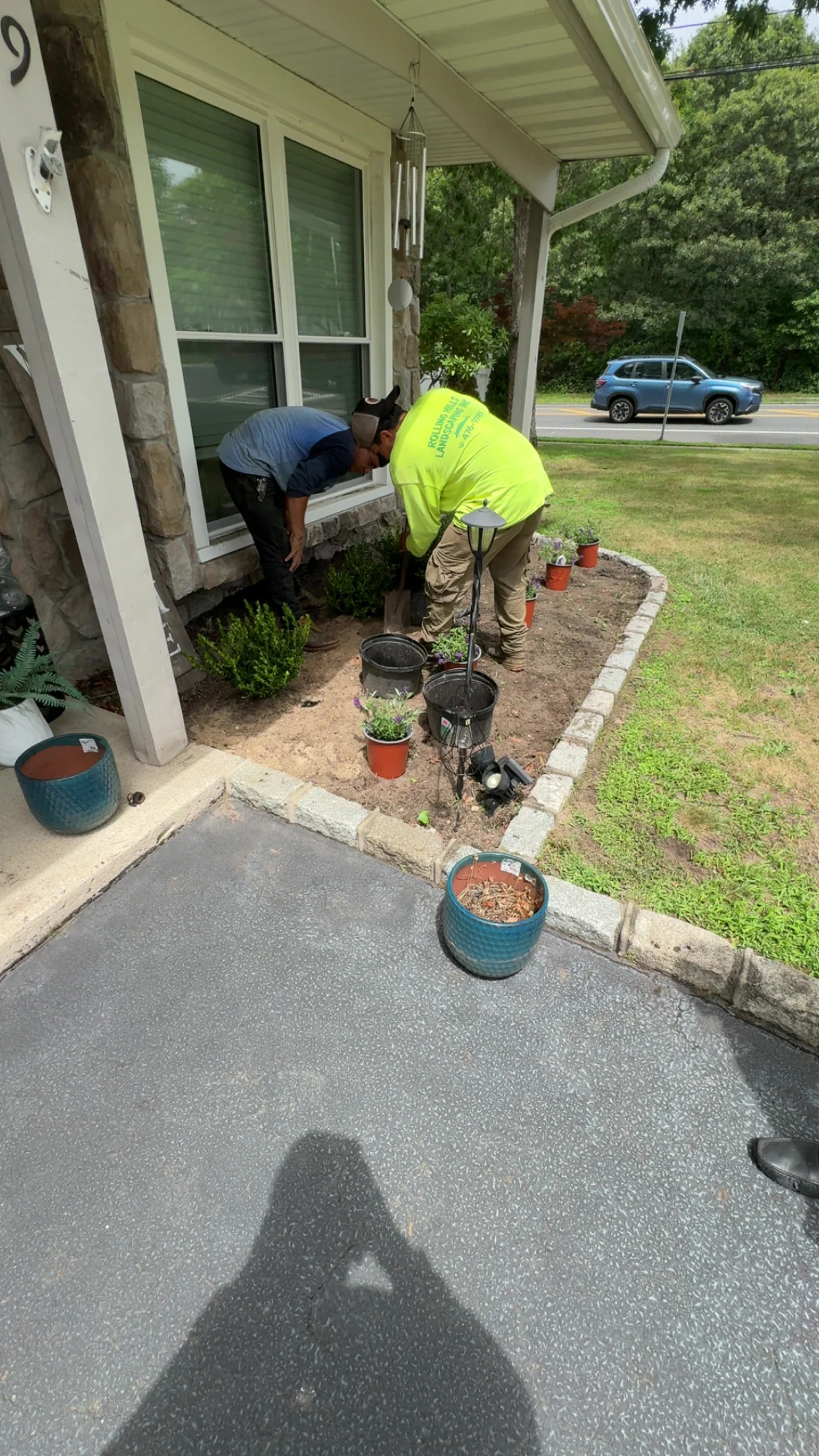
Hear from Our Customers

You’re not looking for someone to blow through your yard with a string trimmer and call it done. You want garden beds that look intentional—where the hostas aren’t competing with crabgrass and the mulch actually shows.
That’s what manual weed removal does. It protects the plants you paid for while eliminating the ones stealing nutrients, water, and curb appeal.
In Centereach’s packed neighborhoods, your property either blends in or stands out. Clean garden beds make that difference without you spending every Saturday morning on your knees with a hand trowel. You get the outcome without the back pain, and your perennials get room to actually thrive instead of fighting for survival against mature weeds pulling moisture straight out of the soil.
We operate out of Smithtown and work throughout Suffolk County. We’re not a national franchise following a script—we’re the crew that understands why your garden beds look great in May and overrun by July.
Long Island’s climate doesn’t make it easy. Spring’s temperature swings, summer’s humidity, and fall’s narrow window for prep all require timing and attention. We’ve been handling residential weed control and garden bed cleanup in towns like Centereach long enough to know what works in dense suburban layouts where properties sit close and aesthetics matter to the whole block.
Licensed, insured, and locally invested. That’s the baseline. What matters more is whether we show up when we say we will and whether your beds actually stay cleaner week to week.

We start with a walkthrough of your garden beds to see what’s growing where and what needs protecting. Not every property is the same, and Centereach’s suburban lots often have tight spaces between plantings that need careful handling.
From there, it’s hand-pulling at the root. No sprays near your perennials, no hacking at stems that’ll just regrow in a week. We remove the weed and the root system so it’s actually gone—not just shorter.
After weeding, we clean up debris and haul it off your property. If mulch needs refreshing or if there’s a bigger issue like soil compaction or drainage problems, we’ll flag it. Most homeowners don’t notice those things until they become expensive problems, so catching them early saves you money and replanting headaches down the road.
We typically recommend weekly or biweekly service during growing season. That seven-to-fourteen-day interval keeps weeds from establishing deep roots and turns garden bed maintenance into a manageable rhythm instead of an overwhelming project every time you look outside.

Ready to get started?
You’re getting manual weed removal from all garden beds, hand-pulled at the root to prevent regrowth. We work around your existing plants—hostas, daylilies, ornamental grasses, whatever you’ve got—without damaging stems or disturbing root zones.
Debris gets bagged and removed from your property, not blown into a corner or left for you to deal with. If mulch is thin or breaking down, we’ll let you know. Same goes for plants that look stressed, pest damage, or early signs of disease. You’re not paying us to ignore problems that’ll cost you more later.
Centereach properties tend to have mature landscaping in tight quarters. That means careful work around established perennials and shrubs, not rushing through with equipment that tears up everything in reach. The goal is garden beds that look maintained consistently, not just cleaned up once a year when things get out of hand.
Seasonal weeding and mulching work together. Spring prep gets beds ready before weeds explode. Summer management keeps growth in check when heat and rain create perfect conditions for everything to go wild. Fall cleanup prevents seed spread and sets you up for an easier spring. It’s a cycle, and staying ahead of it beats playing catch-up every time.

Most residential properties in Centereach need weeding every seven to fourteen days during the growing season, which runs roughly from late April through September. That frequency keeps weeds from establishing the deep root systems that make them nearly impossible to remove without damaging nearby plants.
If you let it go three or four weeks, you’re not just dealing with more weeds—you’re dealing with mature weeds that have already pulled significant nutrients and moisture from the soil. At that point, your perennials are already stressed and competing for resources they should have had all along.
Weekly service makes sense for properties with dense plantings or high visibility where aesthetics matter. Biweekly works if your beds are simpler or if you’re handling some light maintenance yourself between visits. The key is consistency. Sporadic cleanups don’t prevent problems—they just react to them after your garden beds already look overgrown.
Hand-pulling is the safer choice when you’ve got desirable plants in close proximity to weeds, which is the case in most Centereach garden beds. Herbicides don’t discriminate well in tight spaces, and drift or root absorption can damage the hostas or daylilies you’re trying to protect.
Manual weed removal also gets the root system out of the ground entirely. When you pull a weed correctly, it’s gone. When you spray it, you’re killing the visible growth but often leaving roots that can regenerate depending on the weed species and how established it was.
That said, there are situations where targeted herbicide use makes sense—like large open areas or dealing with particularly aggressive invasive species. But for typical suburban garden beds with mixed plantings, hand-pulling gives you control and precision without the risk of collateral damage. You’re paying for careful work, not a one-size-fits-all chemical approach that might create more problems than it solves.
Weeding removes unwanted plants that are actively growing and competing with your desirable plantings. Mulching adds a protective layer over the soil that suppresses future weed growth, retains moisture, and regulates soil temperature.
They work together, but they’re not the same thing. You can mulch over a weedy garden bed, but you’re just covering the problem—those weeds will push through in a few weeks. You need to weed first, then mulch to prevent new weeds from germinating.
Mulch breaks down over time, especially in Long Island’s climate where freeze-thaw cycles and summer heat accelerate decomposition. Most garden beds need mulch refreshed annually, typically in spring before the growing season ramps up. Weeding is ongoing maintenance throughout the season. Think of mulching as setting up your defenses and weeding as active management when things get through anyway. Both matter, and skipping either one makes the other less effective.
Cost depends on the size of your garden beds, how overgrown they are, and how frequently you want service. A typical suburban Centereach property with standard foundation plantings and a few garden beds might run anywhere from $75 to $150 per visit for biweekly weeding during the growing season.
If your beds haven’t been maintained in months or even years, expect the first cleanup to cost more. Mature weeds with established root systems take longer to remove, and there’s usually debris cleanup and disposal involved. Once beds are under control, ongoing maintenance visits are faster and less expensive.
Weekly service costs more than biweekly, but it also keeps your property in better shape consistently. Some homeowners prefer that during peak growing season and then scale back to biweekly or monthly in late summer and fall when growth slows. We can walk your property and give you an accurate quote based on what you’ve actually got, not a generic estimate that doesn’t account for your specific situation.
Yes, and that’s exactly the situation where manual weed removal makes the most sense. Dense plantings with perennials, ornamental grasses, and shrubs all mixed together require careful hand-pulling to avoid damaging root systems or breaking stems.
Centereach properties often have mature landscaping where plants are close together and root zones overlap. You can’t just run through those beds with aggressive tools or broad-spectrum herbicides without causing problems. It takes someone who knows the difference between a weed seedling and a perennial coming up, and who’s willing to work around your existing plants instead of treating everything like it’s in the way.
We’ve handled plenty of properties where homeowners have invested in specific plantings and need them protected during routine maintenance. That’s the whole point of hiring someone who does this regularly—you get the expertise and the careful work without having to spend your own weekends on it or risk damaging plants you paid good money for.
Most weeding happens from spring through fall when plants are actively growing. That’s roughly April through October in Centereach, with the heaviest demand from May through August when heat and rain create ideal conditions for both desirable plants and weeds.
Winter weeding isn’t usually necessary because growth slows dramatically once temperatures drop. That said, late fall cleanup is important for removing any remaining weeds before they go to seed and create next year’s problem. Getting beds cleaned up in October or November prevents seed spread and makes spring startup much easier.
Some homeowners also schedule early spring weeding before mulching, which catches any cool-season weeds that germinate before the main growing season kicks in. Timing matters, and starting early gives you a cleaner baseline to maintain throughout the year. We can set up a seasonal schedule that makes sense for your property and your budget, whether that’s weekly service all season or targeted cleanups at key points in the year.
Other Services we provide in Centereach