Suffolk County winters are hard on outdoor furniture. Discover how professional winterization protects your investment better than DIY covers or storage.
Share:

Summary:
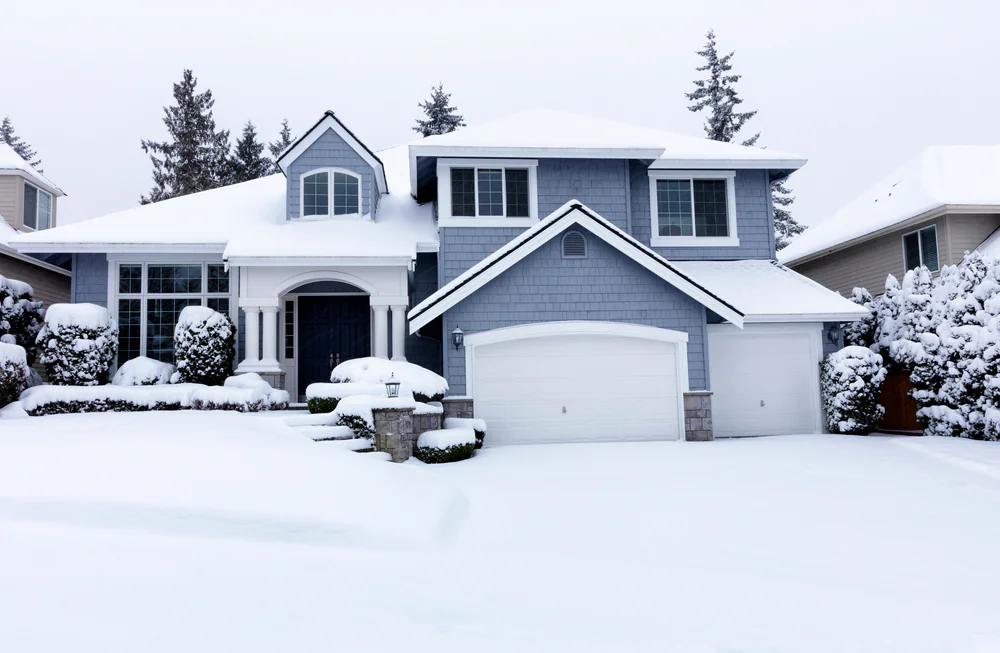
Long Island gets snow about eight days a year on average, with snowstorms dumping over five inches once or twice annually. That doesn’t sound terrible until you factor in what actually happens to your furniture.
Melting snow creates excess moisture that causes corrosion. Furniture with fabric upholstery and cushions takes the worst of it. Water seeps into cracks and crevices. Temperatures drop. That water freezes and expands.
Wood cracks. Metal corrodes. Cushion fill gets saturated and breeds mold. Wicker unravels from repeated freeze-thaw cycles. It’s not dramatic—it’s gradual damage that adds up fast, which is why many homeowners rely on professional outdoor furniture winterizing to protect their investment.

Walk through any Suffolk County neighborhood in February and you’ll see them—tarps flapping in the wind, furniture covers bunched up in corners, expensive patio sets sitting exposed because the protection failed weeks ago.
Regular tarps tear and stretch throughout the season. They catch wind like sails, which means they either blow off completely or pull so hard they damage what they’re covering. When they do stay put, you’ve got a different problem.
Tarps aren’t breathable. Water gets in—from snow melt, condensation, or rain that sneaks under the edges—and once it’s trapped, it can’t evaporate. You end up with a greenhouse effect that speeds up mold and mildew instead of preventing it.
Standard furniture covers work better than tarps in some ways. They fit more snugly. They look cleaner. But they still rely on you securing them perfectly every time. Miss one strap during a windy night and you’re starting over. Most covers also degrade after a season or two of UV exposure, which means you’re replacing them regularly.
Then there’s storage. Moving everything into the garage sounds great until you realize most people don’t have room for a full patio set, outdoor kitchen components, and lounge furniture. Even if you do have space, you’re spending hours hauling heavy pieces, risking your back, and cluttering your garage for six months.
The real issue with DIY methods isn’t that they never work. It’s that they fail during the heaviest snow, the windiest storm, the coldest snap—exactly when you need them most. One failure can cost you more than the furniture’s worth.
A decent patio dining set runs $2,000 to $5,000. Add lounge chairs, side tables, an outdoor sectional, maybe a bar setup or fire pit table, and you’re easily into five figures. That’s not an impulse purchase—it’s an investment in how you use your property.
Brand-new furniture can look a decade old after just one unprotected winter. You might think you can touch up rust spots or replace a few cushions, but the damage compounds. Surface rust spreads. Cracked wood splits further. Mildew stains don’t come out.
By year two, you’re looking at replacement. Shopping, comparing, waiting for delivery, assembling—all while knowing you could’ve prevented it.
Here’s what the numbers look like. Professional winterization costs a fraction of what you paid for the furniture. It’s a one-time seasonal expense protecting an investment you’ve already made. Compare that to replacing even part of your outdoor furniture setup, and the decision becomes obvious.
But it’s not just about dollars. It’s about not having to start over. Pulling the wrap off in April and seeing everything exactly as you left it—clean, intact, ready to use. No surprises. No regrets.
People underestimate how much they value that peace of mind until they’ve dealt with the alternative. Scrubbing mildew off cushions that won’t come clean. Sanding rust off metal frames that keep corroding. Tossing furniture that should’ve lasted another decade.
Outdoor furniture protection isn’t about being overly cautious. It’s about being realistic with what winter does and choosing not to gamble with something you actually use and enjoy.
Want live answers?
Connect with a Rolling Hills Property Services Inc expert for fast, friendly support.
Shrink wrapping isn’t new—it’s been the standard for protecting boats and marine equipment for decades. The same proven method used for boats applies to patio furniture and outdoor setups.
The material is UV-resistant, low-density polyethylene that prevents water damage, rust, and mold growth. It’s applied directly over your furniture—wherever it sits—then heat-shrunk to create a tight, custom seal.
You get a weatherproof barrier that keeps snow, ice, moisture, and debris completely off your furniture for the entire season. No gaps. No weak points. No maintenance required until spring.
Professional winterization starts with looking at what you’ve got. Your furniture gets assessed for size, configuration, and any special considerations—built-in cushions, intricate designs, mixed materials. This determines how much material you’ll need and the best way to bundle everything.
Furniture is grouped and stacked strategically. Chairs nest together. Tables get positioned to maximize coverage. Everything is arranged to create stable bundles that won’t shift under snow load or wind pressure.
We consolidate your furniture, fully enclose each bundle, heat-shrink the wrap to form a tight seal, then install vents in each bundle to prevent condensation and mold growth. Those vents are critical—they allow air circulation without letting moisture in.
The whole process takes a few hours depending on how much you have. When it’s done, your furniture stays exactly where it is—protected, sealed, and ready to sit through whatever Long Island winter throws at it.
Come spring, you cut the wrap open with scissors. Everything underneath is dry, clean, and ready to use. No scrubbing. No touch-ups. No unpleasant surprises.
The wrap itself is single-use, which some people initially question. But when you consider that reusable covers degrade, blow off, and trap moisture, single-use shrink wrap that actually works makes more sense. You’re paying for performance, not longevity of the covering—you’re paying for longevity of the furniture.
And because the wrap conforms perfectly to your setup, there’s no excess material flapping around or collecting snow. It’s tight, clean, and functional from November through April.
Three things make shrink wrapping different: complete coverage, proper ventilation, and durability that lasts the full season.
Complete coverage means no exposed areas where snow can pile up or water can sneak in. Shrink wrap prevents the tearing and stretching that happen with regular tarps. It doesn’t loosen over time. It doesn’t develop gaps. It stays sealed.
Ventilation comes from vents built into every installation. Vents installed in each bundle prevent condensation and mold growth while ensuring air circulation. This solves the biggest problem with tarps and non-breathable covers—trapped moisture that speeds up damage instead of preventing it.
Durability means the wrap holds up through the full season. It’s designed to handle snow load, ice, wind, and UV exposure without breaking down. Marina-grade material holds up through snow, ice, and high winds for one full winter season.
Compare that to standard covers needing replacement every couple years, or tarps that rip after one heavy snow, and you see why professional shrink wrapping services have become the standard for serious outdoor furniture protection.
Worth noting what shrink wrapping doesn’t require: your time, your storage space, or ongoing maintenance checks. You’re not re-securing covers after every storm. You’re not hoping everything stayed put. You’re not crossing your fingers that this is the year your DIY method finally works.
The furniture stays protected whether you’re home or away. Whether it’s a light dusting or a heavy nor’easter. Whether temperatures swing wildly or stay consistently cold. The protection doesn’t change based on conditions—it works regardless.
For Suffolk County homeowners dealing with coastal weather, freeze-thaw cycles, and unpredictable storms, that consistency matters. You can’t control the weather, but you can control how prepared you are for it.
Your outdoor furniture represents a significant investment in how you use and enjoy your property. Protecting that investment isn’t complicated—it just requires choosing a method that actually works.
Protecting patio furniture during winter keeps it looking new and lasting longer, and the sooner you make winterizing part of your transition into cold months, the more time and money you save.
Professional winterization with shrink wrapping offers complete protection without the hassle of storage, the failure rate of DIY covers, or the risk of leaving furniture exposed. It’s a straightforward solution that works consistently, season after season.
If you’re ready to protect your outdoor furniture the right way, we handle professional winterization for homeowners throughout Suffolk County. Reach out to discuss your setup and get a clear quote for protecting your investment this winter.
Article details:
Share:
Continue learning: