Not all lawn care seasons are equal. Spring and fall demand different approaches—and knowing which tasks belong where can make or break your Long Island lawn's health.
Share:
Summary:
Most lawn care advice treats spring and fall as equals. They’re not. For cool-season grasses—the type that dominates Suffolk County—fall is when the real work happens.
Your grass is actively growing during fall. Soil temperatures are still warm from summer, but air temperatures have cooled down. That combination creates ideal conditions for root development, seed germination, and nutrient absorption. Spring doesn’t offer the same window. By the time your lawn greens up in April, you’re already racing against summer heat.
This is why we prioritize fall. It’s not about aesthetics. It’s about giving your lawn the strongest foundation before it goes dormant—and that starts with thorough fall clean-up services to prepare your property for the colder months ahead.

Aeration and overseeding are the two most impactful services you can invest in for your lawn. And fall is the best time to do both.
Core aeration removes small plugs of soil from your lawn, breaking up compaction that builds up over the summer. When soil is compacted, water, air, and nutrients can’t reach the roots. Your grass suffocates slowly. Aeration opens up channels that let everything flow again.
Overseeding fills in thin spots and introduces new, healthier grass varieties into your lawn. The reason fall works so well is simple: warm soil and cool air. Seeds germinate faster in fall than they do in spring, and they face far less competition from weeds. Crabgrass and other warm-season weeds are winding down by September. In spring, they’re just getting started.
There’s another reason to avoid spring aeration if you’re using pre-emergent weed control. Most lawns in Suffolk County get a pre-emergent application in early spring to prevent crabgrass. That product forms a barrier in the soil. If you aerate after applying it, you break that barrier, and crabgrass seeds can germinate. Fall aeration avoids that conflict entirely.
Timing matters too. The best window for aeration and overseeding on Long Island is typically mid-August through late September. You want to give new grass time to establish before the first frost. If you wait too long, seeds may germinate but won’t develop strong enough roots to survive winter.
The process itself is straightforward. A core aerator pulls plugs from the lawn, leaving small holes. Those plugs break down over time and return nutrients to the soil. After aeration, seed is spread across the lawn, and it falls into the holes created by the aerator. That gives you excellent seed-to-soil contact, which is critical for germination.
Watering is essential after overseeding. You need to keep the top inch of soil moist until seeds germinate, which usually takes one to three weeks depending on conditions. Light, frequent watering works better than deep, infrequent watering during this phase. Once grass is established, you can return to your normal watering schedule.
Fertilizer in fall does something different than fertilizer in spring. In spring, nitrogen pushes leafy growth. Your lawn greens up fast, which looks great but doesn’t necessarily build long-term health. In fall, that same nitrogen gets stored in the root system. It strengthens the grass from the ground up and helps it survive winter dormancy.
Cool-season grasses are actively growing in fall, but they’re not focused on blade production. They’re focused on root development. When you fertilize during this phase, you’re feeding the roots, not just the leaves. That translates to earlier green-up in spring, better drought tolerance in summer, and a thicker lawn overall.
The type of fertilizer matters. Slow-release formulas work best in fall because they provide a steady supply of nutrients over several weeks. Quick-release fertilizers give you a fast green-up, but they don’t support long-term root growth the same way.
Suffolk County soils tend to be acidic, which can prevent grass from absorbing nutrients even when fertilizer is applied. A soil test every few years helps you understand your pH and whether you need lime to balance it. Most lawns benefit from a pH between 6.2 and 7.0. If your soil is too acidic, lime applications in fall can correct that over time.
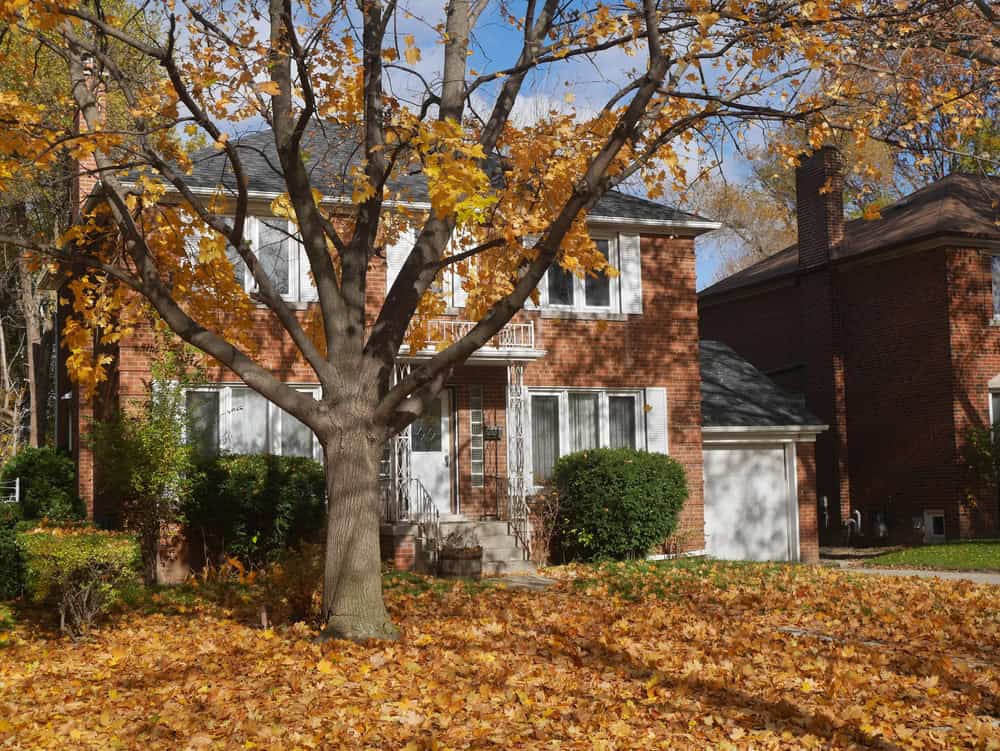
Fall is also the season to manage leaves. Leaves left on the lawn block sunlight and trap moisture, which creates perfect conditions for fungal diseases like snow mold. You don’t have to bag every leaf. Mulching them with your mower breaks them into small pieces that decompose and add organic matter to the soil. Just don’t let thick layers sit on the grass for weeks.
Some homeowners worry about mowing too late in the season. The rule is simple: keep mowing as long as grass is growing. On Long Island, that’s usually through late October or early November. You can gradually lower your mowing height for the last few cuts, but don’t scalp the lawn. Grass that’s too short going into winter is more vulnerable to frost damage.
Want live answers?
Connect with a Rolling Hills Property Services Inc expert for fast, friendly support.
Spring isn’t about heavy lifting. It’s about recovery and preparation. Your lawn is waking up from dormancy, and the goal is to help it transition smoothly into the active growing season.
The first task is cleanup. Winter leaves debris on your lawn—fallen branches, matted leaves, dead grass. All of that needs to be cleared before you start mowing. Raking with a flexible leaf rake works well in early spring because it’s less likely to damage tender new growth. You’re not trying to dethatch the lawn. You’re just removing surface debris so sunlight and air can reach the soil.
Spring is also the time to address any bare patches that developed over winter. Light overseeding can fill in small areas, but it’s not the same as a full fall overseeding program. If you overseed in spring, you need to skip pre-emergent weed control in those areas, which means you’re trading weed prevention for new grass. That’s why fall is the better option for overseeding.

If you fertilized properly in fall, your lawn still has nutrients to draw from in spring. That means you don’t need a heavy application. A light feeding in mid-spring—usually late April or early May—gives grass a boost as it starts growing actively.
Too much nitrogen in spring can cause problems. It pushes excessive top growth, which weakens the root system and makes grass more susceptible to disease and heat stress in summer. It also feeds weeds. Crabgrass and other warm-season weeds thrive on nitrogen, so over-fertilizing in spring can actually make your weed problem worse.
Pre-emergent weed control is one of the most important spring tasks. Crabgrass seeds germinate when soil temperatures reach about 55 degrees Fahrenheit, which usually happens in early to mid-April on Long Island. Applying pre-emergent before that point prevents seeds from germinating. Wait too long, and you’ve missed the window.
Timing is everything with pre-emergent. You want to apply it when forsythia bushes are in bloom or when soil temperatures are consistently in the 50s. Some homeowners use a soil thermometer to track this. Others just watch for visual cues like early spring flowers.
Once pre-emergent is down, you need to activate it with water. A quarter-inch of rain or irrigation helps the product move into the soil where it forms a barrier. After that, avoid disturbing the soil for several weeks. That means no aeration, no heavy raking, and no overseeding until fall.
Mowing starts when grass begins growing actively. For cool-season grasses, that’s usually mid to late April. Start at a higher mowing height—around 2.5 to 3 inches—and never remove more than one-third of the blade height in a single cut. Taller grass shades the soil, reduces water evaporation, and crowds out weeds.
The work you do in spring directly impacts how your lawn handles summer. Suffolk County summers are tough on cool-season grasses. Heat, humidity, and occasional drought put stress on turf that’s already working outside its comfort zone.
Proper mowing height is one of the easiest ways to reduce summer stress. Grass that’s mowed too short has shallow roots and can’t access moisture deep in the soil. Taller grass develops deeper roots, which makes it more drought-tolerant. It also shades the soil, which keeps temperatures cooler and reduces evaporation.
Watering practices matter too. Deep, infrequent watering encourages roots to grow downward. Shallow, frequent watering keeps roots near the surface, which makes grass more vulnerable to heat and drought. Most lawns need about one inch of water per week, including rainfall. You can measure this with a rain gauge or by placing a tuna can on the lawn while your sprinkler runs.
Spring is also the time to watch for early signs of pests and diseases. Grubs, chinch bugs, and fungal infections are more manageable when caught early. If you notice discolored patches, wilting, or increased bird activity—which can indicate grubs feeding below the surface—address it quickly before the problem spreads.
Thatch management is another consideration. Thatch is the layer of dead grass and organic matter that builds up between the soil and the green blades. A thin layer of thatch is beneficial. It insulates the soil and helps retain moisture. But when thatch gets thicker than half an inch, it can block water and nutrients from reaching the roots.
Dethatching used to be a common spring task, but lawn care experts now recommend against it in most cases. Aggressive dethatching tears up grass roots and can do more harm than good. If thatch is a problem, core aeration in fall is a better solution. The aeration process naturally breaks down thatch over time without damaging the lawn.
Spring cleanup also includes inspecting your lawn for drainage issues. Areas that stay wet after rain can develop moss, fungal diseases, or thinning grass. If you notice persistent wet spots, you may need to address grading or install drainage solutions before summer.
Both seasons matter, but they’re not equal. Fall is when you invest in long-term health—aeration, overseeding, root-building fertilization, and soil preparation. Spring is when you protect that investment—cleanup, light feeding, weed prevention, and mowing practices that set your lawn up for summer survival.
The mistake most homeowners make is treating spring like the main event. They overseed too early, fertilize too heavily, or skip fall maintenance entirely. Then they wonder why their lawn struggles in summer or comes out of winter looking thin and weak.
If you’re working with a limited budget or limited time, prioritize fall. The return on investment is higher. A well-maintained lawn in fall will recover faster in spring, handle summer stress better, and require less intervention overall.
For Suffolk County homeowners who want a lawn that stays thick, green, and healthy year-round, the answer isn’t choosing between spring and fall. It’s understanding what each season demands and timing your efforts accordingly. We work with homeowners throughout Suffolk County to manage seasonal lawn care, from aeration and overseeding to debris removal and turf health maintenance, ensuring your property gets the right care at the right time.
Article details:
Share:
Continue learning: