Spring lawn care timing on Long Island isn't about the calendar—it's about soil temperature, Suffolk County regulations, and knowing when your grass is ready to use what you give it.
Share:

Summary:
Your Long Island lawn doesn’t wake up on April 1st just because the fertilizer ban lifts. Grass responds to soil temperature, not calendar dates. And if you’re dealing with bare patches from winter, compacted soil, or just trying to figure out when it’s actually safe to start treatments without breaking Suffolk County law, you’re not alone. Spring lawn care here requires different timing than most generic advice suggests. Here’s what actually works when you’re managing cool-season grass in a coastal climate with fertilizer restrictions that carry real penalties.
Suffolk County’s fertilizer ban ends April 1st, but that doesn’t mean your lawn is ready for treatment. Grass needs soil temperatures around 55°F before it can actively use nutrients. On Long Island, that typically happens mid-April, though coastal areas may warm slightly faster than inland properties.
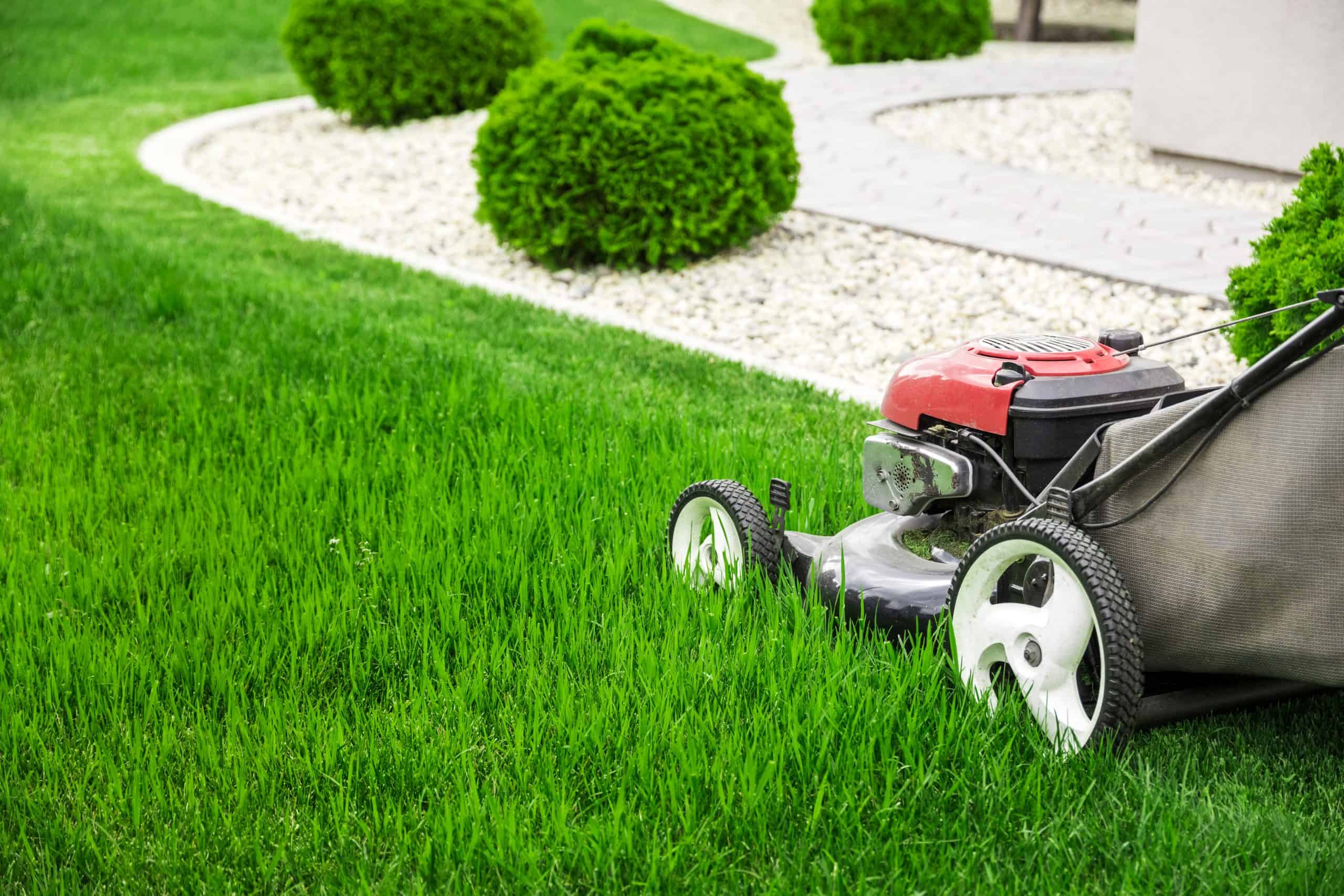
The simplest timing check is this: wait until you’ve mowed twice. That tells you the grass is actively growing and ready to absorb what you apply. Fertilizing dormant grass wastes money and creates runoff risk—exactly what the county regulations are designed to prevent.
Spring cleanup should happen earlier, once the ground thaws and dries enough that you’re not leaving footprints. Rake up winter debris, clear matted leaves, and assess damage. This lets sunlight reach the soil and shows you what you’re actually dealing with before making treatment decisions.

Suffolk County prohibits lawn fertilizer applications between November 1 and April 1, with violations carrying $1,000 fines. This isn’t arbitrary timing—it’s designed to protect groundwater quality during months when grass can’t use nutrients anyway. Fertilizers account for roughly 50% of nitrogen loads reaching groundwater in residential areas across Long Island.
The law exists because excess nitrogen from poorly timed applications pollutes drinking water wells and contributes to algae blooms in local waterways. When you apply fertilizer to dormant or frozen grass, it just sits on the surface waiting to wash away with the next rain. That’s why we track soil temperatures and coordinate spring applications based on actual growing conditions, not just the April 1st date.
Once the blackout period ends and soil temperatures cooperate, spring fertilization focuses on promoting top growth and helping grass recover from winter stress. Use slow-release formulas that won’t burn your lawn if temperatures spike unexpectedly. And remember that one spring application isn’t enough for year-round health—most lawns benefit from 4-6 applications throughout the growing season, each timed to support different growth stages.
If you’re working with a professional service, they should already know these timing windows and have systems in place to comply with local regulations. If you’re handling it yourself, invest in a soil thermometer and check temperatures at 4-inch depth. Don’t guess. The difference between effective fertilization and wasted product often comes down to waiting one more week.
The fertilizer restrictions also mean you need to plan ahead for spring lawn care. You can’t just wake up in March and decide to fertilize that weekend. Your lawn care calendar needs to account for legal application windows, soil temperature requirements, and grass growth stages. This is where local knowledge makes a real difference—working exclusively in Suffolk County, we understand these timing constraints and build them into service schedules.
Long Island’s coastal location creates specific challenges that generic spring lawn care advice doesn’t address. You’re dealing with sandy soil that drains quickly and leaches nutrients faster than clay. Salt air affects grass health, especially in properties closer to the water. And unpredictable spring weather—late frosts, heavy rains, temperature swings—means flexible timing matters more than rigid schedules.
Cool-season grasses like tall fescue, Kentucky bluegrass, and perennial ryegrass dominate Long Island lawns because they handle cold winters well. These grasses grow most actively when temperatures sit between 60 and 75 degrees, which makes spring and fall your power seasons for lawn improvement. But they also go semi-dormant during summer heat, which is why spring preparation matters so much. What you do in April and May directly impacts how well your lawn survives July and August.
Coastal properties face additional considerations. Salt exposure from winter road treatments and ocean air requires different recovery strategies than inland lawns. Wind exposure dries out grass faster. And humidity creates perfect conditions for fungal diseases if you’re not managing thatch buildup and air circulation properly.
Soil compaction is another Long Island-specific issue. The combination of sandy soil, foot traffic, and freeze-thaw cycles leaves many lawns with compacted areas that prevent water and nutrients from reaching roots. Spring is a viable time for aeration, though fall typically delivers better results for cool-season grasses. If you’re seeing water pooling, slow drainage, or grass that struggles despite regular care, compaction is likely part of the problem.
Understanding these local factors changes how you approach spring lawn care. It’s not just about following a national lawn care calendar—it’s about working with Long Island’s specific conditions and timing treatments accordingly. Sandy soil means you’ll need more frequent fertilization than heavier clay soils. Coastal exposure means paying attention to salt damage recovery. And cool-season grass preferences mean your spring window for major improvements is shorter than warm-season grass regions experience.
Want live answers?
Connect with a Rolling Hills Property Services Inc expert for fast, friendly support.
Winter damage shows up as thin or bare patches where grass didn’t survive cold temperatures, snow mold, salt exposure, or soil compaction. Spring offers a window for overseeding these areas, though it’s not the ideal season—fall delivers better germination rates and establishment for cool-season grasses.
If you’re overseeding in spring, timing matters. Soil temperatures need to reach 50-65°F for cool-season grass seed to germinate properly. That typically happens in early to mid-April on Long Island, but check soil temperature rather than guessing based on air temperature. Seeds need warm soil and consistent moisture to establish before summer heat arrives.
The challenge with spring overseeding is weed pressure. Crabgrass and other weeds germinate at the same soil temperatures as grass seed, creating competition. If you’re planning to overseed, skip pre-emergent herbicides—they prevent all seeds from germinating, including the grass you’re trying to establish. You’ll need to choose between crabgrass prevention and spring overseeding because you can’t do both effectively.

Start by identifying what type of damage you’re dealing with. Snow mold appears as circular gray or pink patches where snow sat for extended periods. It usually only damages grass blades, not roots, so raking the affected areas and allowing them to dry out often solves the problem without reseeding.
Salt damage shows up as brown, dead grass along driveways, sidewalks, and roads where de-icing products accumulated. This creates a gradient effect—worse damage near pavement, lessening toward the center of the lawn. You can flush salt from soil by watering thoroughly and applying gypsum to replace sodium with calcium. Some homeowners see new growth within 3-4 weeks using this approach.
Compacted soil from foot traffic on frozen ground needs aeration before reseeding. Use a core aerator to pull plugs of soil, creating channels for air, water, and roots to move. This is especially important in high-traffic areas or spots where you notice water pooling. Seed settles into aeration holes where it’s protected and has direct soil contact, improving germination rates.
For bare patches that need reseeding, remove dead grass and loosen the top layer of soil with a rake. Spread seed at half the rate you’d use for establishing new lawn—you’re filling in, not starting from scratch. Cover lightly with compost or topsoil to protect seeds and retain moisture. Water lightly once or twice daily until seedlings reach the height of surrounding grass, usually 5-6 weeks.
Vole damage appears as surface tunnels and thin strips where voles chewed grass under snow cover. Rake the damaged areas to remove debris, fill any burrow holes with soil, and spread topsoil to level the ground before overseeding. The grass itself wasn’t killed at the root, so recovery often happens faster than it looks initially.
The key to successful lawn repair in spring is matching your approach to the specific type of damage. Don’t waste time and money overseeding areas that will recover on their own with basic cleanup and fertilization. Focus your repair efforts on truly bare spots where grass roots were killed, not just areas where blades look damaged but roots remain healthy.
The decision between professional lawn care and DIY comes down to time, expertise, and what you value more—cost savings or guaranteed results. DIY fertilization requires buying products, equipment, and investing weekend time. A bag of quality fertilizer runs $6-26, and spreaders cost $10-300 depending on quality. You’ll also need to calibrate equipment, understand application rates, and time treatments correctly.
Professional lawn fertilizer services in Suffolk County typically cost $100-290 per application for an average-sized lawn. That includes labor, materials, and expertise in local timing and regulations. We use commercial-grade products not available in retail stores, have calibrated equipment, and know exactly when to apply treatments based on soil temperature and grass growth stages.
The real difference isn’t just cost—it’s consistency and knowledge. We track Suffolk County’s fertilizer restrictions, monitor soil conditions, and adjust timing based on weather. We also carry insurance and guarantees. If a treatment doesn’t work or causes problems, we handle it. With DIY, you’re on your own if something goes wrong.
Time is another factor. Fertilizing a typical residential lawn takes 30-60 minutes if you know what you’re doing. Add in trips to buy products, equipment maintenance, cleanup, and learning curve, and you’re looking at several hours per application. Multiply that by 4-6 applications per year, and the time investment adds up quickly.
DIY makes sense if you enjoy lawn care, have experience, and want control over every product used. Professional services make sense if you value time, want expert timing and compliance, or just don’t want to think about it. Many homeowners start with DIY and switch to professional care once they realize the time and knowledge required for consistent results.
Consider also that professionals can identify problems you might miss. We spot early signs of disease, recognize nutrient deficiencies, and catch pest issues before they become expensive to fix. That diagnostic value alone often justifies the cost difference, especially when you factor in the expense of fixing problems that could have been prevented with earlier intervention.
Spring lawn care on Long Island requires more than following generic timing advice. You’re working with coastal climate conditions, sandy soil, strict fertilizer regulations, and cool-season grasses that need specific timing to thrive. Start with cleanup and damage assessment once the ground thaws. Wait for soil temperatures to reach 55°F before fertilizing—usually mid-April, after you’ve mowed twice.
Navigate Suffolk County’s fertilizer restrictions by understanding why they exist and what they’re designed to prevent. Time overseeding carefully if you’re addressing winter damage, and choose between pre-emergent weed control and spring seeding because you can’t do both. Whether you handle spring lawn care yourself or work with professionals depends on your priorities around time, expertise, and guaranteed results.
If you’re looking for local expertise that understands Long Island’s specific conditions and regulatory requirements, we bring years of Suffolk County experience to every property. We handle timing, compliance, and treatment planning so you don’t have to.
Article details:
Share:
Continue learning: