
Hear from Our Customers

Picture this: April arrives, you flip the switch, and your irrigation system springs to life. No cracked pipes. No emergency service calls. No repair bills that make you question why you installed the system in the first place.
Your neighbors are dealing with flooded basements and broken valves. You’re watching your lawn get the water it needs from day one of growing season.
That’s the difference between hoping your system survives winter and knowing it will because you had it properly winterized.
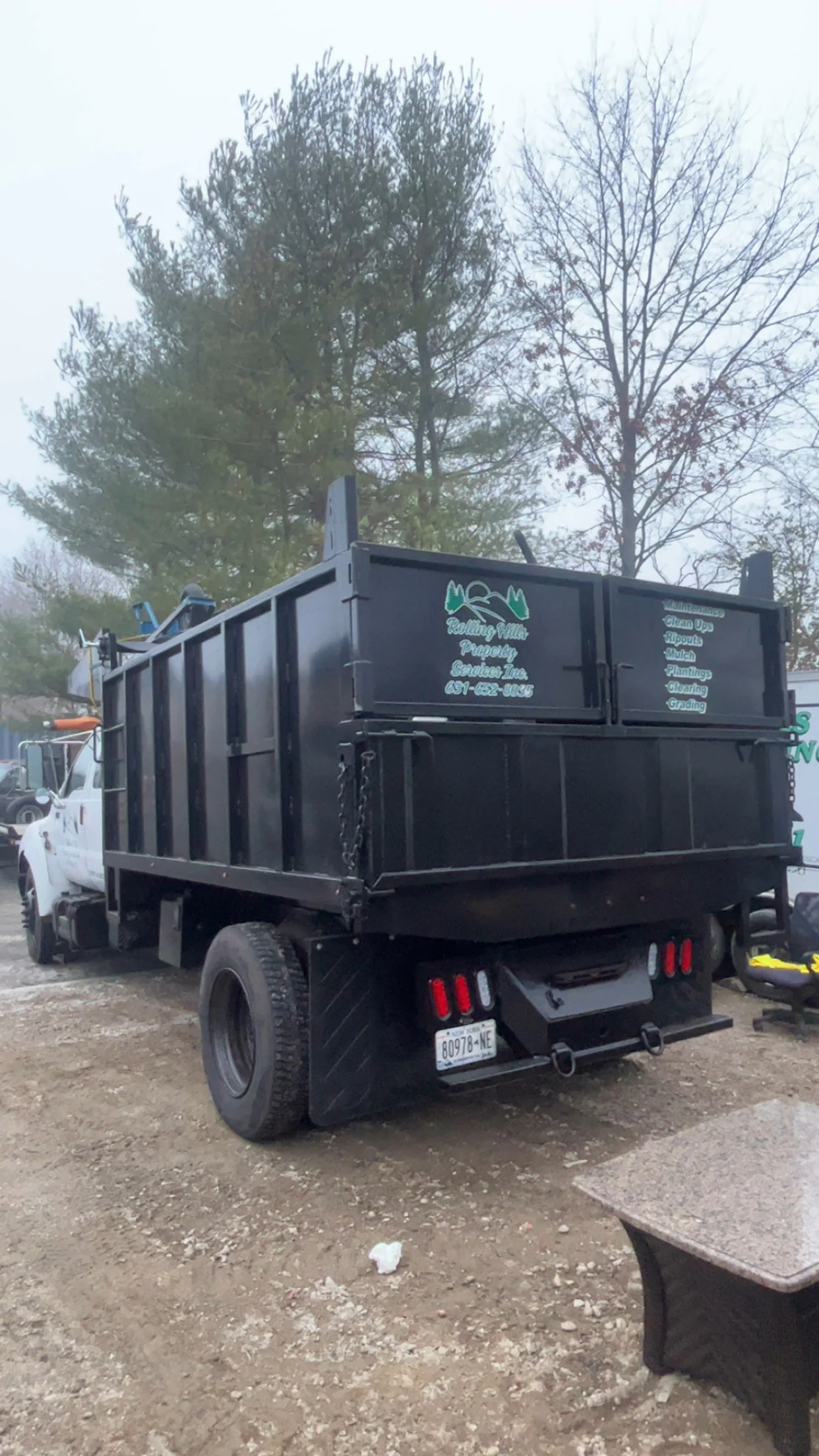
Rolling Hills Property Services Inc has watched too many Bohemia homeowners learn the hard way about skipping winterization. Burst pipes in March. Flooded valve boxes. Systems that need complete replacement because someone thought turning off the water was enough.
We’ve been protecting Suffolk County irrigation systems for years, using commercial-grade equipment that actually removes every drop of water. Not the home compressor approach that leaves you vulnerable.
Licensed and insured, we understand Long Island’s freeze patterns and know exactly what your system needs to survive temperatures that regularly drop into the teens.

We start by shutting off your main water supply and switching your controller to rain mode. No chance of the system trying to activate while we’re working.
The real work happens with the blowout. Zone by zone, we use commercial compressors to force high-pressure air through your entire system. Every pipe, every valve, every sprinkler head gets cleared of water.
We maintain safe pressure levels – enough to clear everything out, not so much that it damages your pipes. The process continues until nothing but air comes out of each zone.
Before we leave, exposed components get proper insulation and your system is positioned correctly for winter storage. Complete protection, start to finish.

Ready to get started?
Your winterization covers everything that water touches. Main supply lines, zone valves, sprinkler heads, backflow preventers, and any drip irrigation zones you have for gardens or landscaping.
Here in Bohemia, winter temperatures hit single digits regularly. Suffolk County sees freeze-thaw cycles that are particularly brutal on irrigation systems. Water expands when it freezes, and that expansion will crack anything it’s trapped inside.
The service includes proper system shutdown, zone-by-zone compressed air blowout, and protective insulation for exposed equipment. You also get a quick inspection to spot potential issues before they become expensive problems.
Most residential systems take 30-45 minutes to winterize completely. Quick enough to fit your schedule, thorough enough to protect your investment.

Book your winterization between mid-October and early November, well before Suffolk County’s first hard freeze. Long Island weather can turn quickly, and once temperatures hit the low 20s consistently, you’re in the danger zone.
Don’t wait for freeze warnings. By then, water might already be expanding in your pipes. The damage happens fast once temperatures drop, and there’s no undoing cracked pipes or burst valves.
Most irrigation companies in the Bohemia area get swamped as November approaches. Call in early October to secure your spot before the rush hits and you’re stuck waiting until it’s potentially too late.
A single broken valve costs $100-120 to repair. Cracked main lines can run $300-500 per section. If multiple zones freeze and burst, you’re looking at thousands in spring repair bills.
Worst case scenario? Complete system replacement. When freeze damage is extensive enough, it’s often cheaper to start over than repair everything. That’s a $3,000-8,000 expense that proper winterization would have prevented for under $200.
Then there’s the hassle factor. No irrigation means hand-watering or watching your lawn struggle through spring and early summer while repairs get completed. Your landscape investment suffers while you pay premium rates for emergency service calls.
Home compressors deliver about 4 CFM of airflow. Professional winterization requires 50-125 CFM to actually clear water from all system components. That’s not a small difference – it’s the difference between getting most of the water out and getting all of it out.
Your home unit also cycles on and off constantly, losing pressure each time. Professional compressors maintain sustained pressure that forces water out of hard-to-reach areas like valve boxes and underground pipe joints.
The process takes 3+ hours with home equipment versus 30-45 minutes with commercial gear. More importantly, DIY winterization often leaves water in places you can’t see – water that will freeze and cause exactly the damage you were trying to prevent.
Most Bohemia residential systems are completely winterized in 30-45 minutes. Systems with 6-8 zones typically fall on the shorter end, while larger properties with 10+ zones might take the full 45 minutes.
The time includes equipment setup, zone-by-zone blowout, backflow preventer protection, and final system inspection. We work efficiently because we have the right equipment and know exactly what we’re doing.
Compare that to DIY attempts that can take 3+ hours and still leave water in the system. The commercial-grade compressors make all the difference in both speed and thoroughness.
Maximum safe pressure is 75 PSI for PVC pipes and 50 PSI for polyethylene systems. Exceed these limits and you risk blowing out seals, cracking fittings, or damaging sprinkler heads.
We monitor pressure constantly with proper gauges and understand how different system components react to compressed air – backflow preventers, for example, should never be blown out directly.
Home compressors often can’t reach adequate pressure levels, while some deliver too much pressure without proper regulation. Getting the pressure right requires experience and the right equipment – another reason professional winterization is worth the investment.
Someone should be available to provide access to locked areas and answer basic questions about your system layout. We need to locate your main shutoff valve, backflow preventer, and any valve boxes.
If you have pets, plan to secure them during service. The compressor creates loud noise that can startle animals and cause them to run off. Most dogs and cats are fine indoors while the work happens.
Having your irrigation system’s zone map or controller manual available helps speed up the process. If you know which zones cover which areas of your property, share that information – it helps ensure nothing gets missed.