
24/7 Emergency Storm ResponseServing all of Long IslandStorm services →Call 631-302-9511
Hear from Our Customers

Your perennials stay intact. The mulch looks fresh. And you’re not spending Saturday mornings bent over pulling the same weeds you pulled two weeks ago.
Dense suburban garden beds in Babylon aren’t like open lawns. They’re packed with hostas, daylilies, ornamental grasses, and ground covers that need careful attention. Weeds don’t just look bad—they steal moisture and nutrients from plants you actually want, and they spread fast in Suffolk County’s humid summers.
Manual weed removal done right means getting the root, not just snapping off the top. It means knowing which plants are keepers and which are invasive. And it means timing the work so you’re not fighting the same battle every month. That’s what garden bed maintenance should do—give you a yard that stays clean longer and looks better than the rest of the block.
We’re based in Smithtown and work throughout Suffolk County. We know what grows here, what doesn’t, and what tries to take over if you let it.
Babylon’s dense suburban layouts mean most properties have layered garden beds with limited access and tight plant spacing. That’s not a quick mow-and-go job. It takes someone who’s done it before, knows the difference between a weed and a volunteer perennial, and won’t wreck your landscaping in the process.
We’re licensed, insured, and transparent about pricing and timing. No surprises. No upselling. Just reliable residential weed control that keeps your property looking the way it should.

We start with a walkthrough. You point out problem areas, we assess what’s growing where, and we map out the beds that need attention. This isn’t a one-size-fits-all process—every property in Babylon has different plantings, different soil, and different weed pressure.
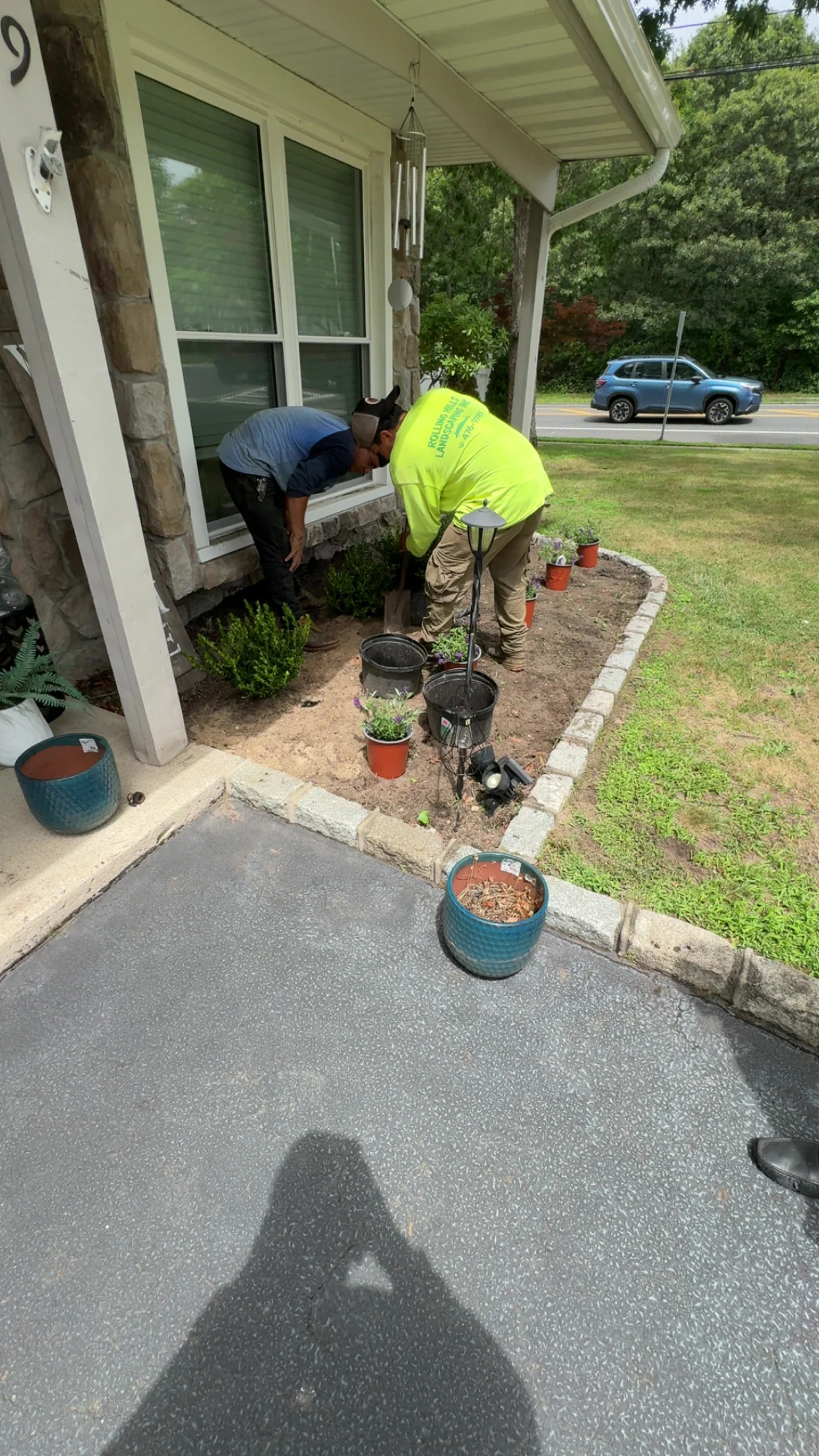
Then we get to work. Hand-pulling is the core of what we do because it’s the only way to remove weeds without damaging the plants around them. We pull from the root, not the stem, so they don’t just snap off and regrow in a week. For beds with heavy weed pressure, we’ll clear everything out, edge the borders, and add fresh mulch to suppress future growth.
Seasonal weeding and mulching work best when timed with Long Island’s growing cycles. Spring and fall are ideal because weeds are actively growing but haven’t gone to seed yet. We’ll recommend a schedule based on your property, not a generic package. And if something comes back between visits, we’ll address it—no runaround.

Ready to get started?
You’re getting full garden bed cleanup—not just surface work. That means hand-pulling weeds at the root level, clearing debris, edging bed lines, and mulching to keep new growth down. We protect your perennials, shrubs, and ornamental grasses while removing everything that doesn’t belong.
Babylon properties tend to have dense, multi-layered beds with hostas, daylilies, hydrangeas, and ground covers packed close together. That setup looks great when it’s maintained, but it’s also prime real estate for weeds. Crabgrass, dandelions, clover, and invasive vines love the moisture and shade those beds create. If you’re not pulling them consistently, they take over fast.
We also handle seasonal mulching as part of the service. Fresh mulch doesn’t just look clean—it blocks sunlight from reaching weed seeds and helps retain moisture for the plants you want. In Suffolk County’s humid summers, that makes a real difference. And because we’re local, we know which mulch types hold up best and which ones break down too fast in Long Island’s weather.

Most properties in Babylon need weeding every four to six weeks during the growing season—roughly April through October. That timing keeps weeds from going to seed and spreading, which is when they become a bigger problem.
If your beds are heavily planted or you’ve had weed issues in the past, you might need more frequent visits in late spring and early summer when growth is most aggressive. Properties with newer landscaping or fresh mulch can sometimes stretch to eight weeks between services.
The goal isn’t to keep you on a rigid schedule. It’s to stay ahead of the weeds so you’re maintaining, not constantly catching up. We’ll recommend a plan based on what your property actually needs, not what fills a calendar.
Hand-pulling removes the entire weed, root and all, without chemicals. Herbicides kill what’s there, but they don’t always prevent regrowth, and they can damage nearby perennials if they drift or soak into the soil.
In dense suburban garden beds like the ones common in Babylon, herbicides are risky. You’ve got hostas next to daylilies next to ground covers, all within inches of each other. Spray drift or root absorption can kill plants you want to keep. Hand-pulling is slower, but it’s precise—and it’s the only method that protects your existing landscaping while removing the problem.
If you’ve got a large open area with aggressive weeds like poison ivy or Japanese knotweed, targeted herbicide use might make sense. But for typical residential garden bed maintenance, manual removal is the smarter move.
Yes, and that’s the whole point of doing it by hand. We’re trained to identify what’s a weed and what’s not, and we pull carefully around root systems so your perennials stay intact.
Dense garden beds in Suffolk County are usually packed with hostas, daylilies, ornamental grasses, and spreading ground covers. Weeds grow right up against them, sometimes intertwined with the roots. Pulling too aggressively or using tools incorrectly can yank out the plants you’re trying to protect.
We work slowly and deliberately. If a weed is tangled in a root system, we loosen the soil first and pull from the base. If it’s growing through a ground cover, we separate it by hand. The goal is to leave your beds cleaner than we found them—without collateral damage.
Crabgrass, dandelions, clover, chickweed, and creeping Charlie are the usual suspects. You’ll also see invasive vines like English ivy and Virginia creeper trying to take over if they’re not managed early.
Babylon’s humid summers and dense suburban plantings create ideal conditions for weeds that thrive in shade and moisture. Mulched beds help, but they’re not foolproof—weed seeds blow in, get tracked in, or were already in the soil before the mulch went down.
The key is catching them before they go to seed. One dandelion can produce hundreds of seeds that spread across your yard and your neighbors’. One vine left unchecked can choke out an entire bed in a season. Regular manual weed removal keeps the population down and prevents the kind of overgrowth that requires a full bed renovation.
Yes. Seasonal weeding and mulching work best together because fresh mulch suppresses new weed growth after we’ve cleared the beds. It’s a one-two approach that keeps your property cleaner for longer.
We typically recommend mulching in late spring after the first round of weeding, and again in fall if needed. Suffolk County’s weather breaks down organic mulch faster than you’d expect—humidity, rain, and microbial activity all play a role. A two-inch layer in May might be half that by August.
When we mulch, we’re also edging the bed lines and clearing out debris so everything looks sharp. It’s not just about weed control—it’s about curb appeal and protecting your plants from moisture loss during Long Island’s hot, dry stretches. Combined services save you time and give you better results than doing them separately.
Cost depends on the size of your garden beds, how overgrown they are, and how often you need service. Most residential properties in Babylon with standard-sized beds fall somewhere between $150 and $400 per visit for full garden bed cleanup and weeding.
If your beds haven’t been maintained in a while, the first visit will cost more because there’s more work involved—pulling established weeds, clearing debris, edging, and mulching. After that, maintenance visits are less expensive because we’re staying ahead of new growth instead of starting from scratch.
We’ll give you a clear estimate after seeing your property. No vague ranges or surprise charges. You’ll know what you’re paying for and what’s included before we start. And if you’re scheduling regular seasonal weeding, we can set up a plan that spreads the cost out and keeps your beds looking clean year-round.
Other Services we provide in Babylon