
Hear from Our Customers
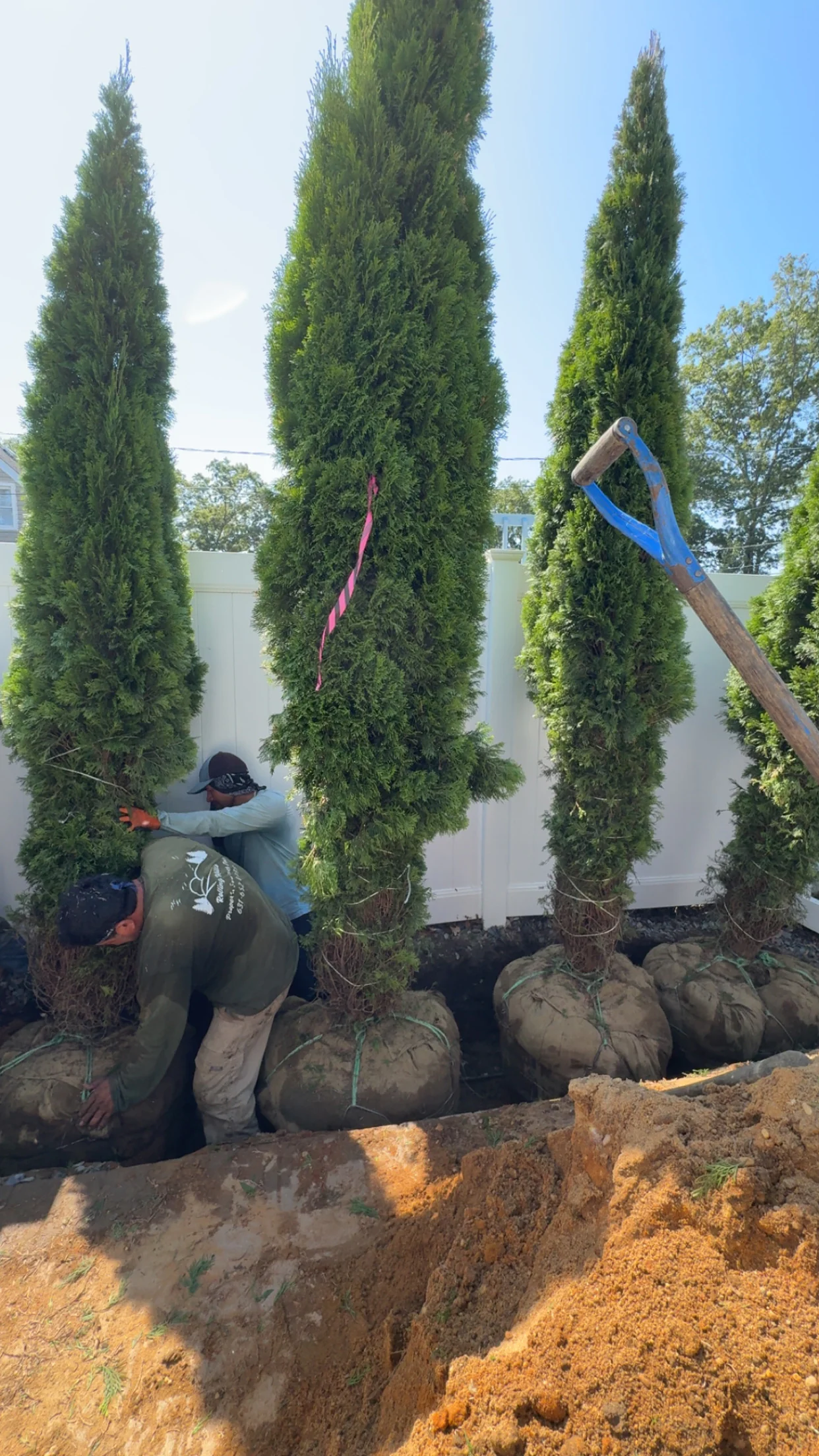
Your trees look better. Your property stays safer. That’s what happens when dead branches get removed before they fall on your roof during the next storm.
Proper tree trimming isn’t just about appearance—though your neighbors will notice the difference. It’s about preventing the expensive headaches that come with falling limbs, blocked gutters, and trees growing too close to power lines. When branches get trimmed correctly, your trees grow stronger and healthier.
You get peace of mind knowing your family and property are protected. Plus, well-maintained trees actually increase your home’s value, which matters when it’s time to sell.
Rolling Hills Property Services has been maintaining properties across Suffolk County for years. We understand how Long Island’s coastal winds and salt air affect your trees differently than inland areas.
Our company is fully licensed and insured, so you’re protected if anything goes wrong. We’ve built our reputation by showing up on time, doing the work right, and cleaning up completely when we’re done.
We serve homeowners and property managers throughout Northport and surrounding Suffolk County communities. We know which tree species thrive here and which ones need extra attention during storm season.

First, we assess your trees to identify dead, diseased, or dangerous branches. You’ll know exactly what needs to be done and why before any cutting begins.
Next, we use proper pruning techniques to remove problem branches without damaging the tree. This isn’t just random cutting—it’s strategic trimming that promotes healthy growth and reduces future problems.
Finally, we clean up completely. All branches, leaves, and debris get removed from your property. You’re left with healthier trees and a cleaner yard than when we started.

Ready to get started?
Professional tree trimming in Northport means more than just cutting branches. You get hazard reduction that removes limbs threatening your roof, gutters, or power lines. Dead wood removal prevents pest infestations and eliminates branches that could fall during storms.
Crown thinning improves air circulation through your trees, promoting healthier growth. Height reduction keeps trees away from utility lines and structures. Lower branch removal clears walkways and improves sight lines around your property.
In Suffolk County, proper tree trimming also means understanding local weather patterns. Northport’s coastal location means trees face different stresses than inland areas. Professional trimming accounts for salt air exposure, nor’easter winds, and the specific growing conditions that affect Long Island trees.
Most trees in Northport need professional trimming every 2-3 years, though this varies by species and location. Ornamental trees often require annual attention, while mature oaks or maples might go longer between services.
Trees near your house, power lines, or in high-wind areas may need more frequent trimming. Dead or damaged branches should be removed immediately, regardless of when the tree was last trimmed. The key is regular inspection—catching problems early prevents expensive emergency calls later.
Late fall through early spring is typically best for most tree trimming in the Northport area. Trees are dormant during this period, which reduces stress and makes it easier to see the tree’s structure without leaves.
However, dead or dangerous branches should be removed any time of year for safety reasons. Some species have specific timing requirements—for example, oaks should avoid trimming during active growing season to prevent oak wilt disease. Professional arborists understand these timing considerations and can advise what’s best for your specific trees.
Tree trimming costs in Northport typically range from $300-800 per tree, depending on size, species, location, and complexity of the work. Smaller ornamental trees cost less, while large mature trees requiring bucket trucks or complex rigging cost more.
Emergency services and difficult access situations increase costs. However, regular maintenance trimming costs significantly less than emergency tree removal after storm damage. Most reputable companies provide free estimates, so you’ll know the exact cost before any work begins. Avoid unusually low bids—they often indicate inexperienced crews or corner-cutting that could damage your trees.
Most routine tree trimming in Northport doesn’t require permits, but there are exceptions. Trees in protected areas, heritage trees, or trees near wetlands may have restrictions. Some homeowner associations also have their own tree care requirements.
If you’re removing trees entirely or doing major work near property lines, permits might be required. Professional tree services understand local regulations and can handle permit applications if needed. When in doubt, check with the Town of Huntington before starting any tree work—it’s better to ask first than deal with violations later.
Tree trimming and pruning are often used interchangeably, but they serve different purposes. Trimming focuses on appearance and size control—shaping trees, removing overgrowth, and keeping branches away from structures.
Pruning is more about tree health and structure. It involves removing dead, diseased, or problematic branches to improve the tree’s long-term vitality. Think of trimming as a haircut and pruning as healthcare for your trees. Most professional services combine both approaches to give you trees that look good and stay healthy.
DIY tree trimming often leads to personal injury, property damage, or permanent tree damage. Chainsaws, ladders, and falling branches create serious safety risks, especially around power lines or near structures.
Improper cutting techniques can stress trees, making them more susceptible to disease, pests, or storm damage. Professional tree services have the right equipment, insurance coverage, and expertise to do the job safely. The cost of professional trimming is usually less than dealing with the consequences of DIY mistakes—medical bills, property repairs, or tree replacement costs add up quickly.