Hear from Our Customers
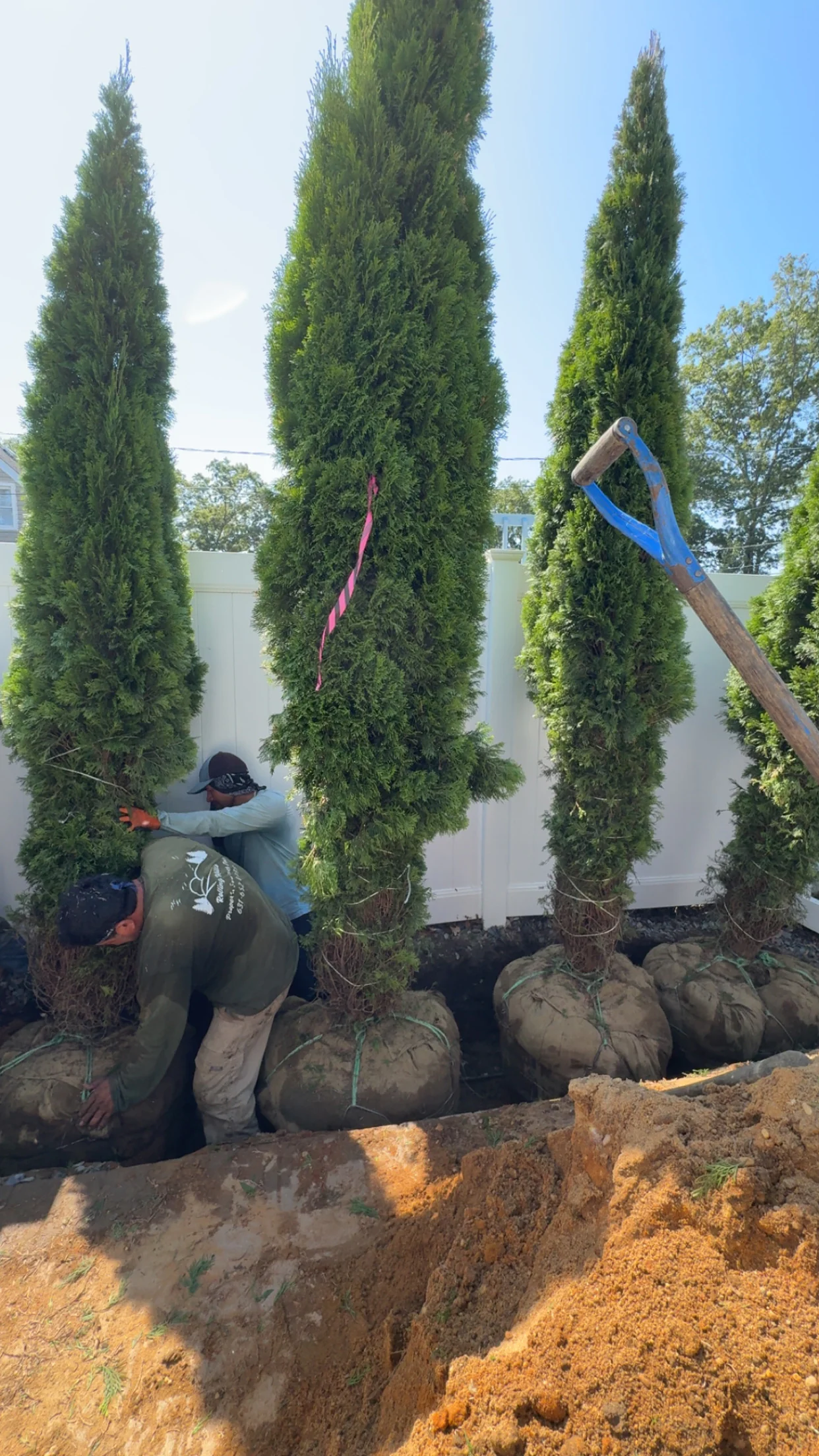
When your trees are properly trimmed, you’re not just improving how they look. You’re eliminating the branches that could fall on your house during the next nor’easter. You’re removing the dead wood that attracts pests and disease.
Your trees grow stronger because they’re not wasting energy on damaged limbs. Your property looks better maintained. Most importantly, you sleep better knowing those big branches aren’t hanging over your roof or power lines.
This is what happens when tree trimming is done right by people who understand Long Island’s weather patterns and how different tree species respond to our climate.
Rolling Hills Property Services Inc. has been handling tree care throughout Suffolk County for years. We know which trees in Mount Sinai are most vulnerable to storm damage and which pruning techniques work best for Long Island’s coastal climate.
Our team understands the tight spaces between houses in established neighborhoods like Mount Sinai. We’ve seen what happens when trees aren’t properly maintained before hurricane season hits.
Every job is handled by licensed, insured professionals who show up on time and clean up completely when we’re done. No shortcuts, no surprises, no mess left behind.

First, we assess your trees and identify any safety concerns. Dead branches, weak limbs, growth patterns that could cause problems later. You get a clear explanation of what needs to be done and why.
On service day, protective barriers go up to protect your landscaping and property. Professional equipment ensures branches are removed safely and controlled, piece by piece if necessary. No guessing where things will fall.
The cleanup is thorough. All debris gets removed, not just piled up for you to deal with. Your property looks better than when we started, minus the problem branches that were putting your home at risk.

Ready to get started?
Professional tree trimming in Mount Sinai goes beyond just cutting branches. It includes hazard assessment to identify potential problems before they become expensive emergencies. Dead wood removal eliminates disease risks and pest attraction.
Crown thinning reduces wind resistance, which is crucial for Long Island properties that face regular storm systems. Proper pruning cuts heal correctly and don’t leave your trees vulnerable to infection or decay.
Mount Sinai’s mature neighborhoods often have trees that have grown too close to homes, power lines, or other structures. Professional trimming creates safe clearances while maintaining the tree’s health and natural shape. The work includes complete debris removal and site cleanup, so you’re not left dealing with piles of branches.
Late fall through early spring is typically the best time for tree trimming in Mount Sinai, when trees are dormant and you can see the branch structure clearly. However, dead or hazardous branches should be removed immediately regardless of season.
Storm damage requires immediate attention, and some species have specific timing requirements. Oak trees, common in Mount Sinai, should be trimmed in late fall to avoid attracting beetles that spread oak wilt disease. Professional arborists know the right timing for each species in your yard.
Emergency situations don’t wait for ideal timing. If branches are threatening your home or power lines, they need to come down right away, regardless of the calendar.
Tree trimming costs in Mount Sinai depend on tree size, location, and complexity of the work. Small trees under 30 feet typically cost $300-800 for trimming. Medium trees between 30-60 feet generally run $500-1200. Large mature trees or those near structures can cost $800-2000 or more.
Trees that require special equipment, like those near power lines or in tight spaces between houses, cost more due to additional safety requirements. Emergency work during or after storms carries premium pricing because of the immediate response and hazardous conditions.
Most reputable companies provide free estimates that break down exactly what work will be performed and what it costs. Avoid any company that gives prices over the phone without seeing your specific situation.
Mount Sinai tree trimming permits depend on the tree’s size, species, and location on your property. Generally, routine pruning and maintenance don’t require permits, but removing large portions of significant trees might.
Trees near wetlands or those considered significant by local ordinances may have special requirements. Some homeowners associations in Mount Sinai also have their own tree care guidelines that need to be followed.
Professional tree services familiar with Mount Sinai regulations can advise you on permit requirements for your specific situation. We often handle permit applications as part of our service, ensuring all local requirements are met before work begins.
Dead, diseased, or damaged branches are obvious signs your Mount Sinai trees need professional attention. Look for branches hanging over your roof, growing into power lines, or crossing and rubbing against each other.
Trees that haven’t been pruned in several years often develop dense canopies that catch too much wind during storms. If you can’t see through the tree’s crown or if branches are growing straight up from main limbs, professional trimming is probably needed.
After major storms, even if no branches fell, have your trees inspected. Storm damage isn’t always immediately visible, but weakened branches can fail weeks or months later. Professional arborists can spot structural problems that homeowners typically miss.
Professional tree trimming should not damage your Mount Sinai property when performed correctly. Experienced crews use rigging systems, ropes, and controlled cutting techniques to direct exactly where branches fall, protecting your landscaping, structures, and neighboring properties.
For trees near houses, professionals remove branches piece by piece rather than letting large sections fall freely. We protect sensitive areas with plywood and tarps, and use specialized equipment designed for tight spaces common in established Mount Sinai neighborhoods.
Reputable tree services carry comprehensive insurance specifically for property protection, but proper technique and planning prevent damage from occurring in the first place. Ask about our property protection methods and insurance coverage before work begins.
Most residential tree trimming jobs in Mount Sinai take 2-6 hours depending on tree size and complexity. Small trees can often be trimmed in under 2 hours, while large mature trees or those requiring piece-by-piece removal take most of a day.
Multiple trees, extensive cleanup, or difficult access can extend the timeline. Weather conditions, ground conditions, and proximity to structures also affect how long the work takes. Professional crews work efficiently but never rush safety-critical procedures.
Emergency tree work gets expedited scheduling, often within hours during normal weather conditions. Companies familiar with Mount Sinai’s tree care needs provide realistic timeframes upfront and communicate any delays that might occur during the work.