
Hear from Our Customers
You get peace of mind knowing that dangerous tree hanging over your driveway isn’t going to come down in the next storm. Your property looks clean and well-maintained instead of overgrown and neglected.
Your trees actually stay healthier longer because we prune them correctly using professionals who understand tree biology, not hacked up by someone who doesn’t know what they’re doing. No more worrying about insurance claims or property damage from falling branches during East Islip’s unpredictable weather.
Everything gets cleaned up completely. No piles of debris sitting in your yard for weeks, no wood chips scattered across your lawn. The job gets finished, and your property looks better than when we started—exactly what you’d expect from professional tree service in East Islip, NY.
Rolling Hills Property Services Inc. has been serving Suffolk County homeowners for years, understanding exactly how nor’easters hit East Islip and what that means for your trees. We know which tree species thrive in Long Island’s sandy soil conditions and which ones struggle with our coastal climate.
Our crews live and work in this community. We’re licensed, fully insured, and equipped to handle everything from routine tree trimming in East Islip to storm damage emergencies that can’t wait.
When you work with us, you’re not just getting another tree service company—you’re working with neighbors who understand East Islip’s unique challenges and are committed to keeping our community safe and beautiful. That local knowledge makes all the difference when your trees need professional care.

First, we assess your trees and discuss what needs to be done. No surprises, no upselling—just straight talk about what your trees need and why. Our arborists can inspect for signs of decay, storm damage, or root instability that’s common in East Islip’s coastal environment.
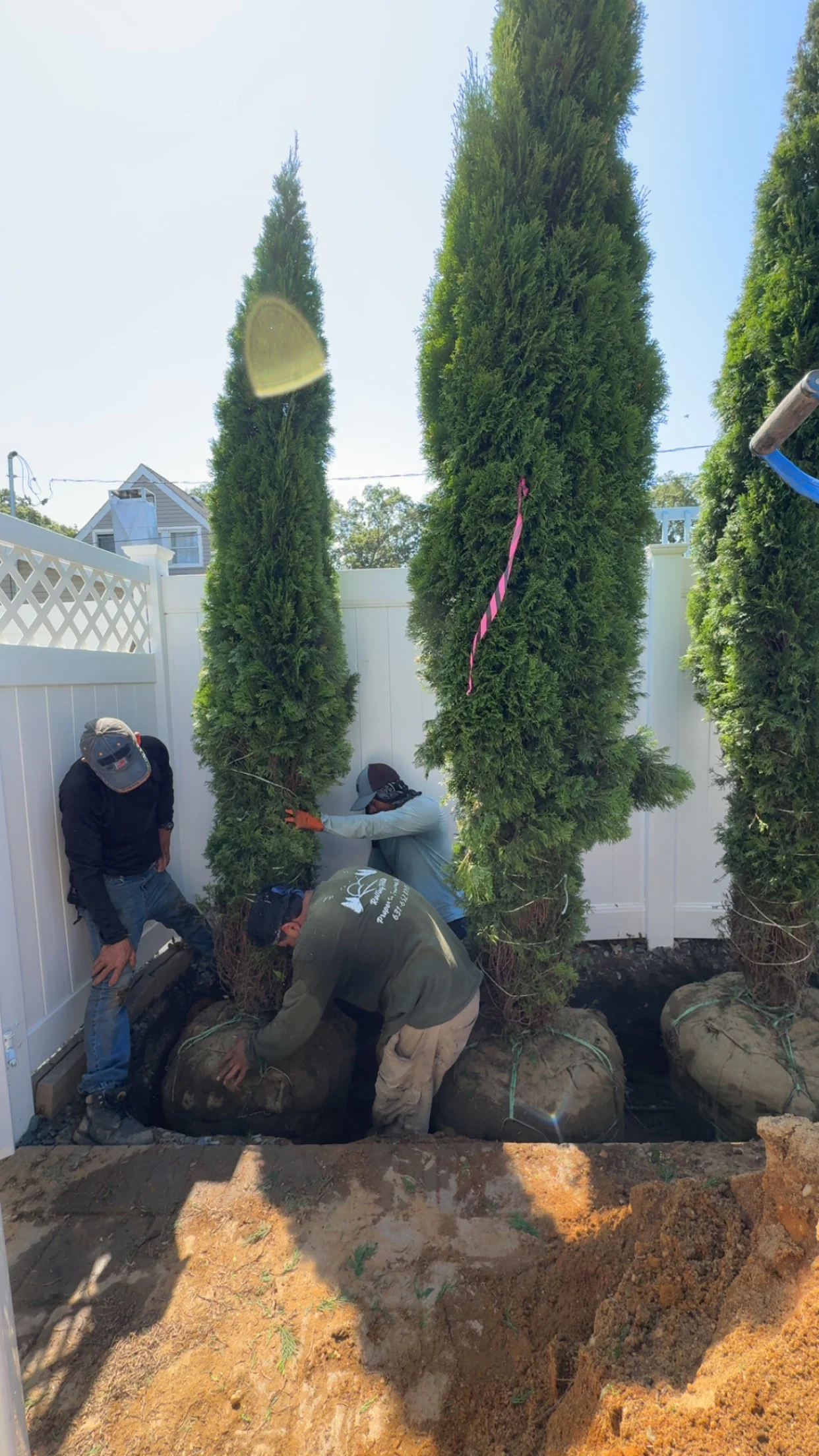
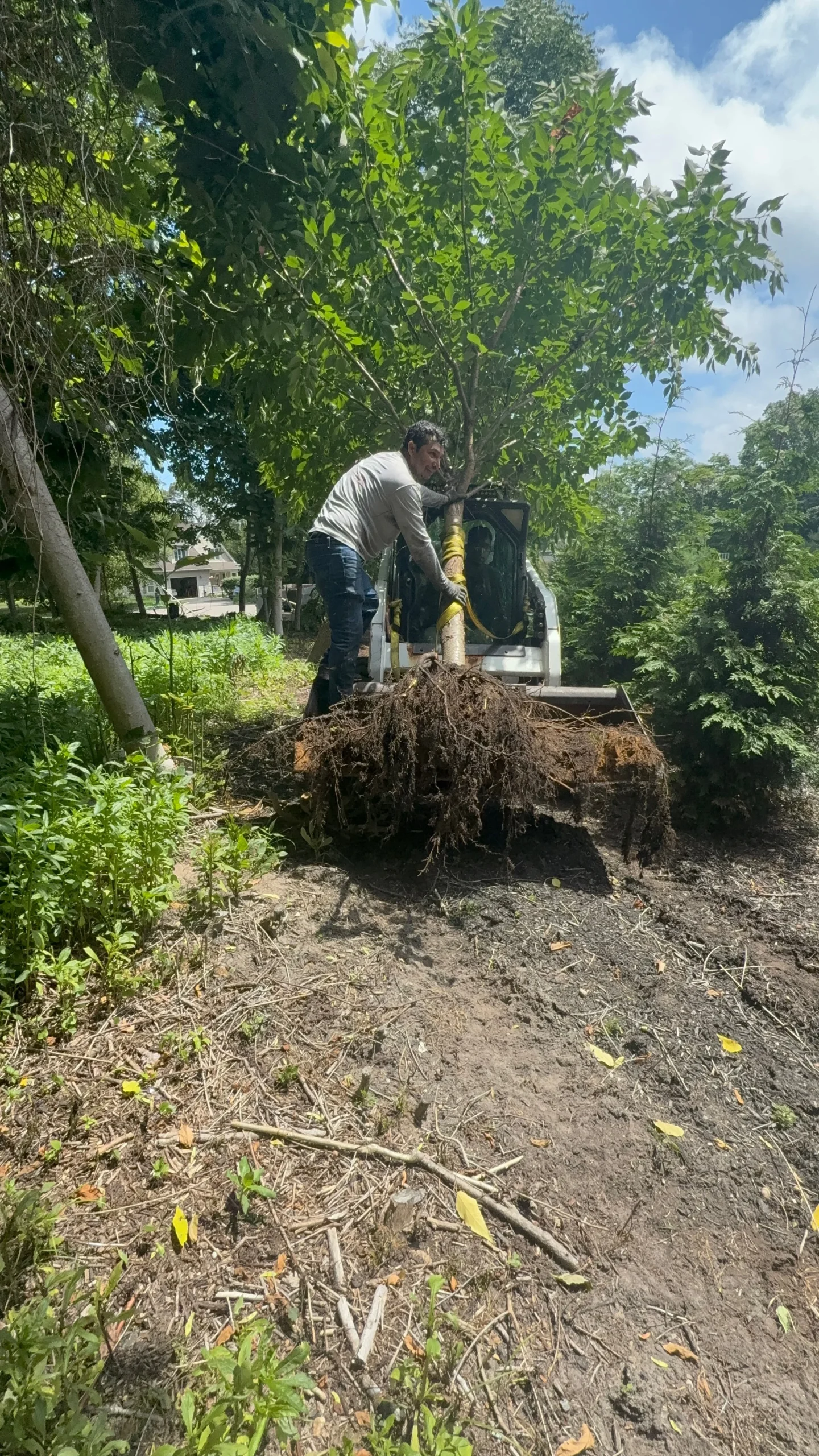
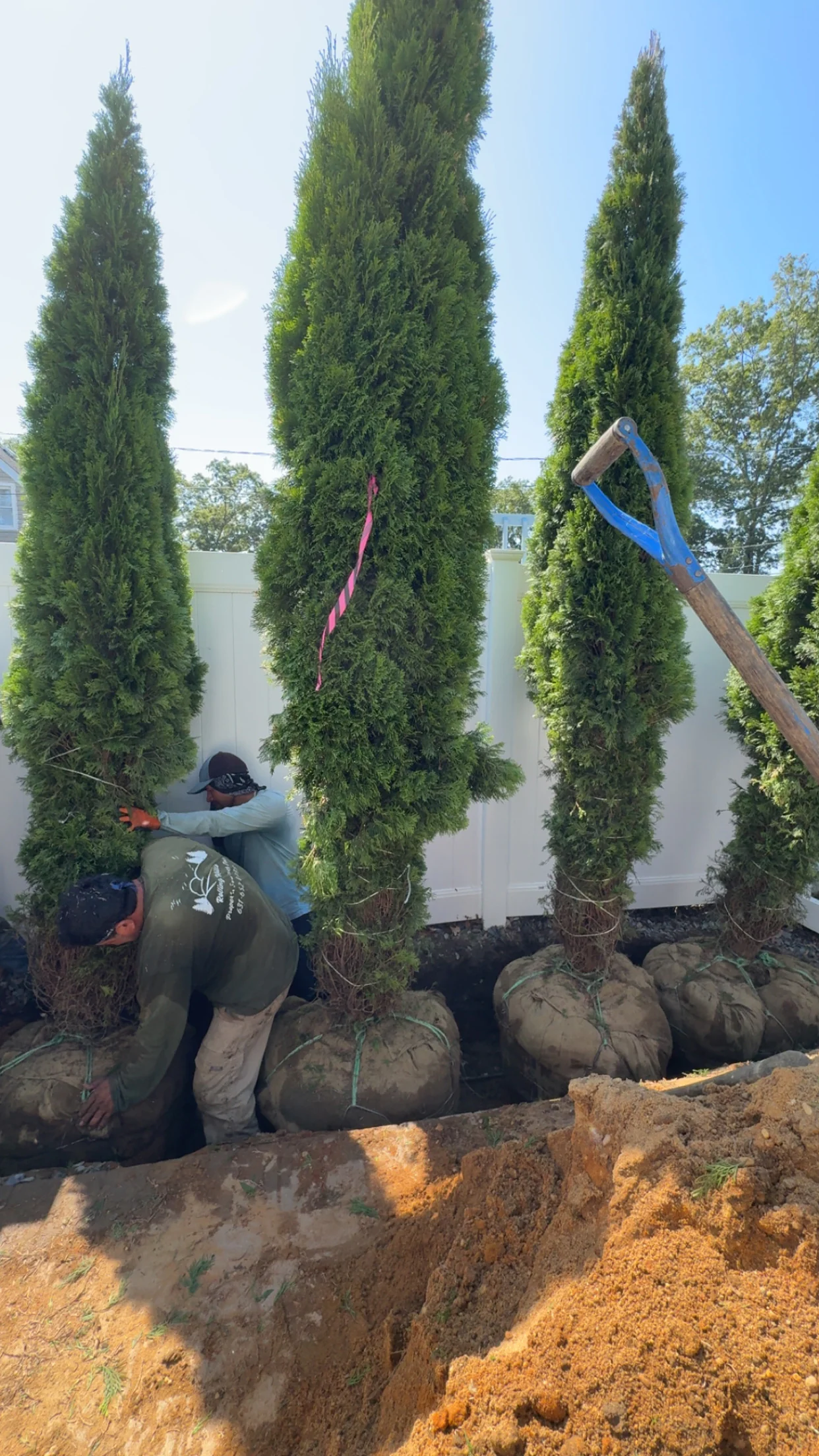
Our tree removal process begins with a detailed evaluation to determine the best strategy for your specific situation. Using modern equipment and strict safety protocols, we ensure every job is completed efficiently and safely without disturbing surrounding areas or damaging your property.
After the tree work is complete, we handle all cleanup as part of our standard tree service in East Islip, NY. Wood gets hauled away, debris gets cleared, and your property gets left clean. You don’t touch a branch or deal with disposal—complete cleanup is included in every job we do.
Ready to get started?
You get comprehensive tree service that covers removal, trimming, pruning, and emergency storm response throughout East Islip, NY. Our team handles everything from routine maintenance to hazardous tree situations that need immediate attention, especially after the coastal storms that regularly impact our area.
Emergency tree service is available when storms damage trees threatening your property. We respond quickly to secure dangerous situations and prevent further damage to structures or vehicles, understanding that East Islip homeowners can’t afford to wait when trees become hazards.
East Islip’s coastal location means your trees face unique stresses from nor’easters that saturate soil and reduce root anchoring strength by up to 40%. Regular professional tree care includes proper pruning techniques that promote healthy growth while removing dead or weak branches, helping your trees weather whatever nature throws at them. This proactive approach to tree service in East Islip, NY makes the difference between trees that enhance your property and trees that threaten it.

Tree removal costs in East Islip depend on the size, location, and complexity of the job. A small tree in an open area might cost a few hundred dollars, while a large oak near power lines or close to your house will cost more because of the additional safety measures and equipment required.
On average, tree removal in Suffolk County ranges from $300 to $2,000+, based on factors like tree height and diameter, location and accessibility, urgency level, and whether stump grinding is needed. We provide detailed estimates for our tree service in East Islip, NY that include everything—the removal, stump grinding if requested, and complete cleanup.
No surprise charges for debris removal or other basics that should be included in any professional tree service. The best way to get an accurate figure for your East Islip property is to schedule a free estimate with our team.
Yes, we offer 24/7 emergency tree service in East Islip, NY, usually arriving the same day for urgent situations. Storm damage, trees blocking driveways, or branches threatening structures get immediate attention from our experienced crew.
We understand that tree emergencies create safety hazards and inconvenience that can’t wait, especially in East Islip where coastal storms can turn healthy trees into immediate hazards within hours. Our crews are equipped to work safely in challenging conditions, and we’ll stabilize dangerous situations quickly while planning the complete solution.
Emergency response begins with rapid site assessment and prioritizes immediate safety stabilization—installing cable systems to prevent further movement—before systematic removal begins. We also provide documentation and detailed reports required for insurance claims, often completed while removal operations proceed.
Tree trimming usually refers to cutting back overgrown branches for appearance or clearance—like getting branches away from your roof or power lines. It’s more focused on immediate needs and aesthetics around your East Islip property.
Tree pruning is more focused on tree health, removing dead or diseased branches, improving air circulation, and shaping growth patterns. Pruning requires more knowledge of tree biology to avoid damaging the tree and promotes long-term health, which is especially important for trees dealing with East Islip’s coastal weather conditions.
Both are important services we provide, but we handle both types of work and will recommend what your specific trees actually need rather than just cutting everything back. Our approach to tree service in East Islip, NY considers the unique challenges of Long Island’s coastal climate and helps strengthen trees against potential storm damage.
We prioritize emergency calls for our tree service in East Islip, NY and typically respond within hours during business hours, often sooner for dangerous situations. Storm damage, trees blocking driveways, or branches threatening structures get immediate attention from our local crew.
During major storm events like nor’easters that regularly impact East Islip, response may take longer due to high demand across Long Island, but dangerous situations get addressed as quickly as safely possible. We carry emergency equipment to handle urgent removals even in challenging conditions that are common after coastal storms.
For after-hours emergencies, we have an on-call system to handle situations that pose immediate threats to people or property. Our experience with Suffolk County’s weather patterns helps us prepare for and respond effectively to the types of storm damage that East Islip homeowners face regularly.
Yes, Rolling Hills Property Services Inc. is fully licensed and insured for all tree service work in East Islip, NY, which protects both you and us during tree service operations. This coverage is essential when working with hazardous tree situations, especially around structures or power lines.
Our licensing ensures we meet all Suffolk County and local municipality requirements for professional tree service. We understand permit requirements for certain tree removals in East Islip and can provide documentation needed for applications when required.
Being properly licensed and insured means you have protection if anything unexpected happens during our tree service, and it demonstrates our commitment to operating professionally in the East Islip community. Many homeowners don’t realize this protection is crucial until they need it.
Absolutely. We work with insurance companies regularly and can help document damage for your claim after storms impact your East Islip property. We’ll provide detailed photos, written assessments, and work directly with adjusters when needed for our tree service work.
Our experience with insurance processes helps ensure you get fair coverage for necessary tree work. We understand the difference between maintenance issues and legitimate storm damage, and we’ll be honest about what qualifies for coverage under your policy.
Many East Islip homeowners don’t realize their policy covers tree removal when the tree damages structures or blocks access, and we’ll help you understand your coverage options. We can also coordinate timing to work with your insurance company’s requirements and inspection schedules to make the process as smooth as possible.