Hear from Our Customers
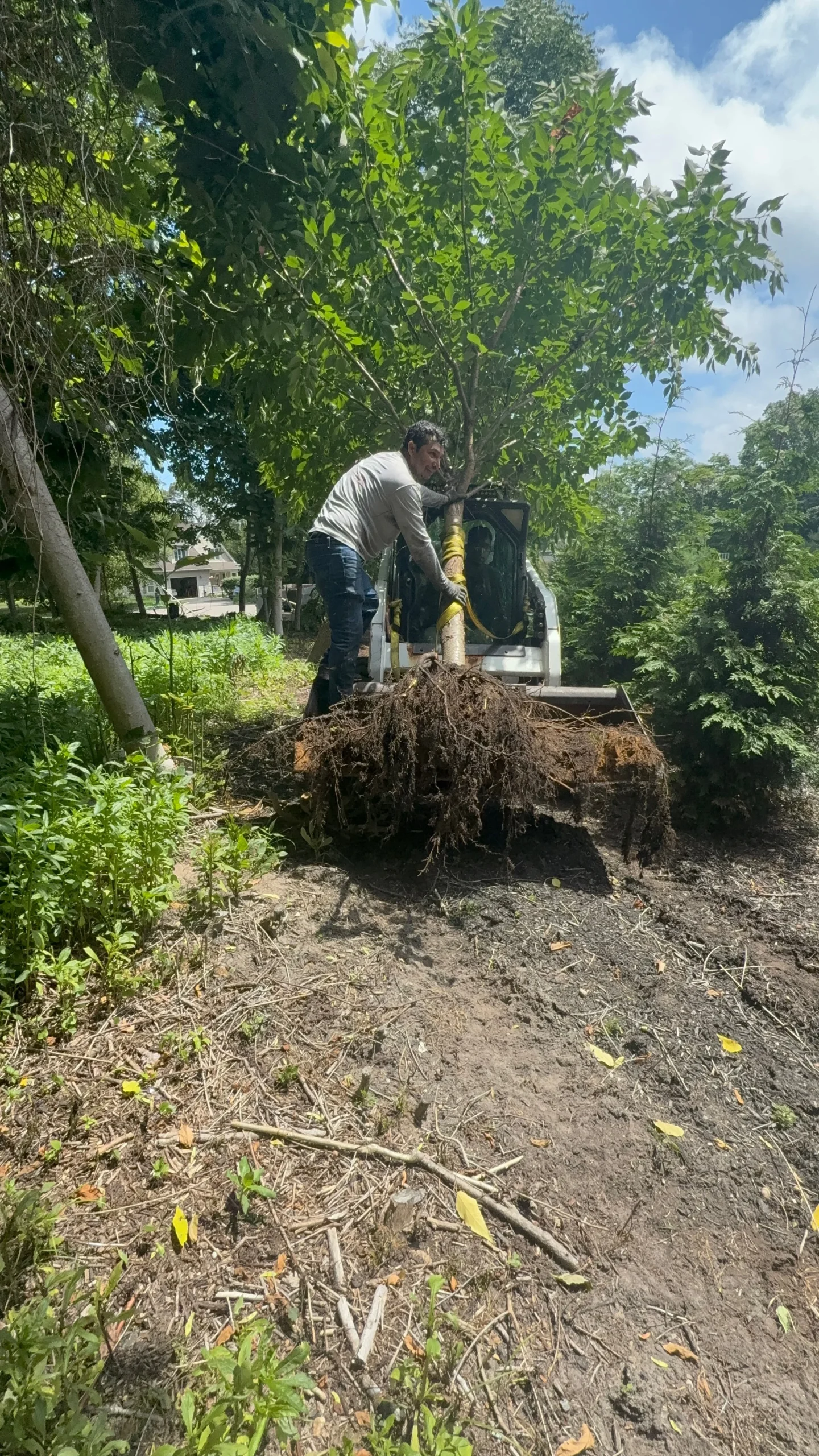
You get peace of mind knowing your trees won’t crash through your roof during the next storm. Your property stays safe, your insurance stays happy, and your neighbors stop worrying about that dead branch hanging over their driveway.
When trees are properly maintained, they add thousands to your property value instead of threatening it. You avoid the nightmare of emergency calls at 2 AM when a limb takes out your power line. Most importantly, you protect what matters most – your family’s safety and your home’s integrity.
Professional tree care means sleeping soundly during winter storms, knowing your trees are healthy, properly pruned, and won’t become expensive problems when Long Island weather gets rough.
Rolling Hills Property Services Inc. has been keeping Suffolk County properties safe and beautiful for years. We’re locally owned, based right here in Smithtown, and we understand exactly what Long Island trees face – from nor’easters to summer storms.
We’re fully licensed and insured because tree work is serious business. When a 60-foot oak is threatening your garage, you want professionals who know what they’re doing, not the cheapest guy with a chainsaw.
Our team specializes in Suffolk County’s unique challenges – sandy soil, salt air, and weather that can go from calm to catastrophic in hours. We’ve seen every type of tree emergency Commack can throw at us, and we’re ready 24/7 when storms hit.

First, we assess your trees and property to identify any safety hazards or maintenance needs. No surprises, no hidden problems discovered halfway through the job. You get a clear explanation of what needs to be done and why.
Next comes the careful removal or pruning work using professional equipment – bucket trucks, expert climbers, and proper safety gear. We protect your property, your neighbors’ property, and ourselves throughout the entire process.
Finally, complete cleanup. We don’t just cut and run. Every branch, every piece of debris gets removed, leaving your property cleaner than when we arrived. The job isn’t done until you’re completely satisfied with the results.
Ready to get started?
Rolling Hills handles everything from routine pruning to emergency storm cleanup. Tree removal, tree cutting, professional pruning, stump grinding, and complete property cleanup – all with the equipment and expertise to do it safely.
In Commack, trees face unique challenges. The sandy soil means root systems can be less stable during storms. Salt air from the nearby coast affects tree health. Winter nor’easters and summer thunderstorms create constant threats to property and safety.
That’s why local expertise matters. We know which trees thrive in Suffolk County conditions and which ones become problems. We can spot the warning signs before a tree becomes dangerous, saving you thousands in potential damage and keeping your property safe year-round.

Tree removal costs in Commack typically range from $300 to $3,000 depending on the tree’s size, location, and complexity of the job. Smaller trees under 30 feet usually cost $300-800, while large trees over 60 feet can cost $1,500-3,000 or more.
The final price depends on factors like proximity to your house, power lines, or other structures, whether a crane is needed, and if there are access issues. Emergency storm removal often costs more due to the urgent nature and potentially dangerous conditions.
We provide transparent, upfront pricing with no hidden fees. We’ll assess your specific situation and give you a clear estimate before any work begins, so you know exactly what to expect.
Yes, Commack typically requires permits for removing trees over certain sizes, usually 6-12 inches in diameter depending on your specific location within Suffolk County. The permit process can take 10-20 days for standard applications, though emergency permits are sometimes available same-day for hazardous situations.
Permit fees generally range from $50-200, but failing to get required permits can result in fines up to $10,000. The rules vary between different townships, so it’s crucial to check your local requirements before removing any trees.
We understand the local permit requirements and can help guide you through the process. We know which removals need permits and which don’t, saving you time and potential legal headaches.
The best time for tree pruning in Commack is typically late fall through early spring when trees are dormant. This timing minimizes stress on the tree and reduces the risk of disease or pest problems that can occur when pruning during active growing seasons.
However, dead, damaged, or dangerous branches should be removed immediately regardless of season. Safety always comes first, especially with Long Island’s unpredictable weather patterns that can turn a weak branch into a serious hazard overnight.
We can assess your trees year-round and determine the optimal timing for each specific tree and situation. Some species have different requirements, and emergency situations don’t wait for perfect timing.
We provide 24/7 emergency response for storm damage situations in Commack. When trees fall on houses, block driveways, or create immediate safety hazards, we prioritize these calls and typically respond within hours, even during active storms.
Emergency response focuses first on making the situation safe – removing trees from roofs, clearing blocked roads, and eliminating immediate dangers. Full cleanup and non-urgent work can be scheduled for safer conditions, but we’ll stabilize the situation quickly to prevent further damage.
During major storms affecting the entire area, response times may be longer due to high demand, but we maintain a list of emergency calls and work through them systematically based on safety priorities and severity of the situation.
Complete cleanup is included in every Rolling Hills tree service job. This means removal of all branches, logs, leaves, and debris from your property. We don’t just cut and leave – everything gets hauled away, leaving your yard cleaner than when we started.
For tree removals, we’ll cut logs into manageable pieces for disposal or, if you prefer, leave them for firewood. Brush and smaller debris gets chipped or removed entirely. Even sawdust and wood chips are cleaned up unless you specifically want them left for landscaping purposes.
The job isn’t considered complete until you’re satisfied with the cleanup. We respect your property and understand that proper cleanup is just as important as the tree work itself.
Yes, Rolling Hills Property Services Inc. is fully licensed and insured for all tree service work in Suffolk County and throughout Long Island. We carry comprehensive liability insurance and workers’ compensation coverage to protect both our crew and your property.
Our licensing ensures we meet all local and state requirements for tree service work, including proper training, equipment standards, and safety protocols. This isn’t just paperwork – it’s your protection when dealing with dangerous work involving heavy equipment and large trees.
Insurance coverage means you’re not liable if something goes wrong during the job. Whether it’s property damage or worker injury, our coverage handles it. Always verify licensing and insurance before hiring any tree service company – it’s too important to take chances with unlicensed operators.