
Hear from Our Customers
You’ll have grass that stays green through summer heat and bounces back from winter faster than your neighbors’. No more brown patches by August or thin spots that never fill in.
Your lawn becomes the kind that handles foot traffic without turning into a mud pit. The kind that doesn’t need constant watering just to look decent. You get consistent results because someone who understands Westhampton’s sandy soil and salt air challenges is handling the science behind healthy grass.
This means your weekends are yours again. No more Saturday mornings spent at the garden center trying to figure out what went wrong this time.
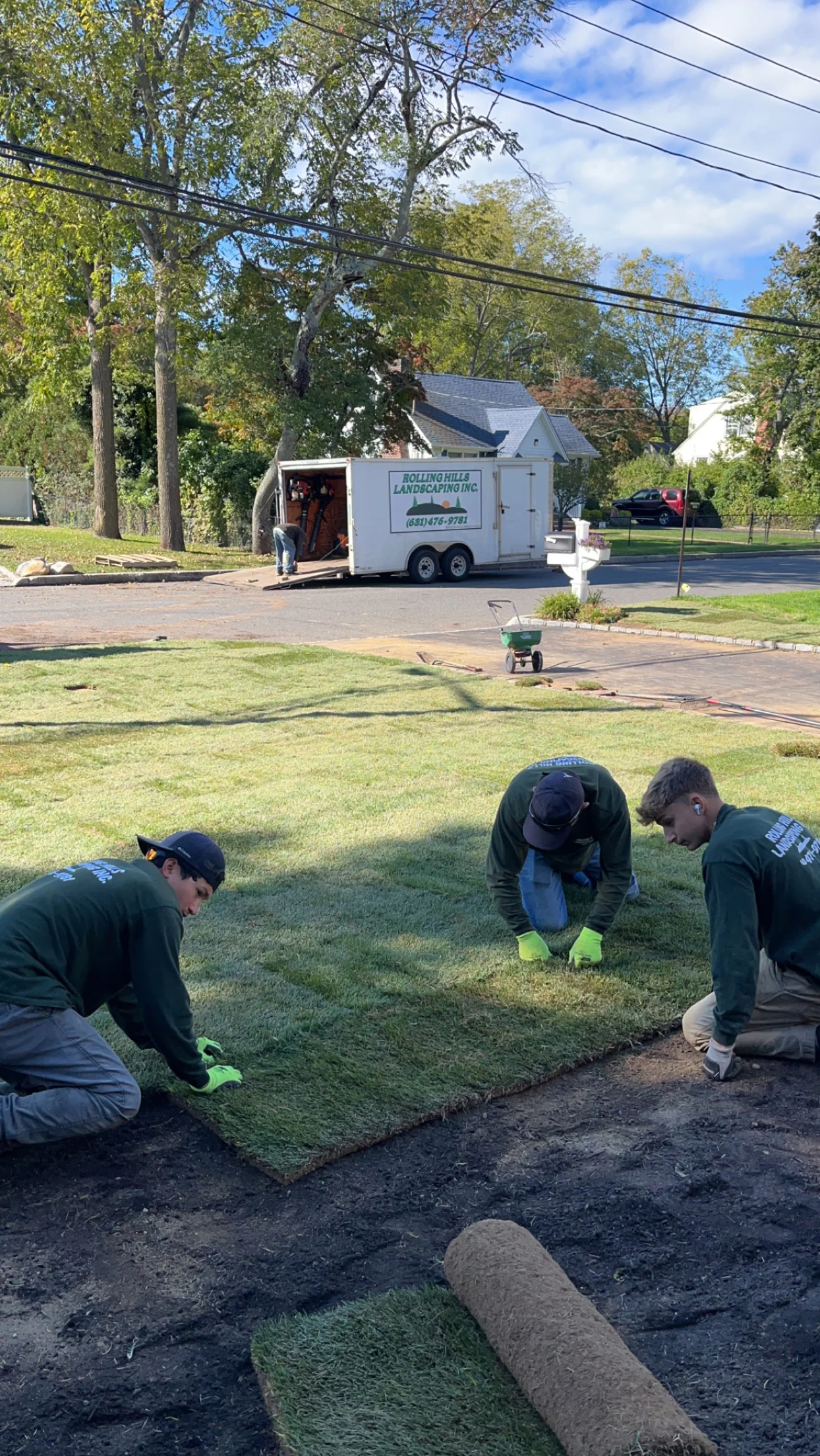
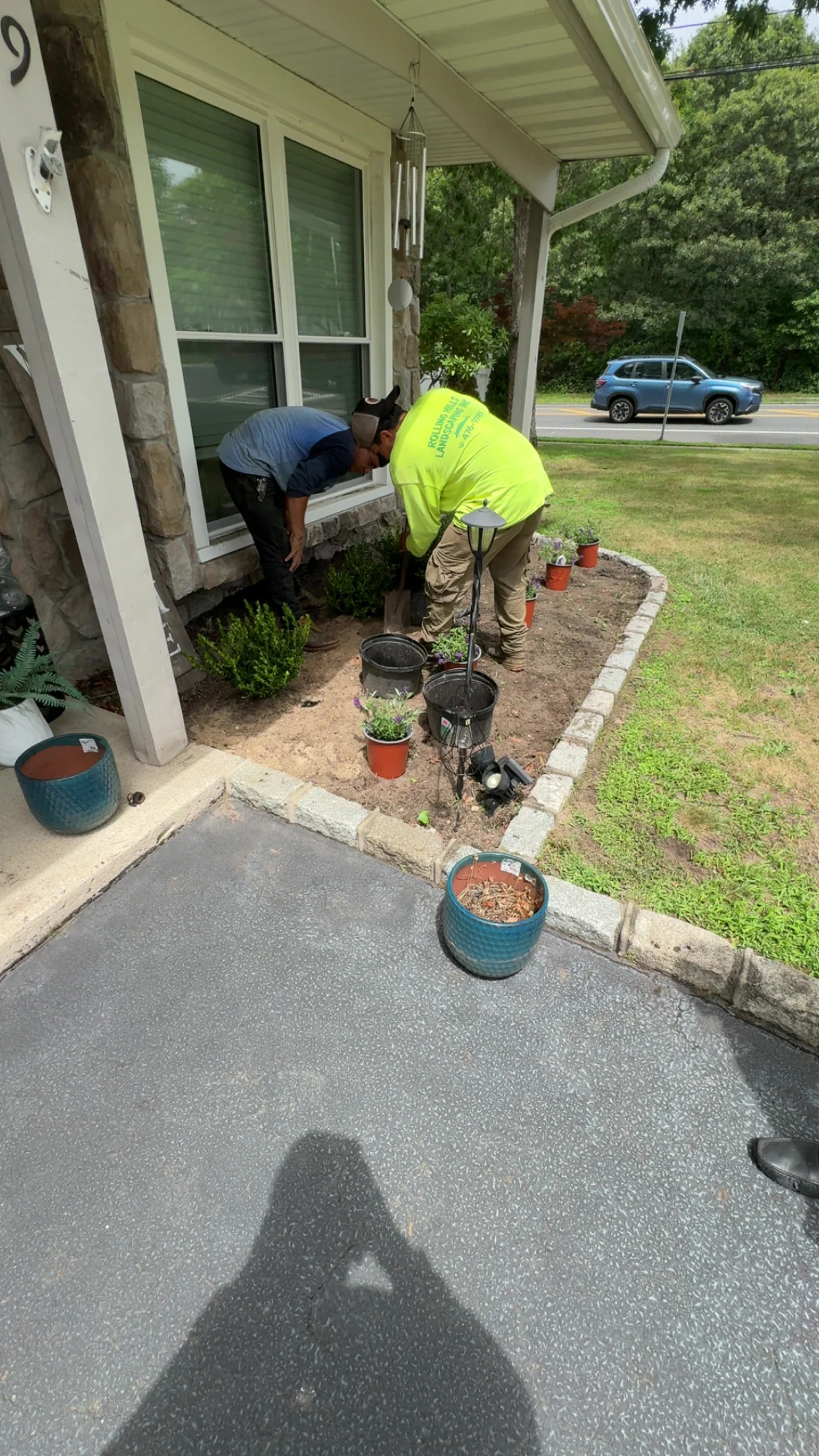
Rolling Hills Property Services has been handling Suffolk County lawns and we understand that Westhampton’s coastal location creates specific challenges most lawn companies miss.
The sandy soil drains fast but doesn’t hold nutrients well. Salt air from nearby water affects grass health differently than inland properties. These aren’t problems you solve with generic lawn care approaches.
We’re fully licensed and insured, with transparent pricing and flexible scheduling that works around your life, not the other way around.

First, we assess your specific lawn conditions – soil type, grass variety, drainage patterns, and any existing issues. No cookie-cutter approach because every Westhampton property is different.
Next comes the customized treatment plan. This includes proper fertilization timing for coastal conditions, targeted weed control, and aeration scheduling that works with sandy soil characteristics. We handle the seasonal adjustments so your lawn gets what it needs when it needs it.
Throughout the process, you get clear communication about what’s happening and when. No surprises, no showing up unannounced, no wondering if we actually did the work.

Ready to get started?
Your lawn maintenance services include regular grass cutting services with proper height adjustments for grass health, not just appearance. Fertilization programs designed for Long Island’s soil conditions and climate patterns. Weed control that targets the specific varieties that thrive in coastal environments.
Seasonal lawn maintenance covers spring cleanup, summer stress management, fall preparation, and winter protection strategies. This includes aeration when needed to combat soil compaction from foot traffic and equipment use.
In Westhampton specifically, our lawn treatment accounts for salt air exposure that can damage grass over time. The sandy soil common throughout the area requires different nutrient management than clay or loam soils found elsewhere. These local factors make a significant difference in results.

Most Westhampton lawns benefit from 4-6 fertilizer applications per year, timed to match your grass’s natural growth cycles. This typically includes treatments in early spring when grass starts actively growing, late spring for sustained nutrition, summer applications to handle heat stress, early fall for root strengthening, and sometimes late fall depending on your specific grass type.
The sandy soil common in Westhampton drains quickly, which means nutrients don’t stay available as long as they would in heavier soils. This requires more frequent but lighter applications rather than heavy seasonal doses. The timing also accounts for coastal weather patterns and salt air exposure that affects how your grass processes nutrients.
Salt air damage is the biggest challenge, causing grass to yellow or brown even with adequate water and nutrients. The salt accumulates in soil over time and interferes with your lawn’s ability to absorb what it needs. Sandy soil compounds this by draining too quickly and not holding nutrients effectively.
Fungal diseases are also common due to higher humidity from proximity to water. Brown patch, dollar spot, and other fungal issues thrive in these conditions, especially during summer months. Weeds like crabgrass and broadleaf varieties establish easily in sandy soil that’s been stressed by salt exposure.
Soil compaction happens faster than you’d expect because sandy soil, while it drains well, becomes dense when repeatedly walked on or driven over. This restricts water and air movement to grass roots.
Early spring, typically March or April when soil temperatures consistently reach the 50s, is ideal for starting comprehensive lawn care. This timing allows for pre-emergent weed control before crabgrass and other weeds germinate, plus early-season fertilization that gives your grass a strong start.
Starting in spring also means addressing any winter damage from salt exposure or freeze-thaw cycles before the growing season gets fully underway. Fall is the second-best time to begin services because it allows for soil preparation, overseeding if needed, and root strengthening before winter dormancy.
Avoid starting lawn programs during peak summer stress periods unless you’re dealing with urgent problems. The combination of heat, humidity, and salt air stress makes summer a challenging time to establish new treatment routines.
Sandy soil requires a completely different approach than the clay or loam soils found in other areas. We use slow-release fertilizers that provide consistent nutrition over time rather than quick-release formulas that wash away with the first heavy rain. The application schedule is adjusted to account for faster drainage and nutrient leaching.
Soil amendments are crucial for long-term health. This includes adding organic matter to improve nutrient retention and water-holding capacity. Aeration is performed more frequently because sandy soil compacts differently but still restricts root development when compressed.
pH management is also critical because sandy soils tend to become acidic over time, especially with salt air exposure. Regular soil testing ensures the pH stays in the 6.0-7.0 range where grass can actually use the nutrients you’re providing.
Salt air creates ongoing stress that most inland lawn care approaches don’t account for. Salt accumulates in soil and on grass blades, interfering with photosynthesis and nutrient uptake. This requires specialized treatments to flush excess salts and protect grass from ongoing exposure.
Wind patterns near water also affect how treatments are applied and when. Fertilizers and treatments need to be timed around weather conditions to ensure they stay where they’re supposed to and don’t blow away or wash off immediately.
Humidity levels stay higher near water, creating ideal conditions for fungal diseases that wouldn’t be as problematic inland. This means more proactive disease prevention and different timing for treatments to avoid promoting fungal growth.
Initial improvements like better color and reduced weeds typically show up within 4-6 weeks of starting a proper program. However, the deeper changes that create lasting lawn health – improved soil structure, stronger root systems, better drought tolerance – develop over a full growing season.
In Westhampton’s challenging conditions, it often takes two full seasons to see dramatic transformation because you’re not just feeding the grass, you’re also correcting soil issues and building resistance to salt air stress. The sandy soil needs time to improve its nutrient-holding capacity through organic matter additions and proper pH management.
Consistency matters more than quick fixes. Lawns that get regular, appropriate care year after year perform significantly better than those treated sporadically, especially in coastal environments where environmental stress is constant.