
Hear from Our Customers
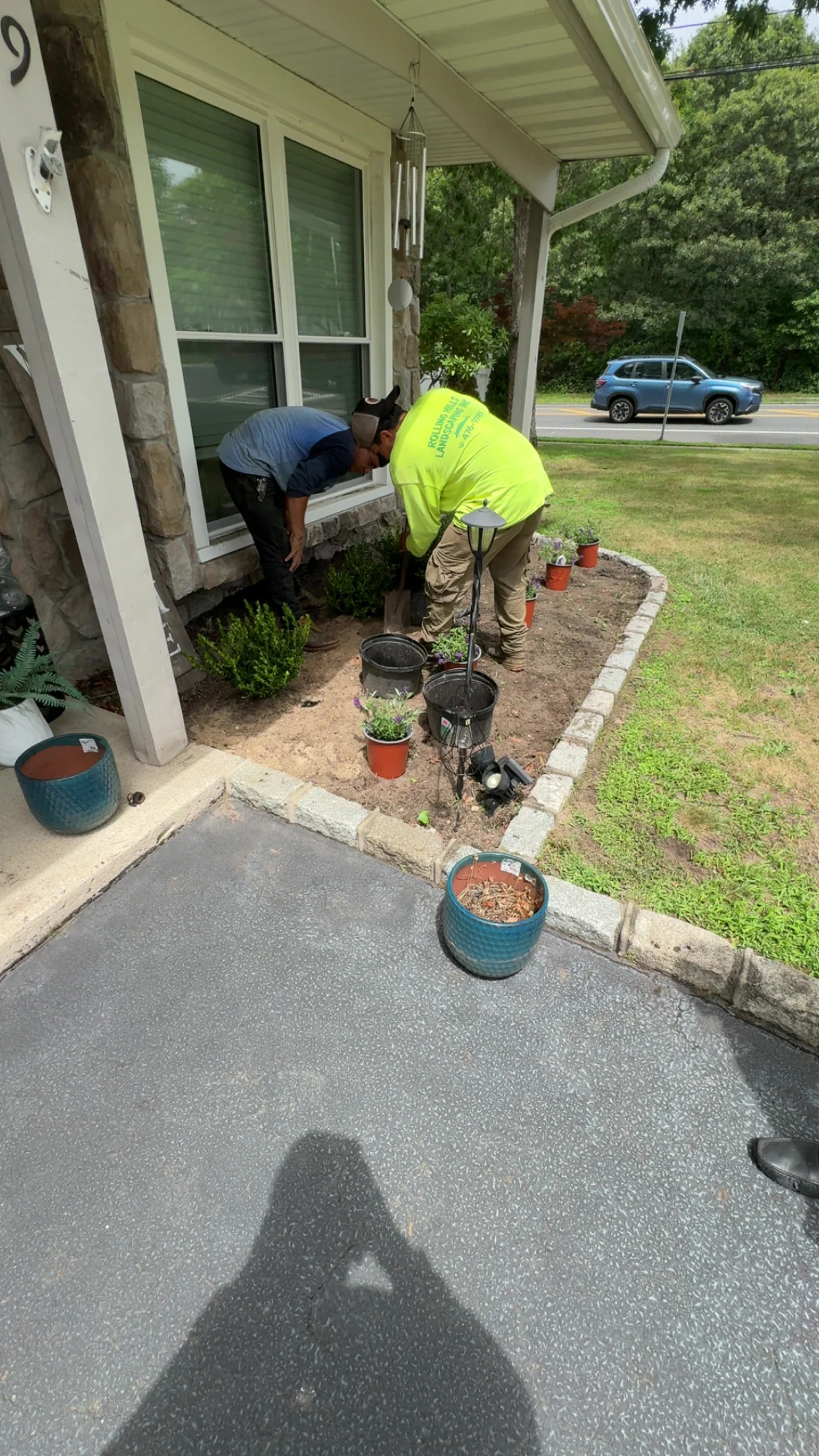
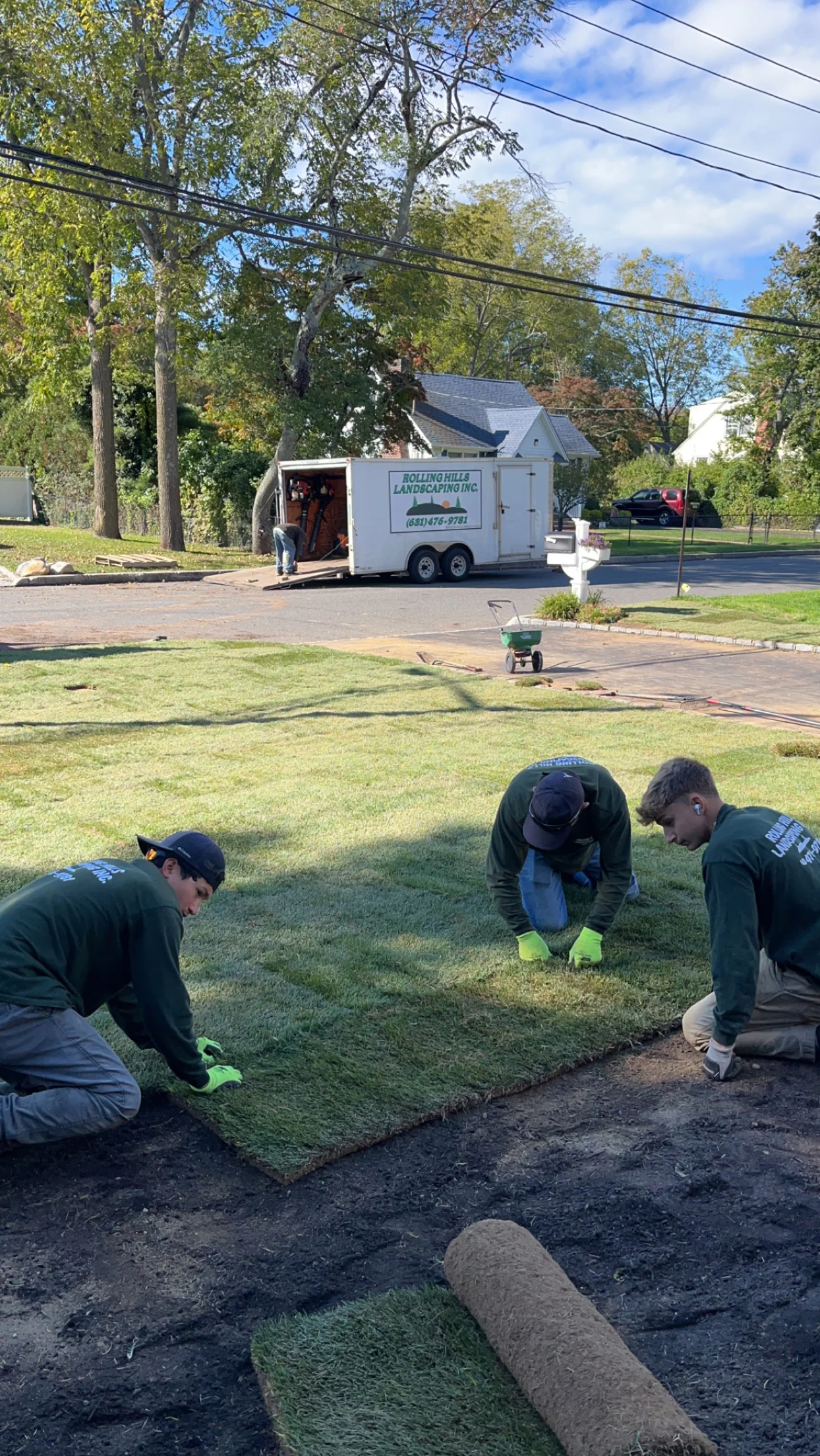
Your weekends shouldn’t revolve around lawn maintenance. When you work with experienced professionals who understand Suffolk County’s unique growing conditions, you get consistent results without the weekend grind.
Long Island’s climate throws curveballs at your grass all season long. Humid summers stress cool-season grasses. Salt air creates unique challenges. Winter damage needs spring recovery. You need someone who’s seen it all and knows exactly what works here.
That’s where professional lawn care makes the difference. Your grass stays healthier through every season. Your property looks sharp year-round. And you get your time back for what actually matters to you.
We’ve been maintaining lawns across Suffolk County for years, building our reputation on reliable service and real results. We know Wading River’s soil conditions, understand which grass varieties thrive here, and have the equipment to handle properties of any size.
Being locally owned means we’re invested in the community we serve. We’re not a franchise following corporate protocols – we’re neighbors who understand what Long Island lawns need to look their best.
Licensed and insured, we handle everything from weekly maintenance to seasonal treatments, giving you peace of mind that your property is in capable hands.

Your service starts with an assessment of your lawn’s current condition and specific needs. Every property is different, and what works for your neighbor might not be right for your grass type or soil conditions.
From there, we create a maintenance schedule that fits your preferences and your lawn’s requirements. Whether you need weekly grass cutting during growing season, seasonal treatments, or comprehensive landscape maintenance, we handle the scheduling and show up consistently.
Communication stays simple and clear. You’ll know when we’re coming, what we’re doing, and how your lawn is responding. No surprises, no guesswork – just professional service that keeps your property looking sharp.

Ready to get started?
Professional lawn care in Wading River goes beyond just cutting grass. Your service includes proper mowing techniques that promote healthy growth, edge trimming for clean lines, and debris cleanup that leaves your property looking finished.
Seasonal lawn maintenance addresses the specific challenges Long Island properties face. Spring cleanup removes winter damage and prepares grass for growing season. Summer treatments help your lawn handle heat stress and drought conditions. Fall preparation sets your grass up for winter survival.
Suffolk County’s coastal climate and varied soil conditions require local expertise. Professional lawn treatment services factor in salt air exposure, soil pH variations, and the specific grass varieties that perform well in this area. This local knowledge makes the difference between a lawn that survives and one that thrives.

Most lawns in Wading River need cutting every 7-10 days during peak growing season, typically from April through October. The exact frequency depends on your grass type, weather conditions, and how quickly your lawn grows.
Cool-season grasses common in Suffolk County grow most actively in spring and fall when temperatures are moderate. During these periods, weekly cutting might be necessary. In summer heat, growth slows down and you might stretch to 10-14 days between cuts.
The key is never removing more than one-third of the grass blade length at once. This keeps your lawn healthy and reduces stress that can lead to brown spots or disease issues.
Long Island’s coastal location creates unique challenges that require specific treatment approaches. Salt air can stress grass, especially during winter months when road salt adds to the problem. Spring treatments often include soil amendments to counteract salt buildup.
Fertilization schedules need to account for our growing season and grass types. Cool-season grasses benefit from fall fertilization that helps them store energy for winter and promotes strong spring growth. Summer treatments focus on drought tolerance and disease prevention.
Pre-emergent treatments in early spring prevent crabgrass and other weeds that thrive in our climate. Post-emergent treatments handle any weeds that do establish, while overseeding in fall helps maintain thick, healthy turf that naturally crowds out problems.
Time is usually the biggest factor. Professional lawn care makes sense when you’re spending your weekends on maintenance instead of enjoying your property. If you’re buying equipment, storing it, maintaining it, and still not getting the results you want, professional service often costs less than you think.
Results tell the story too. If your lawn has persistent brown spots, weed problems, or just doesn’t look as good as your neighbors’, professional expertise can identify and fix underlying issues. Soil problems, disease, improper mowing height, or wrong fertilization timing are common issues that professionals spot quickly.
Equipment quality makes a difference. Professional-grade mowers, proper blade sharpness, and commercial treatments typically produce better results than consumer-grade alternatives. Plus, professionals carry insurance and know how to handle problems safely.
Lawn care pricing in Wading River typically depends on property size, service frequency, and what’s included in your maintenance plan. Basic grass cutting for an average suburban lot usually runs less than most homeowners spend on equipment, fuel, and their time over a season.
Comprehensive lawn maintenance that includes cutting, edging, cleanup, and seasonal treatments provides better value than piecemeal services. You get consistent results, professional expertise, and often save money compared to hiring different companies for different tasks.
The best approach is getting a specific quote based on your property’s needs. Reputable companies provide transparent pricing without hidden fees or surprise charges. This lets you compare the total cost against your time investment and the results you’re getting from DIY efforts.
Early spring is ideal for starting comprehensive lawn care in Suffolk County, typically March or early April when grass begins active growth. This timing allows for proper spring cleanup, pre-emergent treatments, and establishing a maintenance routine before the growing season hits full swing.
Starting in spring gives your lawn the best foundation for the entire year. Spring cleanup removes winter damage and debris. Early fertilization provides nutrients for strong growth. Pre-emergent treatments prevent weeds before they start. This sets your lawn up for success through summer stress and into fall.
However, lawn care services can start any time during the growing season. Fall startup works well too, as it prepares your lawn for winter and sets up strong spring emergence. The key is working with professionals who understand the seasonal timing that works best for your specific situation.
Absolutely. Most Wading River properties have varying conditions that require different approaches. Areas under trees need shade-tolerant grass varieties and different fertilization. Slopes require erosion control and may need different mowing techniques. Low-lying areas might have drainage issues that affect grass health.
Sunny areas typically support traditional lawn grasses but may need more water during dry periods. Shaded sections often struggle with thin grass and moss problems. Areas near driveways or walkways get more salt exposure in winter and may need special attention in spring.
Professional lawn care takes these variations into account. We assess different zones of your property and adjust treatments accordingly. This targeted approach produces better results than treating your entire lawn the same way, especially on larger or more complex properties.