
Hear from Our Customers
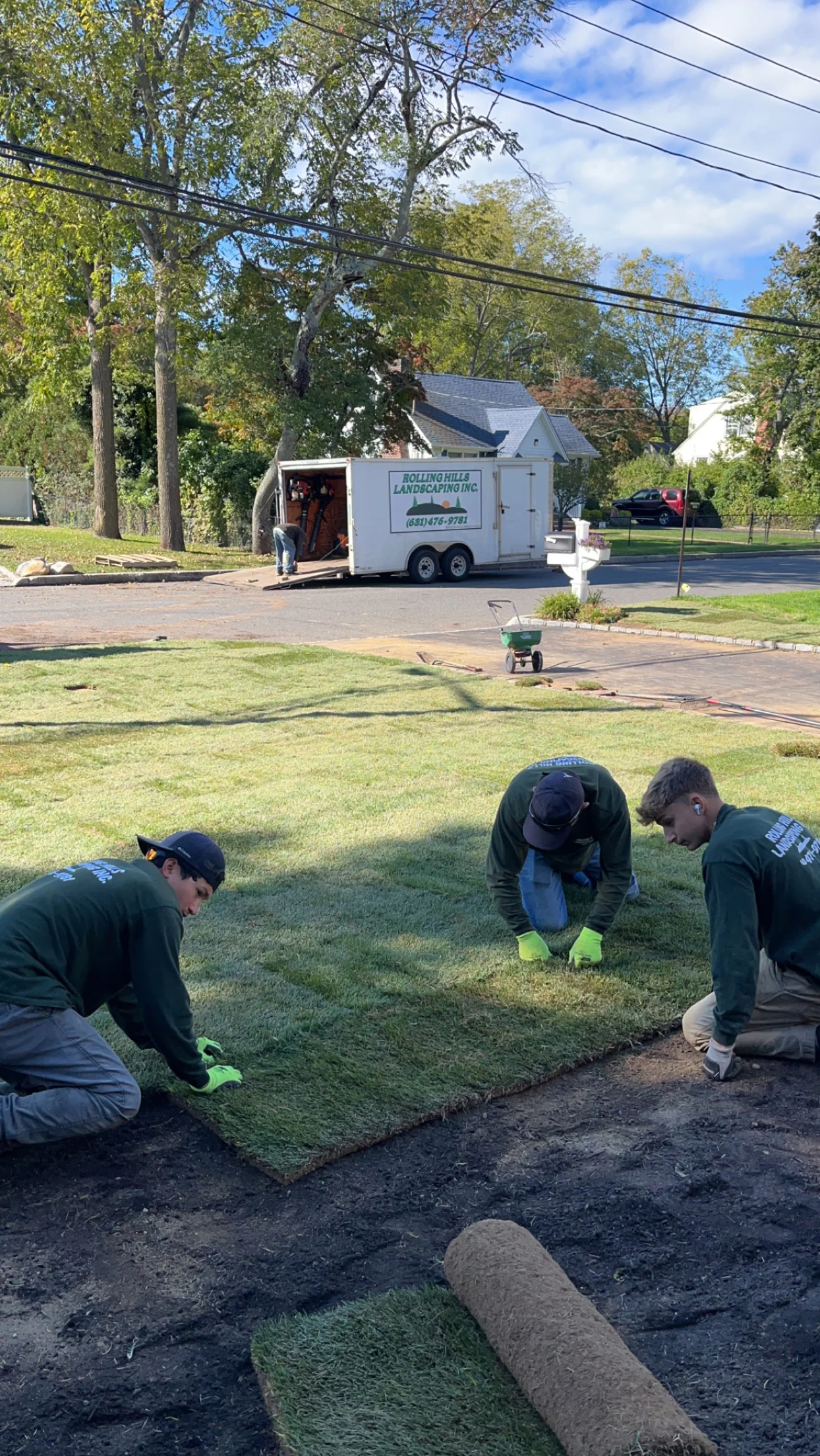
You’ll have the lawn that actually stays green through Long Island’s unpredictable weather. No more brown patches where the sprinkler missed or thin spots where weeds took over.
Your grass will be thick enough to handle foot traffic without turning into a mud pit. The kind of lawn where you don’t have to redirect guests around problem areas or make excuses about “working on it next season.”
Most importantly, you’ll stop spending weekends fighting the same lawn problems over and over. When someone who understands Long Island’s acidic soil and drainage challenges handles your lawn care, you get results that actually stick.
We’ve been solving Suffolk County’s toughest lawn challenges for years. We’re the locally owned company that understands why your grass struggles in spring and what actually works in Northport’s soil conditions.
While other companies treat every lawn the same, we know that Long Island’s acidic soil needs different care than lawns in other regions. We’ve seen what happens when you apply generic solutions to local problems.
Our team is fully licensed and insured, and we’ve built our reputation on transparent pricing and keeping you informed throughout every project. We’re not the cheapest option, and that’s intentional – you’re investing in fewer do-overs and actual results.

First, we evaluate your specific lawn conditions – soil type, drainage issues, existing grass varieties, and problem areas. Long Island properties vary significantly, so we don’t use cookie-cutter approaches.
Next, we address the foundation issues that other companies skip. If your soil pH is off or you have drainage problems, we fix those first. There’s no point in overseeding if the underlying conditions won’t support healthy grass growth.
Then we implement the right maintenance schedule for your lawn’s needs. This includes proper timing for fertilization, aeration, weed control, and seasonal treatments. We handle the scheduling and monitoring so you don’t have to guess when your lawn needs attention.
Throughout the process, we keep you updated on what we’re doing and why. No surprises, no hidden issues discovered halfway through the season.

Ready to get started?
Our lawn care services address the specific challenges Northport properties face. We handle soil pH correction for Long Island’s naturally acidic conditions, proper drainage solutions for clay soil areas, and strategic weed control timing to prevent crabgrass and dandelion takeover.
You get seasonal lawn maintenance that works with our local climate patterns – spring seeding at the right time (mid-to-late April to early May), summer stress management, fall preparation, and winter protection. We use the right grass varieties for Long Island: cool-season grasses like Kentucky bluegrass, ryegrass, and fescue that actually thrive here.
Our fertilization program provides the proper nitrogen levels (2-3 pounds per 1000 square feet annually) without environmental impact. We include aeration services to improve oxygen and water flow in compacted soil, and we use only approved, safe products with natural options available when preferred.

Long Island’s spring conditions create unique challenges that many homeowners don’t realize. Our soil is naturally acidic with pH levels often below the 6.2-7.0 range that grass needs to absorb nutrients properly. When you add fluctuating spring temperatures and competition from fast-growing weeds like crabgrass and dandelions, newly seeded or recovering grass gets overwhelmed.
Many lawns also have underlying drainage issues, especially in areas with clay soil or compaction from winter weather. Poor drainage displaces oxygen from the root zone, which grass needs to survive. Without addressing these foundation issues first, surface treatments like fertilizer and seed won’t deliver lasting results.
The optimal window for spring grass seeding in Northport is mid-to-late April to early May. This timing ensures soil temperatures are warm enough for germination while avoiding late frosts that can kill new seedlings. Seeding too early means seeds sit dormant in cold soil and become vulnerable to disease or washout.
Waiting too long creates different problems – summer heat stress and aggressive weed competition. By late May, weeds like crabgrass become very active and can quickly overtake new grass seedlings before they establish. Fall seeding (September to early October) is actually more forgiving for Long Island conditions, with cooler weather and less weed pressure.
Cool-season grasses perform best in Long Island’s climate. Kentucky bluegrass creates a dense, attractive lawn but requires more water and maintenance. Tall fescue handles drought stress better and works well in high-traffic areas, while perennial ryegrass germinates quickly for fast results and overseeding projects.
The key is matching grass type to your specific conditions – sun exposure, foot traffic, and maintenance preferences. Many successful Northport lawns use seed blends that combine these varieties for balanced performance. Avoid warm-season grasses that struggle with our winter temperatures, and be cautious with fine fescues in areas that stay wet, as they’re prone to disease in our humid conditions.
Drainage issues are extremely common in Suffolk County due to clay soil layers and natural compaction. We start with a simple percolation test – digging a hole, filling it with water, and timing how long it takes to drain. If water sits for hours or days, we know there’s a problem that needs addressing before any other lawn treatments.
Solutions range from core aeration to improve soil structure, to installing drainage systems in severe cases. We often recommend soil amendments like compost to improve texture and organic matter content. Sometimes the fix is as simple as adjusting irrigation timing and amounts, but persistent wet spots usually need physical intervention to redirect water flow away from grass root zones.
Many lawn care companies use standardized programs that don’t account for Long Island’s specific conditions. They might apply fertilizer without testing soil pH first, so nutrients remain locked up and unavailable to grass roots. Or they use timing schedules developed for different climates that don’t match our growing season patterns.
Generic weed control programs often miss the timing for preventing crabgrass, which germinates earlier here than in other regions. Some companies also underestimate how aggressive our native weeds can be, leading to insufficient prevention strategies. Without local knowledge of soil types, common pest pressures, and seasonal timing, even good products won’t deliver the results you’re paying for.
Your first season focuses on establishing proper foundation conditions for long-term lawn health. You’ll likely see initial improvements in grass color and thickness within 4-6 weeks of starting a proper fertilization program, assuming soil pH and drainage issues are addressed first.
Weed control results depend on timing – pre-emergent applications prevent new weeds but don’t affect existing ones, while post-emergent treatments target current problems. Full transformation typically takes 2-3 seasons as we rebuild soil health and establish strong grass coverage. We’ll keep you informed about what changes to expect and when, so you understand the process and can see progress even when results aren’t immediately dramatic.