
Hear from Our Customers
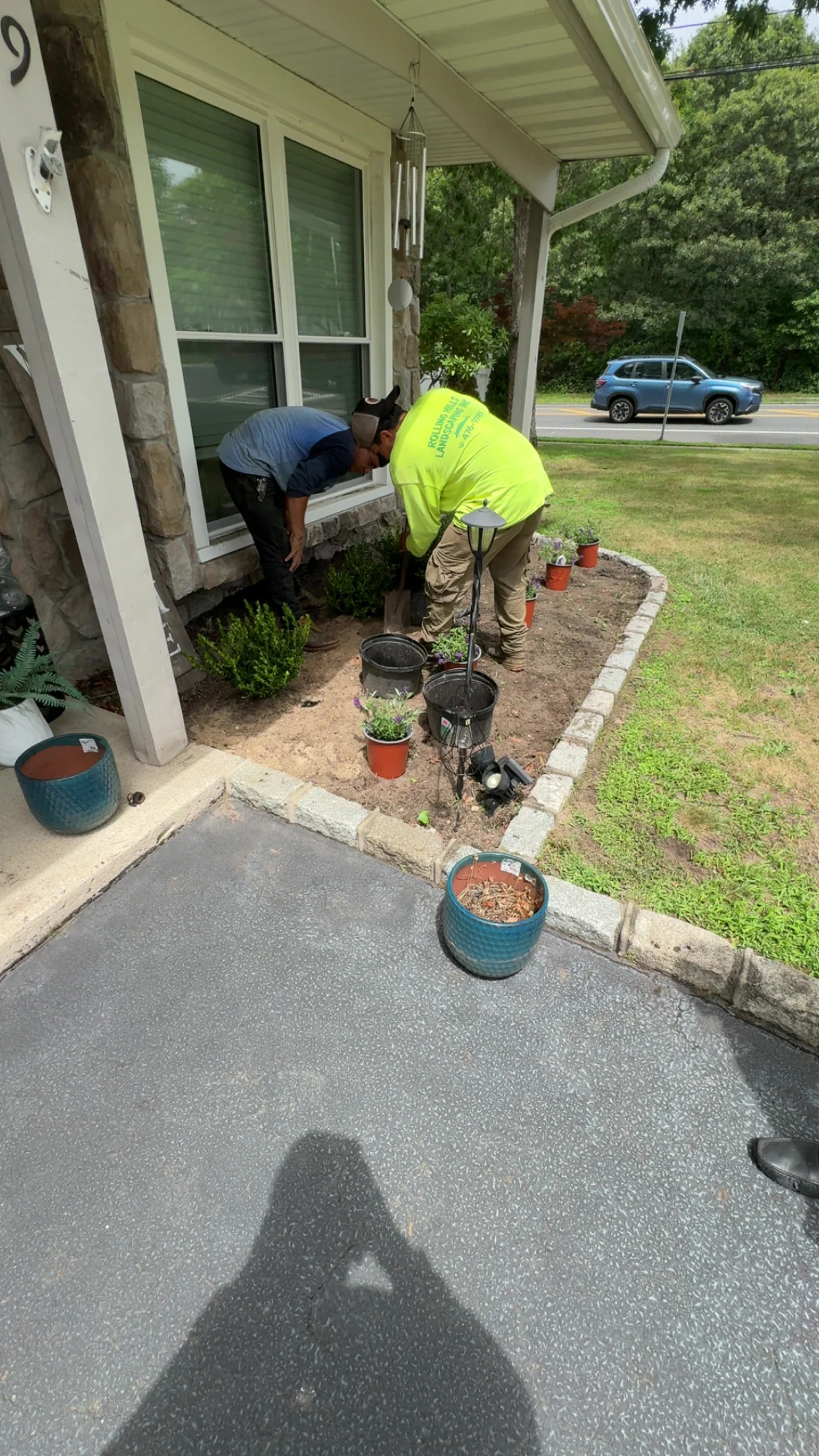
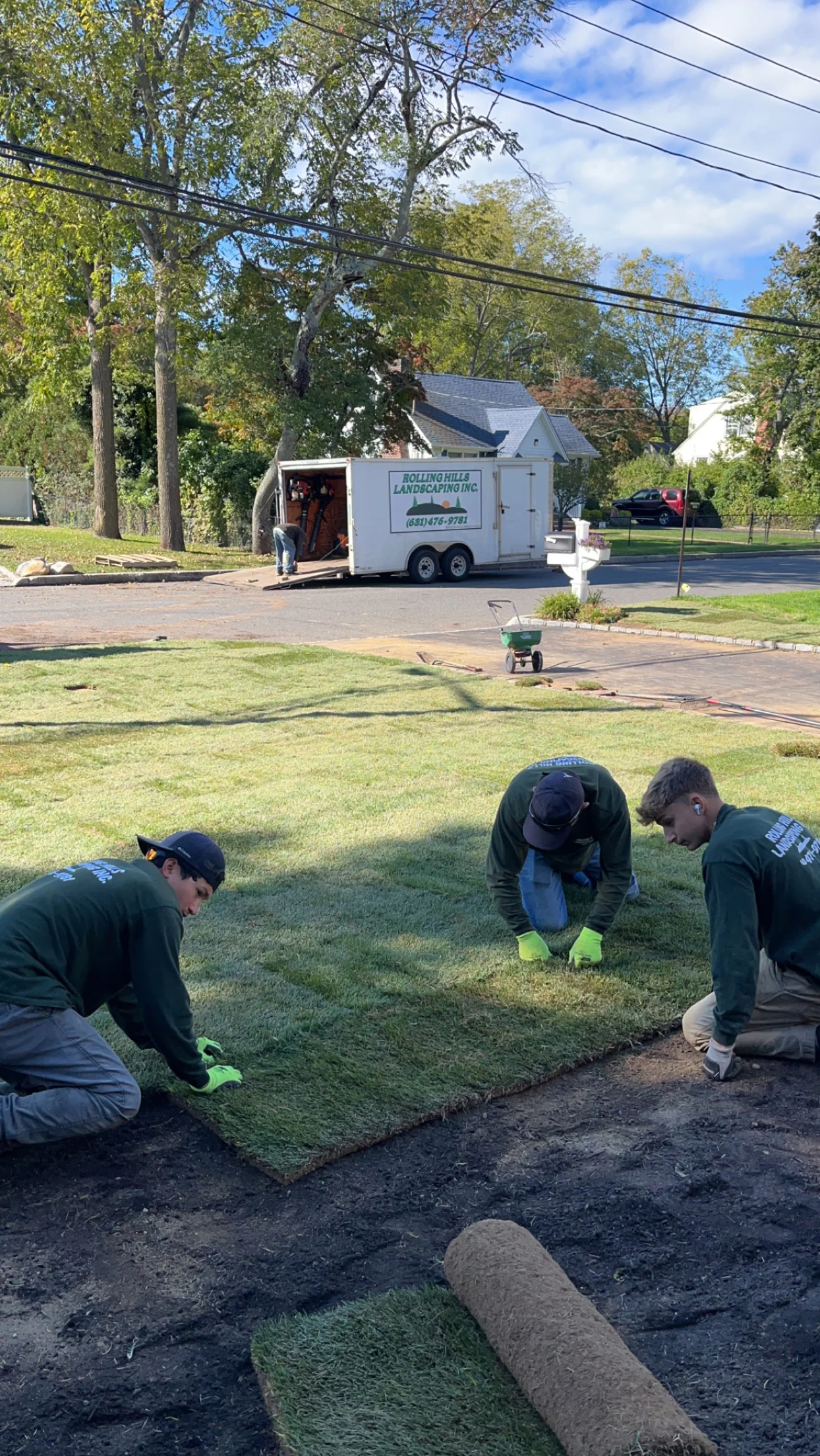
Your lawn isn’t just grass. It’s your family’s outdoor space, your property’s first impression, and frankly, a reflection of the care you put into your home.
When we handle your lawn care in Islip Terrace, you get more than just mowing. You get a lawn that stays green through Suffolk County’s challenging seasons, from the wet springs that promote fungal issues to the scorching summers that stress even the hardiest grass types.
Your neighbors notice the difference. Your property value reflects it. And most importantly, you actually get to enjoy your yard instead of spending every weekend fighting with it.
We at Rolling Hills Property Services Inc. have been taking care of lawns across Suffolk County for years, and we understand something most companies miss: Islip Terrace lawns face unique challenges.
The sandy soil that drains too quickly in summer. The salt air that can stress certain grass varieties. The way Long Island’s microclimates can create wet spots in spring that turn into brown patches by July.
We’re not some big corporate outfit. We’re your neighbors, licensed and insured, with crews who’ve seen every lawn problem Suffolk County can throw at a property. That local knowledge makes the difference between a lawn that survives and one that thrives.

First, we assess your specific lawn conditions. Islip Terrace properties often have a mix of grass types, and we identify what you’re working with – whether it’s the durable tall fescue that handles foot traffic or the lush Kentucky bluegrass that needs more attention.
Next, we create a maintenance schedule that works with your grass type and Suffolk County’s growing seasons. This isn’t cookie-cutter service. Spring cleanup and overseeding happen when your specific lawn needs it, not when the calendar says so.
Throughout the season, our crews handle the mowing, edging, and trimming with equipment that’s maintained properly and sharp enough to cut cleanly. Clean cuts mean healthier grass and fewer disease issues. We also monitor for problems like grub damage or fungal issues that are common in our area, catching them before they become expensive problems.

Ready to get started?
Your lawn maintenance services in Islip Terrace include regular mowing with proper height adjustment for your grass type, precision edging around walkways and beds, and trimming around obstacles your mower can’t reach.
We handle the seasonal work that keeps Suffolk County lawns healthy: spring cleanup to remove winter debris and prepare for growth, summer monitoring for stress and pest issues, and fall preparation including leaf removal and winterization.
For Islip Terrace properties, we pay special attention to drainage issues common in the area and adjust our fertilization program for the local soil conditions. Sandy soils need different nutrient timing than clay, and we’ve learned what works best for lawns in your neighborhood. Our lawn treatment approach considers the salt exposure many properties face and the specific challenges of Long Island’s coastal climate.

Most lawns in Islip Terrace need mowing every 7-10 days during peak growing season, typically April through October. However, the frequency depends on your specific grass type and growing conditions.
Cool-season grasses like tall fescue and Kentucky bluegrass, which are common in Suffolk County, grow most actively in spring and fall when temperatures are moderate. During hot summer months, growth slows and you might stretch to every 10-14 days. We never cut more than one-third of the grass blade length at once, which keeps your lawn healthier and more stress-resistant during Long Island’s variable weather patterns.
Tall fescue performs exceptionally well in Islip Terrace because it handles both drought stress and the occasional salt exposure from coastal winds. It’s durable enough for families with kids and pets, and it stays green longer into fall.
Kentucky bluegrass creates a beautiful, dense lawn but requires more consistent watering, especially during Suffolk County’s dry summer periods. Perennial ryegrass germinates quickly and works well for overseeding thin areas, though it needs more frequent watering than fescue. Many successful lawns in the area use a blend of these varieties, combining fescue’s durability with bluegrass’s appearance and ryegrass’s quick establishment.
Suffolk County lawns typically need four fertilizer applications: early spring (April), late spring (May), early fall (September), and late fall (November). However, timing depends on your specific grass type and soil conditions.
Cool-season grasses do most of their growing in spring and fall, so those are the most important feeding times. Summer fertilization should be light or skipped entirely during hot, dry periods to avoid stressing the grass. We soil test first to determine what nutrients your specific lawn actually needs, because Islip Terrace’s sandy soils often require different ratios than the standard fertilizer blends you’ll find at garden centers.
Brown spots in Suffolk County lawns usually stem from three main causes: grub damage, fungal disease, or irregular watering patterns. Grubs are particularly problematic in late summer when adult beetles lay eggs that hatch into lawn-damaging larvae.
Fungal issues often develop during Long Island’s humid summers, especially in areas with poor air circulation or overwatering. The key is proper watering technique – deep, infrequent watering early in the morning rather than light, frequent watering that keeps the surface constantly moist. We also recommend core aeration in fall to improve drainage and reduce the conditions that promote fungal problems in Islip Terrace’s sometimes heavy soils.
Most grass types in Islip Terrace should be maintained at 2.5 to 3.5 inches tall, with taller heights during summer stress periods. Tall fescue can handle being cut at 3-4 inches, while Kentucky bluegrass looks best at 2.5-3 inches.
Taller grass develops deeper roots, handles drought better, and crowds out weeds more effectively. During Suffolk County’s hot summer months, we raise cutting heights by half an inch to help grass cope with heat stress. Never cut more than one-third of the blade length at once – this shock can weaken the grass and make it more susceptible to disease and pest problems common in our coastal climate.
Yes, we provide organic and eco-friendly lawn care solutions that work well for Islip Terrace properties. Our organic program uses compost-based fertilizers, beneficial microorganisms, and natural pest control methods that build soil health over time.
Organic lawn care takes a different approach – instead of quick fixes, we focus on creating soil conditions that naturally support healthy grass growth. This includes regular organic matter additions, proper pH management, and encouraging beneficial insects that control harmful pests. While organic results develop more gradually than synthetic treatments, they create more resilient lawns that handle Suffolk County’s weather extremes better and require less water and intervention over time.