
Hear from Our Customers

You’re looking at your driveway or walkway and seeing cracks, settling, or water pooling in places it shouldn’t. Maybe you’ve already paid for concrete work once and watched it fail within a few years. That’s what happens when contractors don’t account for Miller Place’s specific challenges—the clay-heavy soil that holds water, the freeze-thaw cycles that destroy improperly prepared surfaces, and the coastal moisture that accelerates deterioration.
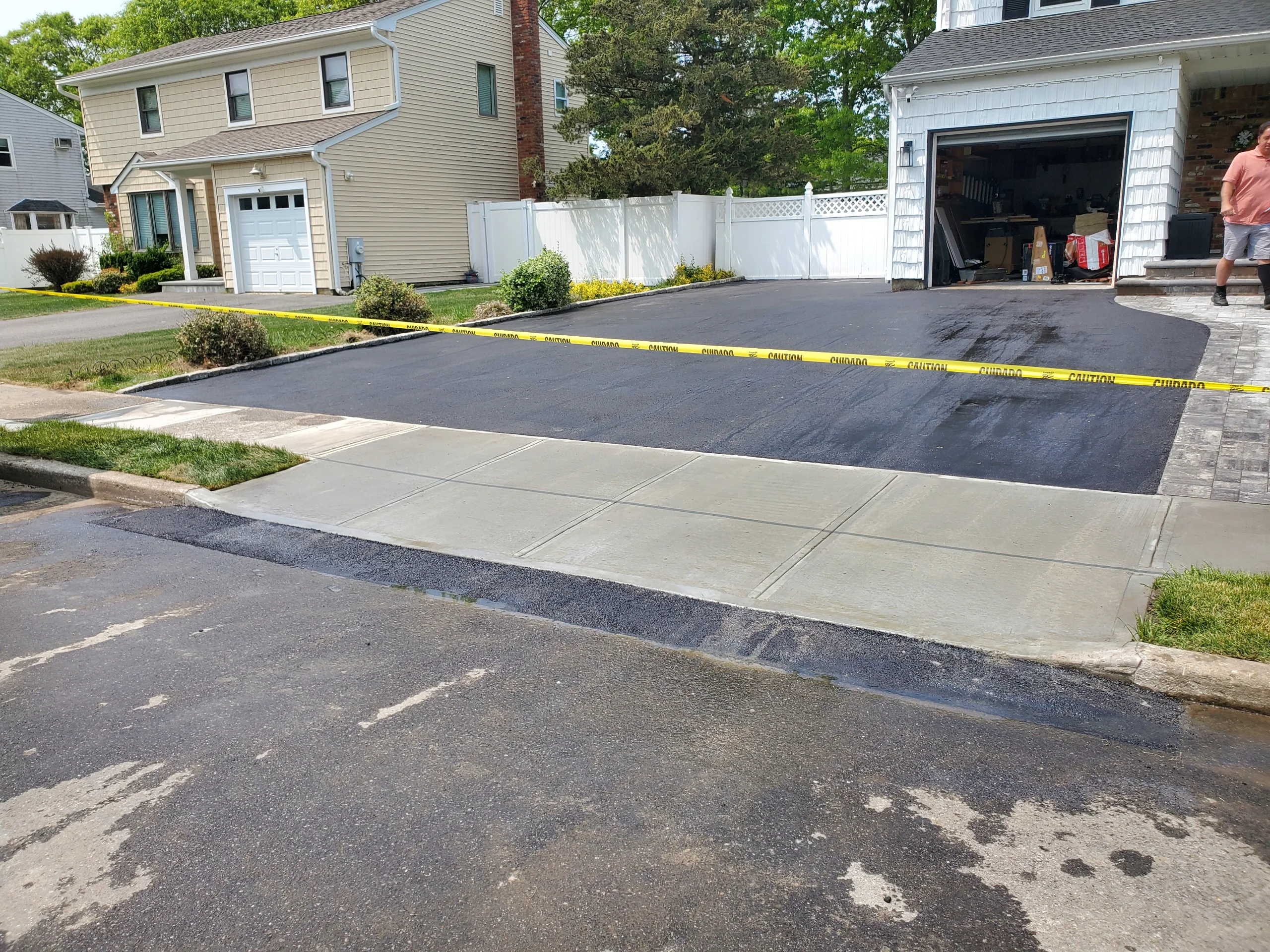
When concrete and masonry work is done right, you stop worrying about it. Your driveway apron stays level. Your sidewalks don’t crack and heave every winter. Water flows where it’s supposed to go, away from your foundation and landscaping. And when you pull into your driveway or walk up to your front door, you see clean lines, professional craftsmanship, and the kind of permanent curb appeal that makes neighbors take notice.
Real estate experts consistently point to quality hardscaping as one of the highest-return investments you can make in a Miller Place property. A well-installed Belgian block apron or concrete curbing doesn’t just look better—it signals to buyers that the home has been maintained with attention to detail. That matters in a competitive market where first impressions determine whether someone schedules a showing or keeps scrolling.
We’ve been handling property maintenance and excavation work throughout Suffolk County for years. Based in Smithtown, we’ve worked on enough Miller Place properties to understand exactly what happens when concrete gets installed without proper site preparation. We’ve seen the pooling water, the cracked aprons, the settling sidewalks—and we know how to prevent those problems before they start.
Miller Place transitioned from agricultural land to dense suburban neighborhoods, which means the soil composition varies significantly from property to property. Some areas still have that heavy clay base that acts like a water barrier. Others have sandy pockets that shift under weight. We assess your specific site conditions before we start any concrete or masonry work—existing drainage patterns, soil type, grade requirements, and how water currently moves across your property.
You’re not getting a crew that shows up, pours concrete, and leaves. You’re getting licensed and insured professionals who use excavators, grading lasers, and the kind of heavy equipment that ensures your base preparation is done right. That’s the difference between concrete that lasts three decades and concrete that fails in five years.

Every concrete and masonry project starts with a site evaluation. We look at how water currently flows across your property, where it pools, and what’s causing drainage issues. In Miller Place, that usually comes down to soil composition and improper grading from previous work. We identify those problems before we dig, not after.
Next comes excavation and base preparation. This is where most concrete failures happen—contractors skip steps, use inadequate base material, or don’t compact properly. We excavate to the correct depth for your specific application, whether that’s a driveway apron, sidewalk, patio, or concrete curbing. We install the right base material for Long Island’s soil conditions and compact it in layers using professional equipment. If your property has drainage issues, we address them during this phase with proper grading and, if needed, drainage solutions that prevent water from undermining your concrete.
Once the base is prepared and inspected, we move to installation. For Belgian block aprons and curbing, that means precise placement and leveling to ensure clean lines and proper water flow. For flatwork like sidewalks and patios, it means using concrete mixes rated for freeze-thaw resistance and finishing techniques that prevent surface deterioration. We don’t rush the curing process, because that’s when concrete develops its strength.
After installation, we walk you through maintenance recommendations. Properly installed concrete requires minimal upkeep, but there are simple steps that extend its life even further—sealing cracks early, keeping drainage clear, and addressing minor issues before they become major problems.

Ready to get started?
When you hire us for concrete or masonry work, you’re getting comprehensive site preparation, not just surface installation. That includes excavation, proper base material selection and installation, grading to ensure water flows away from structures, and compaction using professional equipment. For Belgian block driveway aprons, we handle the full installation—from removing existing materials to setting each block with precision for that classic Long Island look that boosts property value.
Concrete curbing installations include site assessment, layout design that complements your property’s existing features, excavation and base prep, and professional installation using techniques that prevent cracking and settling. If you’re dealing with an existing sidewalk that’s cracked or uneven, we evaluate whether repair or replacement makes more sense. Minor cracks can sometimes be sealed affordably, but if the underlying base has failed or the concrete has shifted significantly, replacement is the better long-term investment.
Miller Place properties often need drainage solutions integrated with concrete work. Clay-rich soil combined with coastal weather patterns creates conditions where water has nowhere to go. We identify those issues during our site assessment and incorporate drainage planning into the project scope. That might mean adjusting grades, installing drainage channels, or ensuring your concrete work directs water away from vulnerable areas like foundations and landscaping.
Every project is scheduled around your availability, and we communicate clearly about timeline, weather delays, and what to expect each day. We’re licensed and insured, and we guarantee our workmanship because we know the installation methods we use are engineered for Long Island’s specific challenges.
Properly installed concrete should last 25 to 30 years or more in Miller Place, even with Long Island’s harsh winters and coastal moisture. The key word there is “properly installed.” Most concrete failures happen within the first five to ten years, and they’re almost always caused by inadequate base preparation, poor drainage planning, or using materials that aren’t rated for freeze-thaw cycles.
Miller Place has challenging soil conditions—clay-heavy in many areas, which holds water and creates pressure under concrete surfaces. When water gets trapped under a driveway or sidewalk, it freezes in winter, expands, and cracks the concrete from below. That’s why base preparation and drainage matter more than the concrete itself. If the base is compacted correctly and water is directed away from the surface, your concrete will outlast cheaper installations by decades.
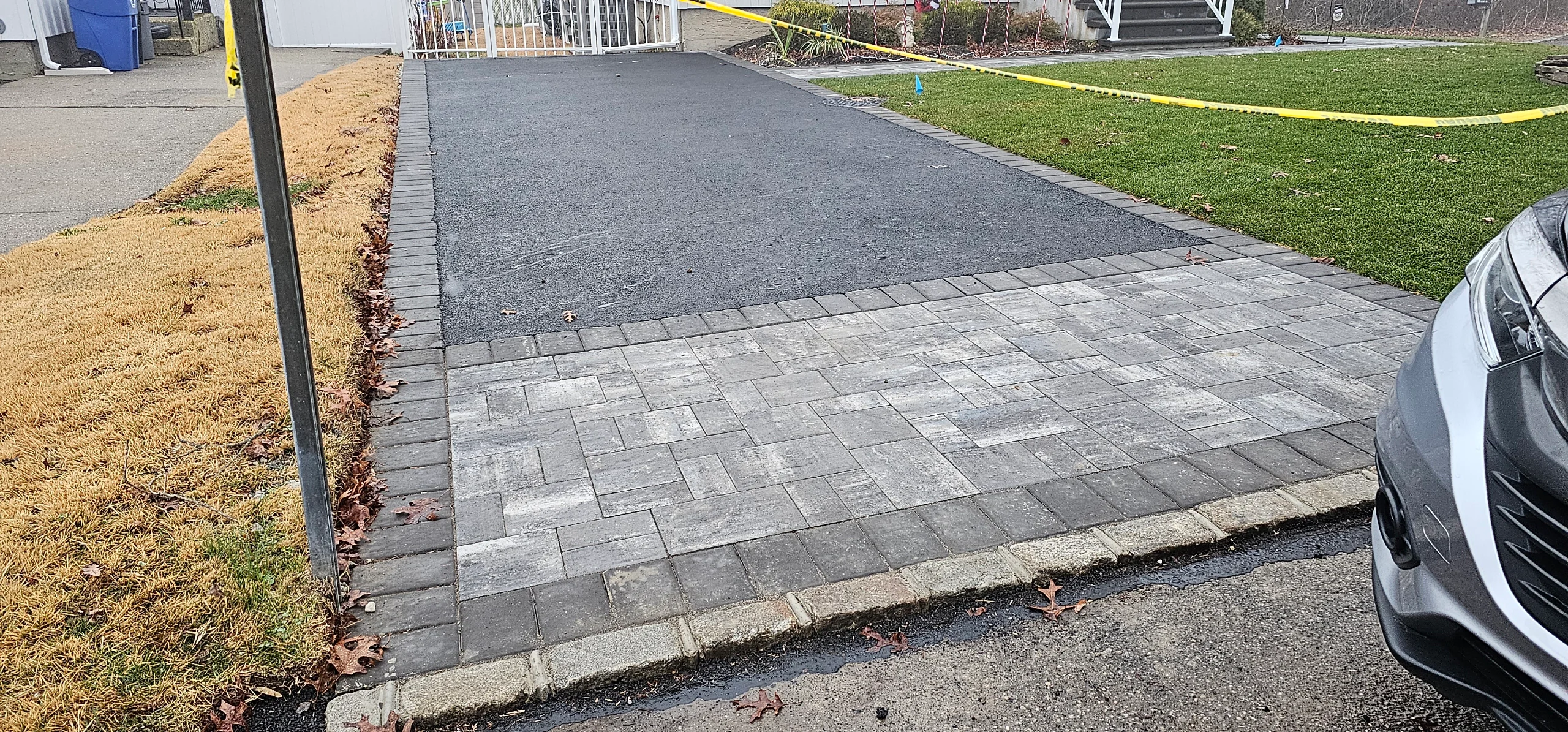
Belgian block aprons and curbing tend to last even longer because the individual blocks can shift slightly without cracking, and they’re naturally more resistant to freeze-thaw damage than poured concrete. That’s one reason they’re so popular in high-end Miller Place neighborhoods—they combine durability with that classic Long Island aesthetic that never goes out of style.
Water is the main culprit. In Suffolk County, you’re dealing with clay-rich soil that doesn’t drain well, frequent storms that dump water faster than the ground can absorb it, and freeze-thaw cycles that turn trapped moisture into a destructive force. When water gets into cracks or seeps under concrete, it freezes in winter and expands. That expansion creates pressure that cracks and lifts concrete surfaces.
Poor base preparation accelerates this process. If the base material isn’t compacted properly or if the wrong material is used for local soil conditions, the concrete settles unevenly. That creates low spots where water pools, which leads to more cracking. Inadequate thickness is another common issue—driveways need to be thicker than sidewalks because they support vehicle weight, and if a contractor cuts corners on thickness, you’ll see cracking within a few years.
Tree roots also cause problems in Miller Place’s established neighborhoods. Roots grow under concrete, lift it, and create uneven surfaces that crack under stress. That’s why site assessment matters—we identify potential root issues before installation and plan accordingly. Addressing these factors during the planning phase prevents the majority of concrete failures you see around Suffolk County.
It depends on what’s causing the cracks and how extensive the damage is. Minor surface cracks that haven’t caused settling can often be sealed affordably—typically between $200 and $500 depending on the extent of the damage. If you catch them early and the underlying base is still solid, sealing prevents water intrusion and extends the life of your concrete.
But if your concrete has settled, if there are multiple large cracks, or if water is pooling in areas it shouldn’t, repair is usually just delaying the inevitable. Those are signs that the base has failed or that drainage issues are undermining the structure. Trying to patch that kind of damage is like putting a bandaid on a broken bone—it might look better temporarily, but the underlying problem is still there. Replacement costs more upfront, but you’re getting another 25 to 30 years of life instead of buying yourself a few more years before the problem gets worse.
For Miller Place properties, we evaluate the specific situation during a site visit. Sometimes a section can be replaced without redoing the entire driveway or walkway. Other times, the most cost-effective approach is full replacement with proper base preparation and drainage solutions that prevent the same issues from recurring. We’ll give you an honest assessment of what makes sense for your property and budget.
Belgian block aprons require more labor and precision than poured concrete, which drives up the cost. Each block has to be individually set, leveled, and secured. The installation process is slower and demands more skill to achieve those clean lines and proper drainage angles. You’re also paying for the material itself—Belgian block is more expensive per square foot than concrete.
But that higher upfront cost comes with real advantages. Belgian block is incredibly durable and handles freeze-thaw cycles better than poured concrete because the individual blocks can shift slightly without cracking. That flexibility means fewer repairs over the life of the installation. The classic look also adds significant curb appeal, especially in Miller Place’s more established neighborhoods where that traditional Long Island aesthetic is valued.
From a property value perspective, Belgian block aprons signal quality and attention to detail. When potential buyers see a well-maintained Belgian block apron, they perceive the entire property as better maintained. Real estate agents consistently point to quality hardscaping as one of the features that helps homes sell faster and for higher prices. So while you’re paying more initially, you’re getting durability, lower maintenance, and a tangible boost to property value that often exceeds the additional investment.
We start by assessing how water currently moves across your property—where it flows during heavy rain, where it pools, and what’s preventing it from draining properly. Miller Place has clay-heavy soil in many areas, which acts like a natural barrier to water movement. That means water sits on the surface or just below it, creating pressure under concrete and causing the settling and cracking you see throughout Suffolk County.
During excavation and base preparation, we grade the site to direct water away from structures and toward appropriate drainage areas. Sometimes that means adjusting the slope of your driveway or walkway. Other times it requires installing drainage channels or French drains that give water a path to follow. The goal is to eliminate standing water and prevent moisture from getting trapped under your concrete.
For properties with severe drainage issues, we might recommend addressing those problems before or during concrete installation. That could mean regrading larger sections of your yard, installing catch basins, or creating swales that redirect water flow. These solutions add to the project cost, but they’re often necessary to prevent your new concrete from failing the same way the old concrete did. We’re transparent about what your property needs and why—our goal is concrete that lasts decades, not a quick installation that fails in five years because we didn’t address the underlying drainage problems.
Concrete curbing is poured in place, creating a continuous edge along driveways, walkways, or landscape beds. It’s formed and finished on-site, which allows for custom shapes and designs. Concrete curbing is less expensive than Belgian block and works well for properties where the goal is clean separation between lawn and hardscaping. It’s durable when installed correctly, but it can crack over time, especially if the base wasn’t prepared properly or if tree roots grow underneath.
Belgian block edging uses individual stone blocks set in place to create the border. Each block is a separate piece, which gives the installation more flexibility—blocks can shift slightly without cracking, making Belgian block more resistant to freeze-thaw damage and ground movement. The look is more traditional and substantial, which is why it’s popular in Miller Place’s higher-end neighborhoods. Belgian block requires more labor to install because each piece has to be individually set and leveled, which is why it costs more than poured concrete curbing.
The choice between the two often comes down to budget and aesthetic preference. If you want that classic Long Island look and you’re willing to invest more upfront for superior durability, Belgian block is the better option. If you’re looking for clean, functional edging at a lower price point, concrete curbing does the job well when installed with proper base preparation and drainage consideration. Both options will last for decades in Miller Place if the installation is done right—the difference is mainly in appearance, cost, and how they handle ground movement over time.
Other Services we provide in Miller Place