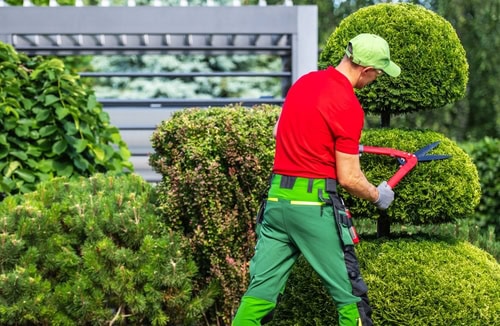
Natural lawn care methods protect Suffolk County families and pets while complying with local fertilizer restrictions and maintaining beautiful, healthy lawns through every season.
Share:

Summary:
Your lawn should be where your kids play and your dog rolls around without you worrying about what they’re being exposed to. But between Suffolk County’s fertilizer restrictions, Long Island’s challenging soil conditions, and conflicting advice about what actually works, figuring out the right approach can feel overwhelming. Natural lawn care isn’t just about avoiding chemicals. It’s about creating a lawn that’s healthier, safer, and easier to maintain long-term while staying compliant with local regulations that protect our groundwater and coastal ecosystems.
Natural lawn care methods use organic materials and sustainable practices to nourish your lawn without synthetic chemicals. This means treatments derived from plant-based sources, animal byproducts like bone meal, and naturally occurring minerals that feed soil rather than just grass blades.
The difference matters more than you might think. When you apply organic fertilizers, you’re building a foundation of healthy soil that holds water better, supports beneficial microorganisms, and creates grass with deeper, stronger roots. Chemical fertilizers deliver quick results but often at the cost of soil health, creating lawns that become dependent on constant applications.
For Suffolk County homeowners, this approach aligns perfectly with local environmental priorities. Long Island relies entirely on groundwater for drinking water, and what you put on your lawn eventually makes its way into that aquifer. Natural methods don’t contribute to nitrogen contamination or harmful algal blooms in local waterways.

Long Island’s soil presents specific challenges that natural lawn care is uniquely positioned to address. Suffolk County’s sandy outwash soils leach nutrients significantly faster than clay-based soils found elsewhere. This means whatever you apply doesn’t stick around long, which is why many homeowners find themselves on a constant fertilization treadmill.
Organic matter changes this dynamic. When you apply compost, leave grass clippings on the lawn, or use organic fertilizers, you’re adding carbon to the soil. That carbon feeds bacteria, fungi, and earthworms that break down nutrients and make them available to grass roots over time. It’s like building a savings account in your soil rather than just making withdrawals.
Suffolk County soils also tend to be slightly acidic. A basic soil test every couple of years tells you if you need lime to balance pH, which affects how well grass can absorb nutrients even when they’re present. Most homeowners skip this step, then wonder why their lawn isn’t responding to treatments.
The Haven Loam common throughout Suffolk County benefits particularly well from organic amendments. The sandy component drains quickly, which is good for preventing waterlogging but bad for nutrient retention. Organic matter acts like a sponge, holding moisture and nutrients in the root zone where grass can access them. You’ll notice this most during summer dry spells when organically managed lawns stay greener longer without constant watering.
Core aeration in early fall complements this approach by creating channels for air, water, and roots to move through compacted soil. Long Island lawns get compacted from foot traffic, mowing, and just settling over time. Those small plugs pulled out during aeration make room for organic matter to work its way deeper into the soil profile.
The payoff takes a season or two to fully develop, but once established, you’re looking at a lawn that genuinely requires less intervention. Healthier soil means grass that’s naturally more resistant to drought, disease, and pest pressure. You’re not fighting problems constantly because you’ve created conditions where problems are less likely to develop in the first place.
Suffolk County prohibits fertilizer application between November 1st and April 1st, with violations carrying fines up to $1,000. This blackout period exists because grass goes dormant when soil temperatures drop below 55°F, which typically happens in November on Long Island. Fertilizer applied to dormant grass doesn’t get absorbed and instead leaches into groundwater or runs off into surface water, contributing to nitrogen pollution.
Natural lawn care methods automatically comply with these restrictions because they’re designed around when grass actually grows and can use nutrients. Organic fertilizers release nitrogen slowly through microbial activity, which naturally slows down in cold weather. You’re not trying to force growth during inappropriate times.
The timing that works best for Long Island’s cool-season grasses aligns with what’s legally allowed. Spring applications should wait until soil temperatures reach 55°F, which happens around mid-April in Suffolk County. This is when grass comes out of dormancy and starts actively growing. Fall applications work best in early September, giving grass time to absorb nutrients before growth slows for winter.
Suffolk County is also considering restrictions on high-nitrogen fertilizers, potentially limiting products to 12% nitrogen by weight with at least half being slow-release. Natural organic fertilizers already meet these criteria. Most contain lower nitrogen percentages released gradually as soil microbes break down organic materials.
The law also addresses phosphorus, prohibiting its use on established lawns unless a soil test shows deficiency. Phosphorus is a leading cause of water pollution, and most Long Island soils already have adequate levels. Natural lawn care programs typically include soil testing as a baseline step, so you’re only adding what’s actually needed rather than applying a one-size-fits-all product.
Understanding these regulations matters because non-compliance isn’t just about fines. It’s about protecting the sole-source aquifer that supplies drinking water for everyone in Suffolk County. When you choose natural methods, you’re participating in a larger effort to preserve water quality for your community while still maintaining a healthy lawn.
The educational programs run by Cornell Cooperative Extension Suffolk County and other local organizations emphasize proper timing and application rates. These aren’t arbitrary rules. They’re based on decades of research into how grass grows in this specific region and how to minimize environmental impact while achieving good results.
Want live answers?
Connect with a Rolling Hills Property Services Inc expert for fast, friendly support.
Pet safety is one of the main reasons homeowners switch to natural lawn care, and for good reason. Studies have found herbicides in dog urine after lawn treatments, proving that chemicals applied to grass make their way into pets’ systems. Dogs and cats are exposed through paw contact, ingesting grass or treated soil, and absorbing chemicals through their skin.
The most concerning compounds include 2,4-D, dicamba, and glyphosate, which have been linked to increased cancer risk in dogs. Even when you follow label instructions and keep pets off the lawn for the recommended 24-72 hours, residues can persist on grass surfaces for 48 hours or longer after application.
Natural lawn care eliminates this concern. Organic fertilizers and treatments are safe for pets to access immediately after application. There’s no waiting period because there are no synthetic chemicals that need time to dry or be absorbed into grass. Your dog can run through the yard right after treatment without risk.

The shift to pet-friendly lawn care doesn’t mean accepting a mediocre lawn. Natural products have evolved significantly, and when applied correctly for Long Island conditions, they deliver results that rival chemical alternatives.
Corn gluten meal works as a natural pre-emergent weed control, preventing crabgrass and dandelions from germinating while providing a gentle nitrogen feeding. It’s completely safe for pets and children, though it works best when applied early in spring before weed seeds germinate. For Suffolk County, that timing typically falls in mid-April when soil temperatures consistently reach 55°F.
Organic fertilizers derived from feather meal, bone meal, and seaweed provide the nitrogen, phosphorus, and potassium grass needs without synthetic compounds. These materials break down through microbial activity, releasing nutrients gradually over several weeks. This slow-release characteristic means you’re not getting the quick green-up of chemical fertilizers, but you’re also not creating the rapid, weak growth that makes grass more susceptible to disease and stress.
For existing weeds, vinegar-based herbicides offer a pet-safe option, though they work best on young, actively growing weeds rather than established perennials. Hand-pulling remains the most effective method for many common Long Island lawn weeds, especially when soil is moist after rain.
Compost tea has gained popularity as a natural way to introduce beneficial microorganisms to soil. Some Long Island lawn care companies brew their own custom blends with specific ingredients tailored to local soil conditions. These applications improve soil biology, which in turn supports healthier grass that’s naturally more resistant to problems.
The key to success with pet-friendly products is understanding that they work differently than chemicals. You’re not killing weeds instantly or seeing overnight green-up. You’re building a system where grass outcompetes weeds naturally because the soil conditions favor dense, healthy turf growth.
Suffolk County’s sandy soils actually respond well to this approach. The organic matter in natural fertilizers improves soil structure, helping it hold water and nutrients that would otherwise leach away quickly. Over time, you’ll find you need to water less frequently and can reduce fertilizer applications as soil health improves.
Pet owners also appreciate that natural lawn care reduces the need for posted warning signs and complicated re-entry schedules. You don’t have to coordinate treatments around when your dog will be outside or worry about neighborhood cats walking through your yard. The lawn becomes a genuinely safe space for all animals, not just during designated windows.
The most common question about natural lawn care is whether it actually works as well as chemical treatments. The honest answer is that it depends on what you mean by “works” and what timeframe you’re considering.
Chemical fertilizers deliver nutrients in forms that grass can absorb immediately. You’ll often see greening within days of application. That rapid response comes from highly concentrated, water-soluble nitrogen that’s readily available to grass roots. It’s impressive in the short term but creates several long-term problems.
First, that quick-release nitrogen promotes rapid top growth at the expense of root development. Grass shoots up fast, which means more frequent mowing, but roots stay shallow. Shallow roots make grass more vulnerable to drought stress, which is a real concern during Long Island’s humid summers when cool-season grasses naturally struggle.
Second, chemical fertilizers don’t improve soil structure or support beneficial soil organisms. In fact, frequent chemical applications can harm the microbial populations that break down organic matter and make nutrients available naturally. You end up with soil that’s essentially dead, requiring constant inputs to maintain any grass growth.
Third, the water-soluble nature of chemical fertilizers means nutrients wash away quickly, especially in Suffolk County’s sandy soils. What doesn’t get absorbed by grass within a short window leaches into groundwater or runs off into storm drains. You’re paying for fertilizer that ends up polluting rather than feeding your lawn.
Organic fertilizers work through a different mechanism. Nutrients remain locked in organic materials until soil microbes break them down. This process takes time, typically 2-4 weeks before you see noticeable greening. During that period, bacteria and fungi are multiplying, decomposing organic matter, and releasing nutrients gradually.
The slow release means grass receives a steady supply of nutrition over several weeks rather than a massive dose all at once. This promotes balanced growth with strong root development. Grass grows at a natural pace that’s appropriate for the season and doesn’t require constant mowing to keep up with chemically induced spurts.
More importantly, organic methods build soil quality with each application. The organic matter improves soil structure, increases water-holding capacity, and supports diverse microbial populations. Over time, this creates soil that can supply many of grass’s nutritional needs without external inputs. You’re moving toward a self-sustaining system rather than dependency.
The transition period challenges some homeowners. If you’re switching from a chemical program to organic, you may actually see a temporary decline in lawn appearance during the first few months. This happens because soil microbes need time to reestablish populations that were suppressed by chemical treatments. Patience during this phase pays off with a lawn that’s genuinely healthier and more resilient.
For Long Island specifically, organic methods align well with how cool-season grasses naturally grow. These grasses thrive in spring and fall when temperatures are moderate and soil moisture is adequate. They slow down or go dormant during summer heat. Organic fertilization supports this natural rhythm rather than trying to force growth during stressful periods.
The effectiveness question also depends on your lawn goals. If you want a golf-course-perfect monoculture that’s uniformly green every day of the growing season, chemical programs deliver that faster. If you want a healthy, attractive lawn that’s safe for your family and pets, requires less water and maintenance over time, and doesn’t contribute to environmental problems, organic methods are demonstrably more effective.
Natural lawn care offers Suffolk County homeowners a way to maintain beautiful lawns while protecting what matters most: family health, pet safety, and Long Island’s environmental future. The methods comply automatically with local fertilizer restrictions, work effectively in our unique soil and climate conditions, and build long-term lawn health rather than creating dependency on constant chemical applications.
The shift requires some patience as soil biology establishes and organic processes take hold, but the payoff is a lawn that genuinely requires less intervention over time. You’ll water less, treat less, and worry less about what your kids and pets are being exposed to every time they step outside.
We bring local expertise to this approach, understanding exactly how natural methods work in Suffolk County’s conditions. If you’re ready to make the switch to safer, more sustainable lawn care, reach out to us to discuss how natural solutions can work for your property.
Article details:
Share:
Continue learning: