Not sure whether hardscaping or traditional landscaping makes sense for your Suffolk County property? This guide breaks down the real differences, costs, and climate considerations that matter on Long Island.
Share:

Summary:
You’re looking at your yard and trying to figure out the best way forward. Maybe you’re tired of constant mowing and maintenance. Maybe drainage is becoming a problem. Or maybe you just want an outdoor space that actually works for how you live. The question keeps coming up: hardscaping or landscaping? They’re not interchangeable terms, and the choice affects everything from your upfront costs to how much time you’ll spend maintaining your property. In Suffolk County, where sandy soil and freeze-thaw cycles create unique challenges, picking the right approach matters even more. Let’s break down what each option actually means and how to decide which one fits your property.
Hardscaping refers to the non-living elements in your outdoor space. Think patios, walkways, retaining walls, driveways, and any permanent structures built from materials like stone, pavers, concrete, or brick. These features create structure and define how you use your yard.
Traditional landscaping focuses on the living components—grass, plants, trees, shrubs, flower beds, and garden areas. It’s the softer, organic side of outdoor design that changes with seasons and requires ongoing care to stay healthy.
The confusion happens because most people use “landscaping” as a catch-all term for anything happening in their yard. But when you’re planning a project or hiring a company, the distinction matters. Hardscape companies specialize in building permanent structures. Landscaping services focus on plant life and ongoing maintenance. Some companies handle both, but many don’t, which is why understanding the difference saves you time when searching for the right help.

Here’s what most homeowners don’t realize until they’re deep into planning: hardscaping and landscaping aren’t competing options. They work best when combined thoughtfully.
Hardscaping creates the foundation and structure. A patio gives you a defined space to set up furniture. Walkways create clear paths through your yard. Retaining walls solve drainage problems and create usable space on slopes. These elements don’t change with the seasons and don’t need weekly attention.
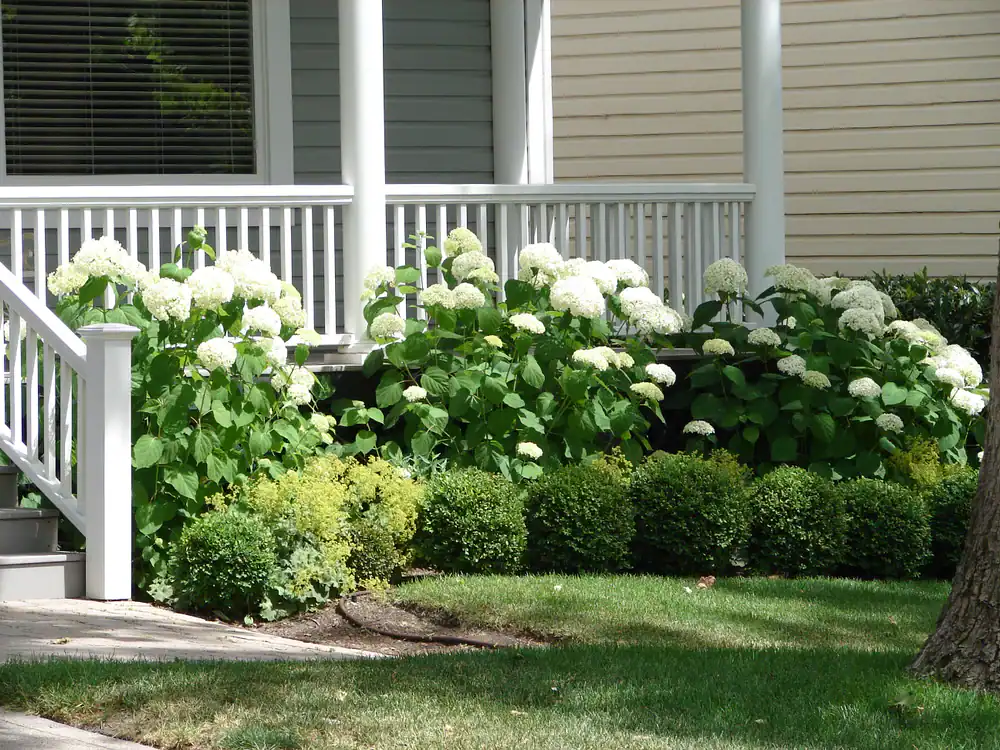
Landscaping softens those hard edges and adds natural beauty. Plantings around a patio make it feel integrated rather than plopped onto your lawn. Trees provide shade over hardscaped areas. Garden beds add color and texture that complement stone or paver installations.
On Long Island, this combination approach solves practical problems while looking good. Your hardscaping handles drainage issues caused by Suffolk County’s sandy soil. Your landscaping choices—especially native, salt-tolerant plants—work with the coastal environment instead of fighting it. Eco-friendly landscaping paired with permeable hardscape materials can even reduce water runoff and support local ecosystems. The hardscape stays functional year-round while your landscape elements provide seasonal interest.
The key is thinking about how each element serves a purpose. Your patio isn’t just decoration—it’s usable outdoor living space. Your plantings aren’t just pretty—they can provide privacy, manage water runoff, or attract pollinators. When you plan with both function and aesthetics in mind, you end up with an outdoor space that actually works for how you live.
The differences go beyond “hard vs. soft” and affect your budget, timeline, and long-term maintenance.
Permanence is the first major distinction. Once you install a paver patio or retaining wall, it’s not something you change on a whim. Hardscape features are semi-permanent investments that define your space for years. Landscaping offers more flexibility—you can replant a flower bed, move shrubs, or change your lawn care approach relatively easily.
Maintenance requirements differ significantly. Hardscaping needs occasional cleaning, maybe some sealing every few years, and repairs if materials crack or settle. But you’re not out there every weekend. Traditional landscaping demands regular attention—mowing, watering, fertilizing, pruning, seasonal cleanups. That ongoing time commitment adds up, whether you’re doing it yourself or paying someone else.
Cost structure works differently too. Hardscaping typically requires higher upfront investment. Materials like pavers, natural stone, and professional installation aren’t cheap. But once it’s in, your costs drop to minimal maintenance. Landscaping might cost less initially, but those weekly mowing bills, fertilizer treatments, and plant replacements create ongoing expenses that accumulate over time.
Climate impact matters more on Long Island than in many other regions. Hardscape materials need to handle freeze-thaw cycles without cracking. Suffolk County’s winter temperatures swing above and below freezing repeatedly, which destroys poorly chosen materials. Pavers and properly installed natural stone handle this better than standard concrete. For landscaping, you’re dealing with salt exposure from coastal air, sandy soil that drains quickly, and plants that need to survive both winter cold and summer humidity.
Drainage function is where hardscaping often outperforms traditional lawns on Long Island. Properly designed patios, walkways, and retaining walls can direct water away from your foundation and prevent the pooling issues common in Suffolk County’s sandy and clay soil mix. Grass and plants help absorb water, but they can’t solve major drainage problems the way graded hardscape features can.
Property value impact varies by execution quality. Professional hardscaping—especially patios and walkways—can deliver 100% ROI or higher. A well-designed patio essentially adds functional outdoor living space to your home. Quality landscaping boosts curb appeal and can increase property values by 10-30%, but the return depends heavily on maintenance. An overgrown, neglected landscape hurts value instead of helping it.
Want live answers?
Connect with a Rolling Hills Property Services Inc expert for fast, friendly support.
Cost is usually the first question, but the real answer isn’t straightforward. You’re comparing different time horizons and maintenance models.
Hardscaping runs roughly $10 to $30 per square foot in Suffolk County, depending on materials and complexity. A modest 200-square-foot patio might start around $2,000 to $6,000 for basic pavers, while the same space with premium natural stone could hit $8,000 to $15,000. Larger projects with retaining walls, outdoor kitchens, or complex designs can reach $20,000 to $40,000 or more.
Traditional landscaping costs less initially. Basic lawn installation, planting beds, and shrubs might run $3,000 to $10,000 for a typical yard. But then you’re looking at ongoing maintenance—$100 to $300 monthly for professional lawn care, plus seasonal fertilization, mulching, pruning, and plant replacement. Over five to ten years, those costs add up to match or exceed hardscaping expenses.

Hardscape maintenance is minimal but not zero. You’ll need to clean pavers or stone surfaces occasionally—power washing works well for most materials. Polymeric sand between pavers may need replenishment every few years. Sealing natural stone or pavers helps protect against staining and weather damage, typically needed every 2-3 years. If individual pavers crack or settle, you can replace them without redoing the entire surface.
The big advantage is what you’re not doing. No weekly mowing. No fertilizer schedules. No constant watering during dry spells. No seasonal cleanups of fallen leaves from extensive plantings. The time savings alone make hardscaping appealing for people with busy schedules or anyone who’d rather spend weekends enjoying their yard instead of maintaining it.
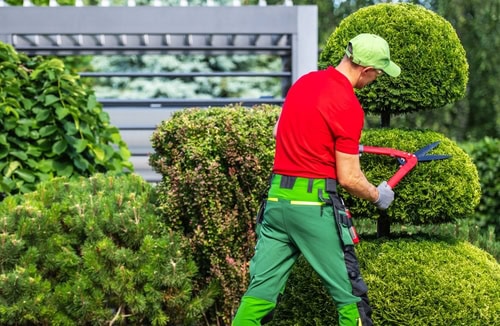
Traditional landscaping demands consistent attention. Lawns need mowing weekly during growing season—that’s roughly 30 weeks a year on Long Island. Fertilization typically happens 4-6 times annually. Watering requirements vary by season and rainfall, but most lawns need about an inch of water weekly. Shrubs and trees require pruning, mulching, and monitoring for pests or disease. Seasonal cleanups in spring and fall add extra work.
For Long Island specifically, you’re also dealing with salt-tolerant plant selection, sandy soil that may need amendment, and choosing species that handle both winter cold and summer humidity. Native plants reduce some maintenance burden, but even low-maintenance landscaping requires more ongoing work than hardscaping.
The cost difference over time shifts the equation. If you’re paying $200 monthly for lawn care and maintenance, that’s $2,400 annually. Over ten years, you’re at $24,000—potentially more than a quality hardscape installation would have cost upfront. If you handle maintenance yourself, you’re trading money for time, which has its own value.
Long Island’s climate creates specific challenges that affect both hardscaping and landscaping differently than properties inland or in other regions.
Freeze-thaw cycles are the biggest hardscape enemy. When water seeps into cracks or porous materials, then freezes and expands, it causes cracking and heaving. This happens repeatedly through winter as temperatures swing above and below freezing. Quality pavers and natural stone like bluestone handle this well because they’re designed for it. Standard concrete often cracks within a few years. Proper base preparation—usually 4-6 inches of compacted aggregate—provides frost resistance that prevents major shifting.
Sandy soil throughout Suffolk County affects both approaches. For hardscaping, sandy soil actually helps with drainage but requires proper compaction and base work to prevent settling. For landscaping, sandy soil drains quickly, which means more frequent watering and potential nutrient leaching. You’ll need to amend soil for most plantings and choose drought-tolerant species or plan for irrigation systems.
Coastal moisture and salt exposure matter more than many homeowners realize. Properties near Long Island Sound face salt spray that damages many plant species. Even areas not directly waterfront deal with salt-laden air. For landscaping, this means selecting salt-tolerant plants like beach grass, bayberry, or rugosa roses. For hardscaping, salt can stain or damage certain materials, making sealed pavers or natural stone better choices than unsealed concrete.
Drainage problems are common across Suffolk County due to the mix of sandy and clay soil, flat terrain in many areas, and heavy seasonal rainfall. Standing water kills lawns and creates mosquito breeding grounds. Hardscaping solutions—properly graded patios, French drains, retaining walls—solve drainage issues that landscaping alone can’t fix. A well-designed hardscape directs water away from your foundation and prevents the pooling that damages both your yard and your home’s structure.
Seasonal usability differs significantly. Hardscaped areas function year-round. Your patio works in October and November when you want to enjoy fall weather. Landscaping looks best during growing season but goes dormant or dies back in winter, leaving brown lawns and bare branches for months. If year-round outdoor use matters to you, hardscaping provides that functionality.
The decision between hardscaping and landscaping isn’t really either/or—it’s about finding the right balance for your property, budget, and how you actually use your outdoor space. If you’re dealing with drainage problems, want low-maintenance solutions, or need functional outdoor living areas, hardscaping solves those issues in ways traditional landscaping can’t. If you love gardening, want seasonal color, or have a smaller budget for upfront costs, landscaping makes sense.
For most Suffolk County properties, the best approach combines both. Hardscaping creates structure, solves drainage issues, and provides year-round usability. Landscaping softens edges, adds natural beauty, and connects your outdoor space to the surrounding environment. The key is working with professionals who understand Long Island’s specific challenges—the sandy soil, freeze-thaw cycles, coastal conditions, and drainage patterns that make this region different.
If you’re ready to explore what works for your property, we bring local Suffolk County expertise to both hardscaping and landscaping solutions. We understand the climate challenges, soil conditions, and practical considerations that determine which approach actually delivers results on Long Island.
Article details:
Share:
Continue learning: