Regular property maintenance isn't just upkeep—it's your strategy to increase property value while avoiding deferred maintenance costs that plague Suffolk County, NY homeowners and property managers.
Share:

Summary:
Yes, and the financial impact is measurable.
Homes with regular maintenance sell for 5% to 10% more than comparable properties with visible neglect. On a $400,000 home in Suffolk County, that’s $20,000 to $40,000 in additional value. For commercial properties, the impact multiplies when you factor in tenant retention, rental income stability, and reduced vacancy rates.
Buyers see well-maintained properties as lower risk. They’re not inheriting deferred repairs or surprise expenses. That peace of mind translates directly into what they’ll pay or commit to long-term. Properties showing consistent care signal quality—and consistent upkeep through full-service landscaping helps reinforce that value in competitive Suffolk County real estate.

Not all maintenance creates equal value. Some tasks offer returns that far exceed your investment.
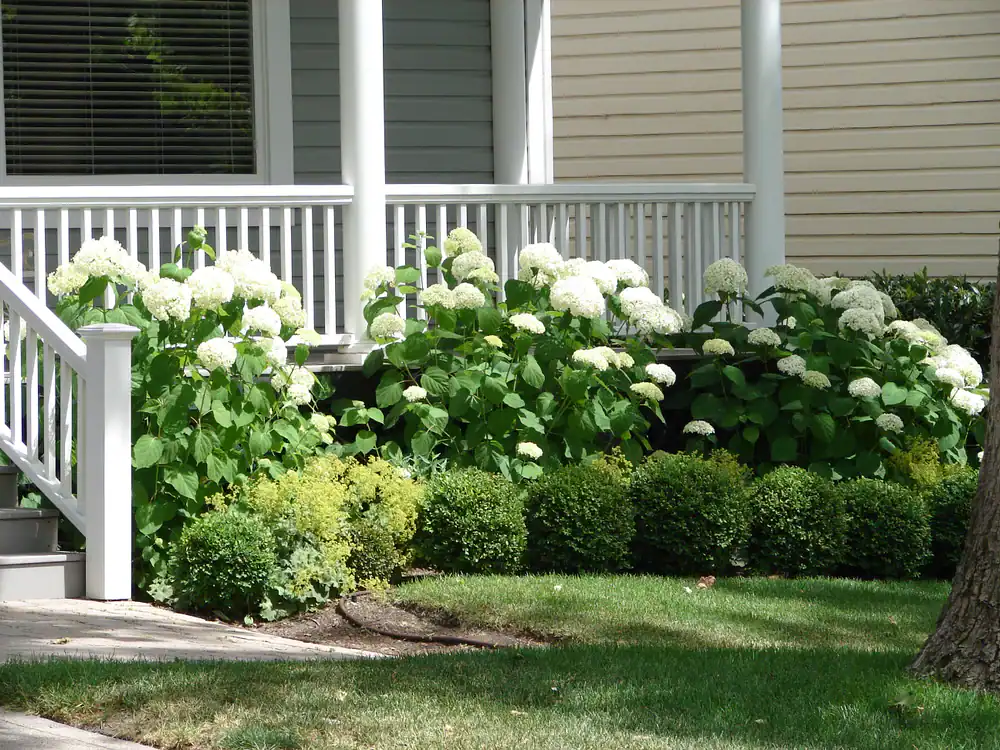
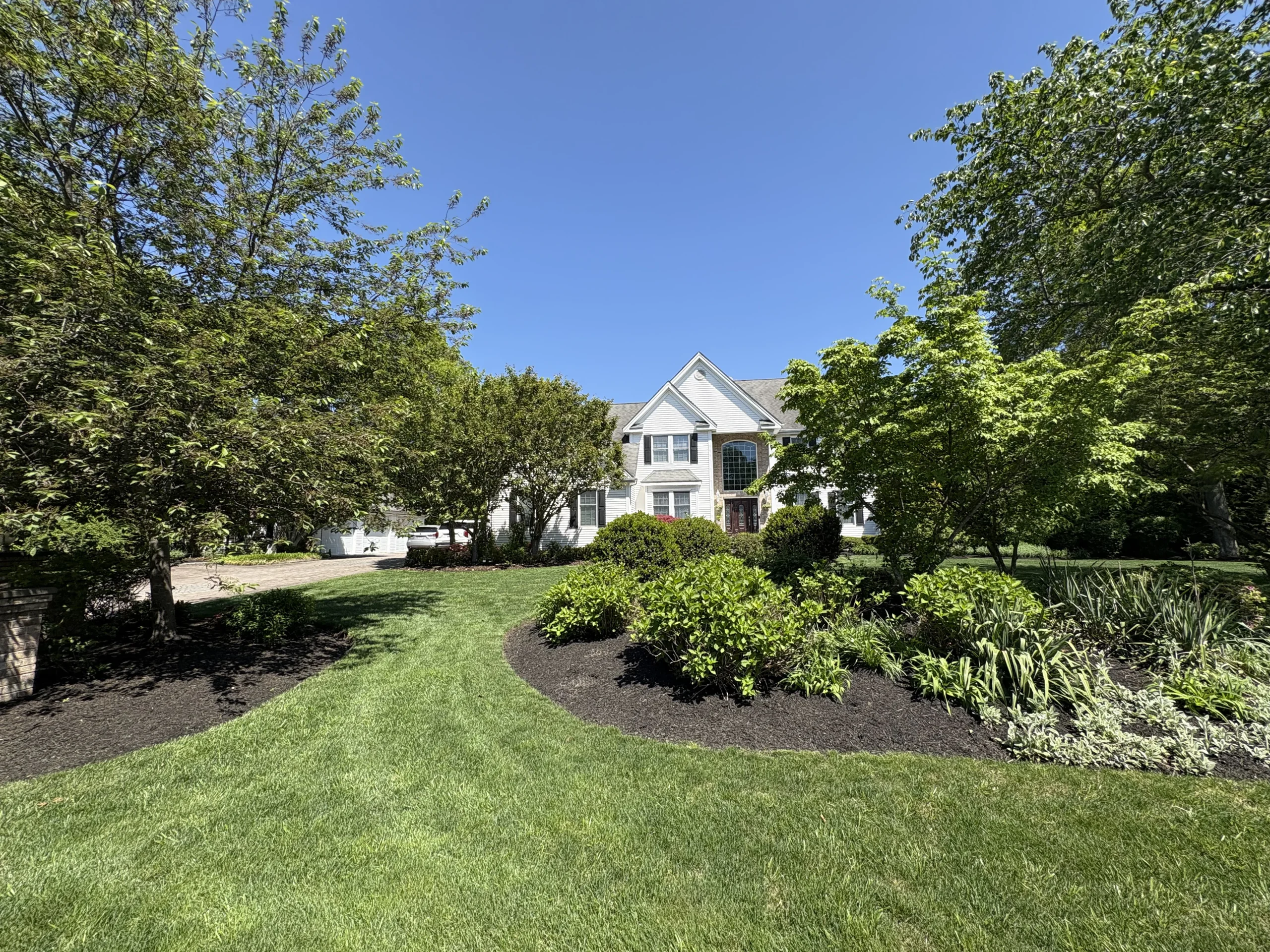
Landscaping services consistently rank at the top. A well-maintained lawn delivers a 217% ROI—for every dollar you spend on mowing, edging, and basic care, you’re adding more than double that to your property’s perceived value. Professional landscaping can boost resale value by 15% to 20%. On a $400,000 Suffolk County property, that’s an extra $60,000 to $80,000 when you sell.
Tree services carry serious financial weight. A single mature tree adds $1,000 to $10,000 in property value. Beyond aesthetics, strategically placed trees reduce energy costs by up to 25%, appealing to buyers focused on long-term savings. Tree maintenance—including pruning, health assessments, and proper care—returns 100% of your investment.
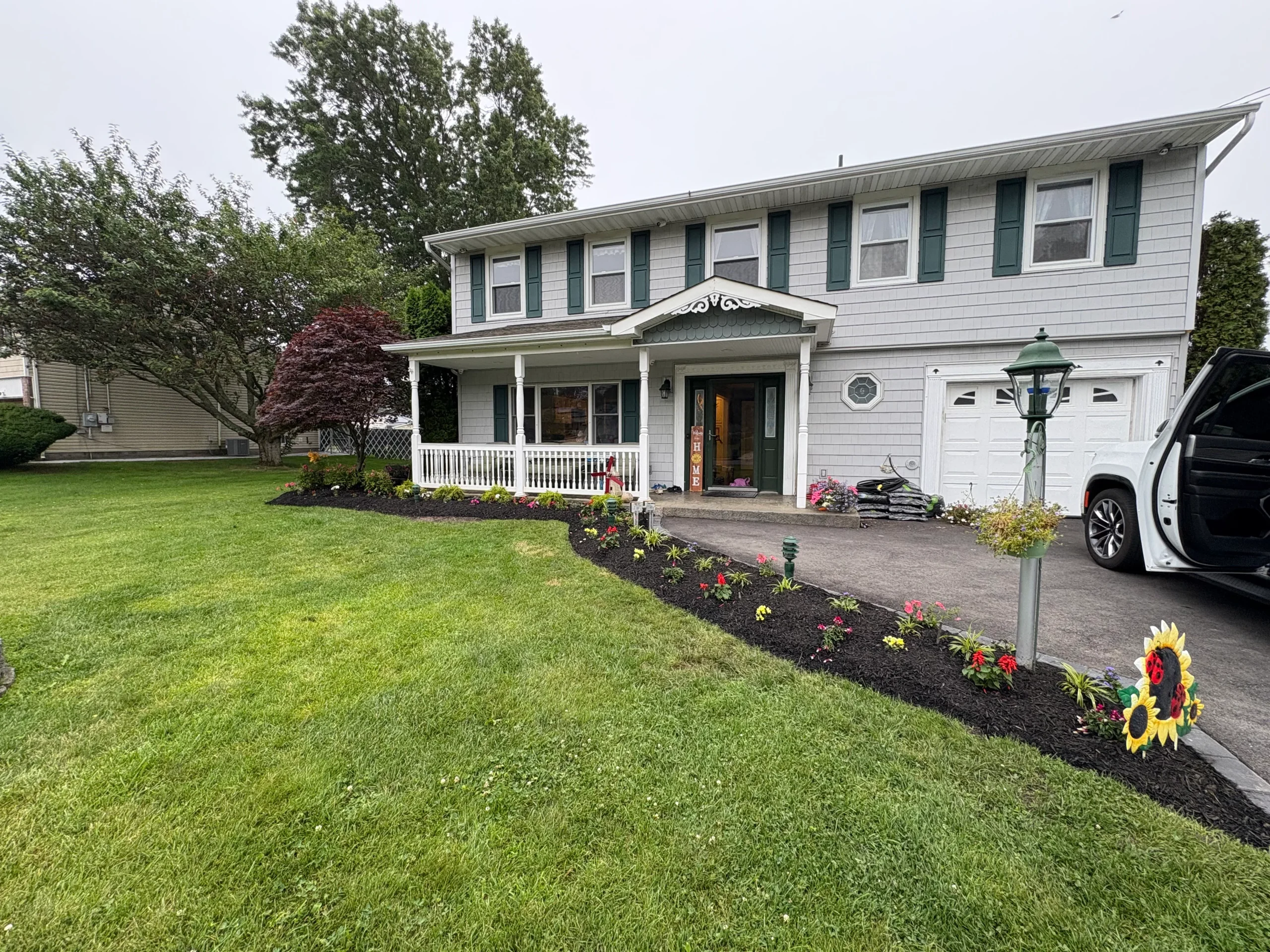
Exterior property maintenance matters more than most owners realize. Pressure washing, roof cleaning, and fresh mulch cost between $1,000 and $3,000 but can increase home value by $5,000 to $15,000. These improvements enhance curb appeal, which influences buyer perception from the moment they arrive.
For commercial property maintenance, regular care of HVAC systems, parking lots, and building facades prevents costly breakdowns and keeps tenants satisfied. Properties with proactive maintenance programs see higher occupancy rates and attract quality tenants willing to pay premium rents. That’s your property investment strategy working.
The key is consistency. One-time fixes don’t carry the same weight as documented regular care. Buyers and appraisers look for patterns. A property with routine maintenance records signals reliability and reduces perceived risk, translating to stronger offers and faster sales.
Long Island’s climate accelerates wear on properties. The combination of humid summers, cold winters, coastal salt air, and sandy soil creates maintenance challenges you won’t find inland.
Suffolk County properties face specific environmental stressors. About 25% of properties risk severe flooding over the next 30 years. Heat exposure is climbing—63% of homes face major heat risk, with days over 94°F expected to increase by 157%. Coastal wind from storms affects 58% of properties.
These conditions mean your property needs more than standard maintenance. Salt air corrodes metal fixtures, degrades paint, and weakens exterior materials faster. Sandy, loamy soil drains quickly, stressing lawns during dry spells and requiring tailored fertilization and irrigation strategies.
Lawns in Suffolk County thin from excessive thatch buildup, compacted soil from foot traffic, and periods of high heat and humidity. Cool-season grasses handle Long Island’s temperature swings best, but timing matters. Fall is ideal for seeding here—spring rains wash out new seed, and cooler spring temperatures slow growth.
Temperature extremes impact trees and shrubs. Winter freezes followed by rapid spring thaws stress root systems. Summer heat and drought weaken trees, making them vulnerable to pests and disease. Regular pruning, proper watering schedules, and health assessments keep trees resilient through Long Island’s seasonal changes.
For commercial property maintenance, climate factors multiply. Parking lots crack from freeze-thaw cycles. Building exteriors weather faster near the coast. HVAC systems work harder in both summer heat and winter cold, requiring more frequent servicing to maintain efficiency and avoid tenant complaints.
Understanding these local conditions protects your investment. Properties that account for Long Island’s climate in their maintenance approach hold value better and avoid compounding deferred maintenance costs. It’s not about doing more work—it’s about doing the right work at the right time for Suffolk County conditions.
Want live answers?
Connect with a Rolling Hills Property Services Inc expert for fast, friendly support.
Putting off maintenance doesn’t save money. It delays the bill and makes it bigger.
Deferred maintenance costs compound at 7% per year. A $500 repair ignored this year becomes $535 next year, $572 the year after, and keeps growing. More critically, small issues escalate into major failures. A minor roof leak ignored for three years can require full roof replacement and interior water damage repairs, turning a $1,000 fix into a $15,000 problem.
The impact on property value is immediate and measurable. Homes with obvious maintenance issues sell for 5% to 15% below market value. Properties needing major system replacements face discounts of 15% to 25%. On a $400,000 Suffolk County home, that’s a potential $60,000 to $100,000 loss simply from deferred maintenance.

Deferred maintenance kills deals. Buyers see neglect and either walk away or demand steep discounts to offset repairs they’ll inherit.
Homes with well-maintained exteriors sell for 5% to 10% more than similar properties with poor curb appeal. The reverse is also true—properties with visible neglect sell for 8% to 10% less. That’s a 15% to 20% swing based purely on your maintenance history.
Appraisers factor condition heavily into valuations. A property with deferred maintenance gets flagged for every issue: peeling paint, cracked driveways, overgrown landscaping, aging HVAC systems. Each item reduces the appraisal value. Even if your structure is sound, visible neglect signals risk, and risk lowers what appraisers will assign.
Inspection reports compound the problem. Buyers use inspection findings to renegotiate or withdraw offers entirely. A property with a clean inspection moves faster and commands higher prices. One with a list of deferred maintenance items stalls in negotiations, drags out closing timelines, or falls through completely.
For commercial property maintenance, deferred upkeep impacts tenant retention and rental income. Tenants expect functional, well-maintained spaces. When maintenance lags, tenant satisfaction drops, lease renewals decline, and vacancy rates climb. Empty units don’t generate income, and filling them requires discounts or concessions that erode your profitability.
The financial hit extends beyond sale price. Properties with deferred maintenance sit on the market longer. Longer listing times mean more carrying costs—mortgage payments, property taxes, insurance, utilities—all while your property generates no income or return. Time on market also signals desperation to buyers, who leverage that into lower offers.
Maintenance documentation matters as much as the work itself. Properties with records showing consistent professional care reassure buyers and appraisers. A documented history of regular HVAC servicing, roof inspections, landscaping services, and seasonal maintenance demonstrates responsible ownership. That documentation supports your asking price and can differentiate your property in competitive Suffolk County markets.
The bottom line: deferred maintenance doesn’t just cost money in repairs. It costs money in lost value, longer sales cycles, weaker offers, and missed opportunities. The properties that sell fastest and for the most money show clear patterns of proactive care.
Preventative maintenance costs less and delivers more value than waiting for things to break.
Industry data shows preventative maintenance reduces overall repair costs while increasing property value. Properties receiving consistent maintenance maintain value better during market fluctuations and appreciate more steadily. The math is straightforward: small, regular investments prevent large, unexpected expenses.
Take HVAC systems. Annual servicing costs $150 to $300. Skipping that maintenance leads to reduced efficiency, higher energy bills, and eventual system failure. A full HVAC replacement runs $5,000 to $10,000. Regular servicing extends system life by years and maintains peak efficiency, saving on monthly utility costs and delaying replacement needs.
Roof maintenance follows the same pattern. Annual inspections catch small issues—loose shingles, minor leaks, flashing problems—before they cause interior damage. A $200 inspection and $500 repair prevent $10,000 in water damage, mold remediation, and structural repairs. Roofs maintained properly last their full lifespan. Neglected roofs fail early and take other building systems down with them.
Landscaping services prevent costly corrections. Regular mowing, edging, and weed control cost $100 to $200 per month but keep your lawn healthy and attractive year-round. Letting a lawn deteriorate requires overseeding, soil amendment, pest control, and intensive recovery work costing thousands—plus your property looks bad while you’re fixing it.
For commercial properties, the stakes multiply. Equipment downtime costs revenue. A failed HVAC system in a retail space drives customers away. A broken elevator in an office building violates accessibility requirements and exposes you to liability. Preventative maintenance keeps systems running, tenants happy, and revenue flowing.
Long Island property management professionals recognize this reality. Over 75% prioritize maintenance, repairs, and proactive care because they’ve seen the financial impact firsthand. Properties with preventative maintenance programs have lower operating costs, higher tenant retention, and stronger valuations.
Financial experts recommend budgeting 1% to 3% of your property value annually for maintenance. For a $400,000 home, that’s $4,000 to $12,000 per year. That might sound substantial, but it’s far less than deferred maintenance costs catching up. And unlike reactive repairs, preventative maintenance adds value—it doesn’t just preserve it.
The return on investment is clear. Regular lawn care delivers a 267% ROI. Tree care returns 100% of your investment. Simple maintenance like mulching and pruning yields 104% ROI. These aren’t costs—they’re investments in your property that pay back more than you put in.
Protecting your property value comes down to consistency and local expertise. The properties that hold value best aren’t the ones with occasional big projects—they’re the ones with regular, thoughtful care addressing Suffolk County’s specific challenges.
Start with a maintenance plan accounting for Long Island’s climate. Schedule lawn care, tree services, and seasonal cleanups at the right times for this region. Work with professionals who understand how salt air, sandy soil, and temperature extremes affect properties here.
Document everything. Keep records of all maintenance work, from routine mowing to major tree removals. That documentation proves to buyers, appraisers, and tenants that your property has been cared for consistently. It supports your asking price and differentiates your property in competitive markets.
At Rolling Hills Property Services Inc., we understand Suffolk County properties and deliver reliable, professional maintenance year-round. We bring local expertise and comprehensive care to every project, helping you protect and increase your property value.
Article details:
Share:
Continue learning: