Wondering what lawn care actually costs in Suffolk County? Here's a transparent breakdown of mowing, fertilization, and seasonal package pricing—with zero hidden fees.
Share:
Summary:
You’ve probably called a few lawn companies. Maybe you got vague estimates that left you guessing. Maybe you were quoted one price and billed another. Or maybe you’re still trying to figure out if professional lawn care is even worth it compared to spending your weekends behind a mower.
Here’s what you actually need to know: lawn care pricing in Suffolk County should be straightforward. Property size matters. Service frequency matters. The condition of your lawn matters. But the number you’re quoted should be the number you pay—period.
This guide walks through what lawn care actually costs, what drives those costs, and how to know you’re getting a fair deal without the runaround.
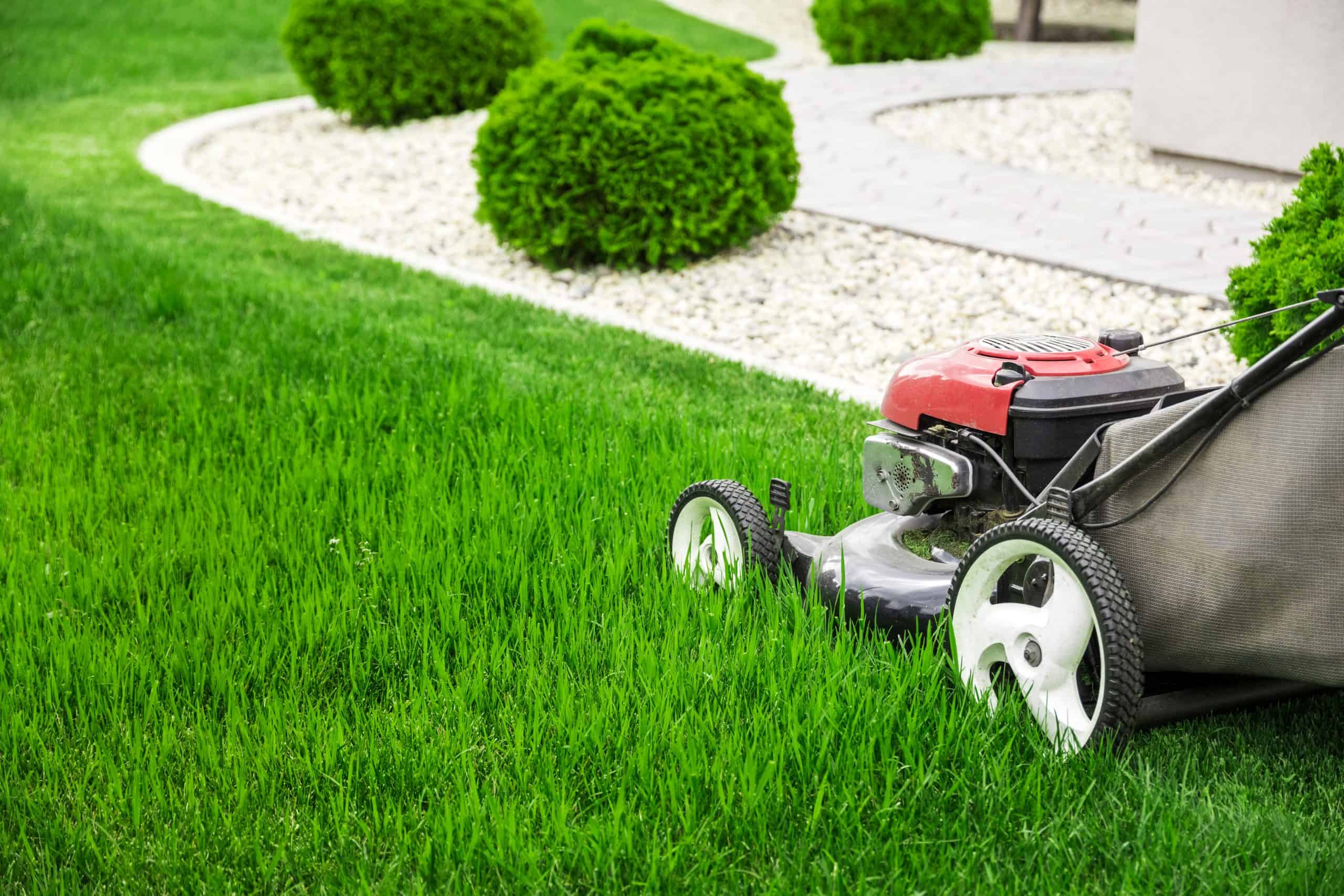
Lawn mowing costs in Suffolk County typically range from $36 to $120 per cut, depending on your property size and how often you need service. For a standard quarter-acre lot, expect to pay between $48 and $68 per visit. That usually includes mowing, edging, trimming around obstacles, and blowing clippings off walkways.
Frequency changes everything. Weekly mowing costs less per visit than bi-weekly because the grass is shorter and easier to manage. If you wait three weeks between cuts, you’re looking at overgrowth surcharges—more time, more labor, higher cost.
Most Suffolk County homeowners go with weekly service during peak growing season (late spring through summer) and scale back to bi-weekly in fall. That keeps the lawn healthy without paying for unnecessary visits when growth slows down.
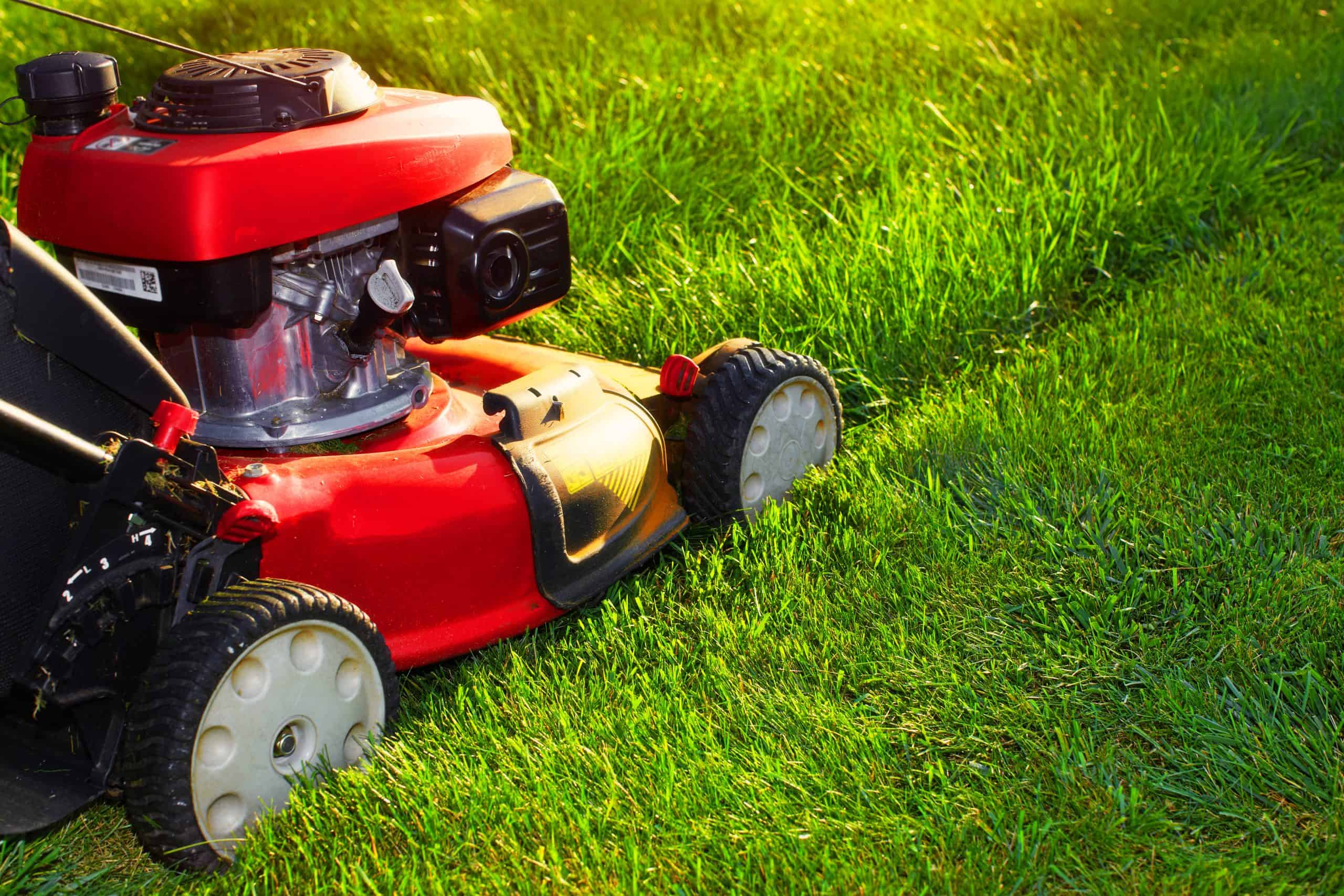
Standard mowing service covers the basics: cutting the grass to the right height, edging along hard surfaces like driveways and sidewalks, trimming around trees and fence lines, and blowing debris off walkways. That’s what you should expect in a base price. Everything else? Usually extra.
What costs more? Bagging clippings instead of mulching them back into the lawn. Hauling away yard waste. Trimming overgrown areas that haven’t been maintained in weeks. Heavy weed whacking in neglected sections. If your property has steep slopes, thick brush, or lots of obstacles, those add time and difficulty—which means higher lawn care pricing.
Some companies charge by the hour. Most charge a flat rate based on property size. Hourly pricing works for one-time cleanups or overgrown lawns where the scope isn’t clear upfront. Flat rates work better for recurring service because you know exactly what you’ll pay each visit. No surprises.
Here’s the thing about pricing models: they should make sense for your situation. If a company can’t explain how they calculate your cost or why it’s higher than a neighbor’s quote, that’s a red flag. Transparent lawn care pricing means you understand what you’re paying for before work starts.
Long Island’s climate adds another layer. Cool-season grasses like fescue and bluegrass grow aggressively in spring and fall but slow down in July and August when heat stress kicks in. We adjust mowing height and frequency based on what your grass actually needs, not just a fixed schedule. That protects your lawn and keeps you from overpaying for unnecessary cuts during dormant periods.
Property size is the biggest factor in lawn mowing cost. A small lawn under 5,000 square feet might cost $35 to $50 per cut. A quarter-acre property (about 10,000 square feet) runs $48 to $68. Half-acre lots jump to $68 to $90. Once you hit a full acre, you’re looking at $105 to $124 per visit.
But size isn’t everything. A flat, open quarter-acre with no obstacles costs less than a quarter-acre with slopes, garden beds, tight corners, and a dozen trees to trim around. Complexity eats time. Time drives cost. Simple as that.
Some companies measure your property using satellite imagery and give you an instant quote online. Others come out in person to assess terrain, obstacles, and access. Both methods work, but in-person estimates catch details that satellite images miss—like drainage issues, hidden slopes, or areas that need special equipment.
If your property sits on sandy soil near the coast (common in Suffolk County), your lawn may need more frequent mowing during peak season because drainage is good and growth stays consistent. Inland properties with heavier clay soil sometimes see slower growth and can stretch mowing intervals a bit longer. These local factors affect your annual lawn care pricing more than you’d think.
Travel distance also plays a role, though it’s usually baked into the base price rather than called out separately. If you’re outside a company’s core service area, you might see a small travel fee. That’s fair—fuel and drive time are real costs. Just make sure it’s disclosed upfront, not tacked on later.
Want live answers?
Connect with a Rolling Hills Property Services Inc expert for fast, friendly support.
Lawn fertilization in Suffolk County costs between $65 and $405 per application, with most homeowners paying around $225 for a quarter-acre property. That price includes the fertilizer itself, labor, and application equipment. Organic options cost 30% to 50% more than synthetic treatments but improve soil health over time and reduce environmental impact.
Most lawns need four to six applications per year to stay healthy. Cool-season grasses thrive with spring and fall feeding when they’re actively growing. Summer applications are lighter to avoid burning stressed grass during heat waves. Winter prep feeding in late fall strengthens roots for cold-weather dormancy.
Annual fertilization programs typically run $260 to $600 for a standard residential property, depending on how many treatments you include and whether you add weed control, grub prevention, or other extras. Understanding lawn fertilization cost helps you budget for the full year instead of getting caught off guard by per-application pricing.

Fertilizer type drives cost more than anything else. Fast-release synthetic fertilizers are cheaper upfront but require more frequent applications. Slow-release granular products cost more per bag but last longer and reduce the number of treatments you need each year. Organic fertilizers are the most expensive but feed the soil, not just the grass, which builds long-term health. Pick your priority.
Lawn size obviously matters. A 5,000-square-foot lawn uses less product than a 10,000-square-foot property. But pricing per square foot usually drops as size increases—you’re not paying double for twice the space because setup and application time don’t scale linearly.
Soil condition also plays a role. If your lawn hasn’t been fertilized in years, it may need heavier initial treatments to correct nutrient deficiencies. Suffolk County soils tend to be slightly acidic and low in nitrogen, so most programs include pH balancing with lime applications and nitrogen-rich fertilizers to promote green growth.
Weed control is often bundled with fertilization in seasonal packages. Pre-emergent herbicides prevent crabgrass and other weeds from sprouting in spring. Post-emergent treatments kill existing weeds without harming grass. Combined fertilizer-and-weed-control applications cost $105 to $325 per treatment for an average lawn.
Some companies offer soil testing as part of their service. A basic soil test costs $50 to $100 but tells you exactly what your lawn needs instead of guessing. That prevents over-application, saves money on unnecessary treatments, and keeps excess chemicals out of groundwater—something Suffolk County takes seriously with local fertilizer regulations.
Seasonal lawn care packages bundle multiple services into one annual plan, usually at a lower total cost than paying for each treatment separately. A typical package includes four to six fertilization treatments, pre- and post-emergent weed control, grub prevention, and sometimes aeration or overseeding. Think of it as buying in bulk—you get more value per visit.
Prices for full-season packages in Suffolk County range from $300 to $600 for a quarter-acre property. That breaks down to about $50 to $100 per visit, which is often 10% to 20% cheaper than buying services à la carte. You’re also locking in scheduled treatments, so your lawn gets what it needs when it needs it—not just when you remember to call.
Individual services give you more control if you only need specific treatments. Maybe your lawn is healthy and you just want spring fertilization and fall aeration. Or maybe you’re dealing with a grub problem and need targeted pest control without committing to a full program. That flexibility works well for experienced homeowners who know what their lawn needs.
The trade-off? You’re responsible for timing. Miss a critical application window—like pre-emergent weed control in early spring—and you’ll spend the summer fighting crabgrass instead of preventing it. Seasonal packages take that decision-making off your plate.
We offer customizable plans that sit somewhere between full packages and one-off services. You pick the treatments you want, and we schedule them at the right times based on Long Island’s growing season. That’s often the sweet spot for homeowners who want professional guidance without paying for services they don’t need.
Aeration and overseeding are common add-ons to fertilization packages. Aeration costs $75 to $200 and involves pulling small plugs of soil out of your lawn to relieve compaction and improve water and nutrient absorption. Overseeding fills in bare or thin spots with new grass seed. Together, they’re one of the most effective ways to rejuvenate a tired lawn, especially in fall when cool-season grasses establish best.
Lawn care pricing doesn’t have to be complicated. Property size, service frequency, and the condition of your lawn determine most of your cost. Mowing runs $36 to $120 per visit depending on those factors. Fertilization costs $65 to $405 per application. Seasonal packages bundle services at a lower total price than individual treatments.
What matters most is transparency. You should know what you’re paying for, when services happen, and what’s included versus what costs extra. No surprises. No vague estimates that turn into higher bills later. Just clear numbers and honest communication.
If you’re in Suffolk County and want straightforward lawn care pricing backed by local expertise, we provide clear quotes, flexible scheduling, and comprehensive lawn care tailored to Long Island’s unique climate. Reach out to see what professional service actually costs—and what it can do for your property.
Article details:
Share:
Continue learning: