Choosing the right landscaping equipment in Suffolk County means understanding rental options, coastal conditions, and what professionals actually use to maintain Long Island properties year-round.
Share:
Summary:
You’ve got a project that needs the right tools. Maybe it’s aerating your lawn before summer, clearing overgrown brush, or finally tackling that drainage issue you’ve been putting off. The question isn’t whether you need equipment—it’s where to get it, how long you’ll actually use it, and whether dropping a few thousand dollars makes sense when you might only fire it up twice a year.
Suffolk County has plenty of options for landscaping equipment, from full-service dealers to rental shops that’ll set you up for a weekend. But not all equipment handles Long Island’s sandy soil and salt air the same way. And not every supplier understands what you’re actually trying to accomplish.
Here’s what you need to know about finding quality equipment, making smart rental decisions, and working with dealers who know the difference between a job done right and one that’ll have you calling for help halfway through.
Suffolk County has a solid network of equipment dealers and rental suppliers, each serving different needs depending on your project scope and timeline. Some focus on short-term rentals for homeowners. Others cater to commercial contractors who need reliable access to heavy machinery.
Lake Landscape and Mason Supplies in Ronkonkoma has been around for two decades, offering landscape materials alongside equipment rentals. Dolan Tool Rentals has served the area since 1964 with a reputation for selection and customer service. L.I. Hardware in Bohemia provides rental equipment for everything from lawn care to construction, with flexible terms that work for projects lasting hours or weeks.
What separates a good dealer from one you’ll wish you’d skipped? Knowledge. The best suppliers don’t just hand you keys—they ask what you’re working on, what conditions you’re dealing with, and whether you’ve used similar equipment before. That ten-minute conversation can save you from renting the wrong machine or buying something that sits unused in your garage for the next five years.
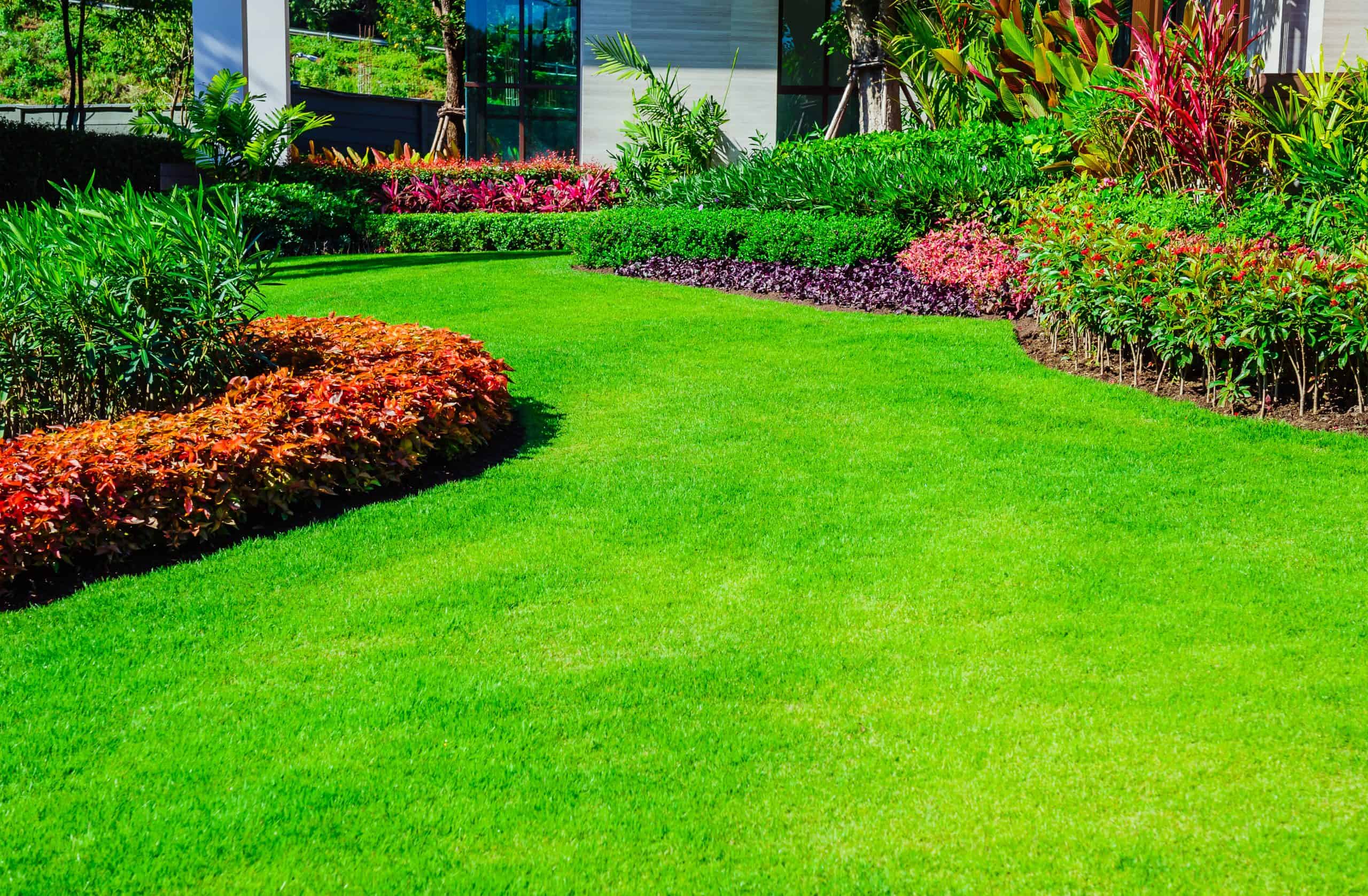
A reliable equipment supplier does more than stock machines. They maintain what they rent, replace equipment that fails mid-project, and actually know how their inventory performs in real-world conditions—not just what the spec sheet says.
Start with equipment condition. Rental tools should be clean, serviced, and ready to work the moment you pick them up. You shouldn’t be dealing with dull blades, empty fuel tanks, or equipment that won’t start. Good suppliers handle maintenance so you don’t have to troubleshoot a carburetor issue on a Saturday morning when you’ve got six hours of daylight and a project deadline.
Selection matters too, but not in the way you might think. You don’t need fifty types of tillers. You need the right tiller for your soil type and project size, plus someone who can explain the difference. Look for suppliers who carry professional-grade equipment from established brands—the same tools landscape contractors actually use on commercial jobs.
Flexibility separates the best suppliers from the rest. Can you rent for a day, a week, or a month? Do they offer delivery if you don’t have a truck? What happens if the equipment breaks down or you finish early? These details matter when you’re trying to complete a project efficiently without paying for time you don’t use.
Location and hours play a bigger role than most people realize. A supplier thirty minutes away with weekend hours beats a cheaper option that’s an hour round-trip and closes at 3 PM on weekdays. Your time has value, and equipment rental should make your project easier, not add logistics headaches.
Coastal equipment knowledge is non-negotiable in Suffolk County. Salt air accelerates corrosion. Sandy soil behaves differently than clay or loam. Wind patterns affect everything from how you stake plants to what kind of fencing holds up long-term. Suppliers who understand these conditions can steer you toward equipment that’ll actually perform, not just survive.
Walk into a big-box store and you’ll find landscaping equipment that looks perfectly adequate. It’s cheaper than professional-grade alternatives, readily available, and marketed toward homeowners who want to save money. For some projects, consumer equipment works fine. For others, it’s a false economy that costs you more in the long run.
Professional-grade equipment is built for daily commercial use. Heavier gauge steel. Better engines. Components designed to handle abuse and keep working. When landscape contractors choose equipment, they’re not impressed by marketing—they need tools that perform job after job, season after season, without constant repairs or replacement.
The difference shows up in durability first. Consumer-grade tillers might handle a small garden bed once or twice a year. Professional models power through compacted soil, rocky terrain, and full-day use without overheating or breaking down. That extra durability matters even if you’re only using the equipment once—because you need it to work the entire time, not quit halfway through your project.
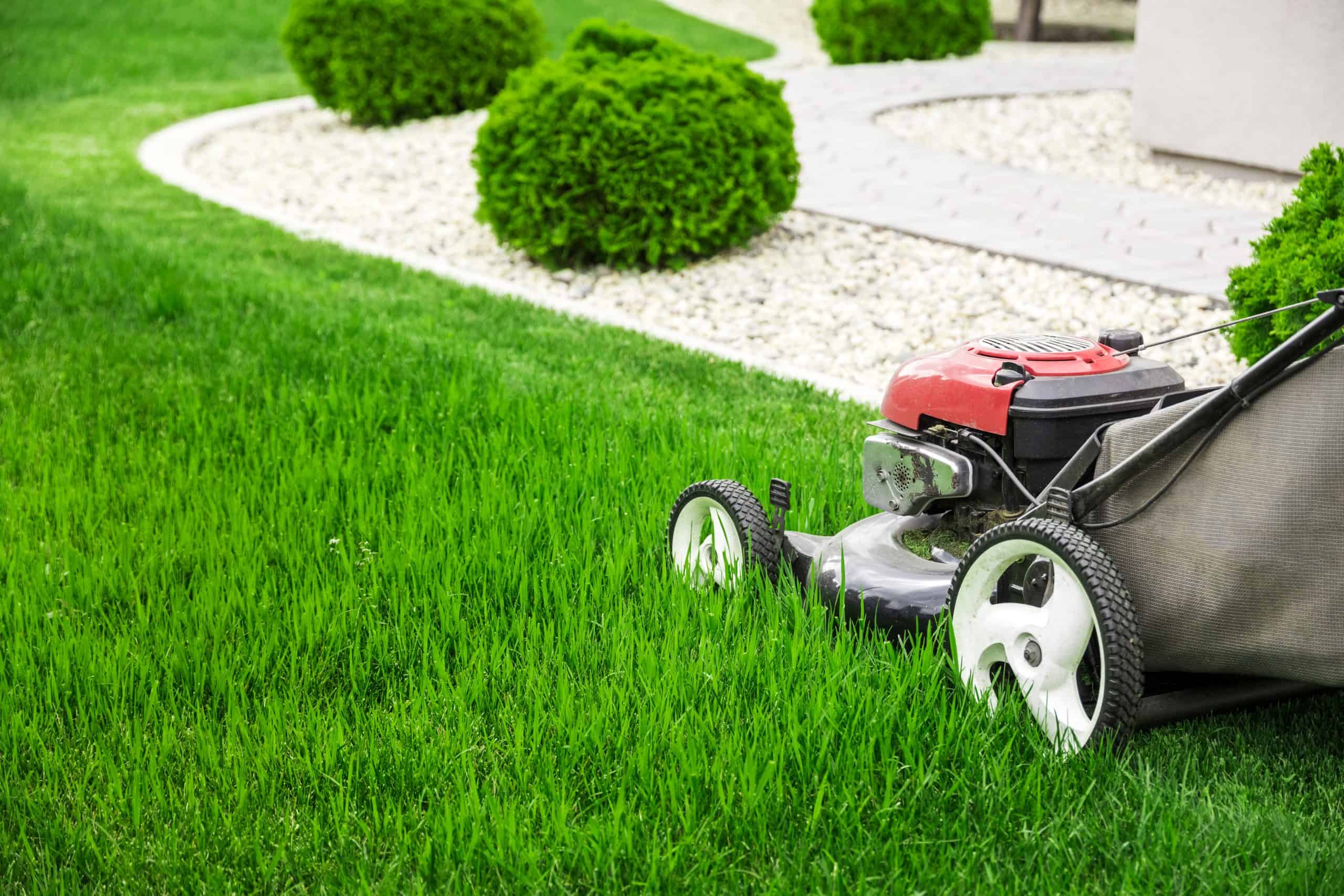
Performance is where professional equipment really separates itself. Commercial mowers deliver cleaner cuts with fewer passes. Professional-grade aerators pull plugs more consistently. Heavy-duty excavators move more material with better precision. You finish faster, with better results, using equipment designed for efficiency rather than price point.
Rental gives you access to professional-grade tools without the professional-grade price tag. You get commercial quality for a fraction of ownership cost, then return it when you’re done. No maintenance. No storage. No depreciation. Just the performance you need for the specific project in front of you.
The rental-versus-purchase calculation is straightforward: if you’re using equipment 65 percent of the time or more, buying makes sense. If not, renting wins. Most homeowners vastly overestimate how often they’ll use specialty equipment. That aerator you think you’ll need every spring? You’ll probably use it once, maybe twice if you’re diligent. The tiller for your vegetable garden? Once at planting, possibly once more mid-season. Heavy equipment like excavators or skid steers? Almost certainly a rental situation unless you’re running a commercial operation.
Want live answers?
Connect with a Rolling Hills Property Services Inc expert for fast, friendly support.
The rent-versus-buy decision trips up more property owners than any other equipment choice. The math seems simple—compare rental cost to purchase price—but the real calculation includes factors most people overlook until they’re stuck with expensive equipment they rarely use.
Upfront cost is obvious. Renting a tiller for a weekend might run $75 to $150 depending on size and rental duration. Buying that same tiller new costs $300 to $800 or more for professional-grade models. The purchase price looks painful, but spread across multiple uses over several years, it might pencil out. Except most people don’t factor in the hidden costs of ownership.
Maintenance adds up faster than you’d expect. Oil changes, blade sharpening, belt replacement, air filter cleaning, fuel stabilizer for off-season storage—these aren’t one-time expenses. They’re recurring costs that continue whether you’re using the equipment or not. Then there’s the time cost of actually performing that maintenance, plus the frustration when equipment won’t start after sitting unused for months.
Storage is another ownership cost people underestimate. Large equipment takes up garage space, shed space, or outdoor space where it’s exposed to weather. In Suffolk County’s coastal environment, equipment stored outdoors faces salt air corrosion that accelerates wear even when the machine isn’t running. Proper storage means covered, climate-controlled space—which most homeowners don’t have in abundance.
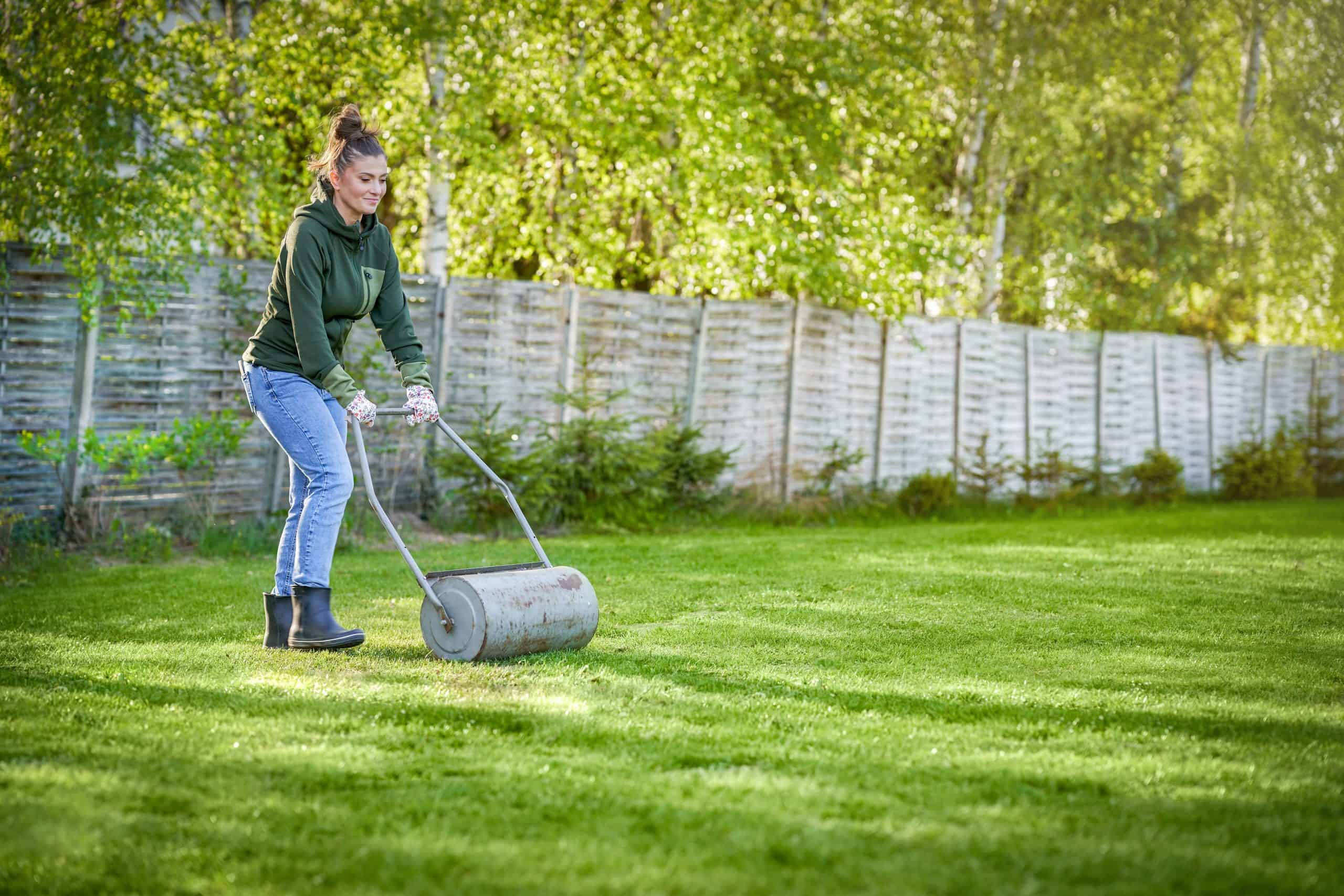
Renting equipment makes financial and practical sense in more situations than most property owners realize. The key is honest assessment of how often you’ll actually use specific tools, not how often you think you should use them.
One-time or seasonal projects are obvious rental candidates. Building a patio? Rent a compactor and excavator for the week you need them. Aerating your lawn twice a year? Rent an aerator for a day each spring and fall. The math is simple: two days of rental at $100 each costs $200 annually. Buying an aerator for $500 means you’d need to use it for three years just to break even—and that’s before maintenance costs.
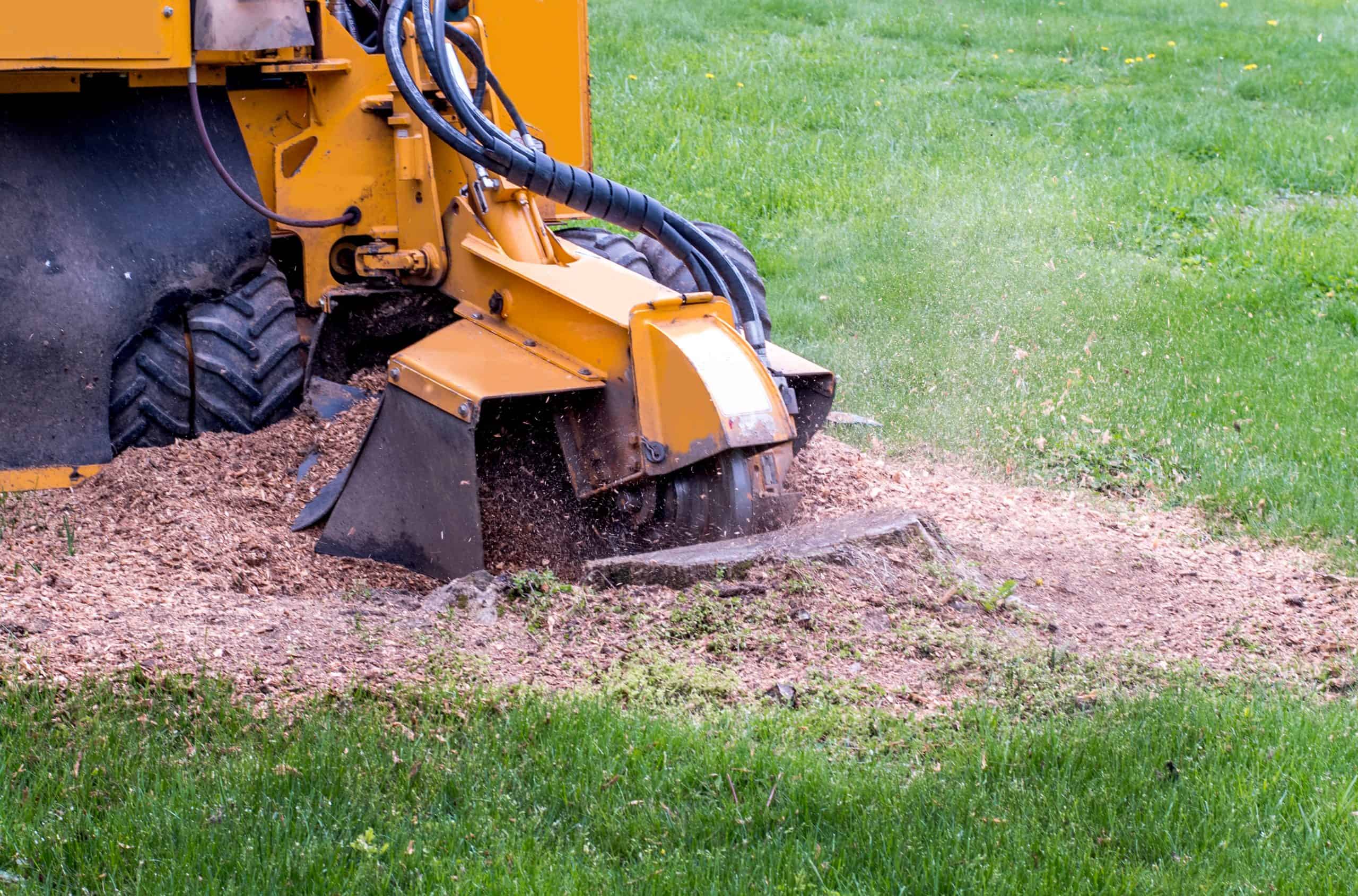
Specialty equipment almost always makes more sense to rent. How often do you need a stump grinder? A sod cutter? A trencher for irrigation lines? These are tools professionals use regularly but homeowners might need once in a decade. Renting gives you access to commercial-grade specialty equipment without the ownership burden.
Testing equipment before purchase is one of the smartest uses of rental services. Not sure whether you want a front-tine or rear-tine tiller? Rent both on separate weekends and see which handles your soil better. Considering a specific brand of lawn mower? Rent it for a month during peak season and evaluate performance before dropping thousands on a purchase you might regret.
Storage-limited situations make rental the obvious choice. If you’re already playing Tetris with your garage or paying for off-site storage, adding more equipment doesn’t make sense. Rental lets you access tools when needed while keeping your storage space free for things you actually use regularly.
The no-maintenance advantage is bigger than most people realize until they’ve owned equipment for a while. When you rent, someone else handles blade sharpening, oil changes, carburetor cleaning, and all the other upkeep that keeps equipment running. You pick up a machine that’s ready to work and return it when you’re done. No winterization. No spring tune-ups. No troubleshooting why it won’t start.
Project efficiency improves with rental because you’re using the right tool for the specific job. Instead of making do with equipment you already own, you can rent exactly what the project requires. Need to move heavy materials? Rent a mini skid steer instead of making twenty trips with a wheelbarrow. Breaking up compacted soil? Use a professional-grade tiller instead of fighting with a consumer model that bogs down every few minutes.
Equipment ownership makes financial sense in specific situations where usage frequency justifies the investment. The challenge is being honest about actual use versus aspirational use—what you’ll really do versus what you think you should do.
Frequent, regular use is the primary justification for buying equipment. If you’re using a specific tool weekly or even monthly throughout the growing season, ownership costs start looking reasonable. A property manager maintaining multiple commercial sites might use a commercial mower five days a week. A homeowner with two acres might mow weekly spring through fall. That’s enough use to justify ownership.
The 65-percent rule provides a useful guideline: if you’re using equipment 65 percent of available time, buy it. Less than that, rent. This accounts for both direct costs and the value of having equipment immediately available rather than scheduling rental pickup and return.
Long-term project timelines can tip the scale toward purchase. If you’re developing a property over several years with ongoing excavation, grading, and landscape work, buying equipment might cost less than extended rental periods. But be realistic—”several years of work” often means “occasional weekends when we have time,” which probably doesn’t justify ownership.
Tax advantages matter for business use. Equipment purchases can be depreciated or potentially deducted under Section 179 if you’re operating a commercial landscaping business. These tax benefits don’t apply to homeowner purchases, so don’t factor them into your personal decision unless you’re running a legitimate business operation.
Resale value provides some cost recovery if you buy quality equipment and maintain it properly. Professional-grade tools from established brands hold value better than consumer equipment. But factor in depreciation—you won’t recoup your full purchase price, and the time and effort to sell used equipment has its own cost.
The ownership decision should include total cost of ownership: purchase price, maintenance, storage, insurance if applicable, and depreciation. Compare that to rental costs for realistic usage frequency. Most homeowners find rental wins unless they’re using equipment very frequently or have specific circumstances that make ownership more practical.
The right landscaping equipment decision depends on your specific situation—project scope, usage frequency, storage capacity, and whether you’re maintaining a single residential property or managing commercial sites. There’s no universal answer, but there is a clear framework for making smart choices.
Start by honestly assessing how often you’ll use specific equipment. Most homeowners overestimate usage and end up with expensive tools gathering dust. Rental gives you professional-grade access without the ownership burden, maintenance headaches, or storage challenges. For the majority of Suffolk County property owners, that’s the smarter choice.
When you do need equipment—whether rental or purchase—work with suppliers who understand Long Island’s coastal conditions and can guide you toward tools that’ll actually perform in sandy soil and salt air. The right equipment makes projects faster and easier. The wrong equipment turns simple jobs into frustrating ordeals.
If you’d rather skip the equipment decision entirely and work with professionals who already have the right tools and know how to use them, we serve Suffolk County with comprehensive property maintenance solutions. Sometimes the smartest equipment choice is letting experienced professionals handle the work.
Article details:
Share:
Continue learning: