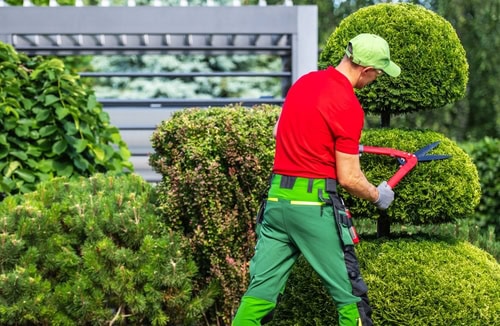
Fertilizing a compacted lawn is like watering concrete. Discover when your Suffolk County property needs aeration to unlock healthier grass, better drainage, and lasting results.
Share:
Summary:
You’ve fertilized on schedule. You water when it’s dry. But your lawn still thins out by August, and those bare patches near the driveway never fill in.
Here’s what most Suffolk County homeowners don’t realize: fertilizer only works if it can reach the roots. When soil gets compacted from foot traffic, mowing, or Long Island’s clay-heavy ground, nutrients sit on the surface instead of sinking in. You’re not feeding your grass—you’re feeding runoff.
Lawn aeration breaks through that barrier. It creates pathways for air, water, and nutrients to reach deeper into the soil, where roots actually grow. Let’s walk through how to know when your lawn needs aeration more than another bag of fertilizer.
Not every lawn needs aeration every year. But if yours is struggling despite what seems like proper care, compacted soil is probably the issue.
The simplest test? Grab a screwdriver and try pushing it into your lawn. If it slides in easily through moist soil, you’re fine. If it barely penetrates or stops after an inch, your soil is compacted and choking your grass.
Water pooling on the surface after rain is another clear sign. Healthy soil absorbs water within a few hours. Compacted soil forces water to sit on top, creating soggy spots that invite fungal problems and weak roots. Walk across your lawn after watering—if it feels spongy or bouncy underfoot, that’s excess thatch building up because air and water can’t break it down naturally.

Long Island’s soil isn’t doing you any favors. Suffolk County sits on a mix of sandy coastal loam and heavier clay inland, and both compact under pressure.
Every time you mow, walk across the lawn, or let the kids play outside, you’re pressing soil particles closer together. Rain does it too. Even something as routine as a summer thunderstorm can compact the top few inches of soil, especially if your lawn was established on fill dirt from construction.
That compaction shrinks the space between soil particles. Healthy soil has about 50% pore space—room for air, water, and roots to move freely. Compacted soil? You’re looking at 10% or less. Grass roots need oxygen to grow, and when they can’t get it, they stay shallow and weak.
Shallow roots can’t handle stress. They dry out faster in July heat. They struggle to absorb nutrients even when you fertilize. And they leave your lawn vulnerable to weeds, because healthy grass crowds out weeds naturally—but stressed grass doesn’t.
Core aeration fixes this by pulling small plugs of soil out of the ground. Those plugs are typically two to three inches deep and about half an inch wide, spaced a few inches apart across your entire lawn. The holes they leave behind give roots immediate access to oxygen and create channels for water and nutrients to sink deeper.
The plugs themselves break down over a few weeks, returning organic matter and beneficial microbes back into your lawn. It’s not just about making holes—it’s about resetting your soil structure so grass can actually use what you’re giving it.
Fertilizer works when soil is loose enough to let it through. On a compacted lawn, it doesn’t matter how premium your fertilizer is—it’s sitting on the surface where it can’t do much.
You might see a quick green-up from nitrogen hitting the grass blades. But that’s temporary. Without reaching the roots, the fertilizer washes away with the next rain or irrigation cycle. You’re spending money on nutrients that never get used.
Aeration changes that. When you aerate first, then fertilize within 48 hours, those nutrients drop directly into the holes and travel down to the root zone. Water follows the same path, carrying dissolved fertilizer deeper into the soil where roots can absorb it.
This is why we almost always aerate before fertilizing in fall. It’s not about doing more services—it’s about making the services you’re already paying for actually work.
If your lawn has been fertilized regularly but still looks thin, stressed, or patchy, the issue isn’t nutrient deficiency. It’s delivery. Compacted soil blocks delivery, and no amount of fertilizer will overcome that until you fix the compaction.
Think of it this way: pouring water on a sealed jar doesn’t fill the jar. You have to open it first. Aeration opens your soil so everything else you do—fertilizing, watering, overseeding—can actually reach the grass.
Want live answers?
Connect with a Rolling Hills Property Services Inc expert for fast, friendly support.
Aeration creates the perfect setup for overseeding. Those holes in your lawn aren’t just pathways for air and water—they’re ideal spots for grass seed to germinate.
When you spread seed over a freshly aerated lawn, a portion of it falls directly into the holes. That gives the seed direct contact with soil, protection from wind and birds, and consistent moisture as the plugs break down around it.
Seed that just sits on top of compacted ground? Most of it doesn’t germinate at all. The seed that does sprout often struggles because the roots can’t penetrate hard soil. But seed that lands in an aeration hole has everything it needs: soil contact, moisture, and loose ground for roots to grow into.

Timing matters more on Long Island than in most regions. You’re working with cool-season grasses—tall fescue, Kentucky bluegrass, perennial ryegrass—that have two peak growth windows each year: spring and fall.
Fall is when you want to aerate and overseed. September through early November gives you warm soil for fast germination, cooler air temperatures that reduce stress on new seedlings, and consistent rainfall that keeps everything moist without constant watering.
Cool-season grasses are actively growing during this period. They’re storing energy in their roots for winter, which means they recover quickly from the stress of aeration. New seed germinates in 7 to 14 days and has six to eight weeks to establish strong roots before the first hard freeze.
Spring aeration works if you miss the fall window, but it comes with trade-offs. You’re aerating when weed seeds are also ready to germinate, so you might see more crabgrass and broadleaf weeds competing with your new grass. Spring also conflicts with pre-emergent herbicide applications, which need an intact soil surface to form a chemical barrier.
For Suffolk County lawns, early September is ideal. Soil is still warm from summer—usually above 65°F—but daytime highs have dropped into the 70s. That balance encourages rapid germination without the stress of July heat.
If you’re overseeding, choose a seed blend suited to Long Island’s climate. Tall fescue handles drought well and adapts to varying soil conditions, which matters when you’re dealing with sandy coastal soil that drains fast. Kentucky bluegrass fills in bare spots through rhizomes and tolerates moderate shade. Perennial ryegrass germinates quickly and provides immediate cover while slower grasses establish.
The first two weeks after overseeding are critical. Your job is to keep the soil consistently moist—not soaked, just damp—so seeds don’t dry out before they germinate.
That usually means light watering two to three times a day for 10 to 15 minutes per zone. You’re targeting the top inch of soil where the seed is sitting. Once you see green shoots coming up, you can back off to once a day, then transition to deeper, less frequent watering as the grass matures.
Avoid heavy foot traffic during this period. New grass is fragile, and stepping on it can pull seedlings out of the ground before roots have a chance to anchor. If you have kids or pets, section off the area or plan your overseeding for a time when you can keep everyone off the lawn for a few weeks.
You’ll also want to hold off on mowing until the new grass reaches about three to four inches. That gives roots time to establish before you stress the plant by cutting it. When you do mow, make sure your blades are sharp—dull blades tear grass instead of cutting it cleanly, which opens the door for disease.
Fertilizing after overseeding supports the new grass, but timing matters. If you fertilized right after aeration, you’re set for the first few weeks. If not, wait until you’ve mowed the new grass two or three times before applying a second round of fertilizer. That tells you the grass is mature enough to handle it without burning.
Results vary depending on your soil, seed quality, and how consistently you water, but most Suffolk County homeowners see noticeable thickening within four to six weeks. By the following spring, the new grass should be fully integrated with your existing lawn, filling in thin spots and creating a denser turf that naturally resists weeds.
Aeration isn’t a cure-all, but it solves problems fertilizer can’t touch. If your lawn is compacted, drains poorly, or stays thin despite regular care, aeration opens up your soil and gives grass the room it needs to grow deeper, stronger roots.
Timing it right for Long Island’s climate makes the difference. Fall aeration sets up your lawn for success next spring, and combining it with overseeding fills in bare spots while conditions favor germination.
If you’re in Suffolk County, NY and your lawn isn’t responding the way it should, we can walk you through what your property actually needs—not just what’s easy to sell.
Article details:
Share:
Continue learning: