
Hear from Our Customers

You’ve seen it before. A fresh concrete driveway that looks perfect in July, then cracks and heaves by March. That’s not a concrete problem—it’s a grading problem.
Southampton’s freeze-thaw cycles don’t care how nice your concrete looks on day one. If the base isn’t compacted right, if the slope doesn’t direct water away from your foundation, if the contractor skipped the prep work to save an hour—you’ll pay for it later.
Proper concrete work starts below the surface. We use laser-guided grading equipment to make sure every inch of your driveway, walkway, or patio slopes correctly. Water moves away from your home, not toward it. The base gets compacted in layers, not dumped and smoothed. And when we pour, you’re getting concrete mixed for Long Island’s climate, not a one-size-fits-all batch.
The result isn’t just curb appeal. It’s a surface that handles heavy vehicles, holds up through winter, and doesn’t become a liability when someone trips on an uneven slab. Your property value stays protected because the work was done right.
Rolling Hills Property Services Inc isn’t new to Suffolk County. We’ve worked on enough Southampton properties to know what fails here and why.
The soil composition on Long Island is different than inland areas. The water table is higher. The salt air accelerates deterioration. And if you’re in the Village versus the Town, the permitting process is stricter. We handle all of it—licensing, insurance, inspections, and the actual work.
You’re not getting a crew that learned concrete in another state and hopes it translates. You’re getting contractors who’ve poured driveways two blocks from the ocean, repaired sidewalks after nor’easters, and installed Belgian block aprons that still look clean a decade later. We know what Southampton expects, and we know how to deliver it without the runaround.

First, we assess your property’s drainage. If water’s pooling near your foundation or your driveway’s directing runoff toward your garage, we identify it before any concrete gets poured. Most concrete problems are actually drainage problems in disguise.
Next comes excavation and grading. We remove the old surface if needed, then use GPS and laser-guided equipment to establish the correct slope. The International Residential Code recommends a minimum six-inch drop over the first ten feet from your foundation. We don’t guess—we measure.
Then we prep the base. This means compacting subgrade soil in layers, adding crushed stone, and compacting again. Skipping this step is how you get settling, cracking, and expensive repairs two years later. We don’t skip it.
Finally, we pour and finish. The concrete mix is designed for freeze-thaw resistance. We control the cure time. And if you’re adding Belgian block curbing or a custom apron, we integrate it during the pour so everything’s structurally sound, not just glued on top.
You’ll know the timeline before we start, and we’ll keep you updated if weather delays anything. Most residential concrete projects in Southampton take three to five days from start to finish, depending on size and complexity.

Ready to get started?
You’re getting more than a concrete pour. You’re getting site evaluation, proper permitting, precision grading, and installation that accounts for Southampton’s specific challenges.
We handle sidewalk repair and replacement, which matters more than you’d think. Uneven sidewalks aren’t just ugly—they’re a liability. If someone trips and gets hurt on your property, you’re exposed. Repairing or replacing damaged sections eliminates that risk and can return 60% to 85% of the cost in property value.
Driveway aprons and curbing are another focus. A well-installed Belgian block apron doesn’t just look sharp—it protects your driveway edges from erosion and crumbling. It also signals to buyers that your property’s been maintained at a higher standard, which matters in Southampton’s competitive real estate market.
We also handle masonry flatwork: patios, walkways, and any other horizontal concrete surface that needs to be level, durable, and properly drained. If it’s concrete and it’s outside your home, we’ve done it before.
Every project includes a walkthrough before we start, so you know exactly what’s happening and why. No surprises, no upselling, no change orders for things we should’ve caught during the estimate.
Properly installed concrete should last 25 to 30 years in Southampton, even with freeze-thaw cycles and salt exposure. The key word is “properly.”
If the base wasn’t compacted correctly, if the slope doesn’t direct water away, or if the concrete mix wasn’t designed for cold weather, you’ll see problems much sooner. Cracking from frost heave usually shows up in the first few winters. Settling and sinking happen when the subgrade wasn’t prepared right.
We use concrete mixes rated for Long Island’s temperature swings and make sure the base is compacted in layers. That prep work is what separates a 30-year driveway from a 5-year headache.
It depends on what you’re doing and whether you’re in Southampton Village or Southampton Town. The Village has its own Building Department and stricter rules, especially for anything visible from the street.
Driveway replacements, new sidewalks, and any work that changes drainage patterns usually require permits. Smaller repairs might not, but it’s worth confirming before you start. Unpermitted work can become a problem when you sell—buyers’ attorneys will ask, and it can kill deals.
We handle the permitting process as part of the job. We know which department to file with, what documentation they need, and how long approvals typically take. You don’t have to navigate Southampton’s zoning requirements on your own.
Stamped concrete is regular concrete that’s textured and colored to look like stone, brick, or slate. It gives you the appearance of high-end materials without the cost or maintenance.
The installation process is similar, but stamped concrete requires more skill during the finishing stage. The stamps have to be applied while the concrete’s still workable, and the color needs to be consistent across the entire surface. Done right, it looks great. Done poorly, it looks fake and can peel or fade.
If you want the look of natural stone but don’t want to deal with resetting pavers every few years, stamped concrete is a solid option. It’s especially popular for patios and walkways in Southampton, where aesthetics matter but durability can’t be compromised.
Concrete cracks for a few reasons: poor base preparation, improper curing, freeze-thaw damage, or settling due to soil movement. Small hairline cracks are normal and mostly cosmetic. Larger cracks that are widening or causing the surface to become uneven are structural issues.
If the cracking is isolated to one section and the rest of the slab is stable, we can often repair it by cutting out the damaged area and pouring a new section. If the entire surface is compromised—multiple cracks, significant settling, water pooling—replacement is usually the better investment.
We assess the underlying cause before recommending a fix. If your soil’s shifting or your drainage is directing water under the slab, a simple patch won’t solve the problem. We’ll tell you what’s actually needed, not just what’s easiest to sell.
Concrete costs vary based on size, site conditions, and what you’re installing. A basic driveway replacement runs differently than a custom patio with stamped finishes and Belgian block borders.
Southampton properties often require more prep work than inland areas. If your lot has drainage issues, poor soil, or limited access for equipment, that affects the timeline and cost. We also factor in permitting fees and any requirements from the Village’s Architectural Review Board if your property falls under their jurisdiction.
We provide transparent estimates after walking your property. You’ll know what’s included, what’s optional, and why each part of the job costs what it does. No vague line items, no surprise charges later. If conditions change during excavation, we’ll discuss it before proceeding.
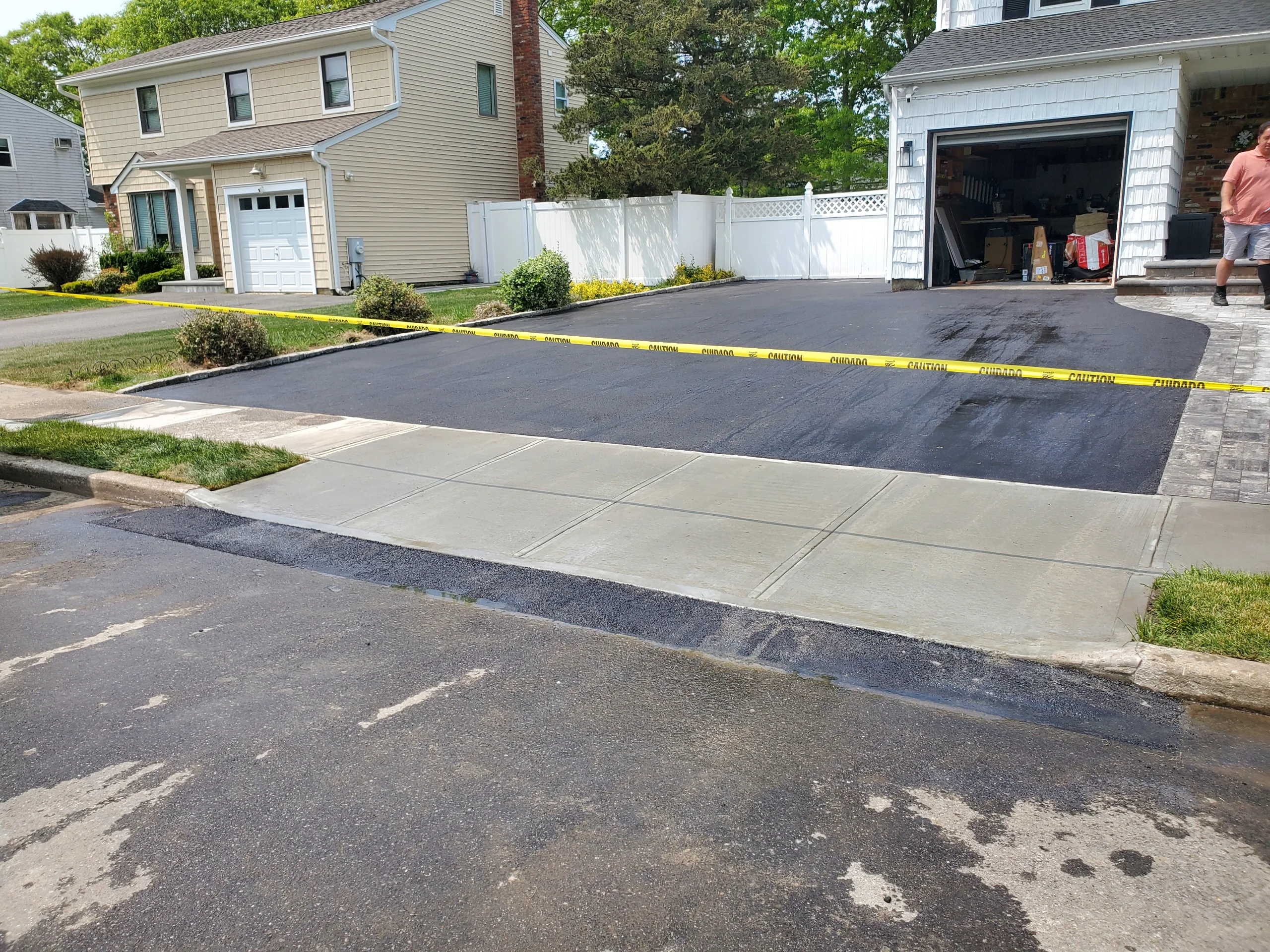
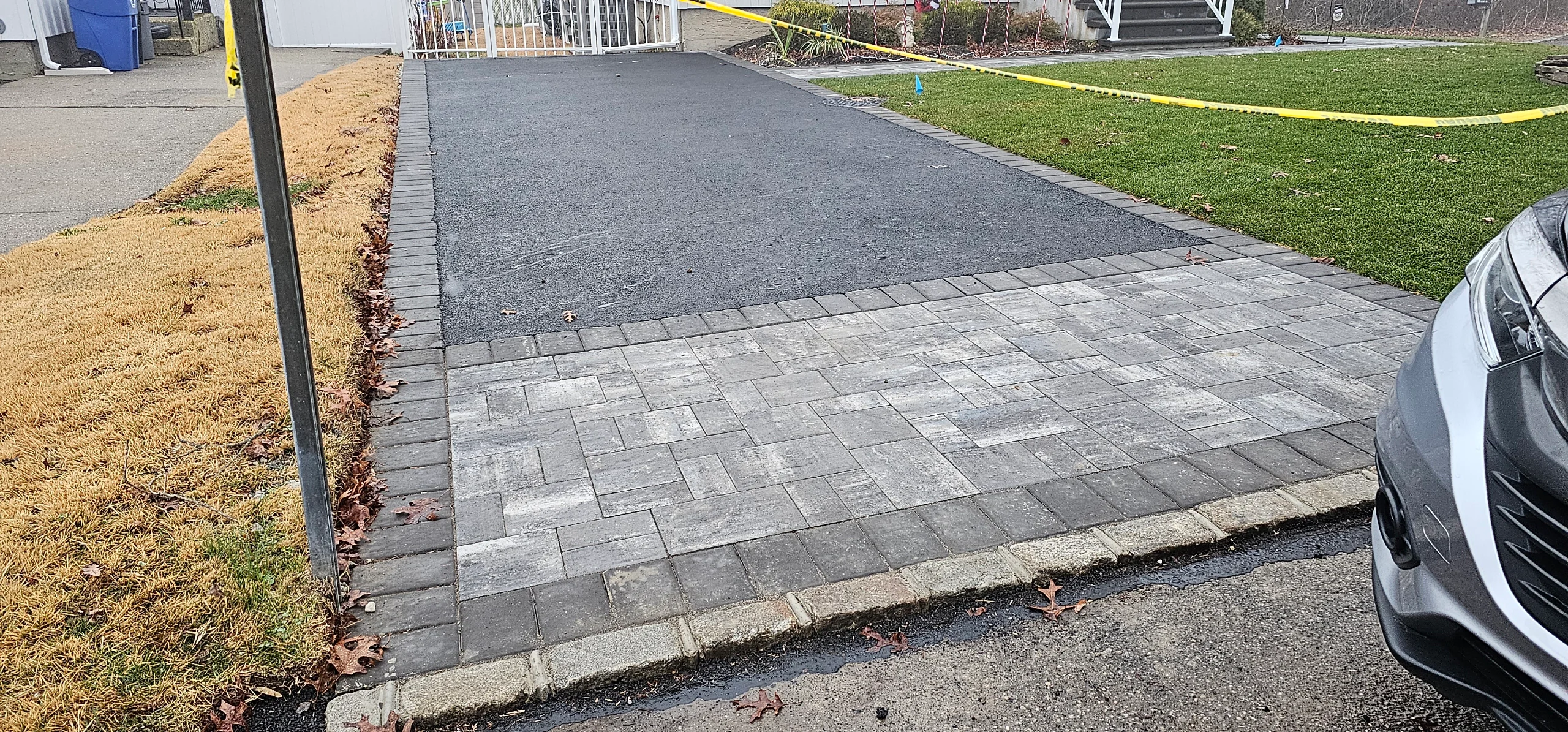
A Belgian block apron is the section of your driveway where it meets the street, typically framed with granite blocks (Belgian block) for durability and appearance. It protects the edges of your driveway from crumbling and gives the entrance a clean, finished look.
In Southampton, especially in higher-end neighborhoods, a well-installed apron signals that your property’s been maintained to a certain standard. It’s one of those details that buyers notice immediately, and it can influence their perception of the entire home.
Functionally, Belgian block holds up better than concrete edges, which tend to chip and crack over time. It also helps with drainage by creating a defined border that directs water where it needs to go. If your current apron is crumbling or nonexistent, replacing it is one of the highest-return upgrades you can make for curb appeal.
Other Services we provide in Southampton