
Hear from Our Customers

A cracked driveway apron or sunken sidewalk doesn’t just look bad. It tells buyers your home hasn’t been maintained. In a market where Deer Park homes are selling for $645K and climbing 15.8% year-over-year, first impressions aren’t optional.
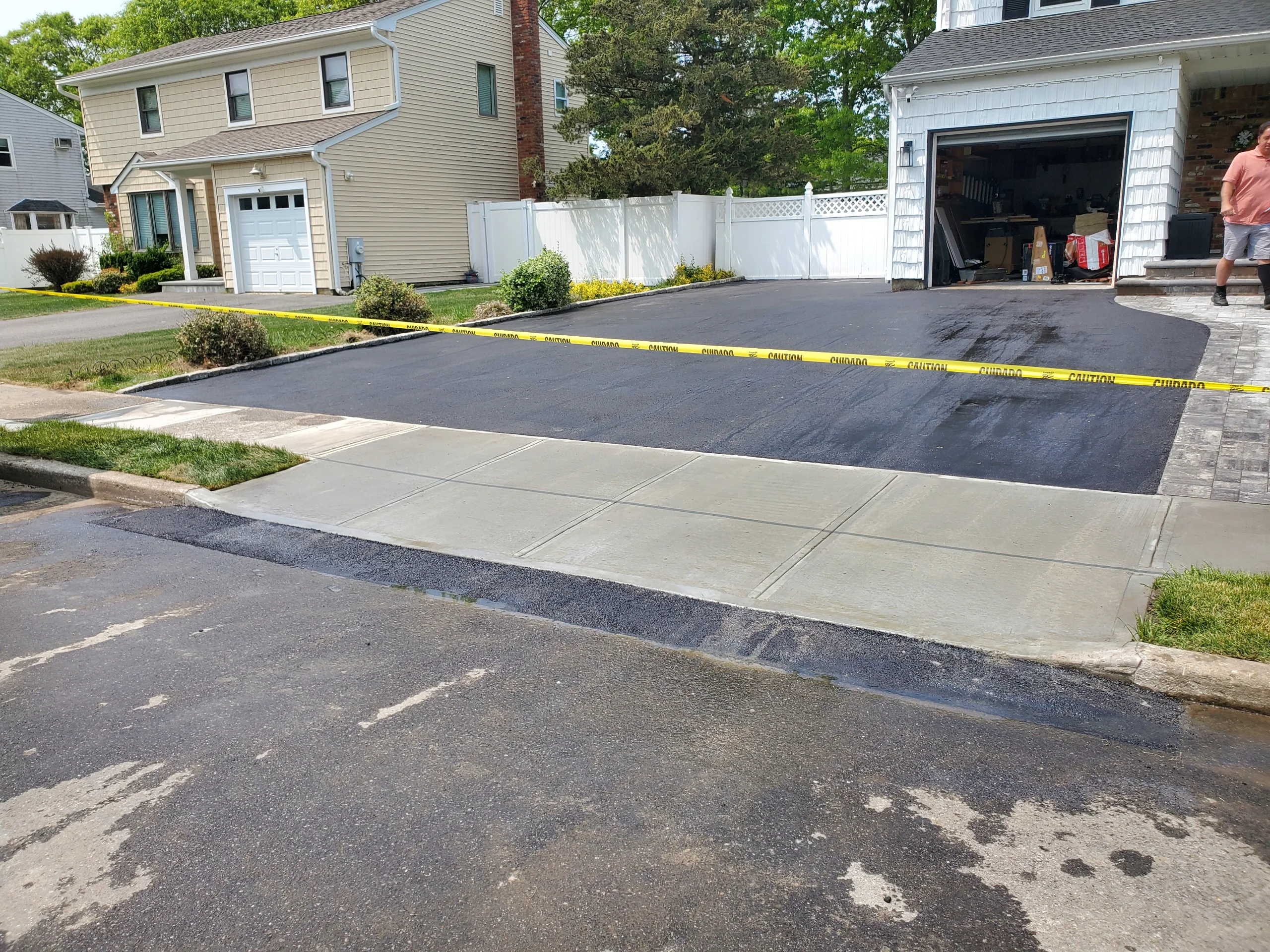
Proper concrete work fixes that. New Belgian block driveway aprons add structure and curb appeal. Sidewalk repair eliminates trip hazards and water pooling. Fresh masonry flatwork gives your entrance the kind of clean, finished look that makes neighbors stop and ask who did the work.
This isn’t cosmetic. When concrete is installed correctly—with the right base, proper grading for drainage, and equipment that can handle Suffolk County’s clay-heavy soil—it lasts 25 to 30 years. That’s one less thing you’ll need to worry about or budget for down the road.
We’ve been handling property maintenance across Suffolk County for years. We’re based in Smithtown, fully licensed and insured, and we’ve worked on enough Deer Park properties to know exactly what goes wrong when concrete isn’t done right.
Long Island’s high water table, clay soil, and freeze-thaw cycles are tough on concrete. Most contractors skip the grading or use the wrong base. We don’t. Every job starts with proper excavation, drainage assessment, and the heavy equipment needed to get it right the first time.
You’re not getting a crew that shows up in a pickup truck with a wheelbarrow. You’re getting professionals who understand how water moves through your property and what it takes to keep concrete from cracking, settling, or turning into a maintenance problem.

We start with a site visit. That means looking at your existing concrete, checking drainage patterns, and understanding what’s underneath—soil type, water table, any structural issues that caused the original damage.
Next comes excavation and grading. This is where most companies cut corners. We bring in the right equipment to remove old concrete, prep the base with proper stone or gravel, and grade everything so water moves away from your foundation. If your property has drainage issues, we address them now—not after the concrete is poured.
Then we install. Whether it’s a new driveway apron with Belgian block edging, sidewalk repair, or a full concrete curb installation, everything is set to the correct depth and slope. Belgian blocks get placed in a mortar bed over a 6-inch reinforced concrete base because they don’t interlock like pavers—they need that solid foundation to handle vehicle weight.
After the pour, we finish and seal. Sealing protects against moisture, UV damage, and freeze-thaw cracking. It’s a small step that adds years to the lifespan of your concrete and keeps it looking clean.

Ready to get started?
Concrete curb installation creates clean property lines and prevents erosion along driveways and walkways. We set curbs to the right height and angle so water drains properly and doesn’t pool against your foundation.
Sidewalk repair addresses cracks, settling, and uneven sections that create trip hazards. In Deer Park’s older neighborhoods—especially homes built in the 1960s and 70s—original sidewalks are often past their lifespan. We remove damaged sections, re-grade the base, and pour new concrete that matches the existing layout or improves it.
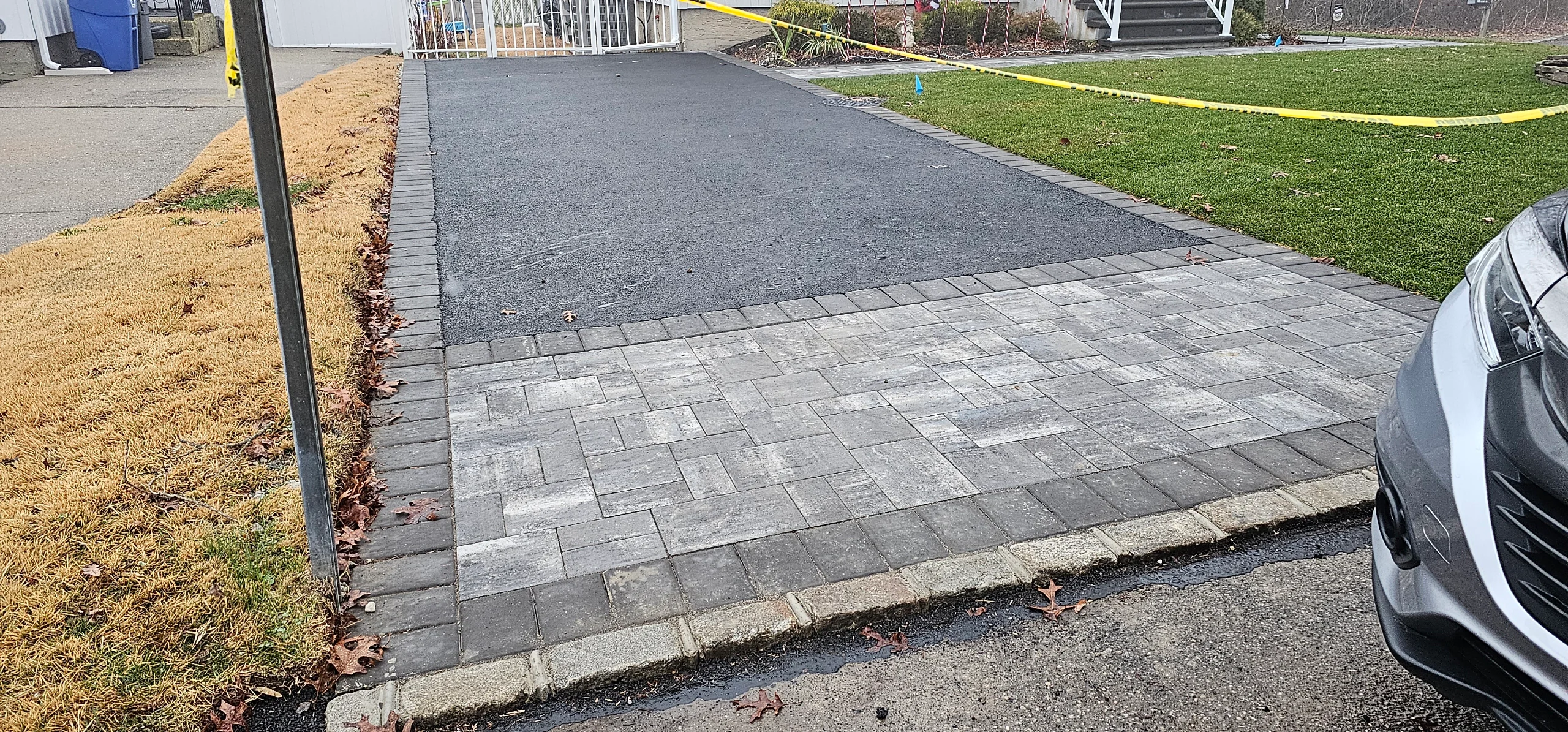
Belgian block driveway aprons are one of the most requested upgrades in higher-end Deer Park neighborhoods. They add structure, define your entrance, and hold up better than plain concrete edges. We install them correctly—mortared and set over a reinforced base—so they don’t shift or sink under tire weight.
Local concrete grading and prep is the foundation of every job. Suffolk County’s clay soil holds water, which means improper grading leads to hydrostatic pressure against your foundation. We assess your property’s drainage needs and grade everything to move water away from your home.
Masonry flatwork includes patios, walkways, and other horizontal surfaces. Whether it’s stamped concrete for visual interest or standard flatwork for durability, we match the work to your property’s style and your budget.
Properly installed concrete lasts 25 to 30 years in Deer Park, but that depends entirely on how it’s done. Long Island’s freeze-thaw cycles, moisture levels, and UV exposure all break down concrete over time. Sealing helps. It blocks moisture from getting into the surface, which prevents cracking when temperatures drop and water expands.
The bigger factor is installation. If the base isn’t prepped correctly or the grading doesn’t account for drainage, you’ll see problems in five years instead of twenty-five. Clay-heavy soil around here doesn’t drain well, so water sits against concrete and pushes it around. That’s why we use heavy equipment to compact the base and grade everything before we pour.
Maintenance matters too. Resealing every few years and addressing small cracks early keeps concrete from turning into a full replacement job. But if it’s done right from the start, you shouldn’t be dealing with major issues for decades.
Belgian blocks require more labor and a stronger foundation. Unlike concrete pavers, they don’t lock together, so they need to be set in mortar over a 6-inch reinforced concrete base. That base has to support vehicle weight without shifting, which means more excavation, more materials, and more precision during installation.
The payoff is durability and appearance. Belgian block aprons hold up better than plain concrete edges, and they add a level of curb appeal that increases property value in neighborhoods where buyers expect that kind of detail. In Deer Park’s competitive real estate market, those details matter.
You’re also paying for the skill required to install them correctly. If the blocks aren’t set level or the mortar isn’t applied right, they’ll shift or crack under tire weight. We’ve repaired plenty of DIY and low-bid Belgian block jobs that failed within a few years. Doing it right the first time costs more upfront but saves you from having to redo it.
Water is the main culprit. When water gets under concrete and the ground freezes, it expands and pushes the slab up. When it thaws, the concrete settles—but not always evenly. Over time, that creates cracks and uneven sections.
Poor base preparation is the other big issue. If the soil underneath isn’t compacted or the base layer is too thin, the concrete doesn’t have solid support. Heavy loads—like vehicles on a driveway—cause it to sink in spots. Clay soil makes this worse because it holds water and shifts more than sandy or rocky soil.
Tree roots, drainage problems, and just plain age also contribute. Deer Park has a high water table in many areas, so if grading doesn’t direct water away from concrete surfaces, you’re going to see damage faster. That’s why proper site assessment and grading matter as much as the concrete itself.
It depends on the damage. Small cracks and surface wear can often be repaired with patching or resurfacing. If the concrete is structurally sound and the base underneath is still solid, repair is usually the better option. It’s faster and costs less than full replacement.
But if the concrete has settled unevenly, large sections are cracked, or the base has failed, replacement makes more sense. Patching over a bad foundation just delays the problem. You’ll end up paying for the repair now and the replacement later.
We assess every job before recommending a solution. Sometimes it’s a mix—replacing the worst sections and repairing the rest. The goal is to give you concrete that lasts, not just a quick fix that looks okay for a year or two. If replacement is the right call, we’ll explain why and show you what’s causing the damage so you understand what you’re paying for.
Grading controls where water goes when it rains. If your property slopes toward your foundation, water pools against basement walls and creates hydrostatic pressure. That pressure finds cracks and weak points, leading to leaks, foundation damage, and moisture problems inside your home.
Proper grading slopes everything away from your foundation—driveways, walkways, landscaping, all of it. When we install concrete, we grade the base so water flows toward the street or a drainage area, not toward your house. That’s especially important in Deer Park, where clay soil doesn’t absorb water quickly and the water table is already high.
Local building departments have gotten stricter about this because water runoff has become a bigger issue. Properties are expected to contain their own rainwater during storms instead of flooding neighboring yards or streets. Good grading solves that problem while protecting your foundation. It’s not optional if you want concrete that lasts and a basement that stays dry.
Stamped concrete has a pattern pressed into the surface before it fully cures. It can look like brick, stone, or tile, which gives you more design options than plain gray concrete. It’s popular for patios, walkways, and driveways where appearance matters.
Regular concrete is smooth or broom-finished. It’s durable, functional, and less expensive. For areas where you just need a solid surface—like a driveway apron or sidewalk—regular concrete makes sense. For areas where you want more visual interest, stamped concrete is worth considering.
Both options last about the same amount of time if they’re installed correctly. Stamped concrete needs sealing to protect the color and pattern, but regular concrete benefits from sealing too. The choice comes down to budget and how much curb appeal matters for that specific area of your property. We can show you examples of both and help you decide what fits your home and your goals.
Other Services we provide in Deer Park