
Hear from Our Customers

If you see standing water after it rains, your property has a drainage problem. And drainage problems don’t fix themselves—they get worse.
Water that pools near your foundation seeps into your basement, damages your home’s structure, and creates a breeding ground for mold. That’s not just inconvenient. That’s expensive.
Blue Point sits on Suffolk County’s sandy soil with a high water table. When concrete work isn’t graded correctly from day one, water has nowhere to go. You’ll notice it first in your driveway apron or along your sidewalk—those areas that stay wet long after your neighbor’s yard has dried.
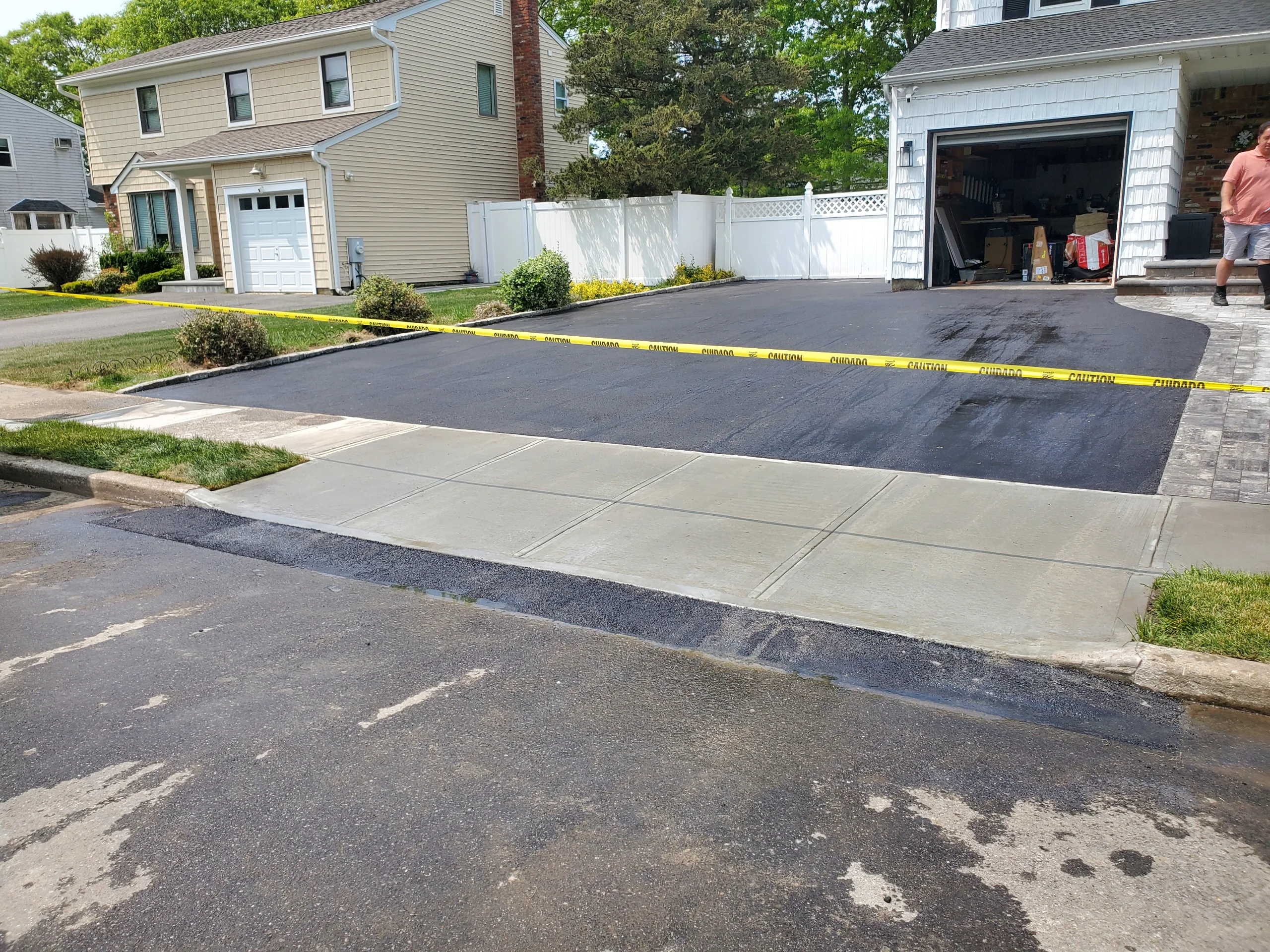
The right concrete work solves this permanently. Proper grading creates a 2-5% slope that moves water away from your home and toward drainage areas. Belgian block driveway aprons installed with precision equipment don’t just look sharp—they channel water exactly where it needs to go.
You’re not just fixing a puddle. You’re protecting your foundation, your basement, and your property value. Homes with well-maintained exteriors sell for 7% more on average. In Blue Point’s competitive market, that difference matters.
We’ve spent years working in Suffolk County, and we’ve learned what most contractors miss. Blue Point’s sandy soil doesn’t behave like clay-heavy soil. It shifts, it drains differently, and it requires specific preparation techniques to prevent settling.
We’re licensed and insured, which means you’re protected if something goes wrong. But more importantly, we use professional-grade equipment that ensures proper compaction and grading—the kind of precision that prevents callbacks and costly repairs down the line.
We’ve built our reputation in Smithtown and across Suffolk County by doing concrete and masonry work that lasts. When we install a concrete curb or repair your sidewalk, we’re thinking about how Blue Point’s freeze-thaw cycles will affect that surface five years from now. That’s the difference between a contractor who knows this area and one who’s just passing through.

We start with a site assessment. That means looking at your property’s current drainage patterns, checking the existing grade, and identifying where water is pooling or flowing toward your foundation. This isn’t a quick walk-around—we’re measuring slopes and checking soil conditions specific to Blue Point.
Next comes excavation and base preparation. For Suffolk County’s sandy soil, this step is critical. We excavate to the proper depth, compact the base using heavy machinery, and ensure the sub-base is stable enough to support the concrete without settling. Skipping this step or doing it with inadequate equipment is why you see driveways cracking within two years.
Then we handle the concrete pour and grading. We set forms, pour the concrete, and use professional finishing techniques to create the exact slope needed for drainage. For Belgian block driveway aprons or concrete curbs, we install each piece with precision to ensure water flows away from your home.
Finally, we cure and seal the concrete properly. Long Island’s weather can be tough on new concrete, so we follow curing protocols that prevent cracking from temperature swings. Once cured, your new concrete or masonry flatwork is ready to handle whatever Blue Point’s climate throws at it.

Ready to get started?
When you hire us for concrete and masonry work in Blue Point, you’re getting more than a crew with a cement mixer. You’re getting site-specific solutions designed for this area’s unique challenges.
Our concrete curb installation includes proper excavation, base compaction, and grading that accounts for Blue Point’s drainage needs. We install Belgian block driveway aprons that create a clean transition from street to driveway while directing water away from your property. These aren’t just decorative—they’re functional elements that protect your investment.
Sidewalk repair in Suffolk County requires understanding how freeze-thaw cycles affect concrete. We don’t just patch cracks. We assess why the damage happened, address the underlying cause (usually poor drainage or base failure), and rebuild the section correctly. That means removing failed concrete, re-compacting the base, and pouring new concrete with proper reinforcement.
For masonry flatwork—patios, walkways, or any horizontal concrete surface—we focus on two things: drainage and durability. Blue Point homeowners need surfaces that shed water efficiently and withstand coastal weather conditions. We achieve this through proper slope calculation, quality materials, and installation techniques that prevent common failure points.
Every project includes a detailed quote so you understand exactly what you’re paying for. We work around your schedule to minimize disruption, and we keep you updated throughout the process. No surprises, no runarounds.
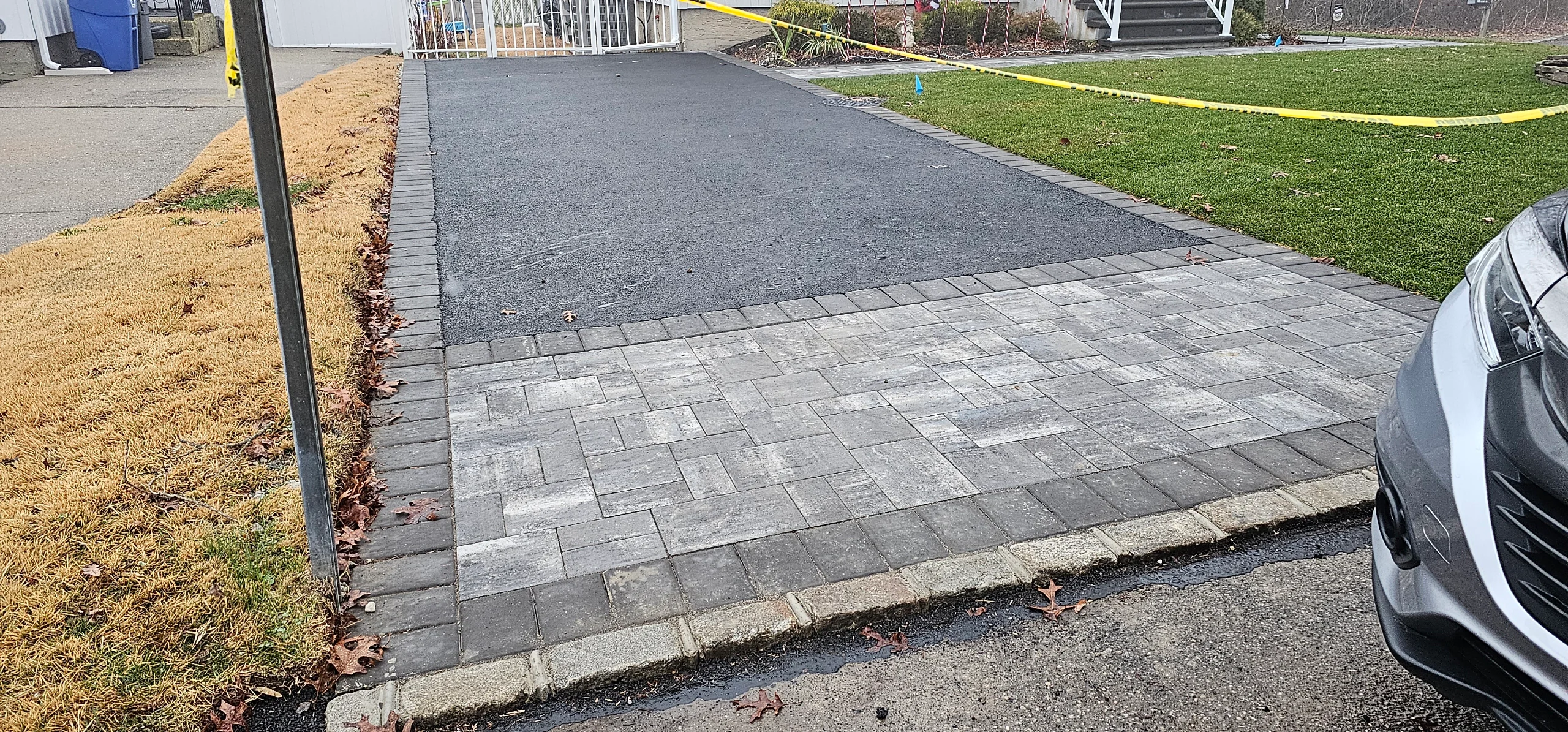
Most concrete curb installations take one to two days, depending on the length and site conditions. The first day involves excavation, base preparation, and setting forms. The second day is for pouring, finishing, and initial curing.
Weather affects the timeline. If we’re expecting rain or temperatures below 40°F, we’ll reschedule rather than rush a pour that won’t cure properly. Blue Point’s coastal weather can be unpredictable, so we build flexibility into our scheduling.
The concrete needs about seven days to cure before you can drive on it. We’ll mark the area clearly and give you specific instructions on when it’s safe to use. Rushing this step causes cracking and premature failure—it’s not worth it.
Cracking usually comes down to three issues: poor base preparation, inadequate drainage, or using concrete that’s too thin for the load it’s carrying.
Suffolk County’s sandy soil is the main culprit. If the base wasn’t compacted properly during installation, the soil shifts and settles unevenly. That creates voids under the concrete, which leads to cracking when vehicles drive over it. You can’t fix this with a surface patch—you need to remove the failed section and rebuild the base correctly.
Drainage is the second issue. If water pools under your driveway apron, it erodes the base material and causes the same settling problem. Belgian block driveway aprons help with this because they’re designed to channel water away from the surface. But they only work if the grading underneath is correct.
Finally, thickness matters. A driveway apron needs to be at least four inches thick, and in some cases six inches if you have heavier vehicles. Skimping on concrete thickness to save money guarantees you’ll be repairing it sooner than you should.
Concrete flatwork refers to poured concrete surfaces like sidewalks, patios, and driveways. Masonry flatwork typically means surfaces built with individual units—pavers, bricks, or stone—set on a prepared base.
Both have their place in Blue Point properties. Poured concrete is faster to install and creates a smooth, uniform surface. It’s ideal for sidewalk repair or areas where you need a clean, modern look. The downside is that if one section fails, repairs are more noticeable.
Masonry flatwork using pavers or stone offers more flexibility. If one paver cracks or settles, you can replace just that unit without disturbing the rest. It also handles freeze-thaw cycles better because the joints between units allow for slight movement. The tradeoff is higher upfront cost and more complex installation.
For most Blue Point homeowners, the choice comes down to budget and aesthetics. We’ll walk you through both options during the consultation and explain which makes more sense for your specific project and property conditions.
It depends on the scope of work. Minor repairs—patching small cracks or replacing a single section of sidewalk—typically don’t require a permit. But if you’re replacing an entire sidewalk or changing the grade, you’ll need to check with the Town of Brookhaven’s building department.
We handle permit applications as part of our service when they’re required. This ensures the work meets local codes and protects you if there’s ever a question about compliance. It also means inspections are scheduled correctly and you’re not dealing with bureaucracy on your own.
Skipping permits when they’re required creates problems down the line. If you ever sell your home, unpermitted work can complicate the sale or require expensive corrections. It’s not worth the risk to save a permit fee.
We’ll let you know upfront if your project needs a permit. If it does, we factor that timeline into the schedule so there are no surprises.
Drainage is the most important part of any concrete project in Blue Point. We address it during the site assessment before we even talk about pouring concrete.
First, we identify where water is currently going and where it needs to go. That means looking at the natural slope of your property, checking for low spots, and figuring out if water is flowing toward your foundation or pooling in problem areas. Blue Point’s high water table makes this step critical—water that can’t escape will cause problems no matter how well we install the concrete.
Next, we create the proper grade. For surfaces near your home, that’s typically a 2-5% slope away from the foundation. We use laser levels and professional grading equipment to ensure the slope is consistent across the entire surface. Eyeballing it doesn’t work—you need precision.
In some cases, we’ll recommend additional drainage solutions like French drains or catch basins. If your property has severe drainage issues, concrete alone won’t solve them. We’ll be honest about what’s needed rather than installing concrete we know will fail in a few years.
Belgian block aprons create a clean transition between the street and your driveway while solving a drainage problem most homeowners don’t realize they have. That transition point is where water tends to pool, especially after street runoff flows onto your property.
The blocks are set at a precise angle that directs water away from your driveway and toward the street or drainage system. This prevents water from flowing under your driveway surface, which is what causes base erosion and eventual failure. It’s functional first, attractive second.
They also increase property value in Blue Point’s market. Homes with well-maintained exteriors and professional hardscaping details sell faster and for more money. Real estate agents know that buyers notice these details during showings—it signals that the home has been cared for properly.
The installation requires precision. Each block needs to be set at the correct height and angle, with proper base preparation underneath. Done wrong, they settle unevenly and create the same drainage problems they’re supposed to solve. Done right, they last decades and require minimal maintenance.
Other Services we provide in Blue Point