
Hear from Our Customers

You get drainage that works. Water moves away from your foundation instead of pooling against it, which matters in Bellport where clay soil and coastal weather create real problems if the grading isn’t right.
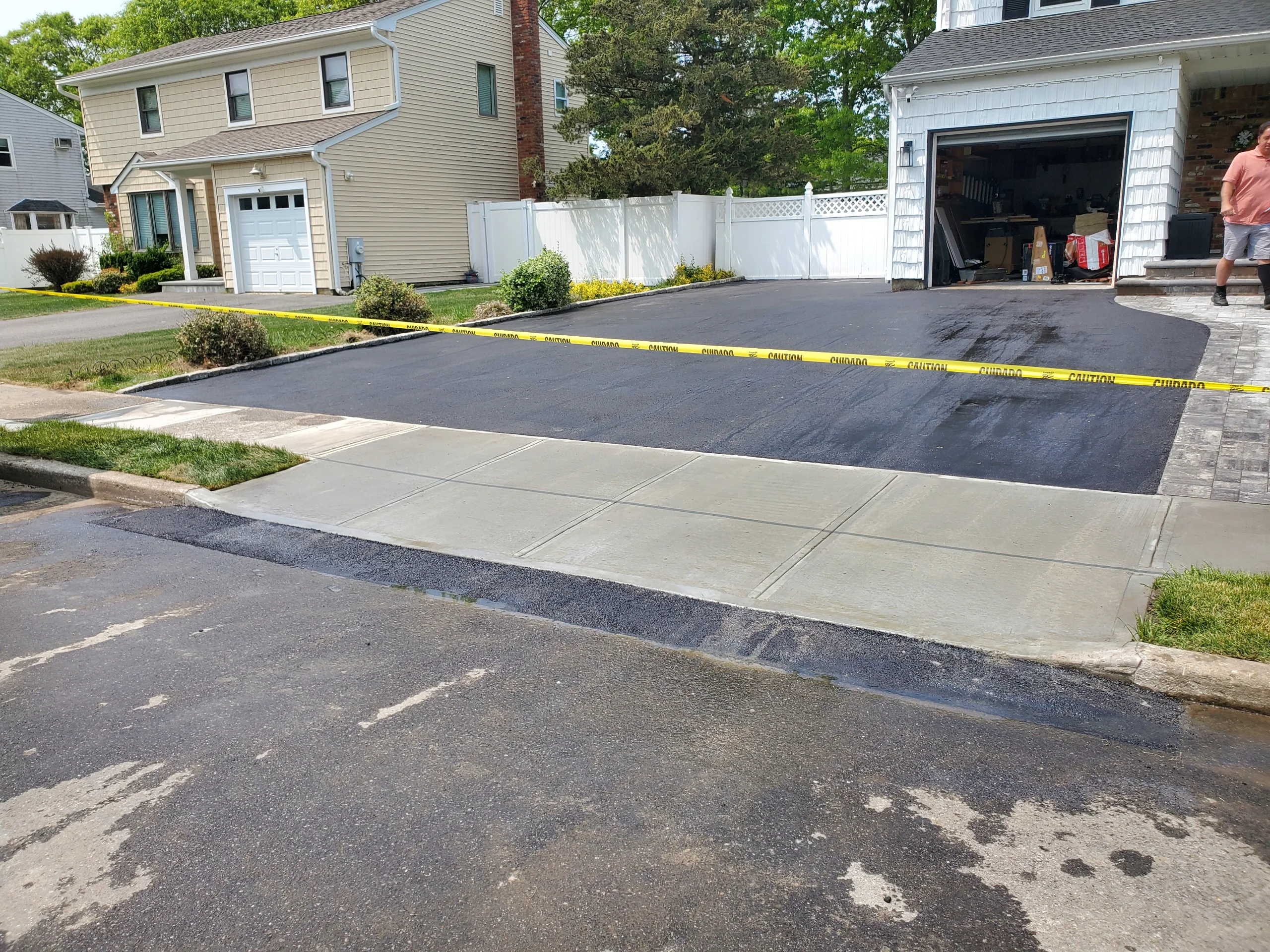
Your driveway apron stops cracking at the edges. Belgian block installation protects asphalt from plow damage and gives you that estate-quality look that buyers notice in neighborhoods where the median home price sits around $750,000.
Sidewalks become safe again. No more liability risk from uneven concrete that could cost you thousands if someone gets hurt. And if you’re dealing with a DOT violation notice, you’re looking at repairs that need to happen fast—usually within 10 days when the damage poses immediate danger.
The work lasts. Properly installed concrete curbing and masonry flatwork don’t need constant maintenance. Individual sections can be replaced if needed, but you’re not redoing entire surfaces every few years like you would with poorly executed work.
We’ve been handling concrete and masonry work across Suffolk County long enough to understand what fails here and why. Long Island’s freeze-thaw cycles, salt air, and soil conditions aren’t forgiving to concrete that wasn’t installed correctly from the start.
We’re based in Smithtown and work throughout Bellport, handling everything from Belgian block driveway aprons to full concrete grading and prep. Our team uses excavators, bulldozers, and laser levels to make sure the slope is exactly where it needs to be—typically 2-5% away from structures, which translates to about 6 inches of drop for every 10 feet.
You’ll get clear pricing upfront, no surprises mid-project, and work that’s done right the first time. We’re licensed and insured, and we keep you updated throughout the job because most people want to know what’s happening on their property.

We start with a site assessment. That means looking at your property’s current drainage patterns, soil conditions, and where water naturally wants to go. We use transit equipment and laser levels to identify problems you can’t see—like areas where water’s pooling underground or slopes that look fine but are actually directing moisture toward your foundation.
Next comes the prep work. For concrete curb installation or Belgian block aprons, we excavate to the right depth and compact the base properly. This isn’t optional—Long Island’s soil shifts, and without proper compaction, you’ll see settling and cracking within a couple years. We install drainage pipes and perimeter trenches where needed to direct water away from the work area.
Then we pour or set the concrete and masonry. For flatwork, we maintain minimum gradients of 1/4 inch per foot for proper drainage. Belgian blocks get set in a concrete base with tight joints so they don’t shift when plows hit them in winter. Everything’s graded to move water where it needs to go.
Final grading happens after the concrete cures. We make sure surrounding areas tie in properly so you don’t end up with new drainage problems. You’ll see the difference immediately—water moves away from structures, surfaces are level and safe, and the finished look is clean.

Ready to get started?
Concrete curb installation creates defined edges for driveways and landscaping while managing water runoff. In Bellport, where properties often sit on clay soil that doesn’t drain naturally, proper curbing prevents erosion and keeps your driveway base from washing out during heavy rain.
Belgian block driveway aprons are popular here for good reason. They protect the transition between your driveway and the street from plow damage, they don’t crack like poured concrete, and they add significant curb appeal. Buyers in areas like Bellport expect premium finishes, and Belgian block delivers that estate-quality appearance.
Sidewalk repair addresses liability before it becomes a lawsuit. Cracked or uneven concrete puts you at risk if someone trips and gets injured on your property. We handle everything from small section replacements to full sidewalk reconstruction, making sure the new work matches existing surfaces and meets local codes.
Masonry flatwork includes patios, walkways, and retaining walls. These need proper foundation work in Suffolk County’s climate—freeze-thaw cycles will destroy improperly installed masonry within a few seasons. We build for longevity, using techniques that account for ground movement and moisture.
Grading and site prep is where most concrete problems start. If the ground isn’t sloped correctly before concrete goes down, you’ll fight drainage issues forever. We handle full site grading with heavy equipment, creating proper slopes and installing subsurface drainage where needed.
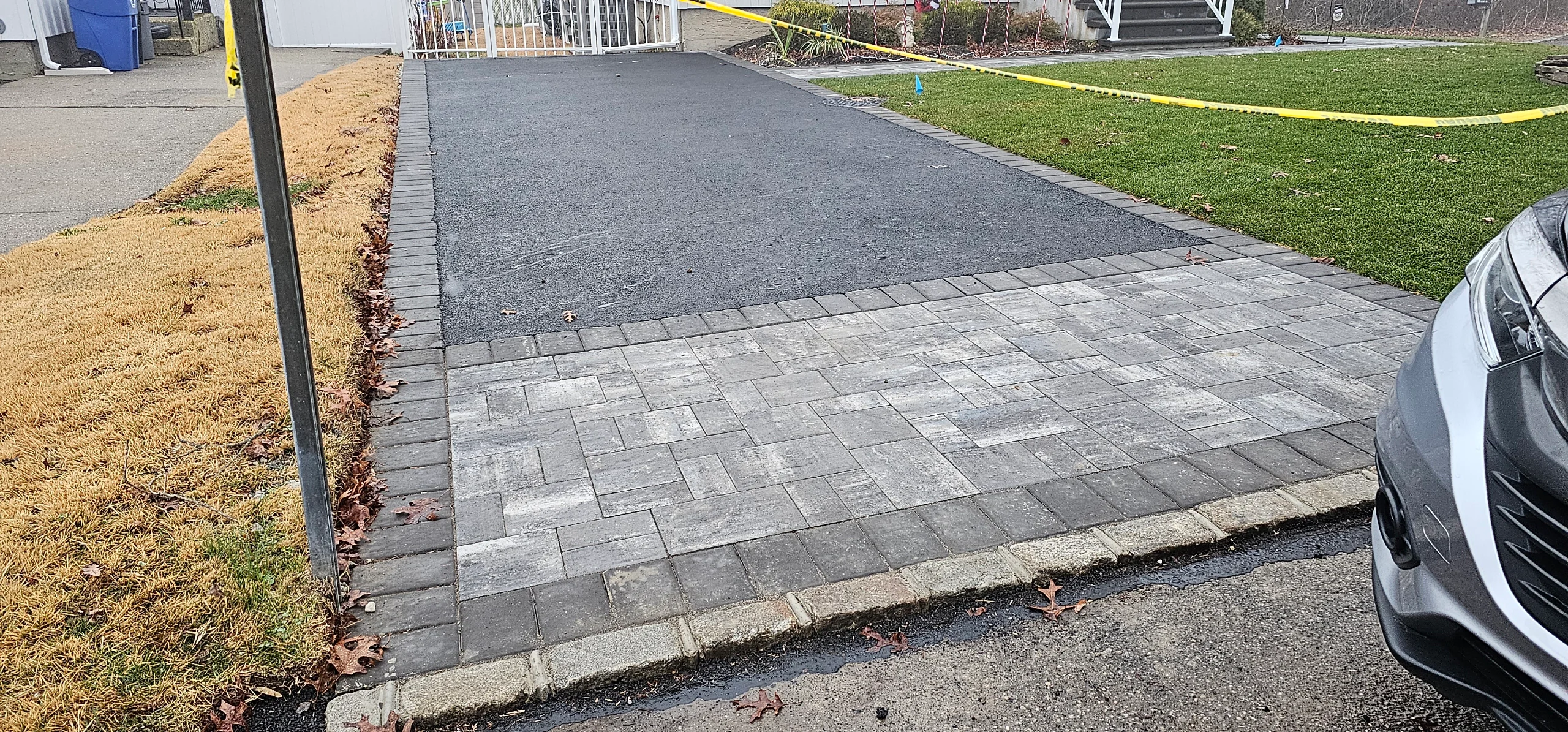
Belgian block apron installation typically runs higher than standard concrete work, but you’re paying for materials that last decades and protect your driveway investment. The cost depends on the apron’s width, the condition of the existing base, and whether we need to address drainage issues before installation.
Most Bellport driveways need aprons that are 10-15 feet wide. We excavate the existing material, install a proper compacted base, pour a concrete foundation, and set the Belgian blocks with tight joints. The blocks themselves are more expensive than poured concrete, but they don’t crack when plows hit them, and individual blocks can be replaced if one gets damaged.
You’ll also avoid the ongoing maintenance costs that come with standard concrete aprons. Those crack at the street transition, require sealing, and often need replacement every 10-15 years. Belgian block installations done right last 50+ years with minimal maintenance. In neighborhoods where homes sell for $700,000+, that kind of permanent curb appeal adds measurable value.
Concrete surfaces need a minimum slope of 1/4 inch per foot—that’s 2%—to drain properly. For areas around your foundation, you want 2-5% slope away from the structure, which works out to about 6 inches of drop over 10 feet. This isn’t negotiable in Bellport where clay soil and coastal weather create drainage problems fast.
We use laser levels and transit equipment to verify slopes during installation. Even small errors compound over distance—a surface that looks level might actually be directing water toward your foundation instead of away from it. That’s how you end up with basement moisture, foundation cracks, and expensive repairs down the road.
Pervious surfaces like gravel or pavers need steeper slopes, usually around 1/2 inch per foot, because water moves through them differently. And subsurface drains that we install around foundations need at least 0.10% grade to function. These are technical details that matter—get them wrong and the drainage system doesn’t work no matter how good the surface looks.
Most residential concrete projects in Bellport take 3-7 days depending on scope and weather. A Belgian block apron installation might take 3-4 days—one day for excavation and base prep, one day for the concrete foundation to cure, and 1-2 days for setting the blocks and final grading.
Sidewalk repair is usually faster if we’re replacing individual sections. We can often complete that work in 1-2 days. Full sidewalk replacement takes longer because we need to excavate, address any underlying drainage issues, and ensure proper curing time before the surface can handle foot traffic.
Larger projects like driveway installation or extensive site grading can take a week or more. We’re moving significant amounts of material, compacting base layers properly, and making sure drainage systems are installed correctly. Rushing this work creates problems—improperly compacted bases settle, drainage fails, and you end up paying for repairs within a couple years. We’d rather take the time to do it right than have you call us back to fix preventable issues.
Most concrete work requires permits in Suffolk County, especially if you’re doing sidewalk repairs adjacent to public streets or making changes to drainage patterns. The town wants to ensure work meets code requirements for slope, drainage, and structural integrity.
Sidewalk repairs are particularly important to permit properly because property owners are legally responsible for maintaining those surfaces. If someone gets injured on a sidewalk you repaired without proper permits, you could face liability issues on top of code violations. DOT violations for damaged sidewalks come with tight deadlines—sometimes just 10 days to complete repairs when the damage poses immediate danger.
We handle permit applications as part of our service. We know what the local building department requires, what inspections are needed, and how to document the work properly. This protects you if there are ever questions about the installation, and it ensures the work meets all local requirements for drainage and structural standards. Skipping permits might seem like it saves time, but it creates risk that’s not worth taking.
Quality concrete and masonry work increases property value in Bellport’s market, especially Belgian block installations and professional drainage solutions. When homes in your area are selling for $700,000-$750,000, buyers expect properties to look maintained and function properly. Cracked driveways, uneven sidewalks, and obvious drainage problems are red flags that hurt your sale price.
Belgian block aprons specifically add value because they signal quality. They’re a premium feature that buyers in Suffolk County recognize and appreciate. The same goes for properly installed concrete curbing, professional flatwork, and drainage systems that actually work. These aren’t just cosmetic upgrades—they’re functional improvements that protect the property’s foundation and structure.
Poor concrete work does the opposite. Buyers see drainage problems and factor in repair costs when making offers. Home inspectors call out cracked concrete, uneven surfaces, and water pooling near foundations. You’ll either need to address these issues before listing or accept lower offers from buyers who plan to fix them. Doing the work right from the start costs less than dealing with it during a sale when you have no negotiating leverage.
Concrete work involves pouring and finishing cement-based material—things like driveways, sidewalks, curbing, and foundation slabs. It’s mixed on site or delivered ready to pour, then shaped and finished while it’s still workable. The strength comes from proper mix ratios, adequate curing time, and correct installation techniques like proper base preparation and reinforcement.
Masonry work involves setting individual units—bricks, blocks, stone, or Belgian blocks—using mortar or concrete as a binding material. This includes retaining walls, stone walkways, brick patios, and Belgian block aprons. Each unit is placed individually, which takes more time but creates surfaces where damaged sections can be replaced without redoing the entire installation.
Both require understanding Bellport’s specific conditions. Concrete needs proper slope for drainage and reinforcement to handle freeze-thaw cycles. Masonry needs foundations that account for ground movement and joints that allow for expansion without cracking. We handle both because many projects need a combination—like Belgian block aprons that require a poured concrete base, or retaining walls that need concrete footings. The technical knowledge overlaps, and doing both types of work means we can recommend the right solution for your specific situation instead of forcing everything into one approach.
Other Services we provide in Bellport