
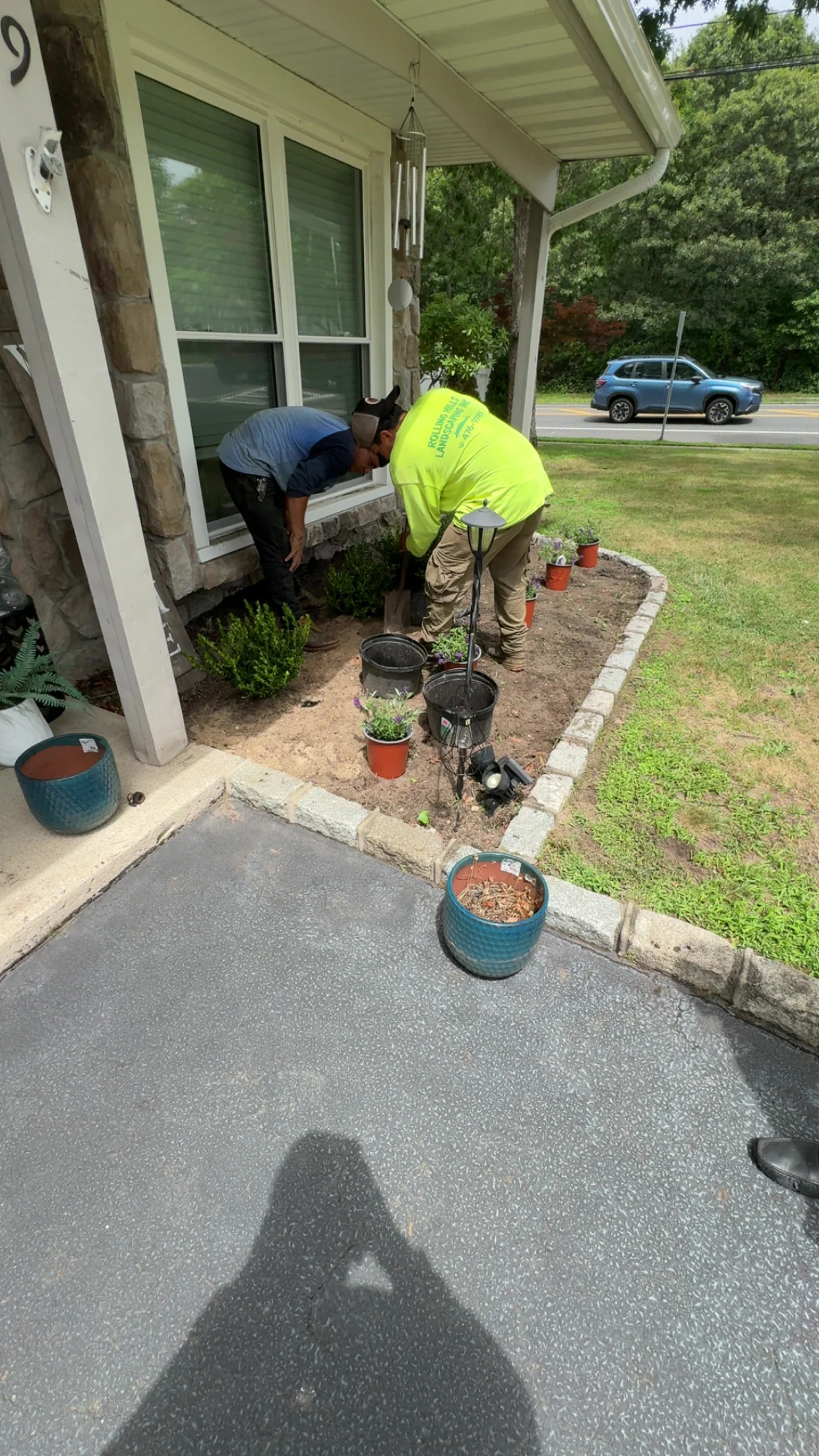
Hear from Our Customers

You’ve pulled the same weeds three times this month. They keep coming back because the roots are still there, spreading underneath your mulch and choking out the perennials you spent good money on.
Here’s what changes when weeds are removed correctly. Your garden beds stay cleaner for months, not weeks. The plants you want to keep get the water, nutrients, and space they need to fill in properly. Your property looks maintained without you spending every Saturday bent over with a hand trowel.
Dense suburban garden beds like the ones throughout Islip neighborhoods need more than surface pulling. Crabgrass, dandelions, and other persistent weeds have root systems that go deep into Suffolk County’s sandy soil. When those roots stay in the ground, you’re just trimming the top off a problem that’s going to pop back up as soon as it rains.
Manual weed removal done right means pulling from the base with the entire root system intact. It means knowing which weeds to pull when, and which ones need different treatment. It means your beds look better longer, and you’re not stuck in a cycle of constant maintenance that never actually solves anything.
We’ve been maintaining properties across Suffolk County long enough to know exactly what you’re dealing with in Islip. The sandy glacial soil that drains fast in some spots and holds water in others. The acidic conditions that let moss creep in if you’re not careful. The salt air that drifts in and affects what thrives and what struggles.
We’re not a national franchise following a script. We’re a locally owned company based in Smithtown that understands Long Island’s growing conditions because we work in them every day. Fully licensed and insured, with crews trained to recognize weed species, growth patterns, and the right removal techniques that don’t tear up your existing plants.
When we say we specialize in meticulous hand-pulling to protect local perennials, that’s not marketing language. That’s how we work. Your hostas, daylilies, and ornamental grasses stay intact while the weeds around them get removed at the root level.

First, we assess what’s actually growing in your garden beds. Not all green plants are weeds, and not all weeds need the same approach. We identify what needs to go and what needs to stay so nothing gets pulled by mistake.
Then we start with manual removal. For larger weeds like dandelions and thistles, we pull from the base to extract the entire root system. For spreading weeds like crabgrass, we trace the root network and remove it completely so it doesn’t regenerate from fragments left behind. We use commercial-grade tools that get deeper than standard garden equipment, reaching root systems that typical hand-pulling misses.
After removal, we clear debris and evaluate whether your beds need mulch replenishment. Fresh mulch blocks sunlight from reaching weed seeds in the soil, which prevents new growth from starting. If you’re interested in pre-emergent treatments, we can talk about timing those applications when soil temperatures hit the right range, usually early spring and fall.
You’ll see immediate results after we finish. Beds look cleaner, plants have room to breathe, and you’re not staring at the same weeds you pulled last week. We can set up seasonal visits to keep beds maintained year-round, or handle one-time cleanups if that’s what your property needs right now.

Ready to get started?
You get complete manual weed removal from all garden beds, with careful hand-pulling that protects the perennials and ornamental plants you’re keeping. We remove weeds at the root level, not just at the surface, so they don’t grow back in a week.
We haul away all debris. You don’t have to bag anything or figure out where to dump it. If your beds need mulch after weeding, we can apply fresh mulch to suppress future weed growth and give your beds a finished look. Mulching also helps with moisture retention in Islip’s sandy soil, which means less watering and healthier plants overall.
For properties with recurring weed problems, we offer seasonal maintenance programs that include spring cleanup, summer touch-ups, and fall preparation. Early spring weeding stops weeds before they spread seeds across your beds. Fall weeding clears out root systems before they go dormant for winter, which reduces what comes back next year.
We also provide organic and eco-friendly options if you prefer treatments that are safe for pets, kids, and local ecosystems. Compost-based fertilizers and natural weed barriers work well in Suffolk County’s soil conditions and align with the more sustainable approach a lot of Islip homeowners are moving toward.
If you’ve got specific concerns—like protecting salt-tolerant plants near the water, or managing beds with heavy clay pockets that hold moisture—we adjust our approach based on what your property actually needs, not a one-size-fits-all plan.

We use manual removal techniques that target the weed at its base, pulling the entire root system out without disturbing surrounding plants. This isn’t a spray-and-pray approach where everything in the area gets hit with herbicide. It’s careful, hands-on work.
Our crews are trained to recognize the difference between perennials, ornamental grasses, groundcovers, and actual weeds. Before we pull anything, we identify what’s supposed to be there. That way, your hostas don’t get yanked out along with the crabgrass growing next to them.
For beds with dense plantings—common in Islip’s established neighborhoods—we work slowly and deliberately. We trace root systems underground to make sure we’re removing the weed and not tearing through the roots of plants you want to keep. It takes more time than rough clearing, but your beds stay intact and healthy.
The main difference is whether the roots actually come out. Most homeowners pull the visible part of the weed, but the root system stays in the ground and regrows within days. Professional removal means extracting the entire root so the weed doesn’t come back.
We also use commercial-grade tools that reach deeper than standard garden equipment. Dandelions, for example, have taproots that can go down eight to ten inches in Suffolk County’s sandy soil. A hand trowel might get the top few inches, but the rest of the root stays put and sends up new growth. Our tools get the whole thing.
Timing matters too. We know when to target specific weeds based on their growth cycles. Crabgrass is easier to control before it sets seed in late summer. Perennial weeds like thistle are best removed in early spring or late fall when they’re putting energy into root growth. Pulling at the wrong time just spreads the problem.
It depends on how aggressive your weed problem is and how much time you want to spend maintaining your beds yourself. Most Islip properties benefit from professional weeding two to four times per year—early spring, mid-summer, early fall, and sometimes a late fall cleanup.
Spring weeding catches new growth before weeds spread seeds across your beds. Summer maintenance handles anything that pops up during peak growing season. Fall weeding removes root systems before they go dormant, which reduces what comes back next spring.
If your beds have heavy weed pressure—like a lawn full of crabgrass that’s creeping into your plantings, or dandelions that have been spreading for years—you might need more frequent visits at first to get ahead of the problem. Once your beds are under control, you can usually scale back to seasonal maintenance and spot treatments as needed.
Our primary method is manual weed removal, which means hand-pulling with complete root extraction. No herbicides, no sprays, just physical removal of the weed and its root system. This approach works well for homeowners who prefer organic methods or have pets and kids playing in the yard.
That said, some weed problems respond better to targeted treatments. If you’ve got a large crabgrass infestation or persistent perennial weeds that keep coming back despite repeated pulling, we can discuss pre-emergent or post-emergent options that prevent new growth or kill existing root systems. These treatments are applied carefully and only where needed.
We also offer organic and eco-friendly alternatives if you want weed control without synthetic chemicals. Compost-based fertilizers, natural mulch barriers, and soil amendments can suppress weed growth while improving your soil quality. We’ll walk through what makes sense for your property and your preferences before we do anything.
Complete prevention isn’t realistic—weed seeds blow in from neighboring properties, hide in mulch, and sit dormant in soil for years—but we can drastically reduce how many weeds grow and how often you’re dealing with them.
Removing the entire root system is the first step. When roots stay in the ground, weeds regrow quickly. When roots come out, that specific weed is gone for good. The challenge is new seeds germinating from the soil or blowing in on the wind.
That’s where mulch and pre-emergent treatments come in. A fresh layer of mulch blocks sunlight from reaching weed seeds, which prevents them from sprouting. Pre-emergent treatments create a barrier in the soil that stops seeds from germinating when conditions are right. Applied in early spring and fall, these treatments catch weeds before they ever break the surface.
Seasonal maintenance also helps. Regular weeding keeps new growth from establishing deep root systems and spreading seeds across your beds. The more consistent the maintenance, the fewer weeds you’ll see over time.
Cost depends on the size of your garden beds, how severe the weed problem is, and whether you need one-time cleanup or ongoing seasonal maintenance. A small property with light weed pressure costs less than a large property with beds that haven’t been maintained in years.
We provide clear, upfront quotes after assessing your property. No surprise fees, no vague estimates that change when the work is done. You’ll know exactly what you’re paying for before we start.
One-time cleanups handle immediate problems and get your beds back to a manageable state. Seasonal maintenance programs spread the cost across the year and keep your property consistently maintained without large one-off bills. Most homeowners find that regular maintenance ends up costing less over time because we’re catching weeds early instead of dealing with major infestations that take hours to clear.
If you want to know what your property would cost, reach out and we’ll schedule a quick walkthrough. No pressure, no sales pitch—just a straightforward assessment and a quote based on what your beds actually need.
Other Services we provide in Islip