Long Island winters demand smart preparation. Discover practical snow removal strategies and winter property protection tips for Suffolk County homeowners.
Share:
Summary:
Snow looks harmless until it starts causing problems. On Long Island, those problems show up fast.
Ice dams form when warm air from your home melts roof snow. That water runs down, hits the cold eave, and refreezes. The ice builds up, blocks proper drainage, and forces water back under your shingles. You end up with leaks, ceiling stains, and potential mold growth. Clogged gutters make this worse by trapping water that has nowhere to go.
Frozen pipes are another common winter headache. When temperatures drop below freezing, water inside your pipes expands. That pressure can crack pipes or blow them apart completely, flooding your property with hundreds of gallons of water. Exterior faucets and pipes in unheated spaces like garages face the highest risk.
Then there’s the weight issue. Heavy snow accumulation stresses your roof structure, especially on flat or low-pitched roofs common in Suffolk County. Most roofs handle around 20 pounds per square foot, but when storms stack up before the last one melts, you can exceed that limit. Watch for doors that suddenly stick, cracks in drywall, or creaking sounds after heavy snowfall.
Ice dams don’t just appear randomly. They follow a predictable pattern that starts in your attic.
When your home’s heat escapes into a poorly insulated attic, it warms the roof deck. Snow on that warm section melts, even when outside temperatures stay below freezing. The melted water flows downward until it reaches the eave—the part of your roof that extends past your home’s heated interior. There, it refreezes.
As this cycle repeats, ice builds up along your roof edge. The ice acts like a dam, blocking the path for new meltwater. That trapped water has to go somewhere, so it backs up under your shingles. Once water gets past your roof’s protective barrier, it seeps into your attic, soaks your insulation, stains your ceilings, and drips down your walls.
The damage compounds over time. Wet insulation loses its effectiveness, driving up your heating costs. Moisture trapped in your walls and ceiling creates ideal conditions for mold growth. If the problem continues unchecked, you’re looking at damaged drywall, ruined paint, and potentially compromised structural wood.
Prevention makes more sense than repair. Keep your attic properly insulated to prevent warm air from reaching the roof deck. Ensure adequate ventilation so any heat that does escape gets vented outside. Clean your gutters before winter so meltwater can drain properly. Some homeowners install water-repellent membranes under their shingles as an extra barrier.
If you spot an ice dam forming, use a roof rake to carefully remove snow from your roof’s edge. Work from the ground—never climb onto an icy roof. The goal isn’t to clear all the snow, just enough to relieve pressure and allow drainage. For persistent problems or large ice dams, call in professionals who have the equipment and experience to handle removal safely.
Long Island’s freeze-thaw cycles make ice dams particularly common here. One day brings temperatures in the 40s that melt snow. The next night drops into the teens and refreezes everything. That pattern creates perfect conditions for ice dam formation, which is why Suffolk County homeowners need to stay vigilant with winter property maintenance throughout the season.
Burst pipes rank among the most expensive winter property disasters. The damage happens fast, and the repair costs add up even faster.
Water expands when it freezes. That’s basic physics, but the consequences aren’t small. When water inside your pipes turns to ice, it creates tremendous pressure. That pressure can crack copper pipes, split plastic ones, or blow apart pipe joints. Once the ice melts, water pours out of those breaks, flooding whatever space the pipes run through.
Exterior faucets face the highest risk because they’re directly exposed to freezing air. Before winter hits, disconnect all garden hoses, shut off the water supply to outdoor faucets, and drain any remaining water from the lines. Insulate the faucets themselves with foam covers designed for this purpose.
Pipes in unheated areas come next on the risk list. Basements, crawl spaces, garages, and exterior walls can all drop below freezing during cold snaps. Wrap these pipes in insulation sleeves or heat tape. The investment is minimal compared to flood damage repair costs.
During extreme cold, let your faucets drip slightly. Moving water is much harder to freeze than standing water. The small amount of wasted water costs far less than emergency plumbing repairs. Open cabinet doors under sinks to allow warm air circulation around pipes.
If you’re leaving town during winter, don’t just turn down your heat and hope for the best. Either keep your thermostat at a safe temperature (at least 55 degrees) or shut off your main water supply and drain all fixtures. A frozen house is one thing. A flooded house is another level of disaster entirely.
Watch for warning signs that pipes might be freezing. If you turn on a faucet and only get a trickle, ice might be blocking the line. If you smell sewage, frozen drain pipes could be preventing proper venting. Strange sounds from your plumbing system often signal trouble developing.
Suffolk County’s coastal location creates unique challenges. Salt air can corrode metal pipes over time, making them more vulnerable to freeze damage. Regular inspections help catch problems before winter weather makes them worse. Pay extra attention to flashing around chimneys, skylights, and vents, as these areas are prone to deterioration from Long Island’s weather conditions.
When pipes do freeze, act quickly. Remove insulation from the frozen section and wrap the pipe in rags. Open all faucets connected to that line. Pour hot water over the pipe, starting from the end closest to the faucet and working toward the frozen section. Never use open flames or high-heat devices like blowtorches. The fire risk isn’t worth it, and you can damage the pipe even more.
Prevention beats emergency response every time. A few hours of winterization work in the fall saves thousands in potential damage costs and the massive headache of dealing with a flooded property in the middle of winter.
Want live answers?
Connect with a Rolling Hills Property Services Inc expert for fast, friendly support.
You have options when snow starts falling. Understanding what each approach actually involves helps you make the right call for your situation.
DIY snow removal works for some properties and some people. If you have a small driveway, you’re in good physical condition, and you don’t mind the work, handling light snowfall yourself makes sense. You’ll need proper equipment—an ergonomic shovel at minimum, maybe a snow blower for larger areas. Budget for ice melt products, and plan to spend time clearing snow during and after each storm.
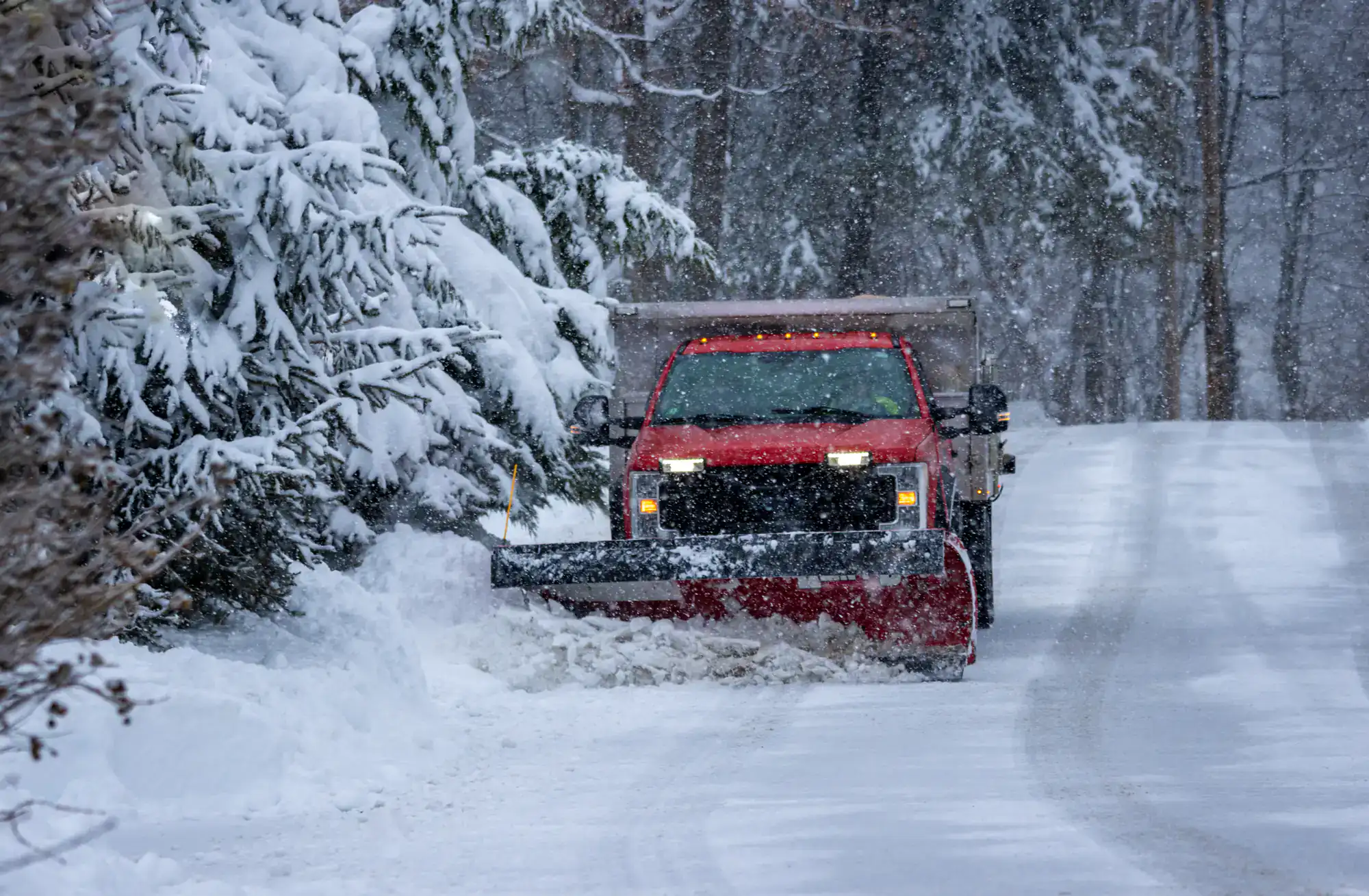
Professional snow removal services handle everything for you. We show up with commercial-grade equipment, clear your property efficiently, and apply de-icing treatments to prevent slippery conditions. You wake up to a clear driveway without lifting a shovel. The trade-off is cost, though many Suffolk County homeowners find the investment worthwhile for the time saved and physical strain avoided.
The real decision comes down to your specific circumstances. Large properties, frequent heavy snowfall, physical limitations, and time constraints all push toward professional help. Small properties, occasional light snow, tight budgets, and a willingness to do the work yourself favor the DIY approach.
Some situations are perfect for handling snow removal yourself. Knowing when you can manage it saves money and gives you control over timing.
Light, fluffy snow is easiest to clear. If you’re dealing with a few inches of fresh powder, a good shovel and some elbow grease get the job done quickly. Start early, before people walk on it or cars pack it down. Push the snow rather than lifting it when possible—your back will thank you later.
Small properties make DIY practical. A single-car driveway and a short walkway don’t take long to clear, even with basic tools. You can knock out the work in 30 minutes and move on with your day. Larger properties change the equation significantly, turning what should be quick work into an all-day project.
Physical capability matters more than most people admit. Shoveling snow is genuinely hard work. It stresses your back, shoulders, and cardiovascular system. If you’re in good shape and know proper lifting techniques, you can handle it safely. If you have any health concerns, chronic pain, or you’re not used to heavy physical labor, the risk isn’t worth it.
Timing flexibility is another factor. Snow doesn’t wait for convenient moments. It falls overnight, during work hours, and on weekends when you have other plans. If you can clear snow whenever it falls, DIY works. If your schedule is packed and you can’t guarantee availability, you need a backup plan.
Equipment investment pays off over time if you’re committed to DIY. A quality snow blower costs several hundred dollars upfront but lasts for years. Compare that to paying for professional service every storm. For some homeowners, the math works out. For others, especially those who might only use the equipment a few times per winter, it doesn’t.
Safety techniques make DIY snow removal much less risky. Use an ergonomic shovel with a curved handle. Dress in layers and wear boots with good traction. Warm up your muscles before starting, just like you would before any physical activity. Take frequent breaks, stay hydrated, and listen to your body. If you feel chest pain, excessive shortness of breath, or severe muscle strain, stop immediately.
Push snow instead of lifting whenever possible. When you must lift, bend your knees, keep your back straight, and use your leg muscles. Don’t twist your torso while holding a loaded shovel. Take small amounts rather than trying to move huge loads at once. These techniques prevent the back injuries that send thousands of people to emergency rooms every winter.
Know your limits and respect them. There’s no shame in calling for help when a storm dumps more snow than you can safely handle. Many Long Island homeowners use a hybrid approach—clearing light snowfall themselves and hiring professionals for major Nor’easters. That strategy balances cost savings with practical reality.
Professional services cost more than DIY, but they deliver benefits that go beyond just having someone else do the work.
Speed and efficiency make a real difference. Professional crews use commercial-grade plows, snow blowers, and spreaders that clear large areas in a fraction of the time you’d spend with a shovel. We can handle your entire property—driveway, walkways, front steps, and any other areas you specify—while you’re still drinking your morning coffee. That time savings adds up over a winter season.
Reliability matters when you have places to be. Professional services monitor weather forecasts and deploy crews proactively. Many operate 24/7 during storms, ensuring your property gets cleared regardless of when snow falls. You don’t have to worry about waking up early to shovel before work or rushing home to clear the driveway before it gets dark.
Safety is a major consideration that often gets overlooked. Professionals know how to remove snow without damaging your property. We understand proper plowing techniques that won’t tear up your driveway or lawn. We apply de-icing products correctly, using the right amounts to prevent slipping without harming your landscaping or concrete. We have the equipment to safely remove snow from roofs and other difficult areas without risking falls or injuries.
Liability protection provides peace of mind. When you hire a licensed and insured company, you transfer the risk of injury and property damage to us. If a crew member gets hurt on your property, our insurance covers it. If our equipment damages something, we’re responsible for repairs. Compare that to DIY, where you bear all the risk yourself, or hiring an uninsured individual who might sue you if they get injured.
Consistent results come from experience and professional-grade tools. Professional crews deal with snow every day during winter. We know how to handle different types of snow, from light powder to heavy wet snow to ice. We understand local conditions and can adjust our approach based on what Long Island weather throws at us. That expertise delivers better outcomes than trial-and-error DIY efforts.
Seasonal contracts offer predictable costs and guaranteed service. Instead of paying per storm and wondering if your regular crew will be available, you lock in pricing for the entire winter. We prioritize contract customers, ensuring you get cleared quickly even during major storms when demand spikes. You budget once and stop worrying about snow removal for the season.
Physical strain elimination is worth real money to many homeowners. Snow removal is hard, potentially dangerous work. Professional services mean you never have to shovel, never risk throwing out your back, never worry about heart strain from overexertion. You stay warm inside while someone else handles the cold, wet, physically demanding work.
For larger properties, commercial spaces, or situations where accessibility is critical, professional snow removal often becomes the only practical option. The combination of speed, reliability, safety, and expertise justifies the cost for many Suffolk County homeowners and property managers. You’re not just paying for labor—you’re paying for peace of mind, time savings, and protection against the multiple risks that come with winter weather and property damage.
Winter preparation isn’t about paranoia. It’s about protecting your investment and avoiding preventable problems.
Start with the basics. Clean your gutters so meltwater can drain properly. Check your attic insulation and ventilation to prevent ice dams. Protect your pipes, especially in unheated areas and exterior faucets. Trim tree branches that could break under snow weight and damage your roof or power lines. These steps take a few hours in the fall and prevent thousands in potential damage.
Decide on your snow removal approach before the first storm hits. If you’re going DIY, get your equipment ready now. If you’re hiring professionals, book early—the best companies fill up fast once winter arrives. Many homeowners find that a combination works best, handling light snow themselves and having a professional service on call for major storms.
At Rolling Hills Property Services Inc, we understand what Long Island properties face each winter. Based in Smithtown and serving all of Suffolk County, we bring local expertise to comprehensive property maintenance, from routine lawn care to winter preparation and snow removal. Licensed, insured, and committed to transparent pricing and quality workmanship, we help homeowners protect their properties year-round. When you need reliable help preparing for winter or managing snow removal, having a trusted local partner makes all the difference.
Article details:
Share:
Continue learning: