Seasonal cleanup isn't just about appearance—it's about preparing your lawn to survive Suffolk County's extreme temperatures and emerge stronger each season.
Share:
Summary:
Every season leaves something behind. Winter brings dead grass, fallen branches, and compacted areas from snow and ice. Summer stress creates brown patches and thatch buildup. Fall drops leaves that seem endless.
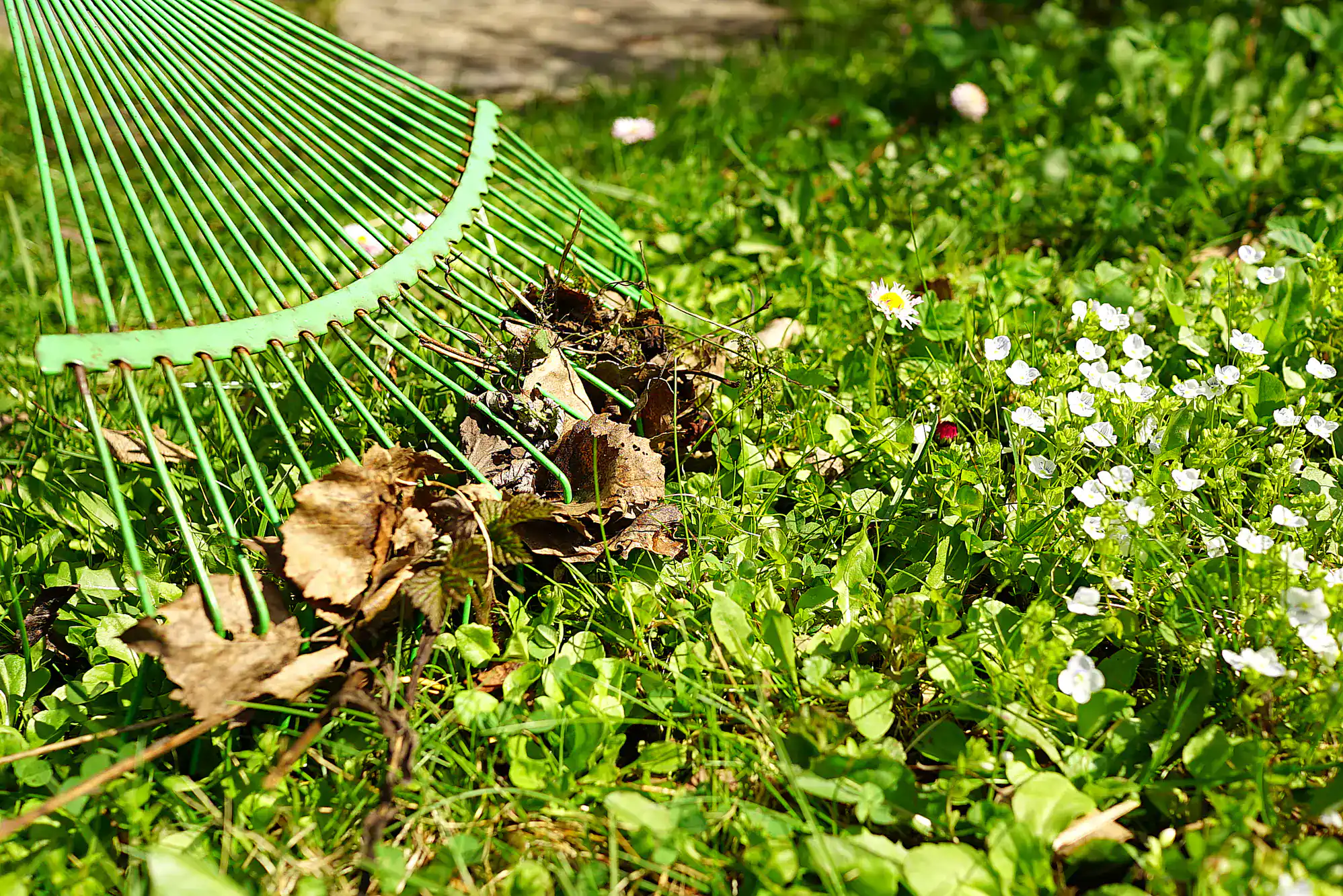
This debris doesn’t just sit there—it changes how your lawn functions. When leaves cover grass for more than two weeks, they block sunlight. Grass underneath weakens, turns yellow, and eventually dies. The same leaf layer traps moisture against the soil surface, creating perfect conditions for fungal diseases and mold.
Branches and twigs create physical barriers. Water can’t reach soil evenly. Fertilizer you apply later sits on top of debris instead of reaching roots. Air circulation drops, and the soil beneath becomes oxygen-starved. Your grass roots need oxygen to grow, and without it, they stay shallow and weak—making regular seasonal cleanup services essential for maintaining a healthy lawn.
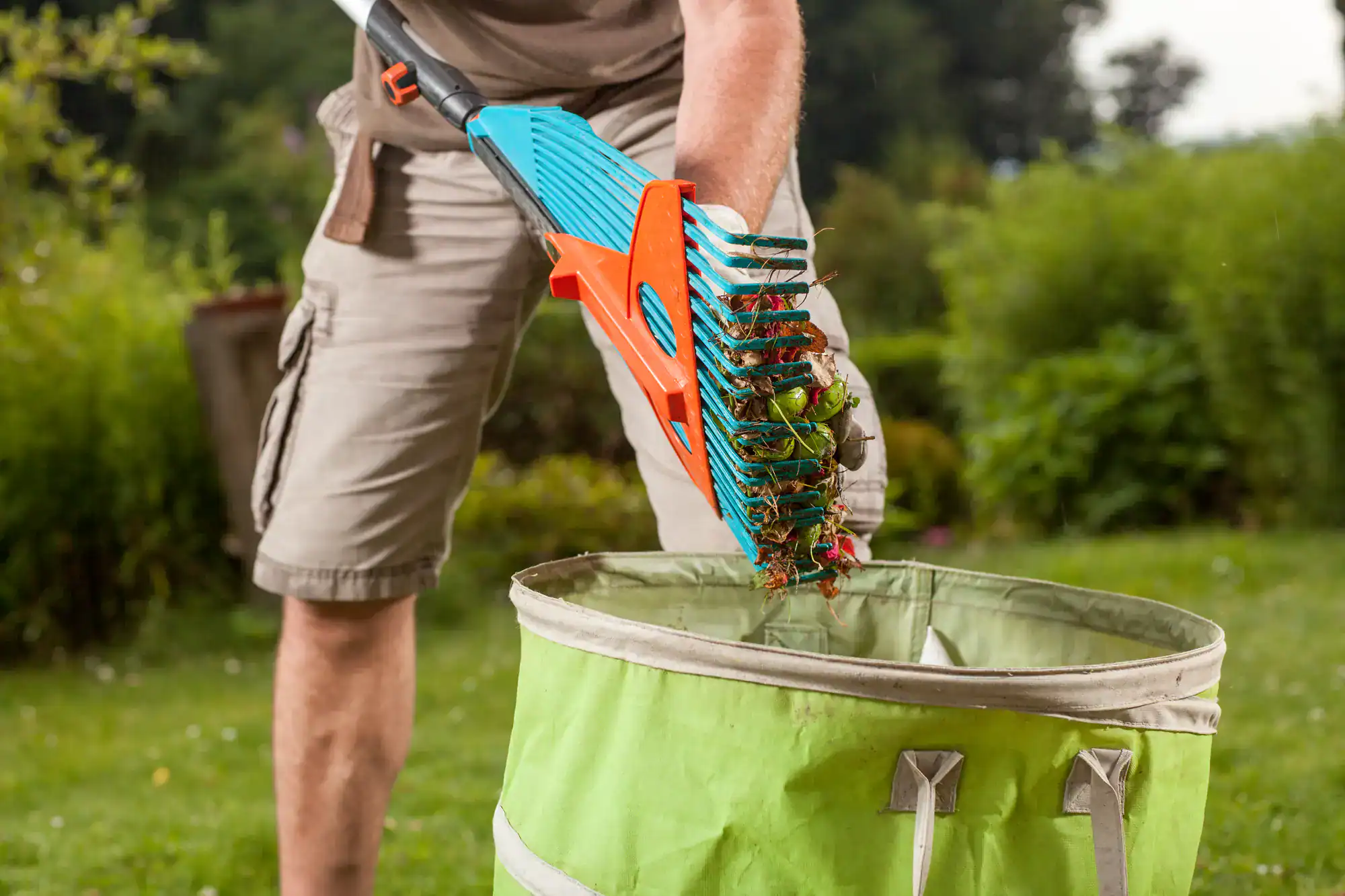
Think of your soil as a living system. It needs to breathe. When debris piles up, it creates a seal over the surface. Oxygen can’t penetrate. Water pools instead of soaking in. The microbial activity that breaks down organic matter and releases nutrients slows way down.
In Suffolk County, you’re typically dealing with sandy loam or silt loam soils. These drain reasonably well under normal conditions, but add a thick layer of matted leaves and suddenly you have drainage problems. Water sits longer than it should. Roots stay wet. Disease pressure increases.
Compaction is another issue. Winter foot traffic, snow weight, and summer heat all compress soil particles together. Compacted soil has less pore space, which means less room for air and water movement. Grass roots can’t push through compacted layers easily, so they stay shallow. Shallow roots mean your lawn can’t access water or nutrients from deeper soil layers during stress periods.
This is where spring cleanup becomes critical. Removing winter debris and aerating compacted areas reopens those pathways. Oxygen flows back to roots. Water penetration improves. Beneficial microbes become active again. You’re essentially resetting the soil environment so grass can function normally.
Fall cleanup serves a different but equally important purpose. Removing leaves prevents them from matting down over winter and smothering grass. Clearing debris reduces hiding spots for insects and disease organisms that overwinter in organic matter. You’re eliminating problems before they start, rather than trying to fix them in spring.
The timing matters because of Suffolk County’s climate. Soil temperatures here drop below 55°F around November, which is when grass growth slows significantly. You want fall cleanup done before that point so grass has time to recover from any stress and store energy in roots for winter. In spring, soil temps hit 55°F again around mid-April—that’s when grass wakes up and needs clear access to sunlight and air immediately.
Long Island isn’t gentle on lawns. You get temperature extremes in both directions—scorching summer heat and hard winter freezes. Humidity runs high, especially in summer, which increases disease pressure. Spring often brings heavy rains that can wash away treatments or drown grass if drainage isn’t right.
Your soil adds another layer of complexity. Suffolk County has multiple soil associations, but most residential areas feature sandy loams that drain quickly—sometimes too quickly. Nutrients leach through faster than in heavier soils. Organic matter breaks down rapidly in summer heat. This means your lawn needs more frequent attention to maintain soil health and nutrient levels.
The grass types that grow here are mostly cool-season varieties: tall fescue, Kentucky bluegrass, perennial ryegrass. These grasses thrive in spring and fall when temperatures are moderate. They struggle in summer heat and go dormant or semi-dormant in winter. This growth pattern means seasonal cleanup timing has to align with when grass is actively growing and when it’s preparing for dormancy.
Spring cleanup needs to happen after the last hard freeze but before grass starts its major growth push. Too early, and you risk damaging emerging grass blades. Too late, and debris has already blocked that critical early growth period when grass builds energy reserves for summer.
Fall cleanup timing is even more specific. You need to remove leaves regularly throughout October and November, not wait until everything has fallen. A thick mat of leaves left for several weeks will smother grass underneath. But you also can’t strip every leaf the moment it falls—some organic matter is beneficial. The goal is preventing accumulation that blocks light and traps moisture.
Suffolk County also has fertilizer restrictions to protect water quality. No fertilizer applications between November 1 and April 1. This means your fall cleanup and fertilization need to happen in September or early October to give grass time to absorb nutrients before the blackout period. Spring applications can’t start until mid-April at earliest. We account for these regulations while maximizing lawn health in our seasonal cleanup services.
Want live answers?
Connect with a Rolling Hills Property Services Inc expert for fast, friendly support.
Seasonal cleanup is more than raking leaves. It’s a systematic process that addresses multiple issues your lawn faces after months of weather stress.
Spring cleanup starts with debris removal—clearing branches, dead leaves that overwintered, and any storm damage. Then comes dethatching if needed, which removes the layer of dead grass stems and roots that builds up between soil and living grass. Next is aeration, punching holes in compacted soil to restore oxygen flow and water penetration. Many properties also need bare spot repair, edge definition, and an initial fertilization to jumpstart growth.
Fall cleanup focuses heavily on leaf removal, but it also includes cutting back perennials, clearing garden beds, and removing any debris that accumulated over summer. This is prime time for core aeration and overseeding to thicken thin areas. Fall fertilization builds root strength for winter. You’re essentially preparing the lawn to survive dormancy and emerge strong in spring.
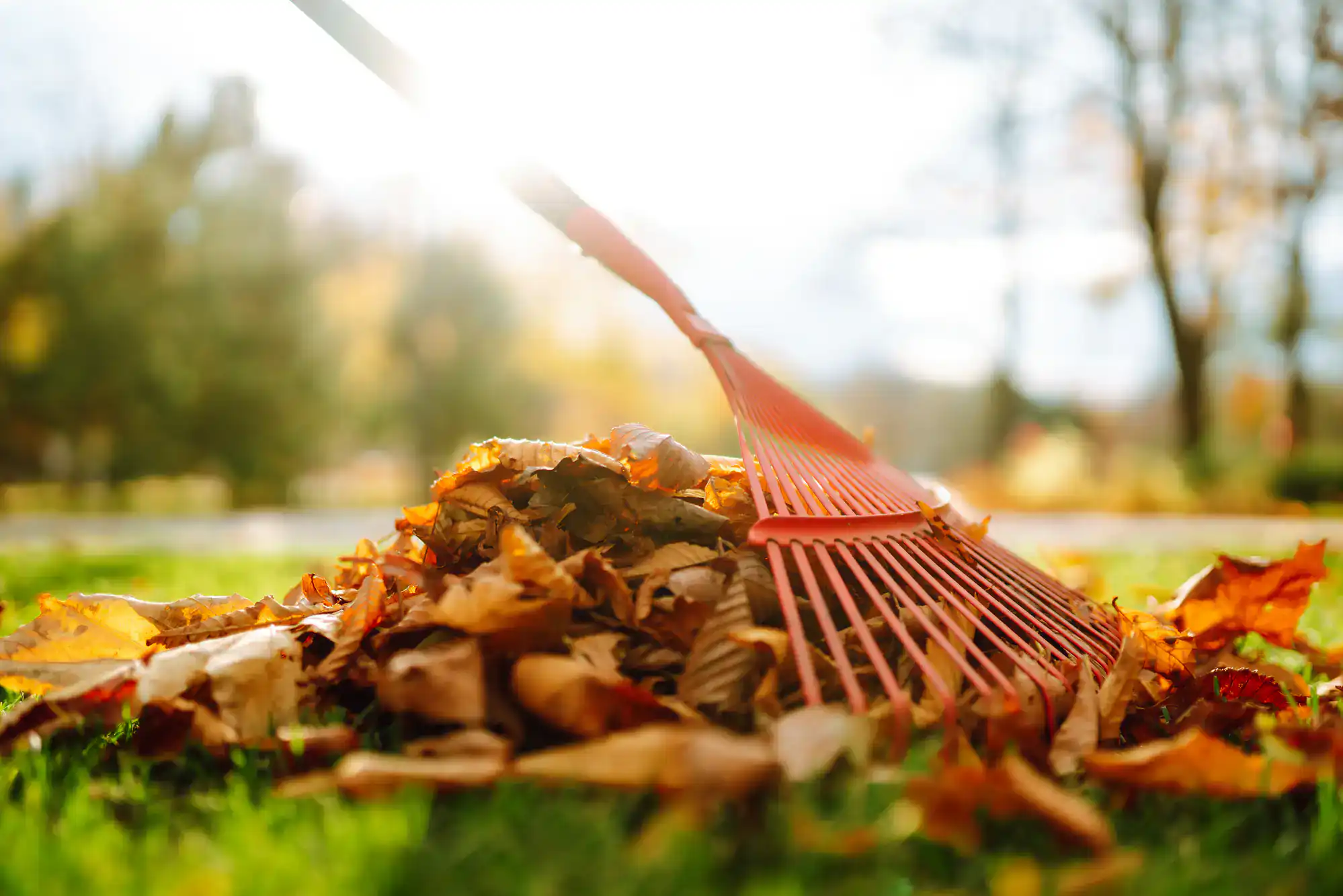
Spring cleanup is about recovery and preparation. Your lawn spent months dormant or semi-dormant. Soil is compacted from winter. Dead organic matter covers the surface. Grass needs help to transition from survival mode to growth mode.
The first step is always debris removal. Everything that accumulated over winter needs to go—leaves, branches, dead grass. This immediately improves sunlight penetration and air circulation. Grass blades can photosynthesize properly again. Soil surface can begin warming up, which triggers root activity.
Dethatching comes next if thatch exceeds half an inch. Thatch is that spongy layer of partially decomposed grass parts between soil and green grass. A little thatch is fine—it provides cushioning and insulation. Too much blocks water and nutrients from reaching soil. In Suffolk County’s humid climate, excess thatch also holds moisture and encourages fungal diseases.
Core aeration is critical for spring recovery. Winter compaction is real. Snow weight, ice formation, and freeze-thaw cycles all compress soil particles. Aeration removes small plugs of soil, creating channels for air and water. These holes also give grass roots room to expand laterally and vertically. Better root development means better drought tolerance and nutrient uptake later.
After aeration, many lawns benefit from overseeding thin areas. Spring temperatures are decent for seed germination, though fall is actually better on Long Island due to heavy spring rains. If you overseed in spring, you need to be careful about pre-emergent herbicide timing—you can’t use crabgrass preventers for 4-6 weeks after seeding or you’ll kill your new grass along with the weeds.
Fertilization in spring should wait until soil temps consistently hit 55°F, usually mid-April in Suffolk County. Applying too early wastes product because dormant grass can’t absorb nutrients. Worse, unused fertilizer leaches through sandy soil into groundwater. Timing this right means grass gets fed exactly when it’s ready to use those nutrients for growth.
Edge definition and bed cleanup complete the spring process. Clean edges between lawn and garden beds improve appearance and reduce areas where weeds can establish. Clearing beds of winter debris and old mulch prevents disease carryover and gives new plantings a clean start.
Fall cleanup serves a different purpose than spring work. You’re not trying to jumpstart growth—you’re preparing grass to survive winter and emerge healthy in spring. This means different priorities and different timing.
Leaf removal is the most visible part of fall cleanup, and it’s more important than most people realize. Leaves left on grass for more than two weeks start causing problems. They mat down, especially after rain, creating an impermeable layer. Grass underneath gets no sunlight. It weakens, yellows, and eventually dies. Those dead patches become weed invasion points in spring.
The key is regular removal throughout October and November, not waiting until every leaf has fallen. Multiple passes keep accumulation manageable and prevent that smothering effect. Some homeowners try to mulch leaves with a mower, which works if the layer is thin enough that grass blades still show through. Thick layers need to be removed entirely.
Fall is also the best time for core aeration in Suffolk County. Soil is still warm enough for grass to recover quickly. Aeration holes give fall fertilizer direct access to root zones. If you’re overseeding, aeration creates perfect seed-to-soil contact. Cool fall temperatures and increased rainfall create ideal germination conditions—much better than spring’s heavy rains and temperature swings.
Overseeding in fall addresses summer damage and thickens thin areas before winter. Grass seed germinates quickly in September and early October when soil temps are still above 55°F. New grass has two cool growing seasons—fall and spring—to establish before facing its first summer stress. This gives it a much better survival rate than spring seeding.
Fall fertilization is critical for root development. Unlike spring feeding that promotes top growth, fall fertilizer encourages root expansion and energy storage. Grass stores carbohydrates in roots and crowns during fall, which fuels early spring green-up and helps it survive winter stress. In Suffolk County, this application needs to happen in September or early October, well before the November 1 fertilizer blackout.
Cutting back perennials and clearing garden beds prevents disease and pest problems. Dead plant material harbors fungal spores and insect eggs that overwinter and emerge as problems in spring. Removing this material breaks the disease cycle. Clean beds also make spring planting easier and reduce early-season weed pressure.
The final mowing of the season matters too. You want grass slightly shorter than summer height but not scalped. Around 2.5 inches works for most cool-season grasses. Too tall, and grass can mat down under snow and develop snow mold. Too short, and you expose crowns to winter damage. Getting this right protects grass through dormancy.
Seasonal cleanup isn’t optional maintenance—it’s foundational care that determines whether your lawn thrives or struggles. The debris you remove, the soil you aerate, the timing you get right—all of it adds up to a lawn that can handle Suffolk County’s temperature extremes and come out healthy.
Spring cleanup gives grass a clean start after winter stress. Fall cleanup prepares it to survive dormancy and emerge strong. Both seasons require specific knowledge about timing, techniques, and local conditions. Miss the window, and you’re fighting problems all season instead of preventing them.
If you’re looking at your property and wondering whether it’s time for professional seasonal cleanup, we handle this exact work throughout Suffolk County. We understand local soil conditions, climate challenges, and proper timing for every treatment. Reach out to discuss what your lawn needs for the upcoming season.
Article details:
Share:
Continue learning: