Hear from Our Customers
When your trees are properly maintained, you sleep better at night knowing your family and property are protected from falling branches and storm damage. Professional tree care means no more worrying about that leaning oak threatening your roof or the overgrown branches scraping your house during windstorms.
You get peace of mind that comes from working with certified arborists who understand Long Island’s unique weather patterns and soil conditions. Your property value increases when trees are healthy, properly shaped, and strategically maintained to complement your landscape rather than threaten it.
The difference shows immediately. Clean, professional work that eliminates hazards while preserving the natural beauty that makes your property special. No guesswork, no shortcuts—just results you can see and trust.
Rolling Hills Property Services Inc. has been serving West Islip and Suffolk County homeowners for years, building a reputation for reliable, professional tree care that residents actually recommend to their neighbors. Based in Smithtown, we understand the specific challenges Long Island properties face—from nor’easters that bring down massive limbs to the sandy soil conditions that affect root stability.
Our team is fully licensed and insured, giving you complete protection whether we’re removing a dangerous tree or performing routine maintenance. We’ve seen every type of tree emergency West Islip throws at us, from storm-damaged maples blocking driveways to diseased oaks threatening power lines.
What sets us apart is straightforward communication and transparent pricing. No surprises, no hidden fees—just clear explanations of what needs to be done and why, followed by professional work that gets completed on schedule.

First, a certified arborist evaluates your trees and property, identifying any safety concerns and explaining exactly what work needs to be done. You get a clear, upfront estimate with no hidden costs or surprise charges later.
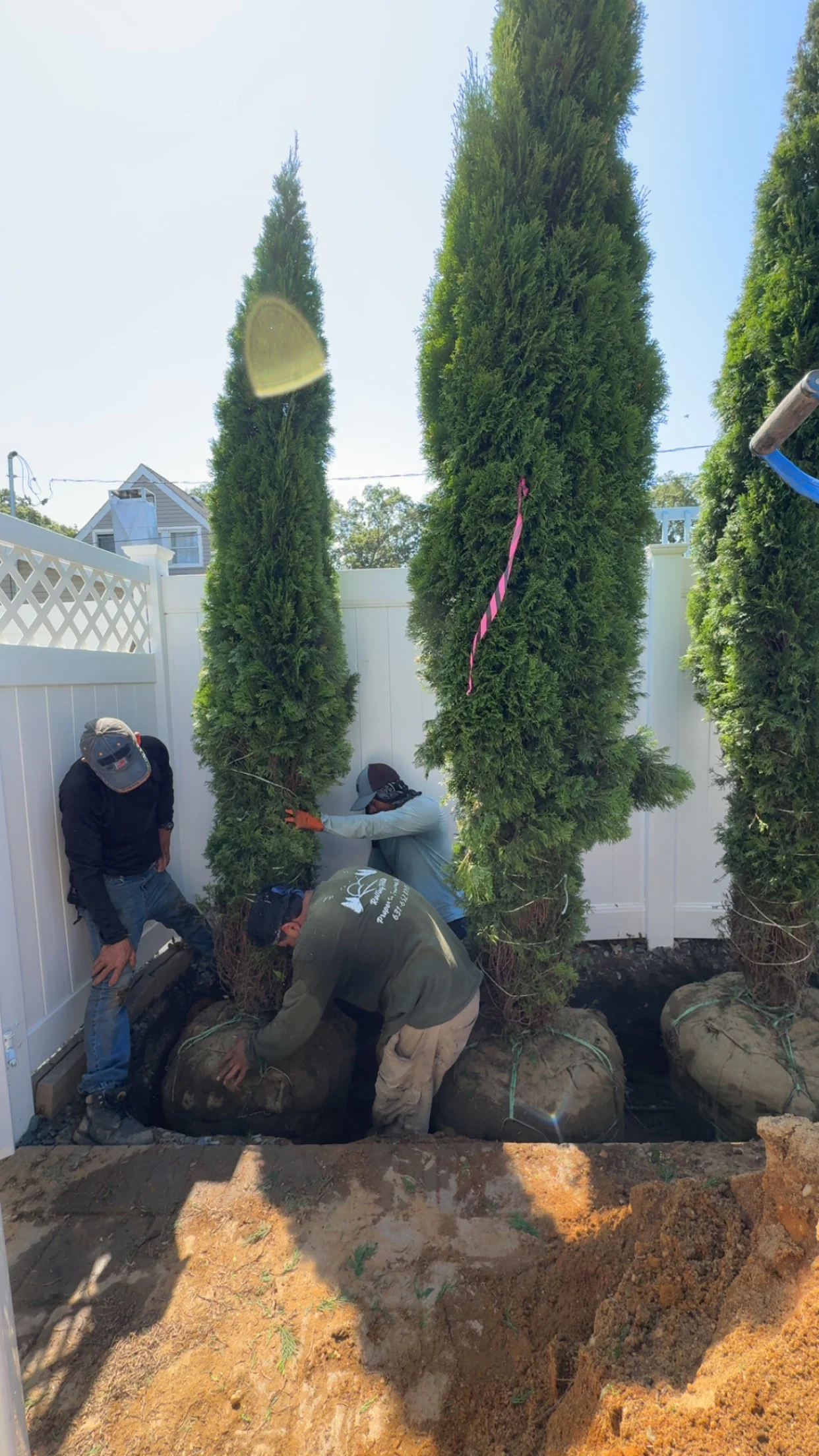
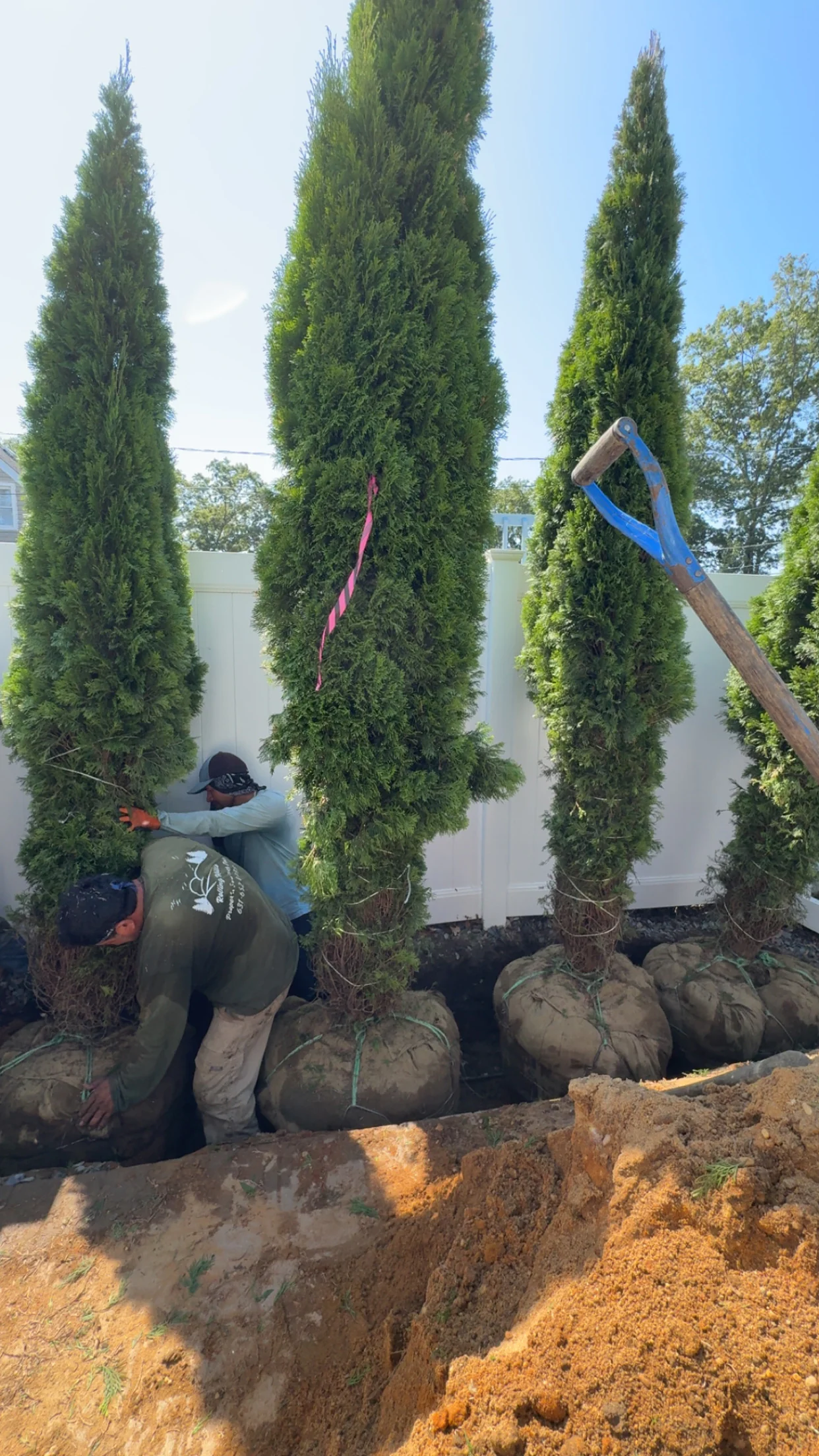
Next, our crew arrives with professional equipment and proper insurance documentation. We set up protection for your landscaping and structures, then execute the work safely and efficiently. Whether it’s emergency storm cleanup or planned tree removal, every step follows industry safety standards.
Finally, we complete a thorough cleanup, removing all debris and leaving your property cleaner than we found it. You get a final walkthrough to ensure everything meets your expectations, plus any care recommendations for your remaining trees. The job isn’t finished until you’re completely satisfied with the results.
Ready to get started?
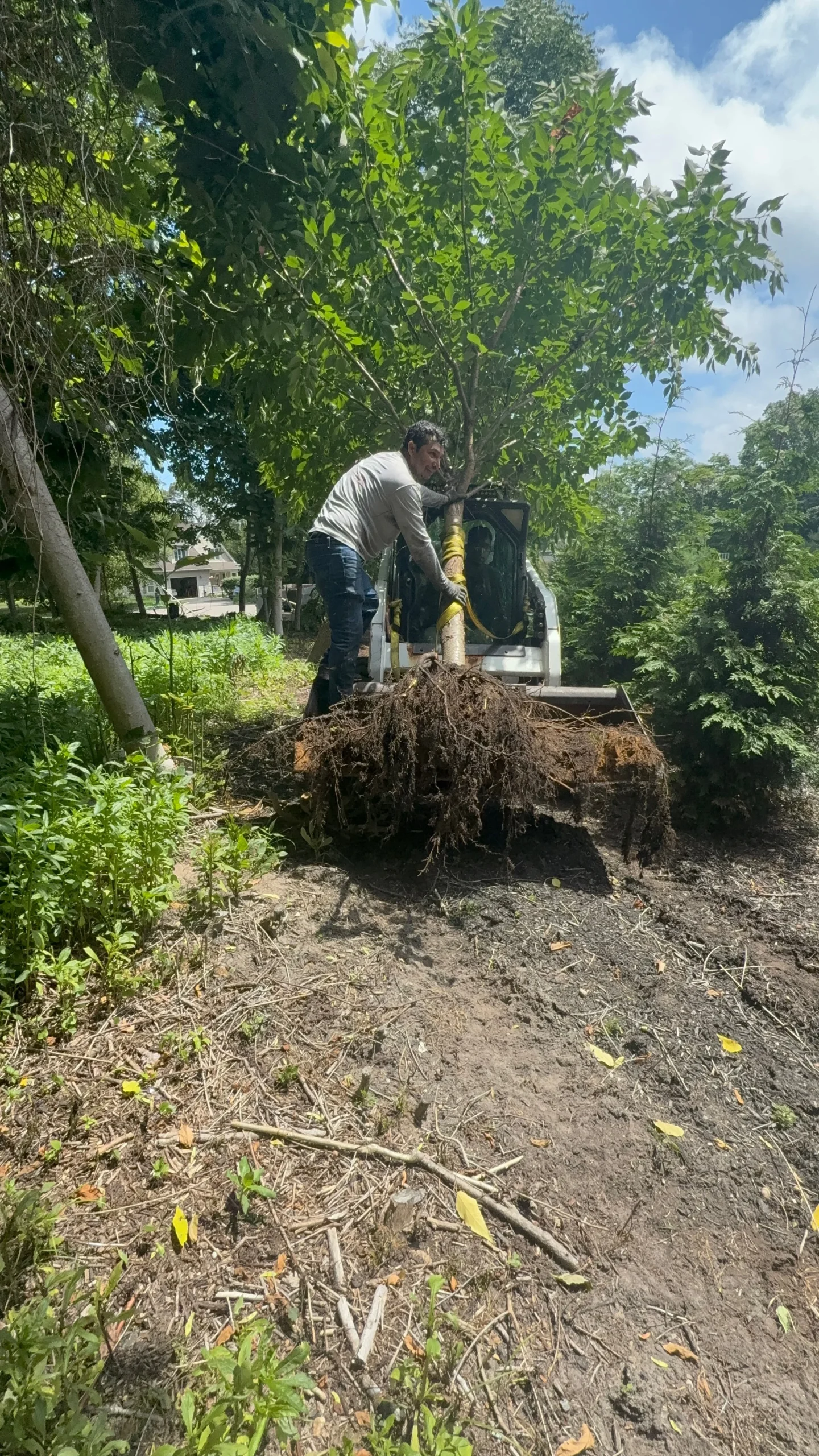
Our tree service includes everything needed to keep your property safe and attractive. Tree removal handles dangerous, diseased, or unwanted trees using professional equipment and techniques that protect your home and landscaping. Tree pruning and trimming maintain healthy growth while preventing branches from interfering with power lines or structures.
Emergency services respond quickly when storms damage trees, prioritizing the most hazardous situations first to prevent additional property damage. Stump grinding eliminates unsightly remnants and safety hazards, leaving your landscape clean and ready for new plantings or lawn restoration.
West Islip’s coastal location means trees face unique stresses from salt air, sandy soil, and intense storm systems. Our service includes recommendations for tree species that thrive in these conditions, plus ongoing maintenance schedules that account for Long Island’s seasonal weather patterns. Every service comes with proper licensing, full insurance coverage, and a satisfaction guarantee that gives you complete confidence in the work.

Tree removal costs in West Islip typically range from $300 for small trees to $3,000+ for large, complex removals, but every situation is different. The price depends on the tree’s size, location, condition, and accessibility—a healthy 30-foot maple in an open yard costs much less than a diseased oak hanging over your house.
Factors that affect pricing include proximity to structures, power lines, or other trees, the tree’s health and stability, and how difficult debris removal will be. Emergency removals after storms often cost more due to the urgency and additional safety precautions required.
We provide transparent, upfront estimates with no hidden fees. We evaluate each tree individually and explain exactly what drives the cost, so you understand what you’re paying for and why the work requires professional expertise and equipment.
The best time for tree pruning in West Islip is late fall through early spring when trees are dormant, typically November through March. During dormancy, trees experience less stress from pruning cuts and have time to heal before the growing season begins.
However, dead, diseased, or dangerous branches should be removed immediately regardless of season. Storm-damaged limbs hanging over your roof can’t wait for the ideal pruning window. Emergency situations always take priority over optimal timing.
Some tree species have specific timing requirements—oaks should avoid pruning during April through October to prevent oak wilt disease, while fruit trees benefit from late winter pruning before buds break. Professional arborists understand these species-specific needs and can recommend the best timing for your particular trees and situation.
West Islip tree removal permits depend on the tree’s size, species, and location on your property. The Town of Islip requires permits for removing certain protected trees, particularly those over specific diameter measurements or designated heritage species.
Trees in wetland areas, those near property lines, or specimens considered significant to the community often require approval before removal. Street trees or those in right-of-ways definitely need municipal permits and professional coordination with local authorities.
We handle permit applications and municipal coordination as part of our service. We know local regulations and can determine whether permits are needed for your specific situation. This eliminates the hassle of navigating town hall bureaucracy while ensuring all work complies with local ordinances and avoids potential fines.
Dangerous trees show specific warning signs that homeowners can identify with basic observation. Large dead branches, significant lean toward structures, visible root damage, or fungal growth around the base all indicate potential hazards that require professional evaluation.
Cracks in the trunk, hollow areas you can see or hear when tapping, and branches that have already fallen suggest structural problems. Trees that lose leaves early, show unusual discoloration, or have bark peeling in large sections may be diseased or dying.
After major storms, any tree that has shifted, exposed roots, or new cracks needs immediate professional assessment. Don’t wait for the next windstorm to find out if that leaning tree will hold. A certified arborist can evaluate the actual risk level and recommend whether removal, cabling, or other interventions can make the tree safe.
After tree removal, the wood can be processed several different ways depending on the tree species, condition, and your preferences. Healthy hardwood trees often get converted to firewood, lumber, or wood chips that can be used for landscaping mulch around your property.
Diseased trees require special disposal to prevent spreading problems to other vegetation. These typically go to approved facilities that can safely process infected wood without contaminating other areas. Storm-damaged wood may have embedded debris that makes it unsuitable for reuse.
We discuss wood disposal options during the initial consultation and include removal in our service. If you want to keep firewood or mulch, we can cut and stack it for you. Otherwise, we handle complete cleanup and disposal, leaving your property clean and ready for whatever comes next—whether that’s new plantings, lawn restoration, or just enjoying the extra space.
Many storm-damaged trees can be saved with proper assessment and treatment, but it depends on the extent and type of damage. Trees that have lost major limbs but retain their main trunk structure often recover well with professional pruning and ongoing care.
Root damage, split trunks, or trees that have uprooted more than 30% typically can’t be saved safely. However, trees with surface root exposure, broken branches, or even significant crown loss may recover if the structural integrity remains intact.
The key is immediate professional evaluation before secondary damage occurs. Hanging branches, partially split trunks, or exposed roots can worsen quickly, turning a salvageable tree into a complete removal. We respond quickly to storm calls, prioritizing the most dangerous situations while identifying which trees can be saved with proper emergency care and follow-up treatment.